Why Gyms Are Ditching Treadmills for This Unexpected Equipment—And What It Means for Your Workout

Why Gyms Are Ditching Treadmills for This Unexpected Equipment—And What It Means for Your Workout

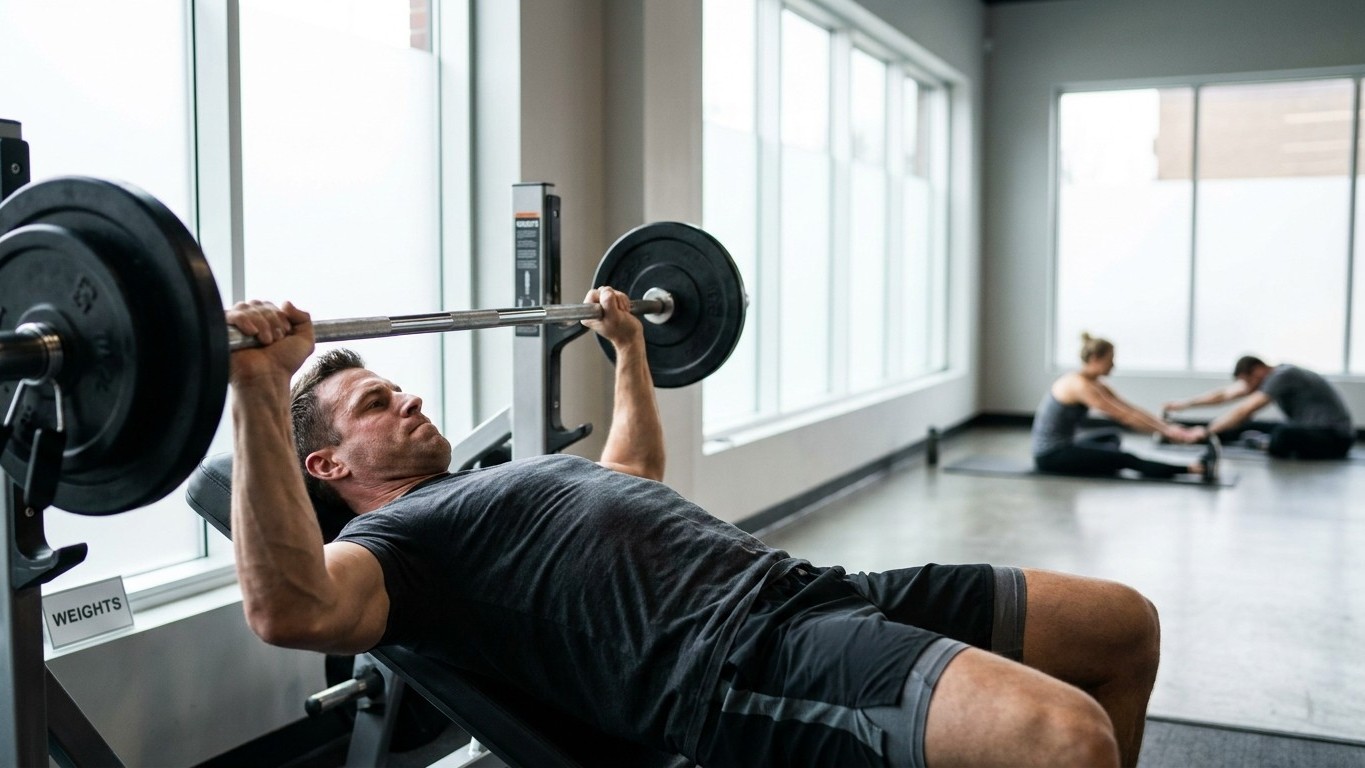
Treadmills are disappearing from gyms worldwide, replaced by functional training equipment that’s cheaper to maintain, more engaging, and backed by solid science. From sleds to battle ropes, discover why gym operators are rethinking fitness and what this means for your next workout.

I Ditched My Slippers for 30 Days: How Going Barefoot at Home Transformed My Balance

I Ditched My Slippers for 30 Days: How Going Barefoot at Home Transformed My Balance

After 30 days of going barefoot at home, one experimenter’s balance improved so dramatically that their physiotherapist noticed without being told. The results reveal how modern shoes may be quietly weakening the complex systems that keep us upright—and what happens when we give our feet permission to work again.

The Japanese Post-Workout Recovery Move That Elite Athletes Never Skip—And Why Your Physio Wants You to Try It

The Japanese Post-Workout Recovery Move That Elite Athletes Never Skip—And Why Your Physio Wants You to Try It

Elite athletes and physiotherapists across the UK are quietly adopting seiza breathing—a traditional Japanese recovery practice that costs nothing, requires no equipment, and takes just ten minutes. This ancient technique uses a specific breathing ratio to activate your parasympathetic nervous system and dramatically improve post-workout recovery and sleep quality.

I Ditched My Phone After Dinner for 20 Minutes—Here’s How My Sleep Completely Transformed

I Ditched My Phone After Dinner for 20 Minutes—Here's How My Sleep Completely Transformed

Endless evening scrolling is quietly sabotaging your sleep through blue light exposure and nervous system overstimulation. By replacing just 20 minutes of screen time with a deliberate wind-down ritual combining gentle movement, breathing, and reading, one person transformed their sleep quality, sleep depth, and morning mood—with science backing every step.

Why Elite Footballers Train Differently After 35: What Iniesta’s Late-Career Routine Teaches Us About Longevity

Why Elite Footballers Train Differently After 35: What Iniesta's Late-Career Routine Teaches Us About Longevity

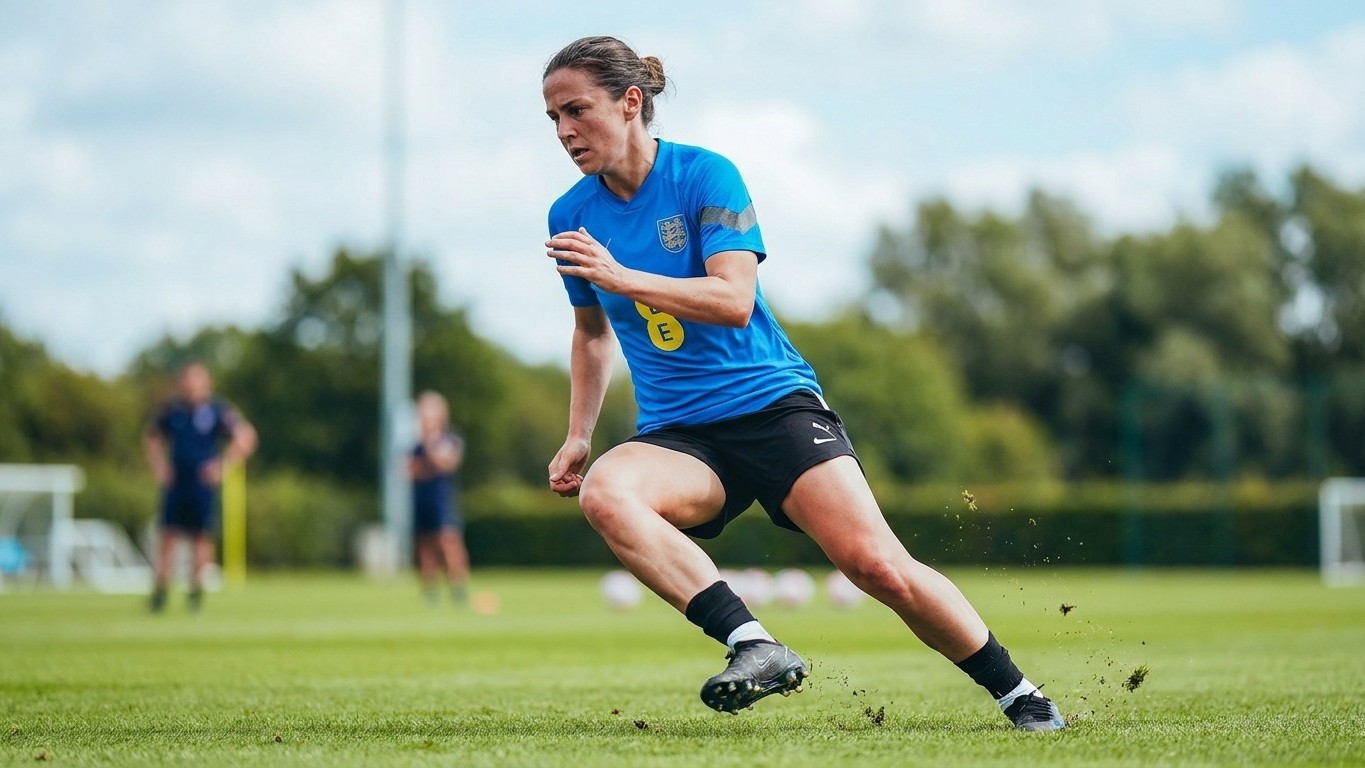
As athletes enter their mid-thirties, muscle recovery slows, aerobic capacity declines, and training demands shift fundamentally. Andrés Iniesta exemplifies this transformation, trading high-volume sessions for precision work and treating recovery as a primary discipline. His blueprint reveals that longevity isn’t about doing less—it’s about doing less of what causes injury and more of what preserves excellence.

Stop Stretching Before Runs: The 2-Minute Foot Drill That Changed Everything

Stop Stretching Before Runs: The 2-Minute Foot Drill That Changed Everything

A podiatrist revealed that traditional pre-run stretching misses the real foundation of running health: your feet. This simple two-minute foot activation drill—featuring short foot exercises, balance work, and toe spreading—activates the 26 bones, 33 joints, and intrinsic muscles that absorb every impact.

The 2-Minute Japanese Method That Replaces 30 Minutes of Cardio: What Tokyo University Research Really Found

The 2-Minute Japanese Method That Replaces 30 Minutes of Cardio: What Tokyo University Research Really Found

A groundbreaking Japanese study shows that short bursts of intense effort can trigger the same cardiovascular adaptations as lengthy cardio sessions. But the online headlines oversimplify what the research actually found—and there are important caveats for how to use this discovery safely.

Stop Using Your Foam Roller Wrong: A Physio’s Guide to Rolling Every Muscle Correctly

Stop Using Your Foam Roller Wrong: A Physio's Guide to Rolling Every Muscle Correctly

For years, one person used a foam roller the same way on every muscle—until a sports physiotherapist revealed why that approach was counterproductive. Different tissues require different techniques, pressures, and durations. Discover which areas respond well to rolling and which ones you should avoid.

The 5-Minute Warm-Up Protocol Physiotherapists Swear By to Prevent Spring Training Injuries

The 5-Minute Warm-Up Protocol Physiotherapists Swear By to Prevent Spring Training Injuries

Spring brings a surge of training injuries as our bodies struggle to match our renewed enthusiasm. Physiotherapists have refined a simple five-minute warm-up protocol that dramatically reduces injury risk by gradually preparing muscles, activating stabilisers, and rehearsing sport-specific movements.