
How Long to Taper Before a Marathon: What the Research Says About Duration, Volume Cuts and Intensity
I cut my training by half three weeks out and felt worse, not better. Here is what the research says I should have done instead.
I cut my training by half three weeks out and felt worse, not better. Here is what the research says I should have done instead.

Last Tuesday I was barely two kilometres in and my legs felt like I was wading through wet sand. I had no idea why, and I was ready to blame everything except myself.

I laced up every single morning for a year and waited for my body to fall apart. It never did, but the reason surprised me.

I trained five days a week for months and felt worse every Monday. Then I counted my rest days, and the answer surprised me.
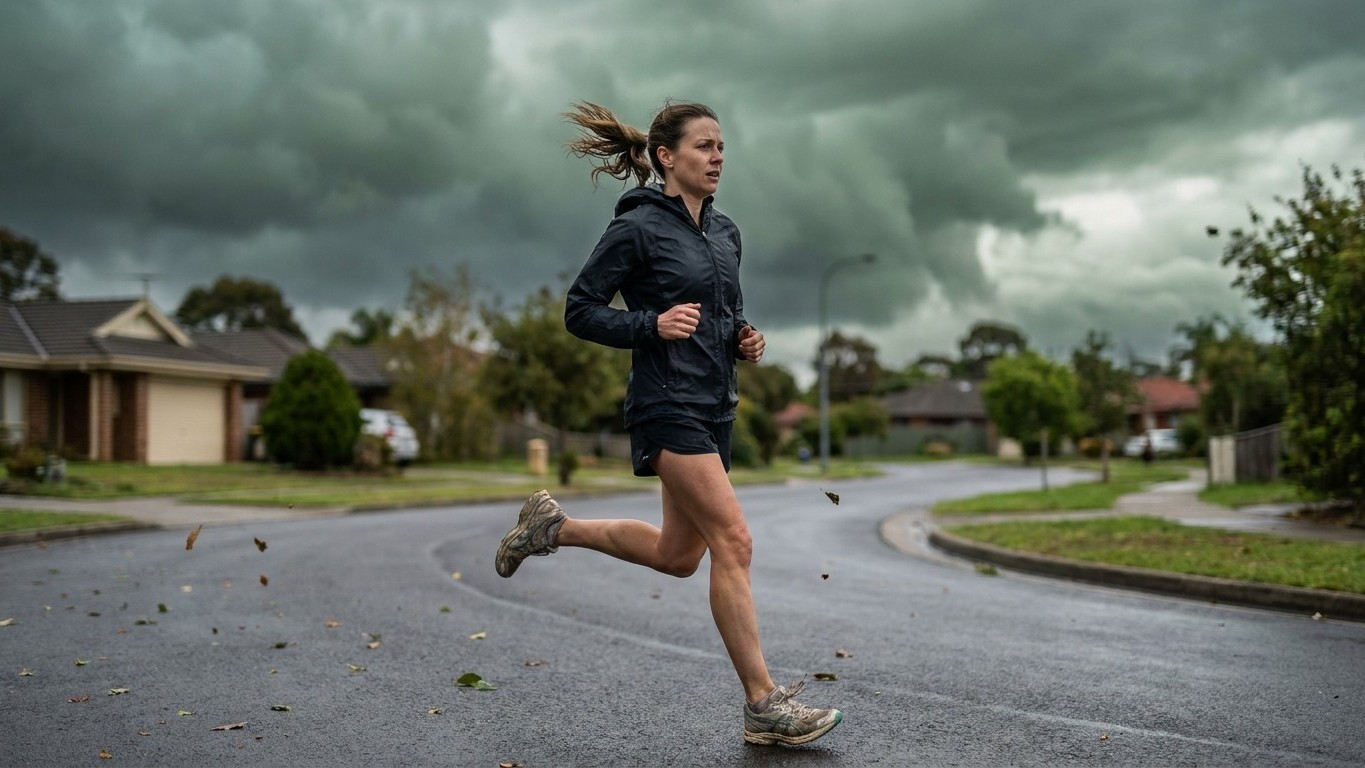
A routine summer run turned dangerous when a runner’s chest tightened twenty minutes in—not from fitness, but from a perfect storm of exercise physiology and thunderstorm chemistry. Thunderstorm asthma can strike anyone, affects 63% of people with seasonal allergies, and has sent thousands to emergency rooms. Here’s what you need to know before your next run.

That brutal post-lunch run isn’t about the weather—it’s about your stomach competing with your muscles for blood flow. When you run within hours of eating, your gut loses 80% of its blood supply to fuel your legs, turning simple digestion into a physiological crisis. The solution isn’t skipping lunch; it’s understanding what to eat and when.

That post-run chest tightness isn’t a sign you’re unfit. It’s exercise-induced bronchoconstriction (EIB), a temporary airway narrowing triggered by cold, dry air that affects up to 20% of the general population and 70% of elite athletes. Simple warming techniques and nasal breathing can transform your winter running.
A routine blood test revealed dangerously elevated kidney markers after months of pre-run ibuprofen use during summer heat. What seemed like a smart way to manage knee pain was actually removing the body’s only defence mechanism against kidney stress during exercise.
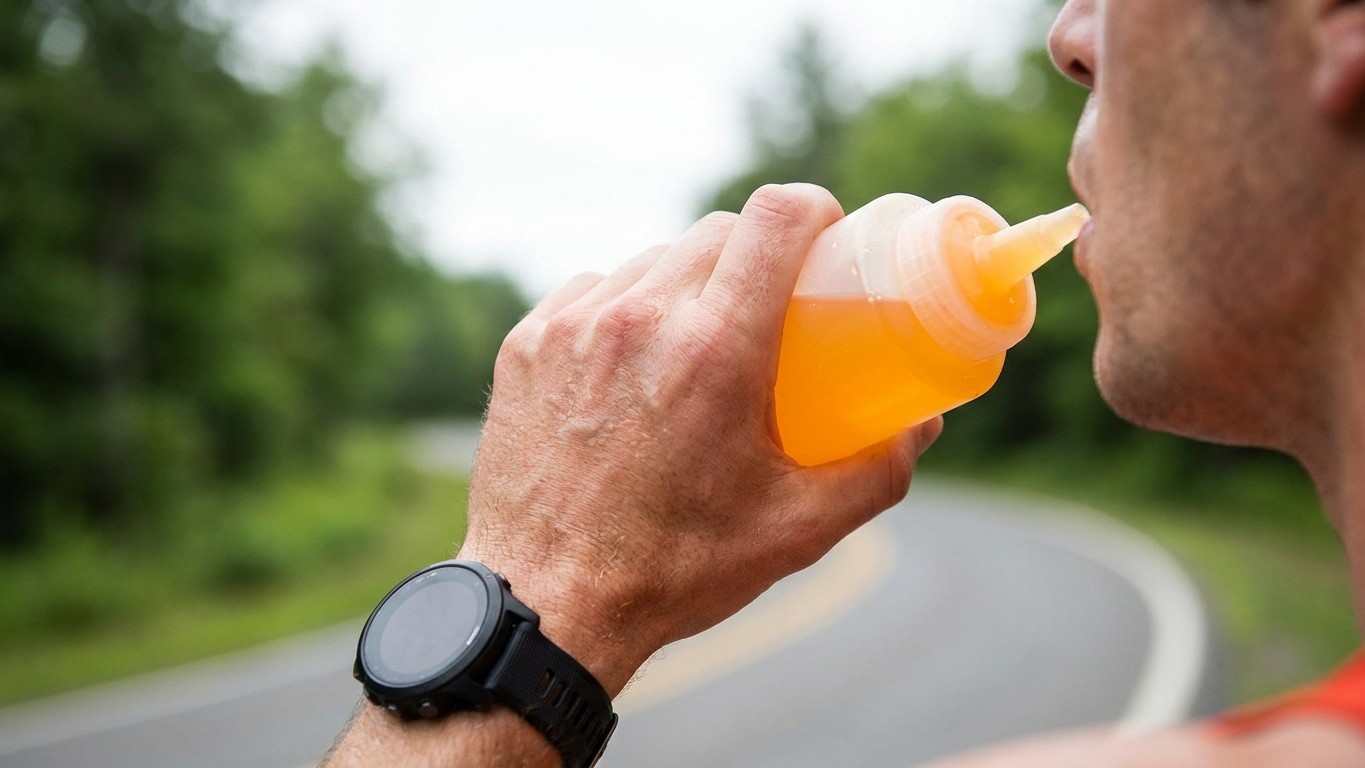
Long-distance runners sipping isotonic drinks every twenty minutes to prevent cramps may be unwittingly exposing their teeth to erosive acids. While research remains nuanced, the combination of reduced saliva flow during intense exercise and frequent acid exposure creates a perfect storm for enamel damage.
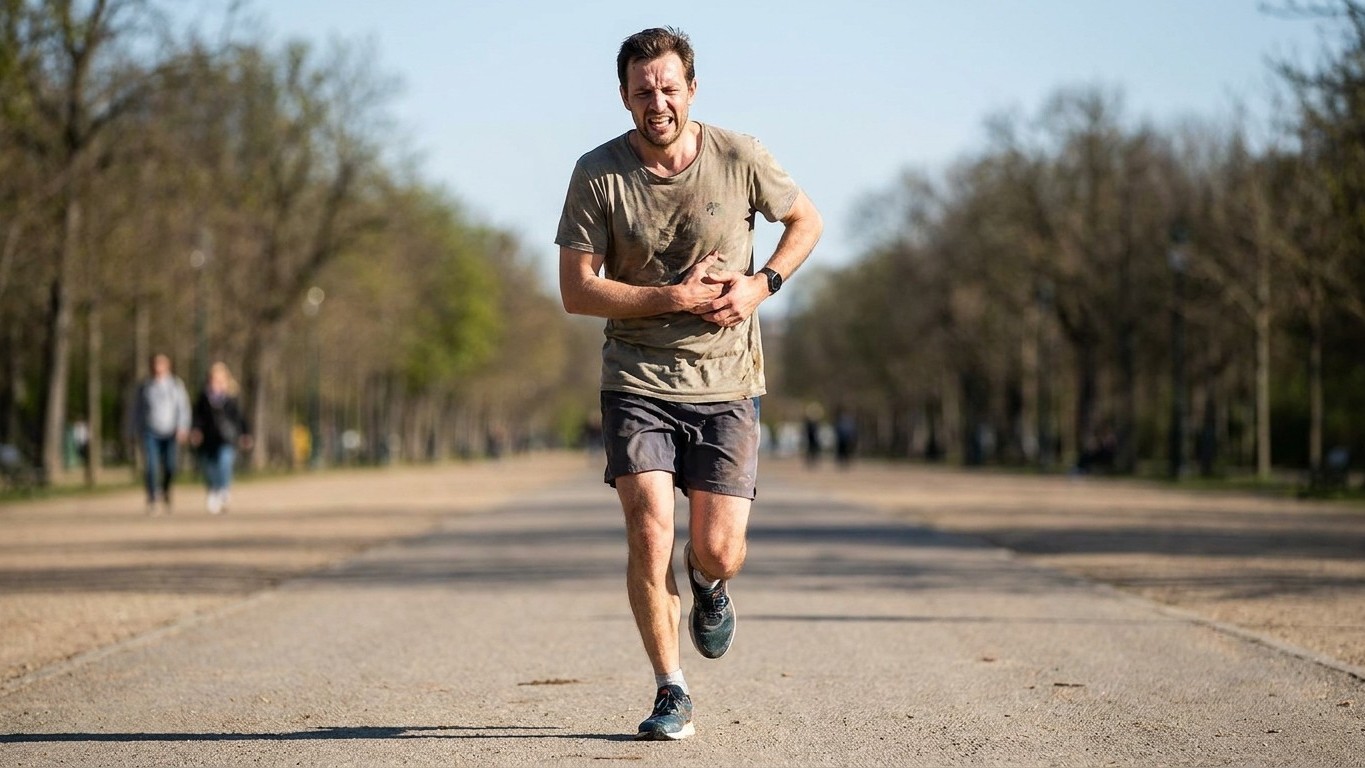
Gluten takes the blame for runner’s stomach troubles, but sports science reveals the real culprits: fat and fiber eaten too close to exercise. When these slow-digesting nutrients combine with reduced gut blood flow during running, the result is cramping, bloating, and urgency—not gluten sensitivity.
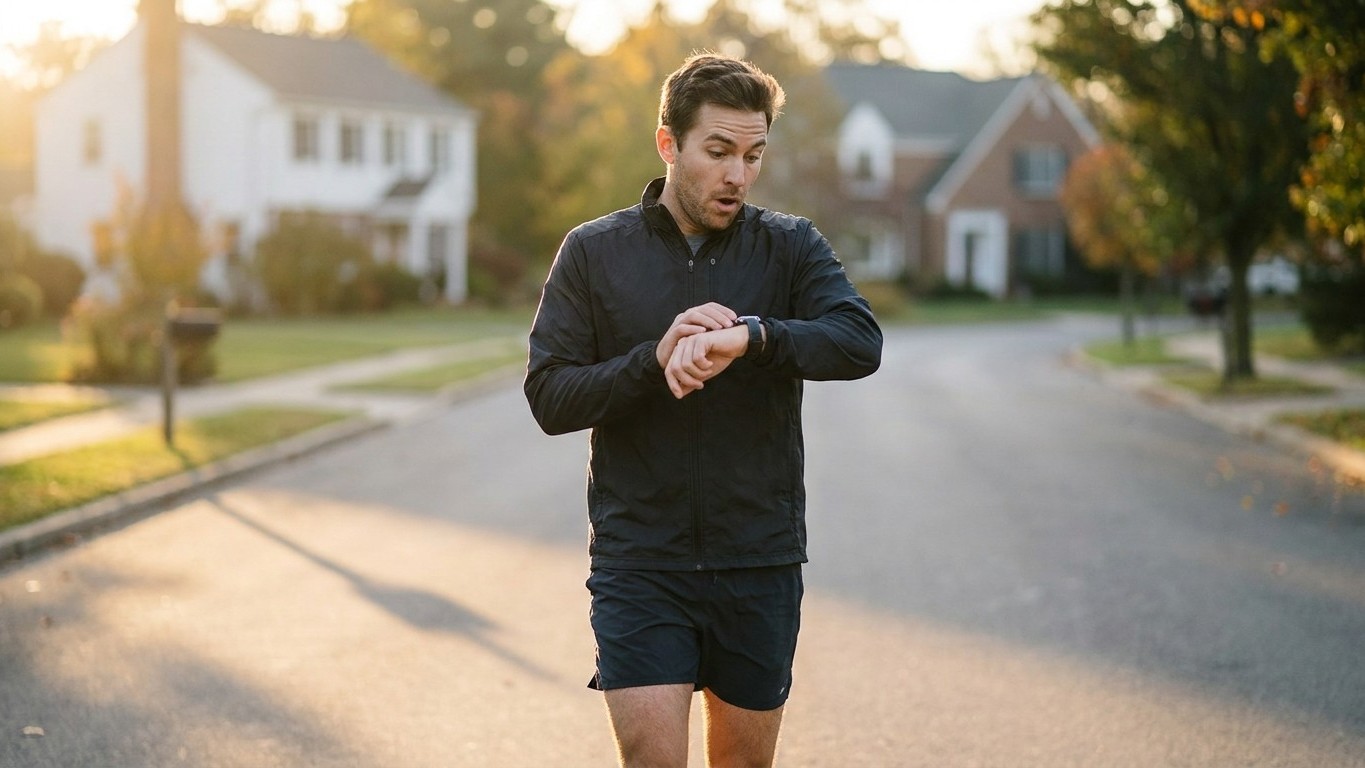
Quit smoking and your running watch suddenly shows you’re fitter than ever? That’s not a sensor glitch—it’s real physiology happening fast. Within three weeks, your heart stops working overtime, oxygen delivery normalizes, and your VO2 max estimate climbs noticeably, even before your training changes.
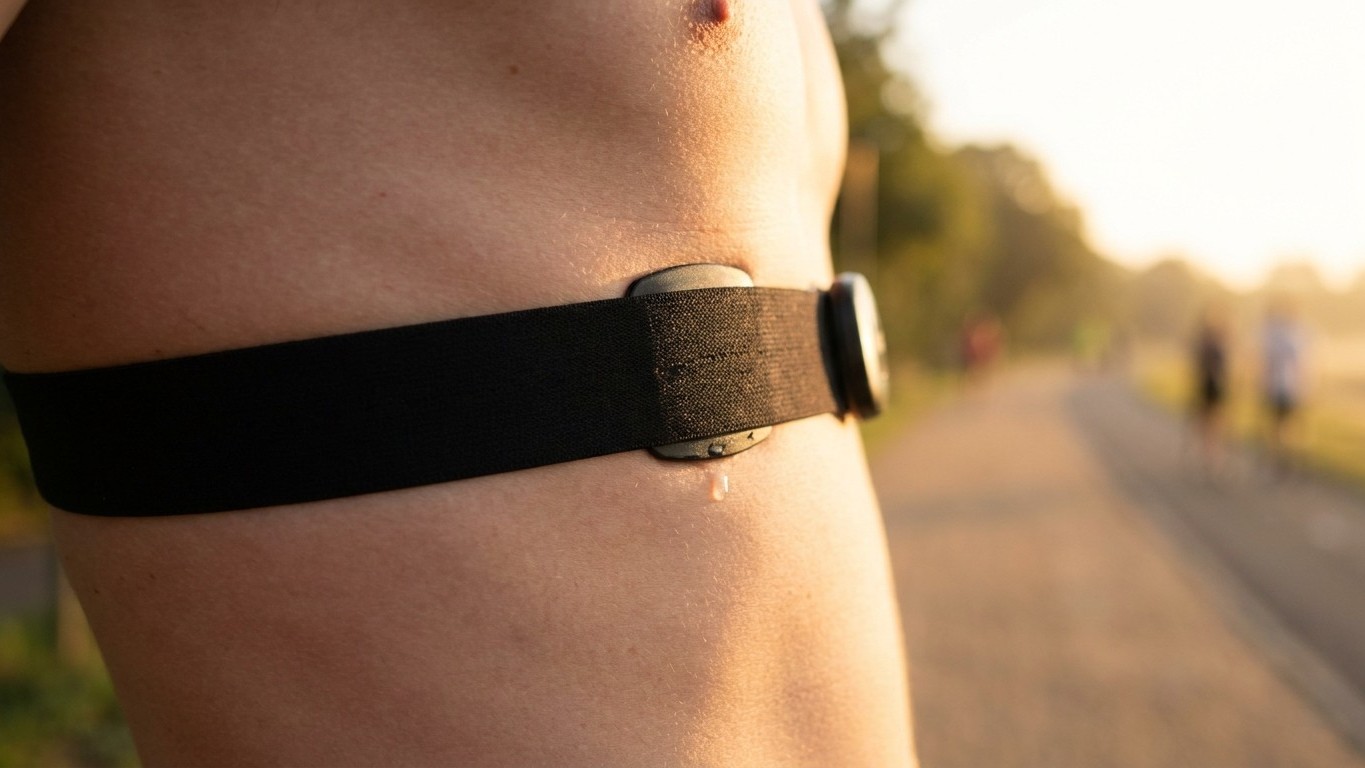
That sudden 30 BPM jump on your chest strap during an easy run probably isn’t your heart—it’s almost certainly a connection problem between the strap and your skin. Sports scientists reveal why these phantom spikes happen most during cool, dry conditions and how simple fixes can make them disappear.