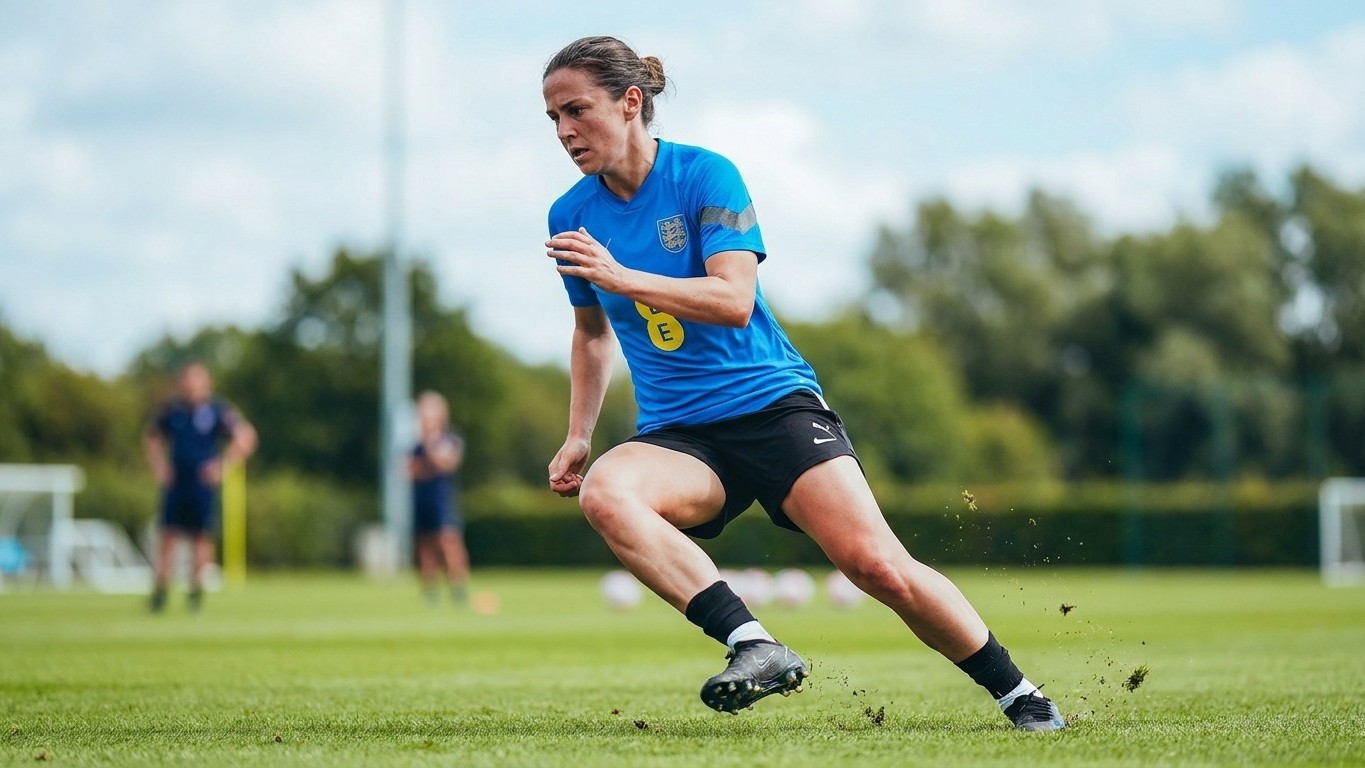
I ruptured my ACL on a simple sidestep in training, just like two teammates that same month: the dates in our diaries all pointed to the same week
I ruptured my ACL on a simple sidestep in training, just like two teammates that same month: the dates in our diaries all ...

When three teammates tear their ACLs from a simple sidestep within days of each other, it’s not random bad luck—it’s a predictable pattern. Training load, fixture congestion, and shared environmental factors create injury clusters, but structured prevention programmes can cut risk by nearly half.
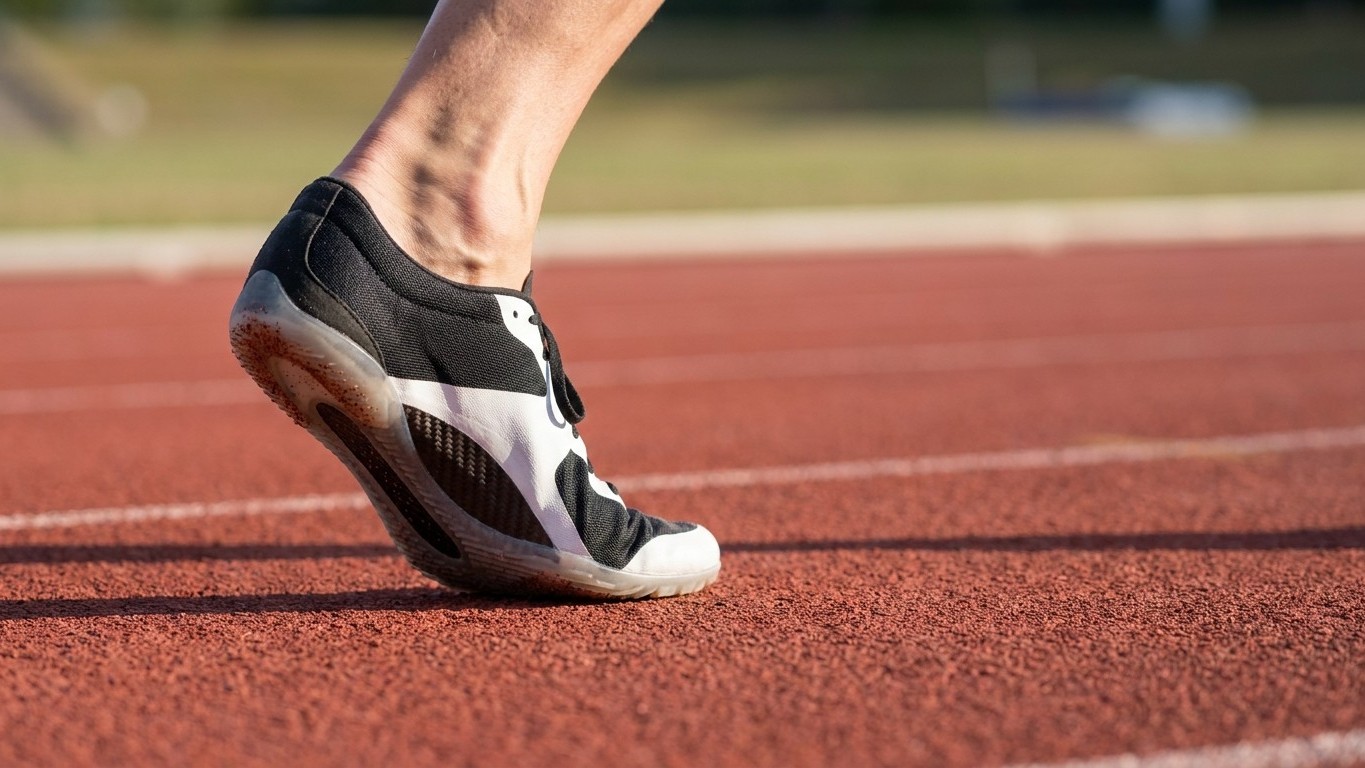
Forget the flexible trainer: since the plate went rigid, one small bone in the arch is taking a hit runners never used to feel

Forget the flexible trainer: since the plate went rigid, one small bone in the arch is taking a hit runners never used to ...

The revolutionary carbon-plated shoes that make runners faster are quietly creating a new injury problem: stress fractures in the navicular bone, a small structure in your arch with notoriously poor blood supply. Sports medicine clinicians are seeing a concerning pattern of cases, but the real risk for recreational runners may be more nuanced than headlines suggest.

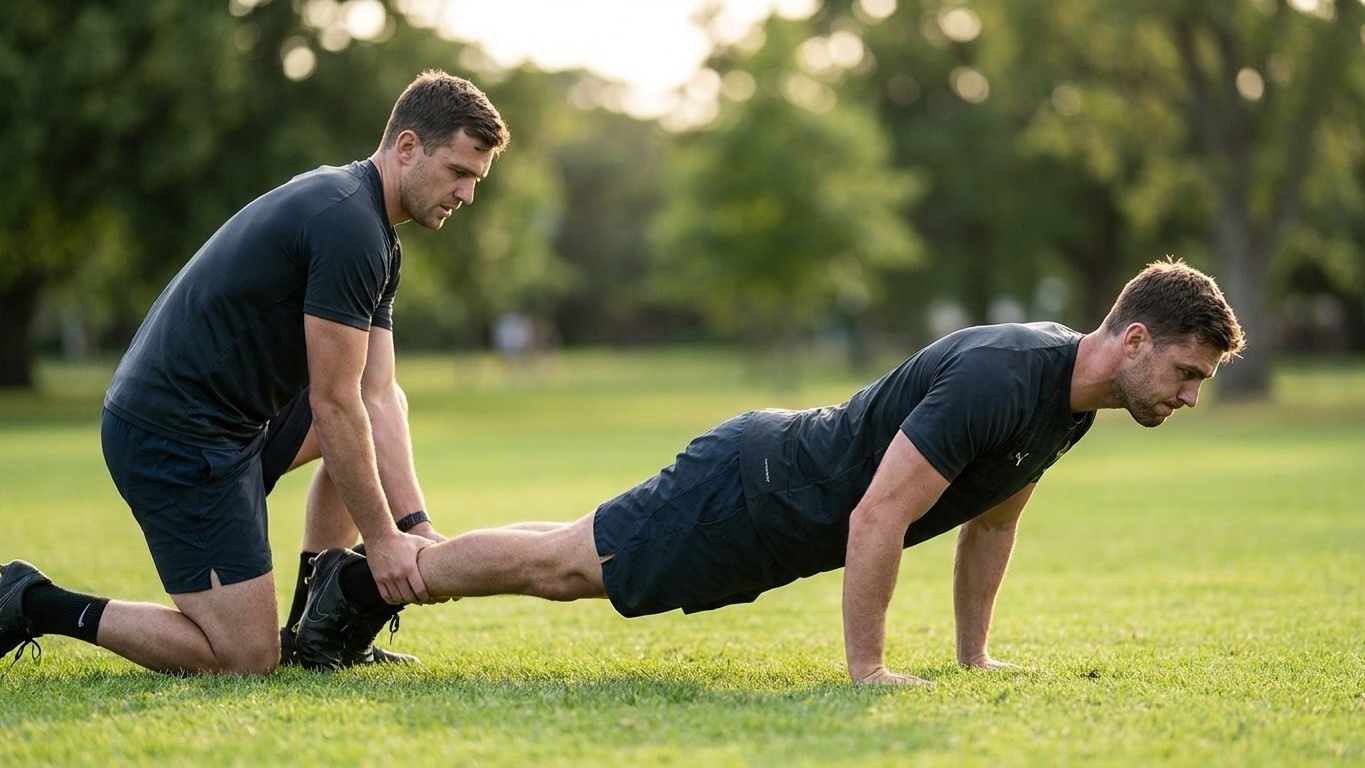
8,459 athletes lined up in one analysis, hamstring tears cut by half: fewer than 11% of clubs actually do the exercise

8,459 athletes lined up in one analysis, hamstring tears cut by half: fewer than 11% of clubs actually do the exercise

A landmark analysis of 8,459 athletes reveals that the Nordic hamstring curl reduces tear risk by 51%—a finding that should have transformed sports medicine. Yet across Europe, fewer than 11% of professional clubs actually implement it consistently. The gap between what research proves and what coaches do reveals uncomfortable truths about athletic culture.

I rested my Achilles for six full weeks just to let the pain settle: on my first run back, I understood what the rest had quietly done to the tendon

I rested my Achilles for six full weeks just to let the pain settle: on my first run back, I understood what the rest had ...

Six weeks of complete rest left one runner’s Achilles weaker than before—a counterintuitive discovery backed by sports medicine science. The key to real recovery isn’t time off the track, but strategic loading and strength benchmarks that most runners ignore.

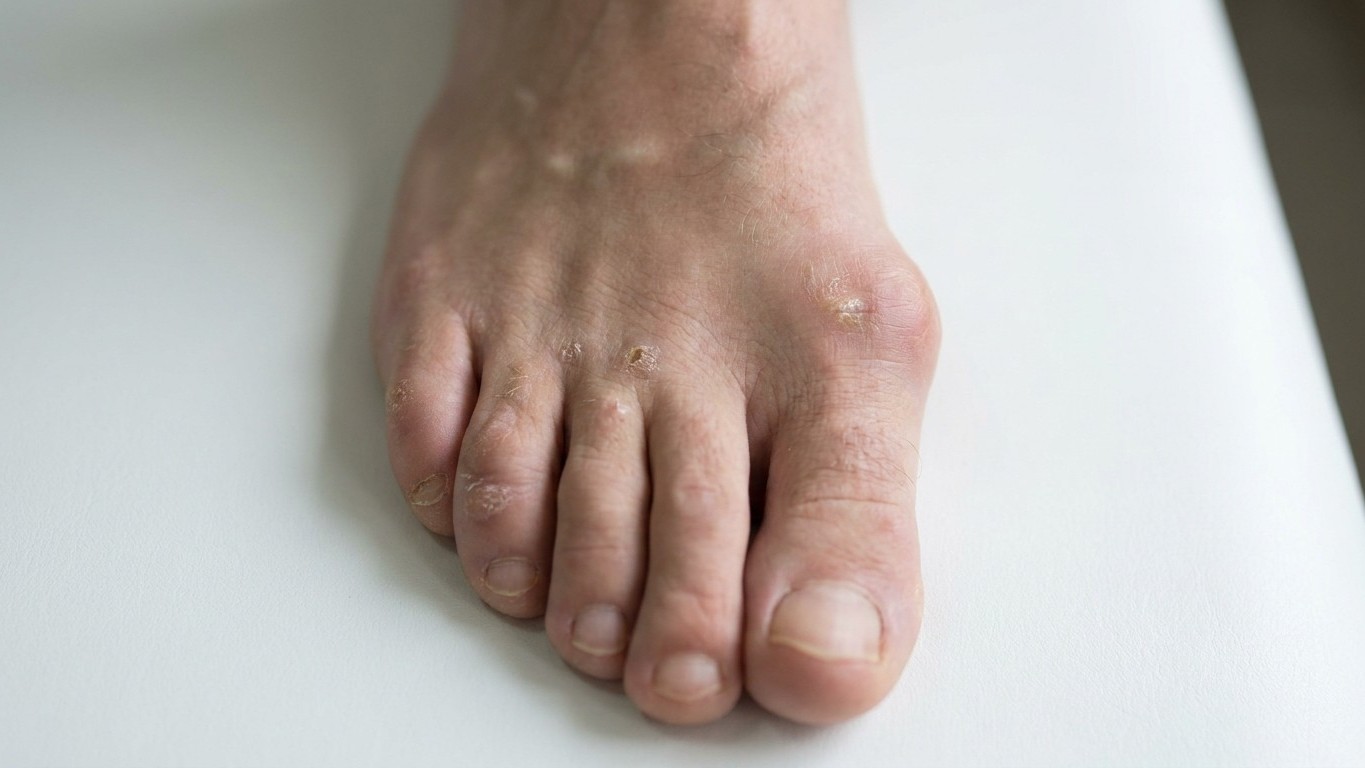
I sized my climbing shoes a full size down just for better edging: two years later, an X-ray showed what my big toe had been doing in there

I sized my climbing shoes a full size down just for better edging: two years later, an X-ray showed what my big toe had be...

A climber’s routine X-ray exposed a shocking truth: downsizing climbing shoes by full sizes accelerates bunion formation at ten times the normal rate. What starts as edging precision becomes permanent joint remodeling, and the specialists treating climbers see it constantly—but most athletes never know until it’s too late.

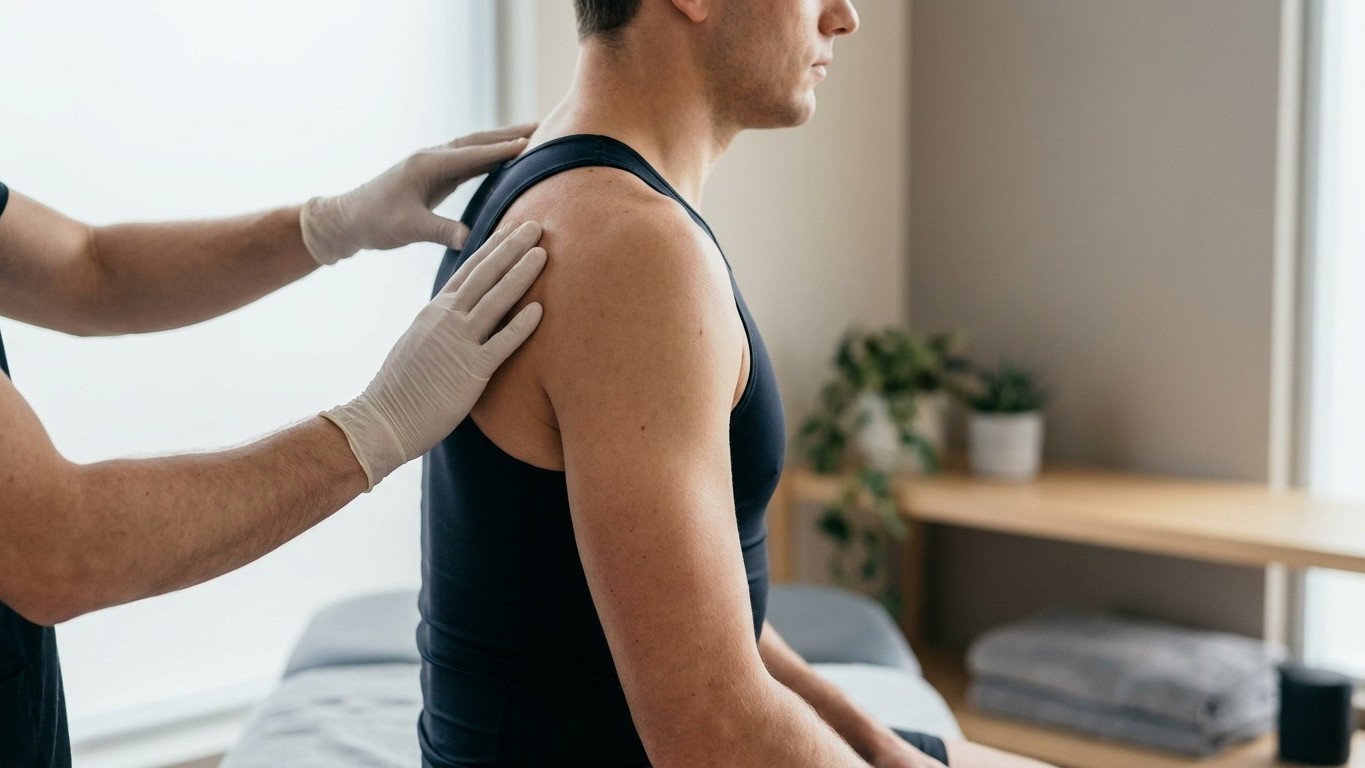
I kept doing shoulder raises with an elastic band for months to fix the pain in my front crawl: a physio showed me I wasn’t working the right muscle at all

I kept doing shoulder raises with an elastic band for months to fix the pain in my front crawl: a physio showed me I wasn'...

You’ve been doing shoulder raises for months, but a physio reveals the real culprit isn’t your deltoid—it’s a chronically underworked muscle wrapped around your ribcage. Find out why classic exercises miss the mark and what movement patterns actually fix swimming shoulder pain.

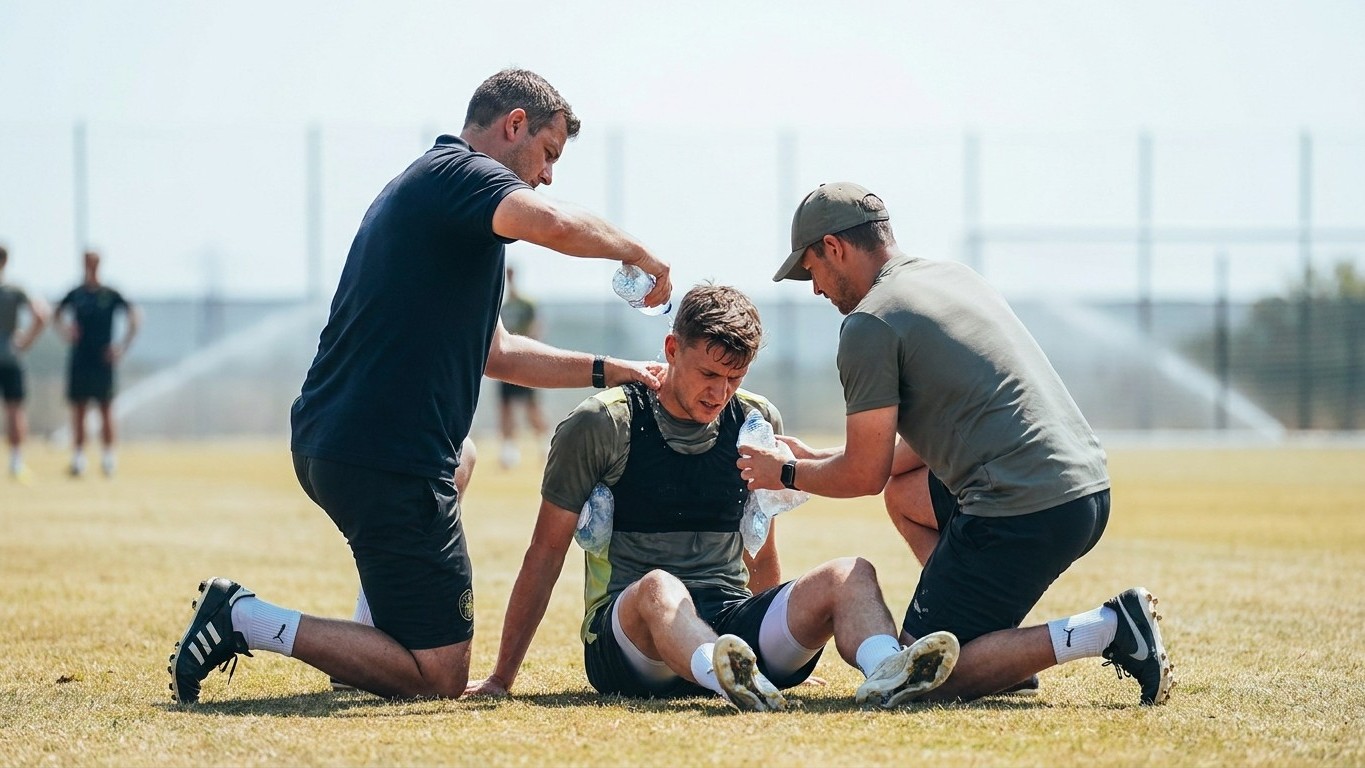
I drove a teammate to A&E myself just to save time: when the doctor explained what happens past 40.5 °C, it was already too late

I drove a teammate to A&E myself just to save time: when the doctor explained what happens past 40.5 °C, it was already to...

A well-intentioned 40-minute drive to hospital turned into a critical lesson about exertional heat stroke. When core temperature exceeds 40.5°C, cellular damage accelerates rapidly — and cooling on the spot, not hospital arrival, determines survival outcomes.

I took an old allergy tablet before training at 29 °C just to stop the sneezing: by the second lap, I understood what my skin had stopped doing

I took an old allergy tablet before training at 29 °C just to stop the sneezing: by the second lap, I understood what my s...

Taking an old antihistamine before training in 29°C heat might silence your sneezing, but it could be quietly shutting down your body’s cooling system. Recent research reveals a surprising twist: the risk may be smaller than decades of advice suggested, yet the danger remains real for certain people.

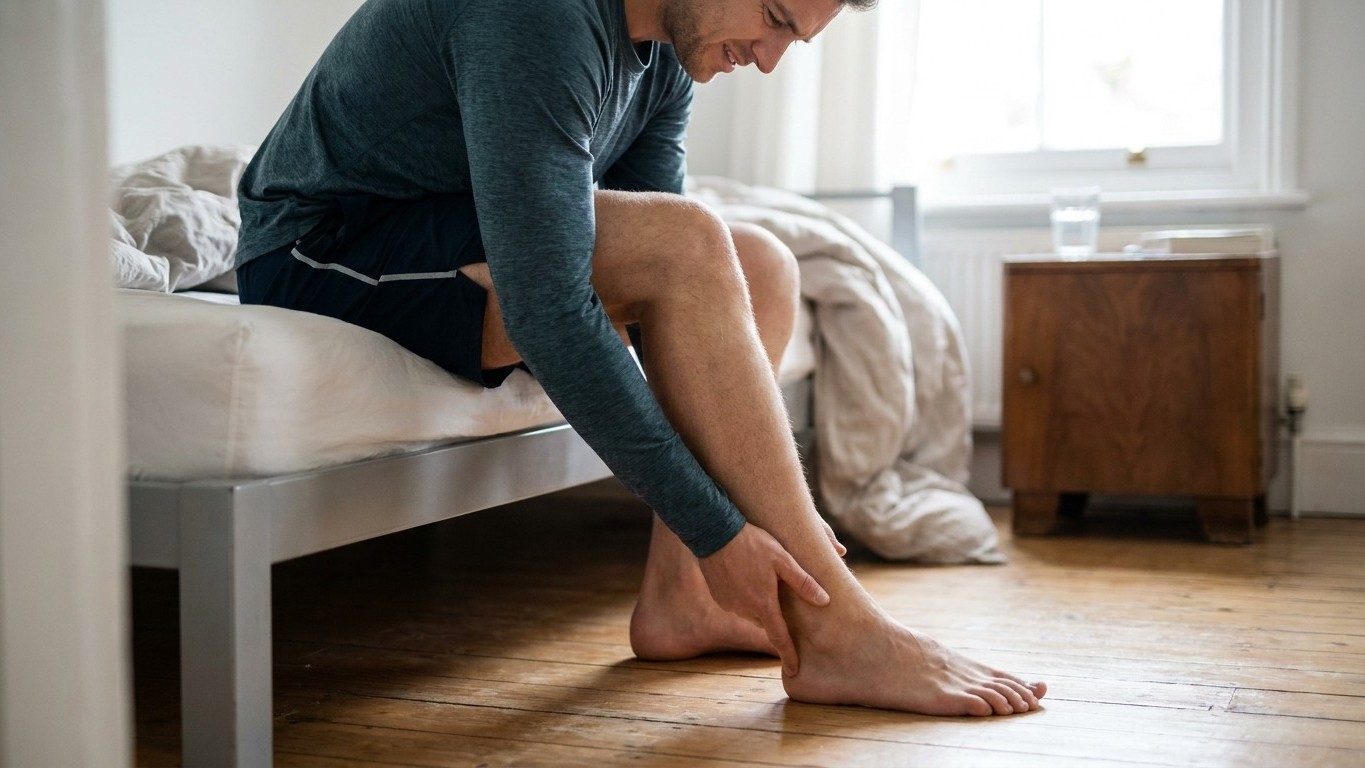
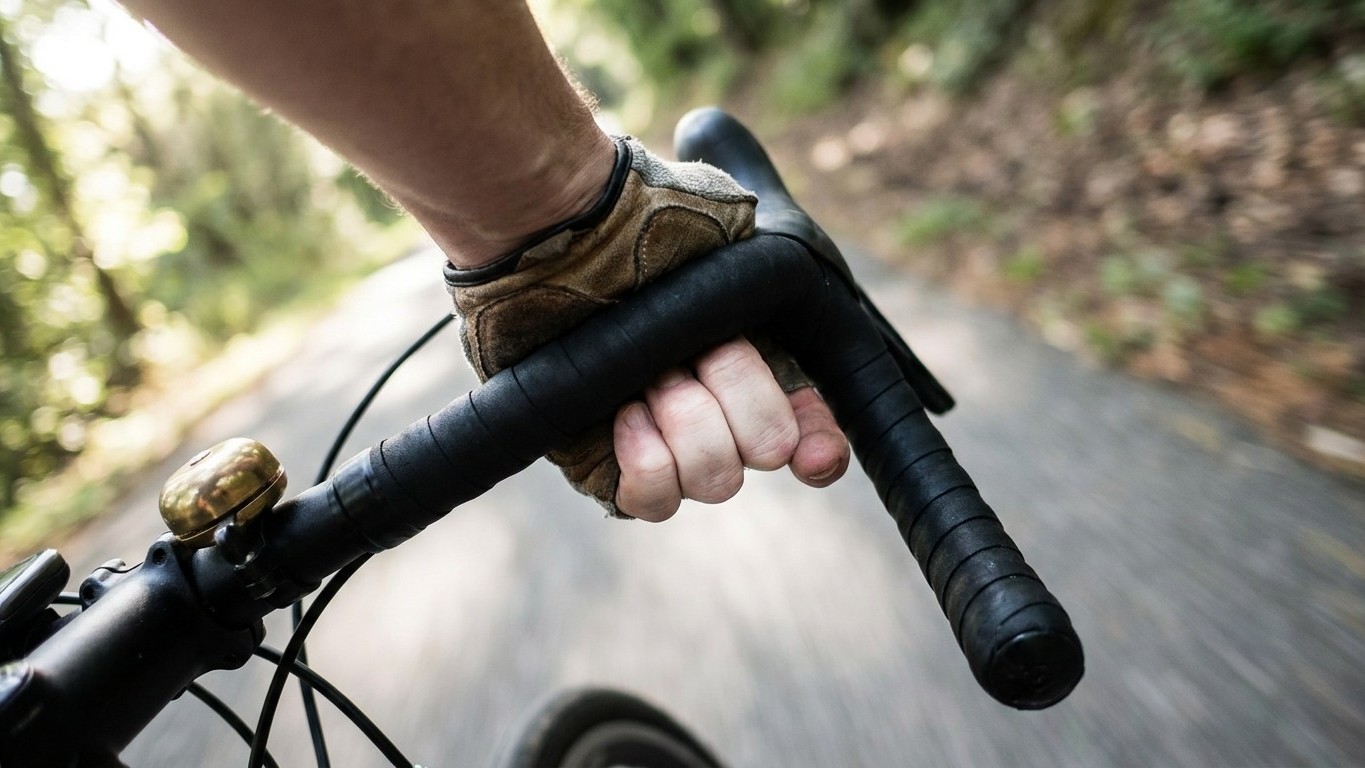
My ring and little fingers had been going numb on every bike ride for months: a doctor showed me I wasn’t adjusting the right part at all

My ring and little fingers had been going numb on every bike ride for months: a doctor showed me I wasn't adjusting the ri...

Cyclist’s palsy feels like a handlebar problem, but doctors rarely find the answer there. A tilted saddle, not grip tape or gloves, is usually the culprit—and one simple adjustment can resolve months of numbness.

I stretched for years to flush out lactic acid after workouts: a sports doctor showed me I wasn’t targeting the real cause at all

I stretched for years to flush out lactic acid after workouts: a sports doctor showed me I wasn't targeting the real cause...

For decades, stretching has been prescribed to flush out lactic acid after workouts—but a sports doctor revealed the real culprit behind muscle soreness is something entirely different. Lactic acid actually clears your bloodstream within an hour, yet soreness lingers for days. The truth involves microscopic muscle tears and your immune system’s repair response.

We all keep blaming lactic acid for sore muscles two days after a workout: this process inside our muscle fibers is the real culprit

We all keep blaming lactic acid for sore muscles two days after a workout: this process inside our muscle fibers is the re...

You’ve been blaming lactic acid for post-workout soreness, but science says you’re wrong. The real culprit is microscopic damage deep inside your muscle fibers, triggered by eccentric movements—and it unfolds through a surprising biological cascade that peaks days later.

The Hidden Danger of Drinking Too Much Water During Exercise: How Over-Hydration Can Flush Out Critical Sodium

The Hidden Danger of Drinking Too Much Water During Exercise: How Over-Hydration Can Flush Out Critical Sodium

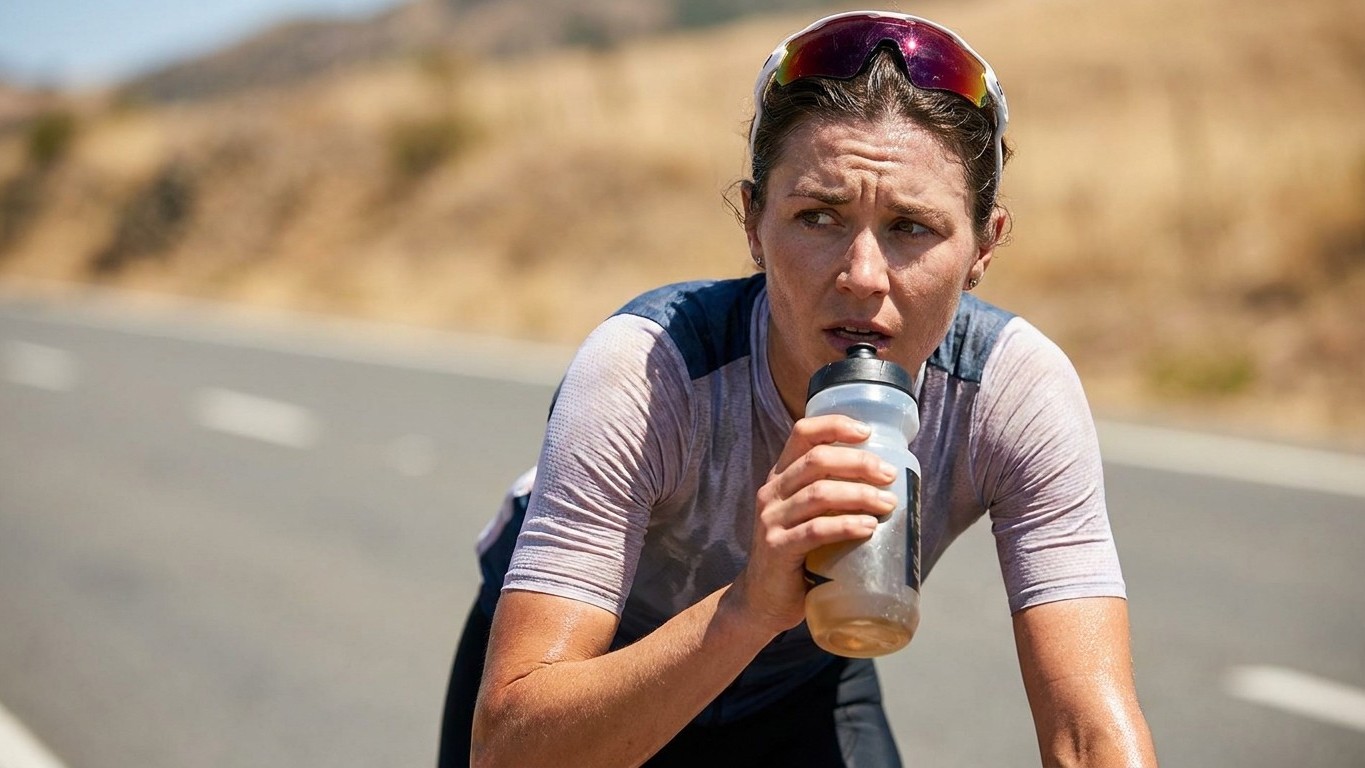
The well-intentioned advice to “drink as much as possible” during exercise can backfire spectacularly in hot weather. Excessive plain water consumption dilutes blood sodium to dangerous levels, a condition called exercise-associated hyponatraemia that affects not just ultramarathoners but casual gym-goers too. Here’s what your body actually needs.