How Many Rest Days a Week Do You Need? A Practical Guide by Training Volume and Goal

I trained five days a week for months and felt worse every Monday. Then I counted my rest days, and the answer surprised me.
I trained five days a week for months and felt worse every Monday. Then I counted my rest days, and the answer surprised me.
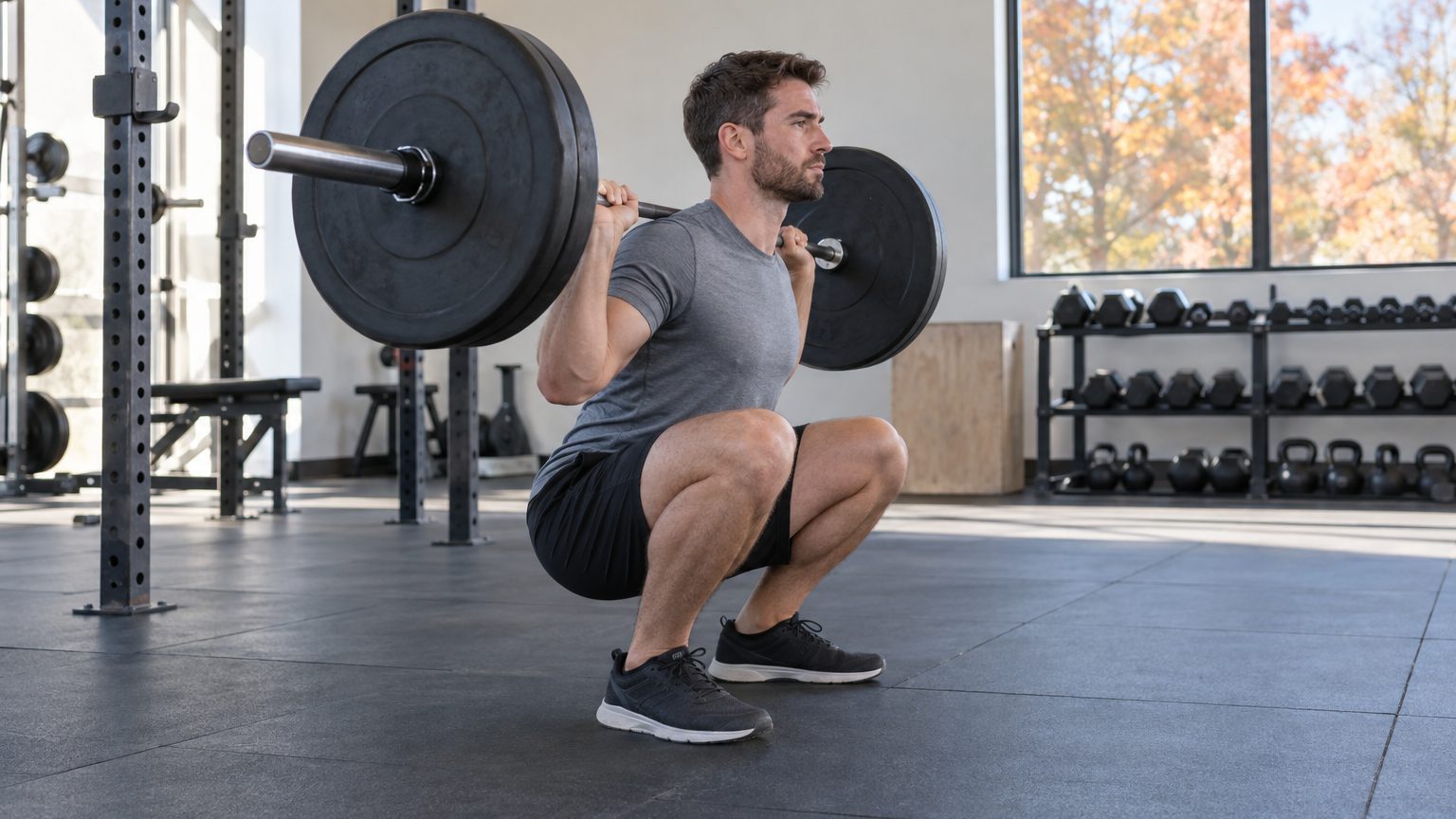
The widespread gym rule that your knees shouldn’t pass your toes during a squat is largely a myth. Research shows that knees traveling forward is a normal, healthy movement—and restricting them often just shifts strain elsewhere. Progressive training and proper ankle mobility matter far more than any hard line.
The order of cardio and weights matters less than gym folklore suggests. What counts is matching the sequence to your goal and keeping your priority session fresh.
Five weekly gym sessions sounds disciplined, but exercise science reveals a sobering truth: most lifters see negligible returns after their third or fourth workout. What actually matters for gains isn’t how many days you train—it’s the total weekly volume and whether each set still delivers results.

That heavier bar wasn’t in your head—holding stretches for a full minute before your session quietly sabotaged your strength. Research shows that static stretches lasting 60 seconds or longer produce a measurable 4 to 16 percent decline in force production, while shorter holds barely register. The fix is simpler than you think.

After four weeks off the gym, one lifter’s legs felt strong again in three weeks—but climbing stairs left them gasping. The reason? Muscle and cardio recover on completely different timelines, and understanding this split explains why most people quit their comeback prematurely.

Twelve weeks of post-workout ice baths seemed to speed recovery, but the research tells a different story. Cold water immersion actually dampens the biological signals that drive muscle growth, cutting hypertrophy gains by up to 15% according to peer-reviewed studies.
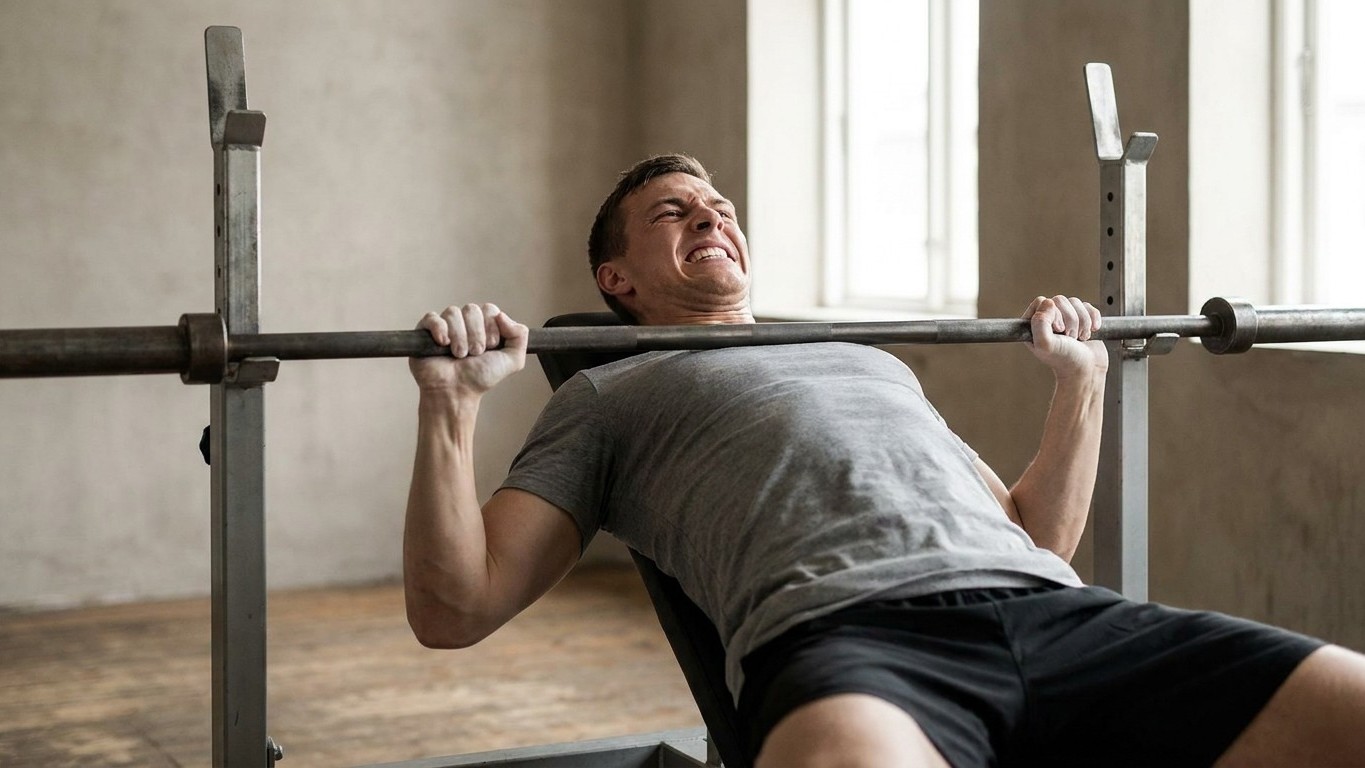
New research reveals that just three focused sets per exercise can deliver the same strength gains as five, according to multiple peer-reviewed studies. The difference? Intensity matters far more than volume when your goal is getting stronger. Cut your gym time by 25 minutes without sacrificing results.
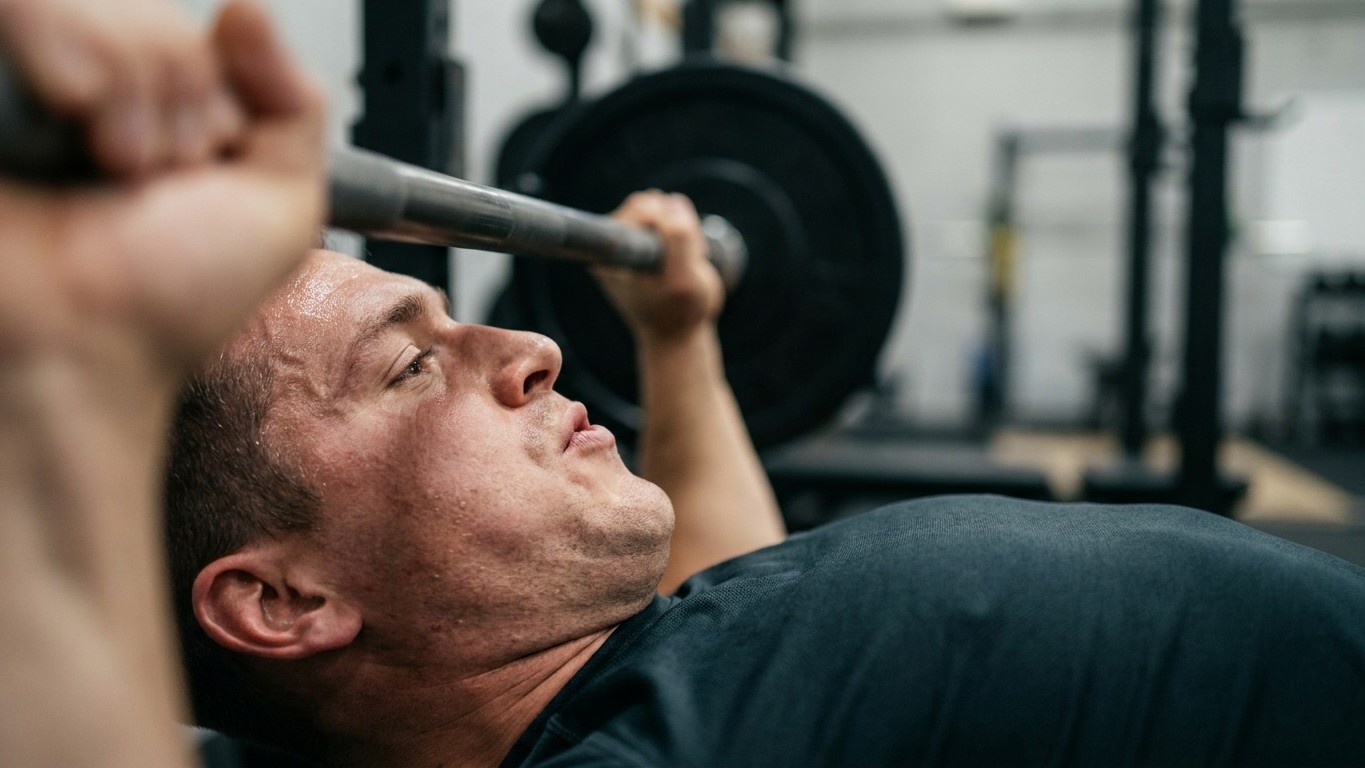
Holding your breath under a heavy bar feels strong, but it sends blood pressure dangerously high—sometimes three to four times resting levels. Research spanning three decades reveals a simple one-second fix: a deliberate exhale at the sticking point. This small breathing adjustment keeps your core stable while protecting your cardiovascular system.

You’ve been blaming the wrong culprit for post-workout soreness. Lactic acid clears your bloodstream within an hour, but your legs still ache three days later. The real damage happens during the eccentric phase—when your muscle lengthens under tension—causing microscopic tears that trigger inflammation and soreness.

Your elevated heart rate during summer gym sessions isn’t a sign of lost strength—it’s cardiovascular drift, a physiological response where your heart works harder to circulate blood as your body prioritizes cooling. Understanding this phenomenon helps you train smarter when temperatures rise.

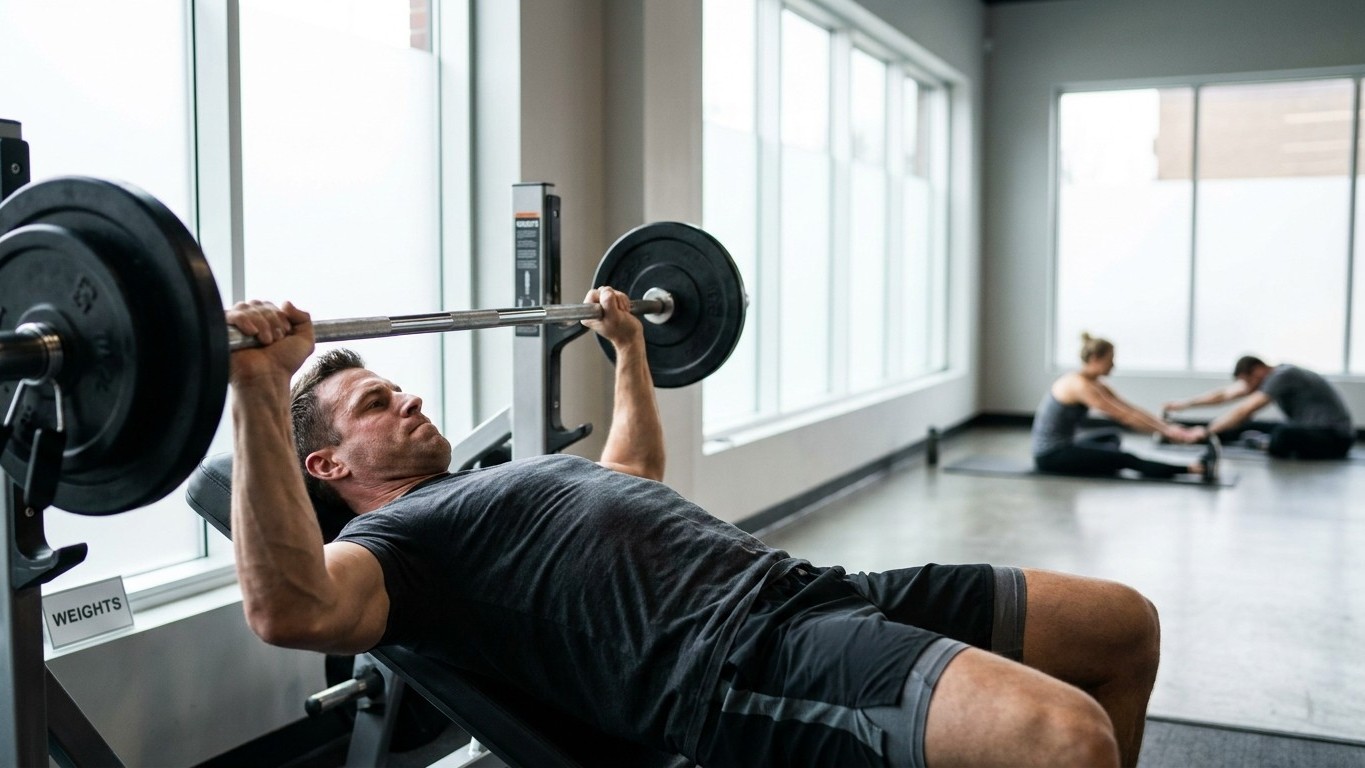
A side-on video revealed subacromial impingement caused by maxed-out elbow flare on bench press. The angle that feels strongest isn’t the safest—and a simple fix keeps your chest engaged without grinding your rotator cuff.