How Long to Taper Before a Marathon: What the Research Says About Duration, Volume Cuts and Intensity

I cut my training by half three weeks out and felt worse, not better. Here is what the research says I should have done instead.
I cut my training by half three weeks out and felt worse, not better. Here is what the research says I should have done instead.
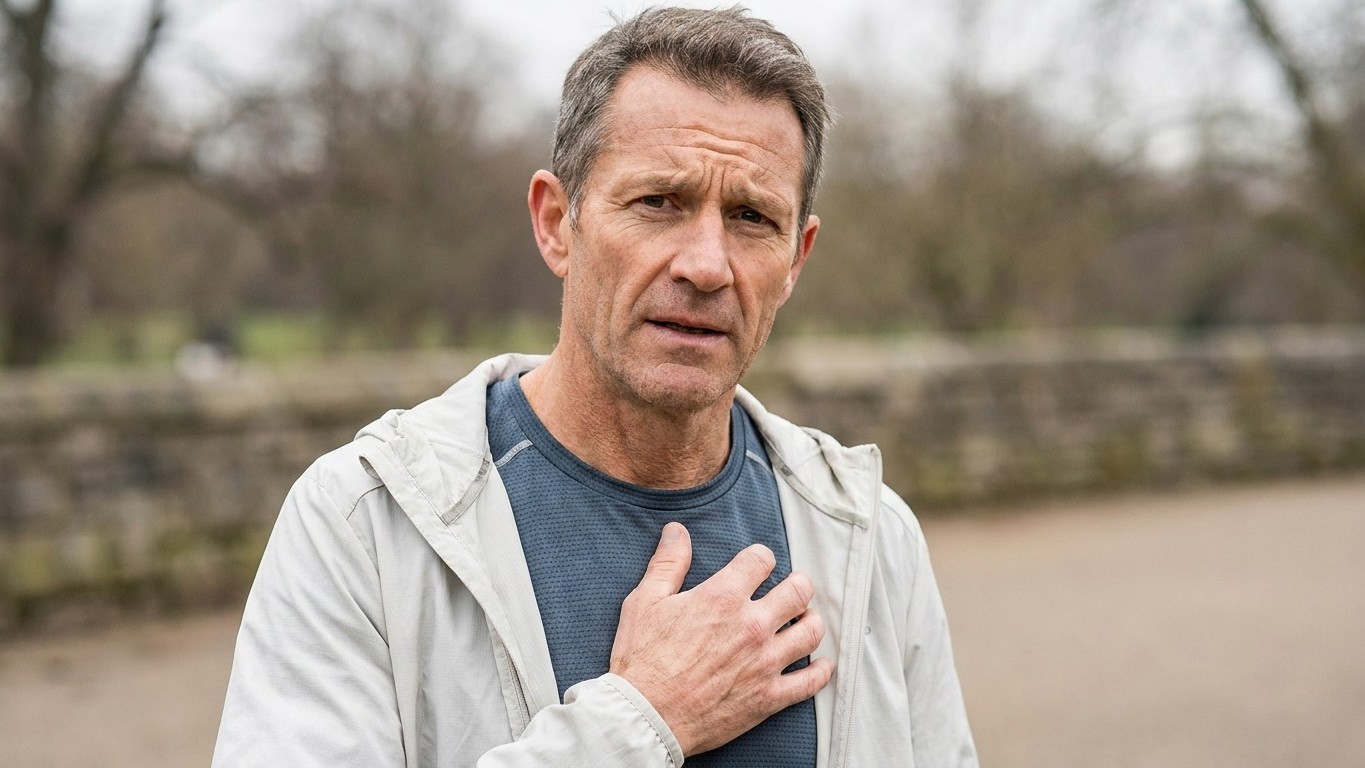
A fit 54-year-old’s routine heart scan revealed an enlarged left atrium—a pattern cardiologists now recognize in lifelong endurance athletes. After two decades of consistent training, the heart adapts in ways that mirror disease. Here’s what the science shows and what you should actually do about it.

Your mouth harbors bacteria that convert dietary nitrate into a powerful performance enhancer, reducing oxygen cost during exercise by 3-5%. But one simple habit—rinsing with antibacterial mouthwash—can disable this natural advantage entirely. Here’s what exercise scientists have learned about protecting this hidden edge.
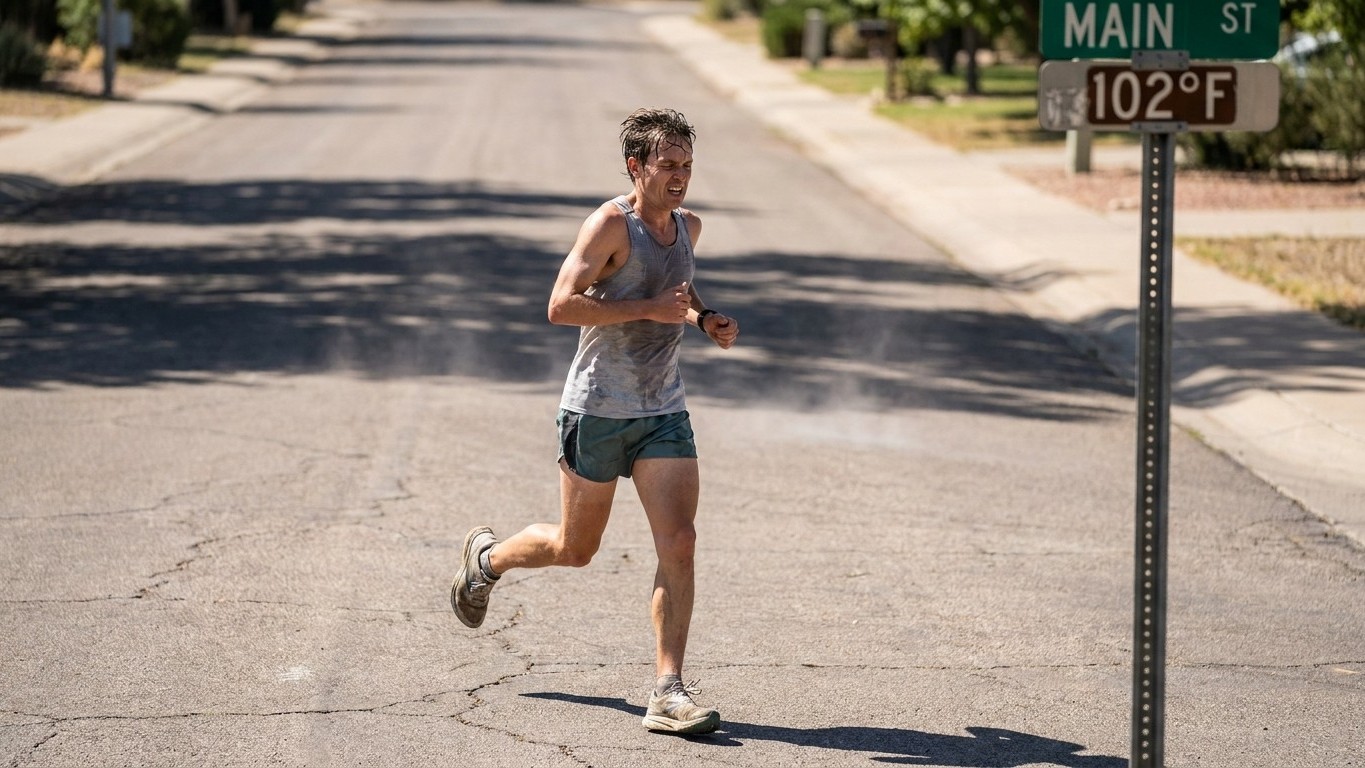
That heavy feeling in your legs on your first hot run isn’t poor sleep or stress—it’s your cardiovascular system struggling to cool and fuel your muscles simultaneously. Understanding heat acclimatization science reveals why 10 to 14 days of gradual exposure matters, and how ignoring this timeline puts you at genuine risk.
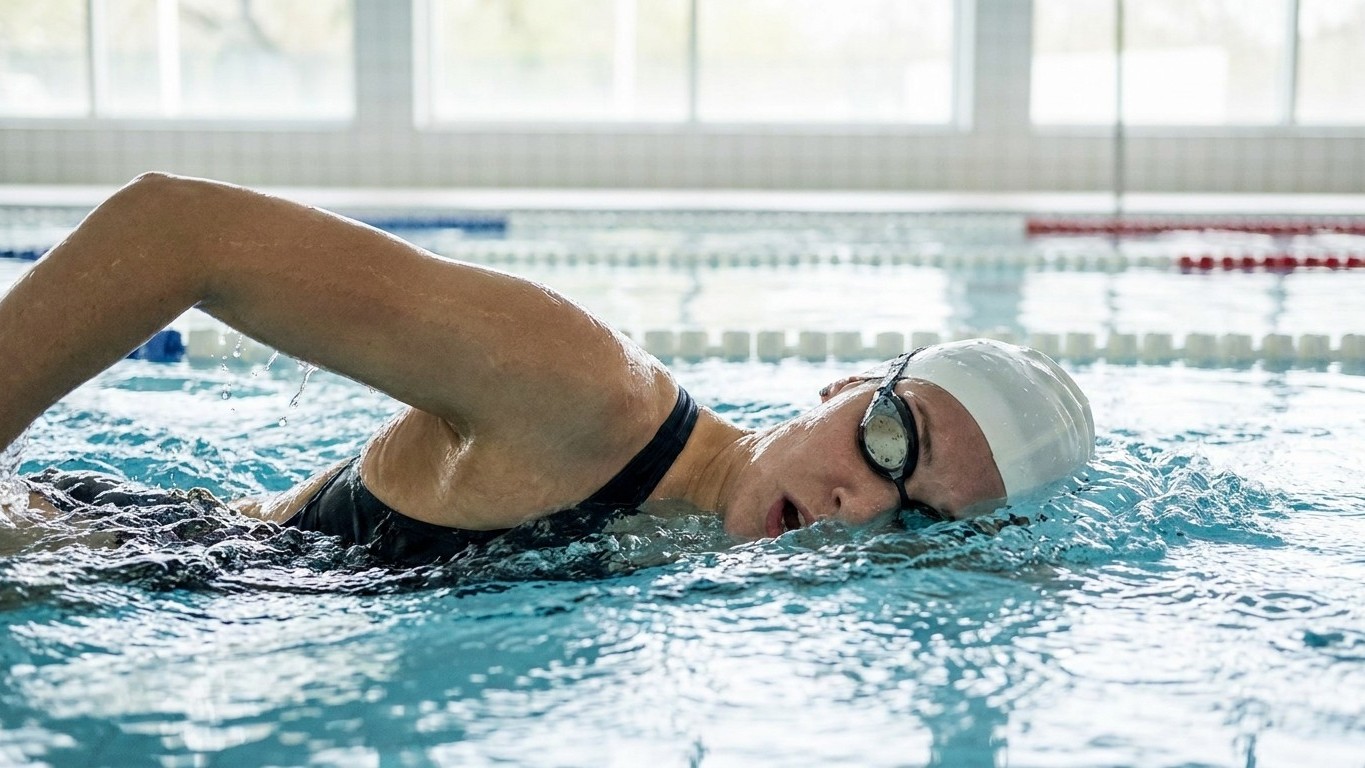
After three years of gasping through ten-minute swims, a coach revealed two subtle mistakes in my technique that were quietly doubling my effort. By fixing my head position and breath control, I went from exhausted in minutes to swimming thirty lengths without crushing fatigue.
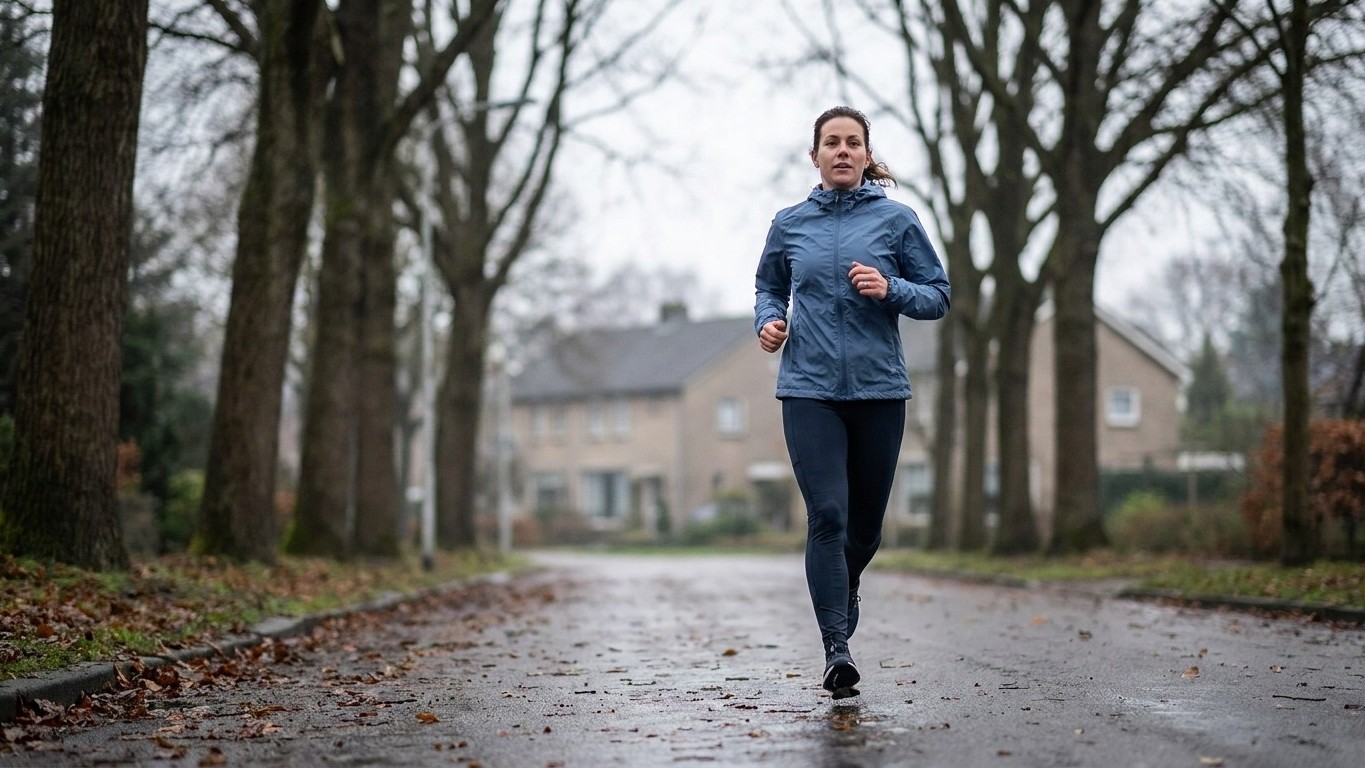
You’ve been running the same loop at the same pace for months, yet you’re no faster. A coach’s four-word observation—”You’re in the grey zone”—reveals why moderate-intensity training is the endurance killer most runners never see coming. The fix is simpler than you think.
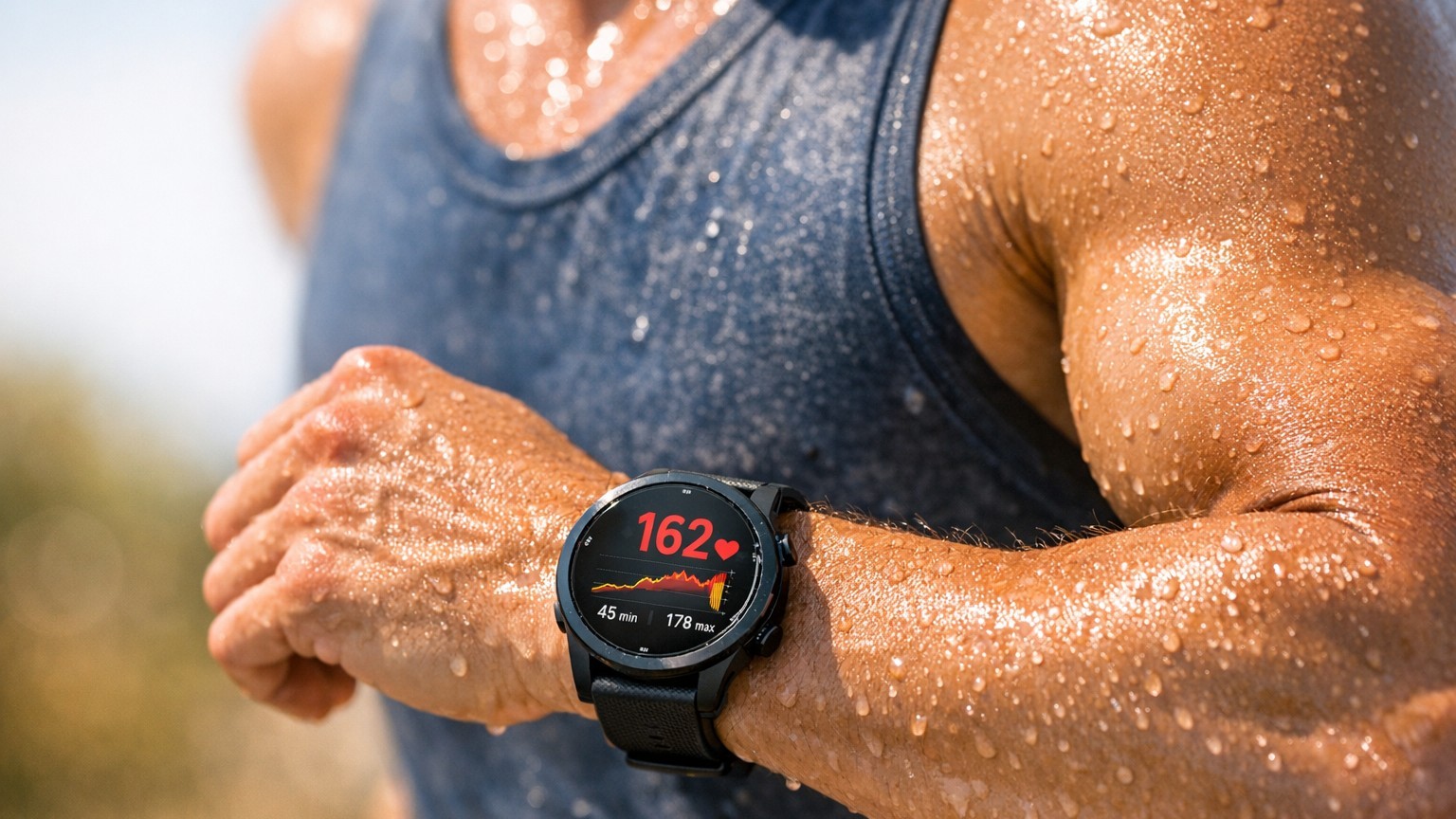
You’ve been training at noon for months, watching your heart rate spike and believing you’re building endurance. But when a coach checked your data, everything changed. What you thought was progress was actually your body struggling against heat—and the difference matters far more than you realize.

Running at dawn to beat summer heat seems logical, but your body’s physiology tells a different story. A coach’s analysis of smartwatch data reveals how peak cortisol, heat stress, and sleep debt quietly accumulate into overtraining syndrome—and why the pattern matters more than any single metric.

At mile 18 of a marathon, a subtle shift in breathing rhythm can restore surprising lightness to your stride. The 3:2 pattern—inhale for three footstrikes, exhale for two—draws from Japanese Zen traditions and modern exercise physiology to reduce fatigue and improve running economy when you need it most.

For years, mouth breathing felt instinctive during runs—until a simple shift to nasal breathing revealed a striking difference in performance and recovery. This isn’t just about breathing harder; it’s about breathing smarter, and the science behind it might change how you train forever.
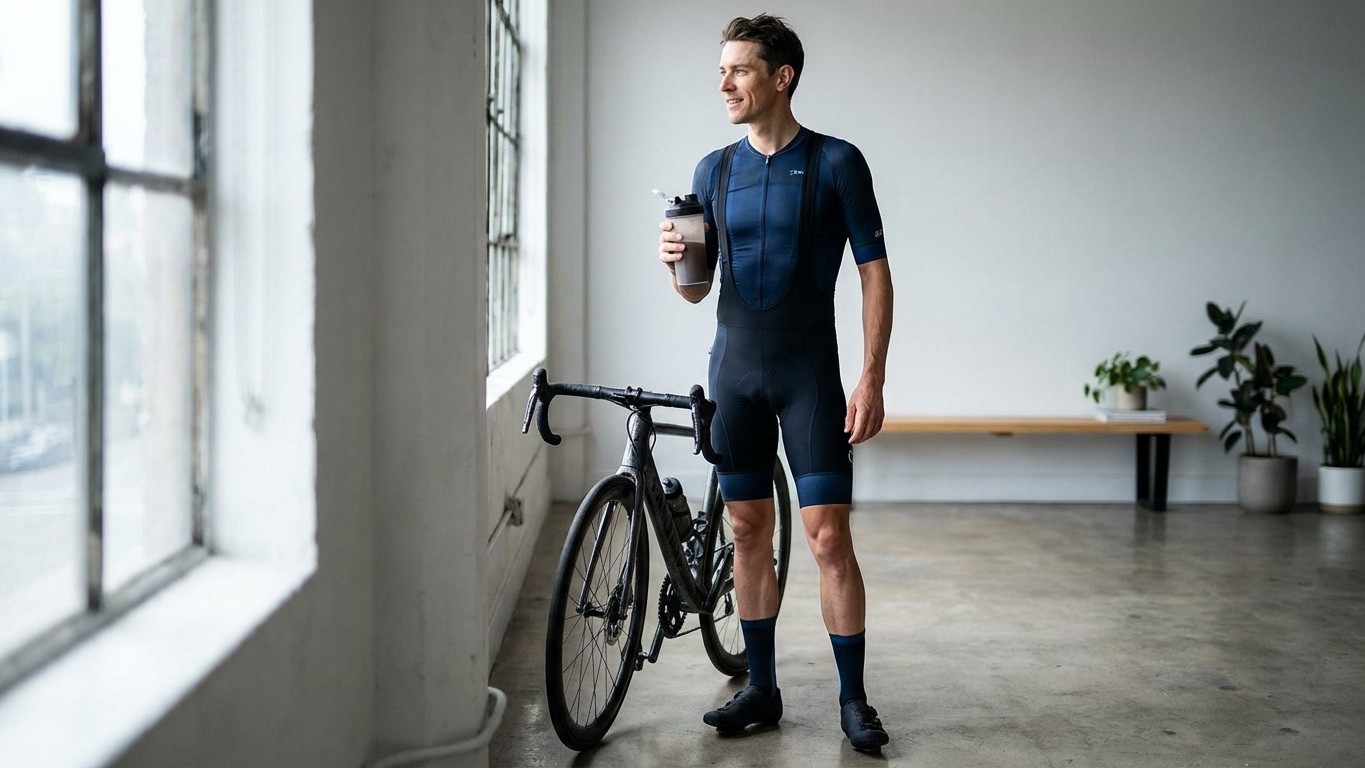
Professional cyclists treat recovery as seriously as training itself, following meticulous protocols that dramatically accelerate fitness gains. From contrast therapy and strategic nutrition timing to optimized sleep and active recovery, these proven strategies can revolutionize your own cycling performance—without requiring a professional support team.