
Is It Bad to Run Every Day? What Injury Data Says About Frequency Versus Load

I laced up every single morning for a year and waited for my body to fall apart. It never did, but the reason surprised me.
I laced up every single morning for a year and waited for my body to fall apart. It never did, but the reason surprised me.
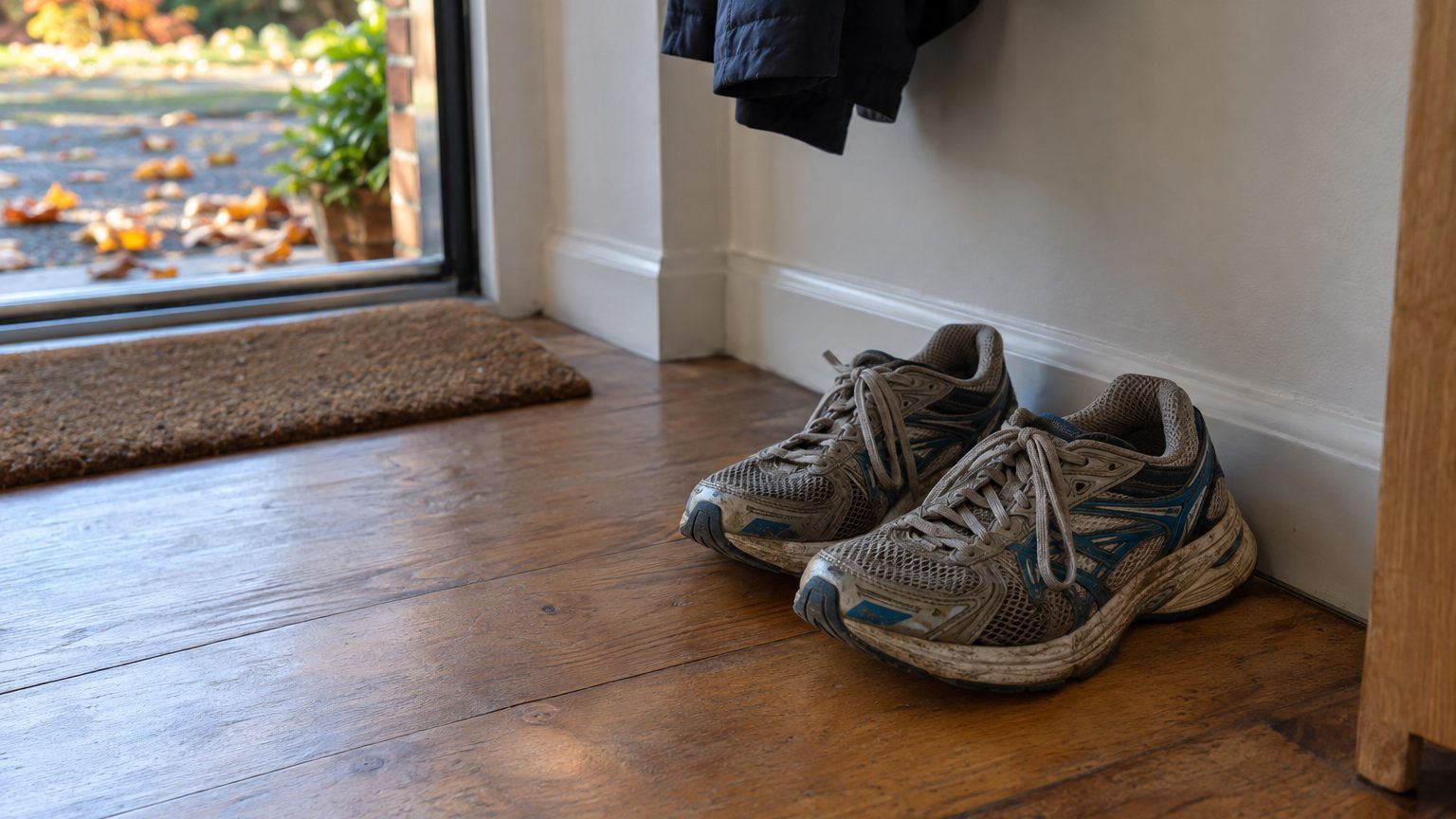
I trusted the 500-mile number for years, until a pair I had retired early felt better than the new ones I bought. The shoe had been telling me something the odometer never could.

The ache in my shin always faded once I warmed up, so I kept running. Then one morning I could barely walk to the kettle, and I started to wonder what I had been ignoring.

The revolutionary carbon-plated shoes that make runners faster are quietly creating a new injury problem: stress fractures in the navicular bone, a small structure in your arch with notoriously poor blood supply. Sports medicine clinicians are seeing a concerning pattern of cases, but the real risk for recreational runners may be more nuanced than headlines suggest.
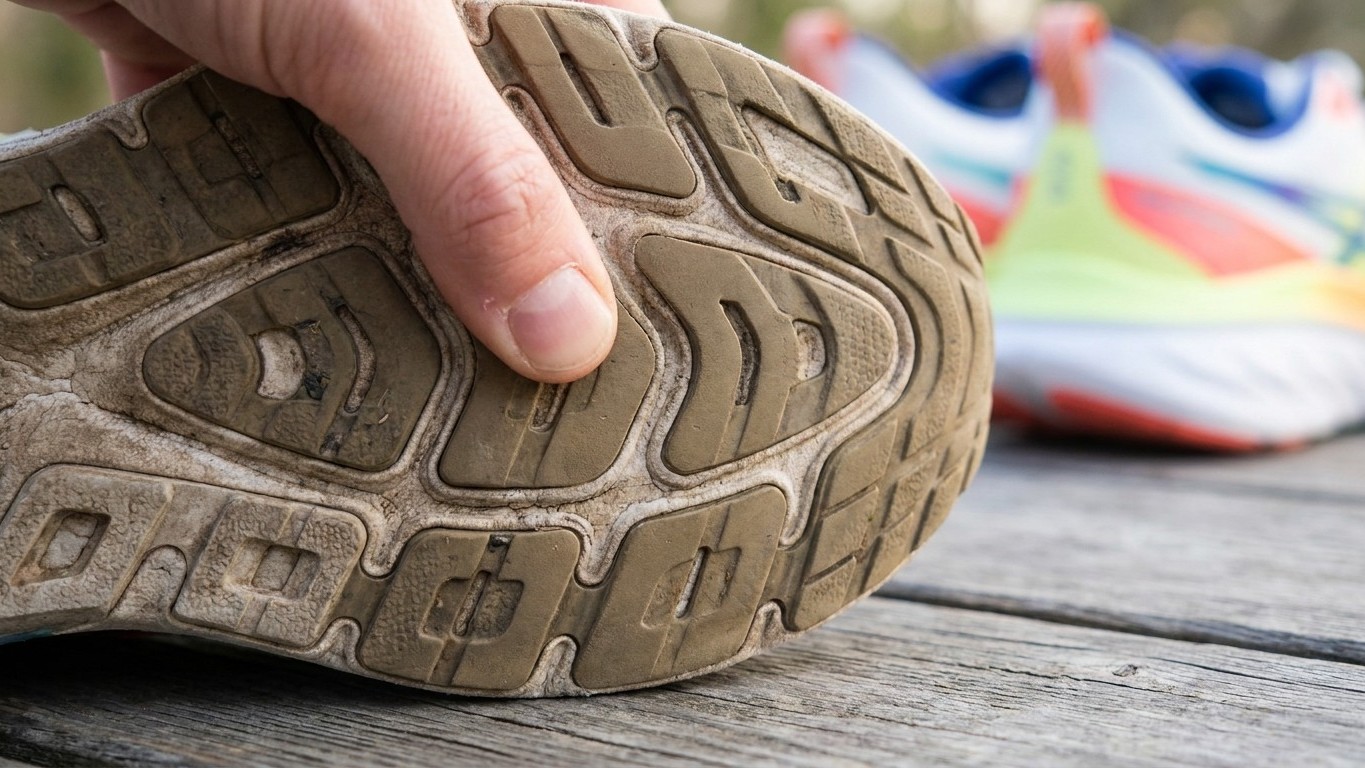
Your running shoes can look perfectly fine while their cushioning silently crumbles inside, transferring dangerous impact forces straight to your shins. One Tuesday morning run exposed the truth: the outsole is the worst indicator of a dead shoe. Here’s what to check instead.

Forget planks and generic core work. A graded, 10-week pelvic floor training programme has the strongest clinical evidence for stopping exercise-induced leaks, with research showing that frequency and progressive overload matter more than intensity. Here’s the exact structure trials have tested.

A runner’s ambitious September comeback plan resulted in a stress fracture six weeks later. What started as a dull shin ache escalated into a fingernail-sized fracture line—but the warning signs were there all along, misread as normal post-break soreness.

That unused eyelet at the top of your running shoe isn’t decorative—it’s a heel lock designed to prevent your foot sliding forward and your toenails turning black. Most runners never use it, which explains why black toenails are so common after long runs and hikes. The fix is surprisingly simple once you know the technique.

You’ve been chasing the wrong fix. While overstriding looks like a foot problem, physiotherapists now know the real culprit lives higher up—in your hips and cadence. Adjusting these two factors can reduce impact forces by up to 20% without changing your shoes or forcing an unnatural stride.

Every spring, millions of runners dismiss persistent aches as normal training soreness — but in 80% of cases, these warning signals precede serious injury. Your body is sending coded messages weeks before something tears. Here’s how to decode them before it’s too late.

That post-run lower back ache isn’t a hamstring problem—it’s your hip flexors. After months of winter inactivity and desk sitting, these crucial muscles forget how to fully extend, creating a domino effect of pain. Learn the dynamic stretches and strengthening moves that actually work.