A 20% walking pace drop while talking may signal early dementia

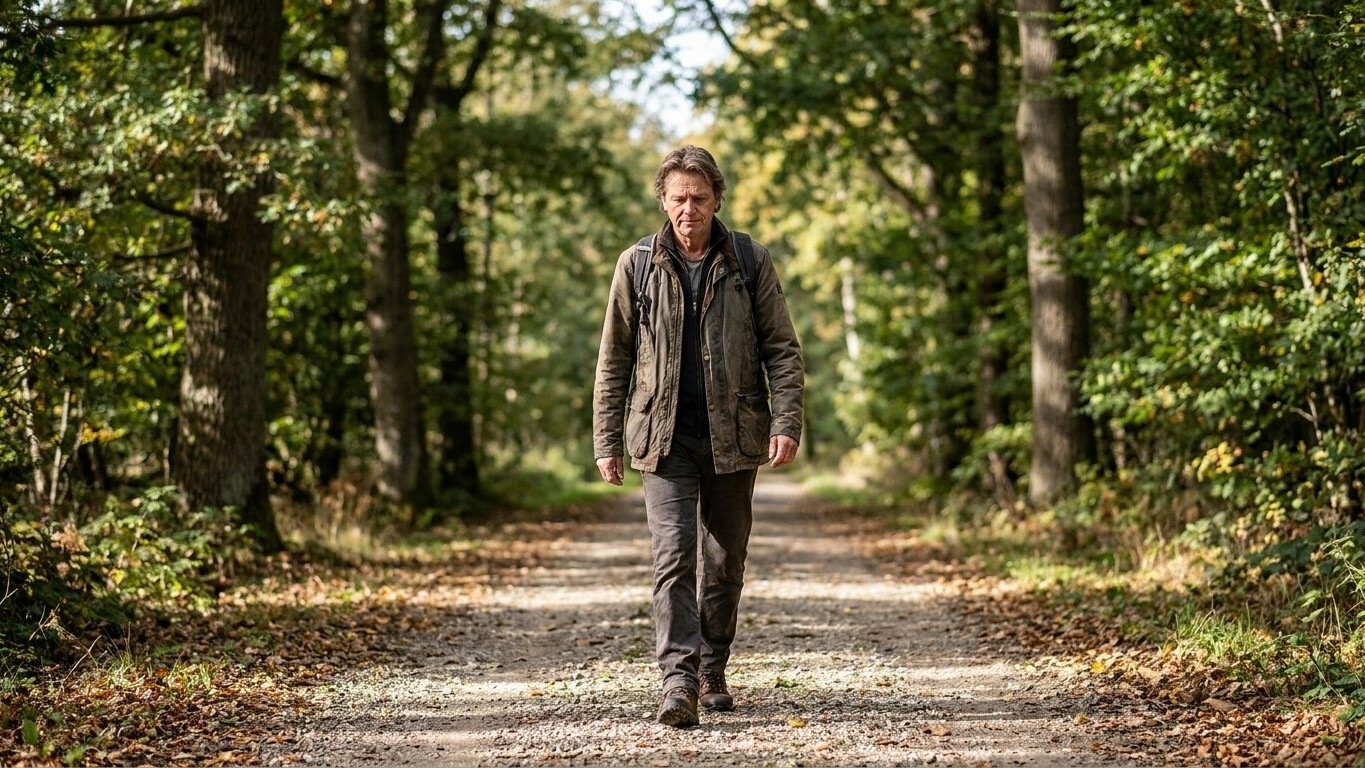
'My husband says I go quiet the moment we start walking': the 20% drop in pace that shows up years before memory tests turn

When you fall silent mid-stride, your brain might be sending an urgent signal. Researchers have discovered that a 20% drop in walking pace during conversation can predict dementia risk years before standard memory tests show any problem—and the combination of gait and memory decline increases dementia risk sixfold.

Why Stair Climbing Beats Walking for Thigh Strength After 80

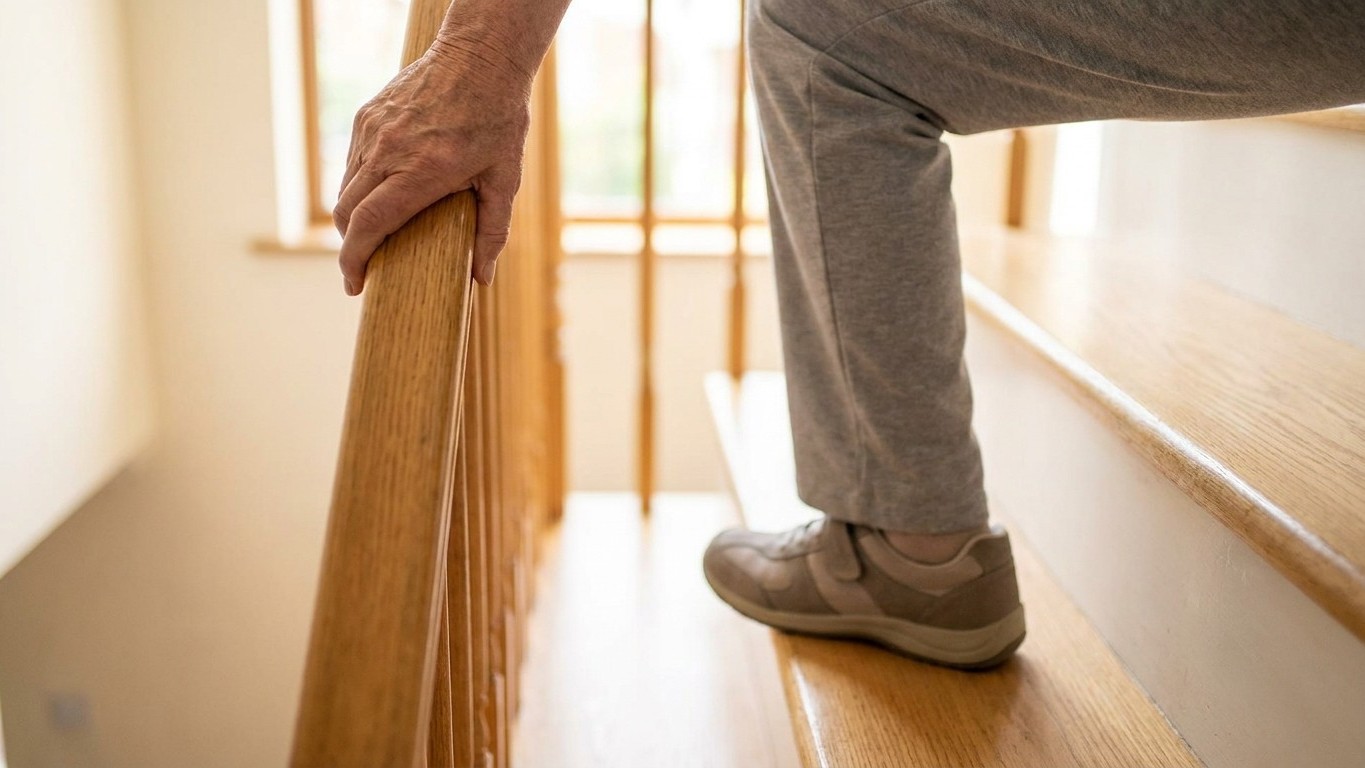
It's over for the flat 30-minute walk after 80: this everyday chore holds the thighs together far better than jogging

A leisurely flat walk may feel healthy, but it’s doing almost nothing for the thigh muscles that keep you independent after 80. Research reveals that a ten-minute stair routine—especially descending—builds leg strength 34 times faster than traditional exercise, with striking benefits for balance and bone density.

The Four-Metre Walk Test Geriatricians Use After 60

Time yourself walking the length of your hallway at your normal pace: it's the test geriatricians run first after 60

A simple five-second walk down your hallway can reveal more about your health than you might expect. Geriatricians worldwide use gait speed—the time it takes to walk a short distance—as their first assessment tool for adults over 60, and research shows it’s a more accurate predictor of life expectancy than age itself.

What Grip Strength Reveals About Memory and Reaction Time

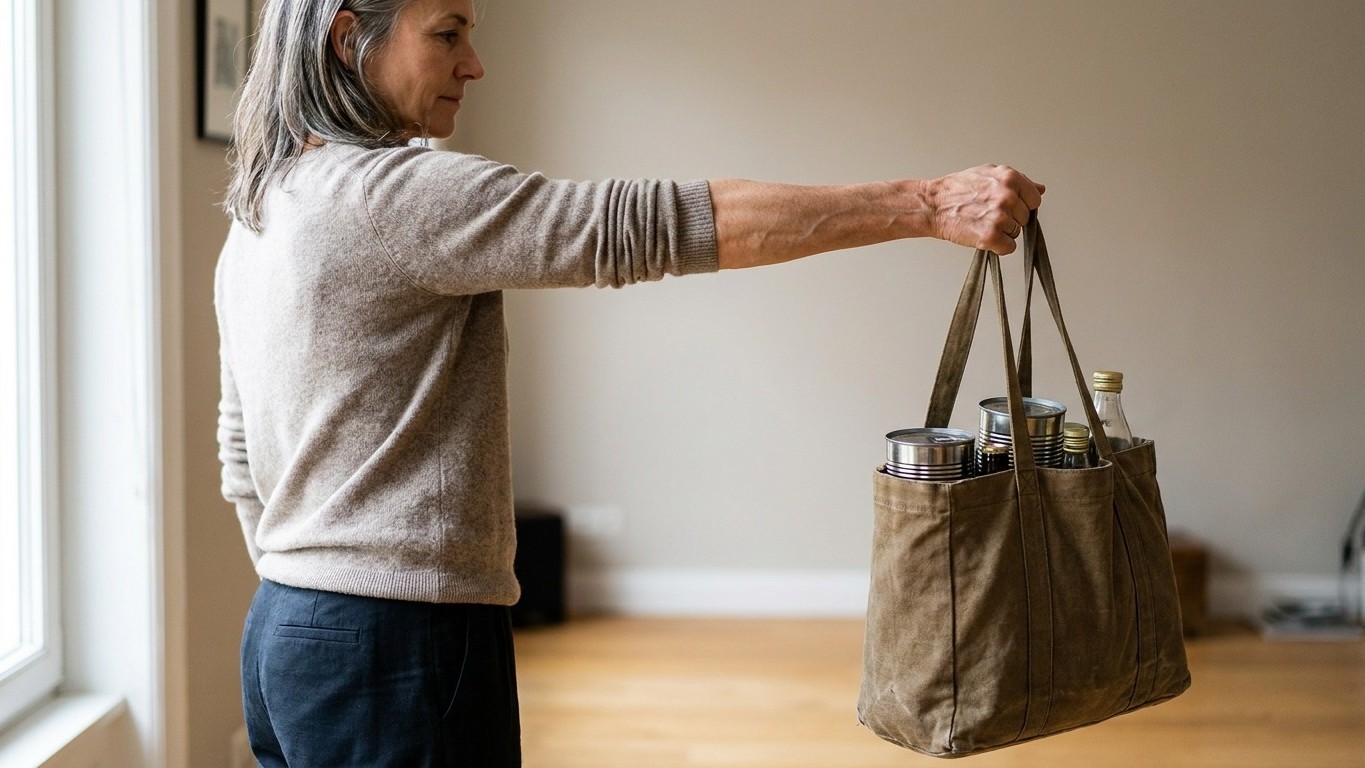
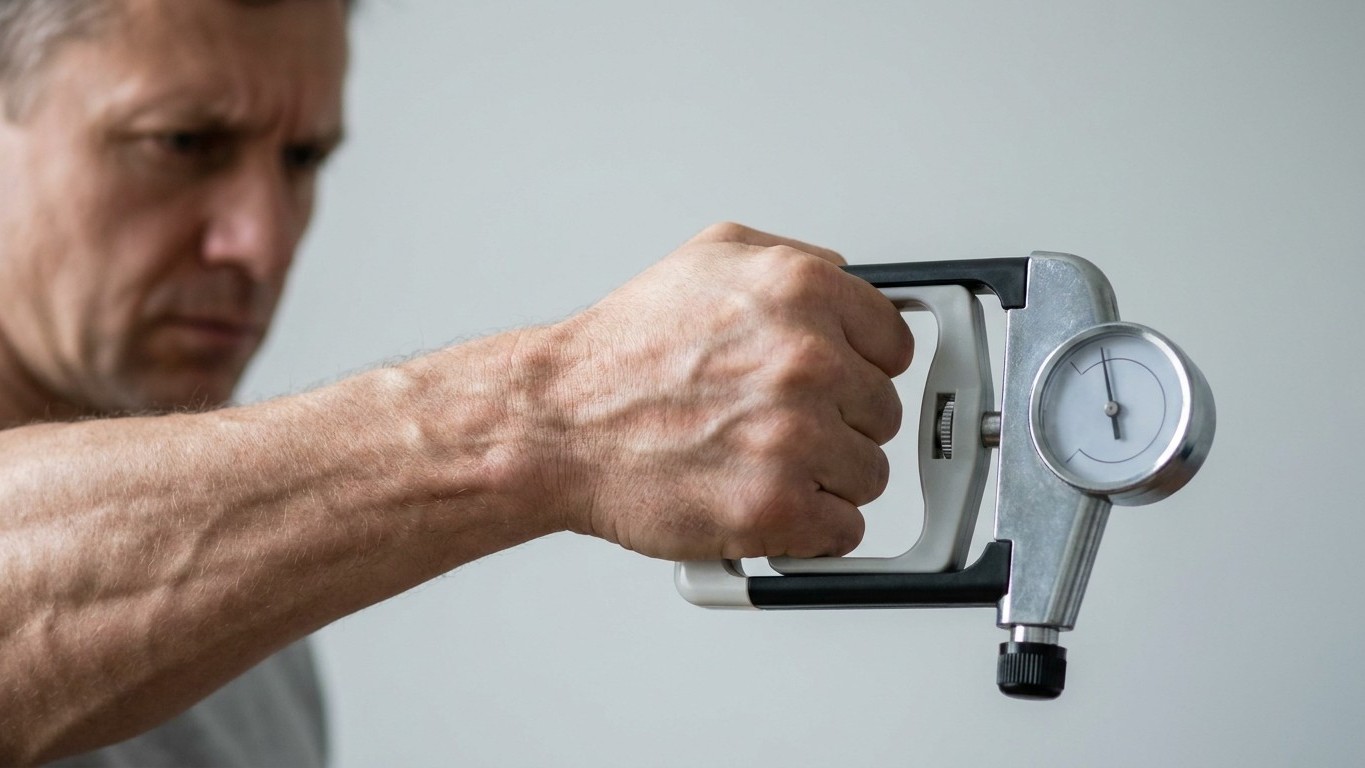
475,000 adults squeezed a handle in a lab: the weakest hands scored worst on tests that had nothing to do with muscle

A landmark study of nearly half a million adults found that grip strength is a surprisingly accurate predictor of cognitive performance—memory, reasoning, and reaction time all correlate strongly with how hard you can squeeze. Researchers discovered this connection isn’t about causation but shared biology: the brain regions controlling fine motor movement overlap with those managing memory and processing speed.

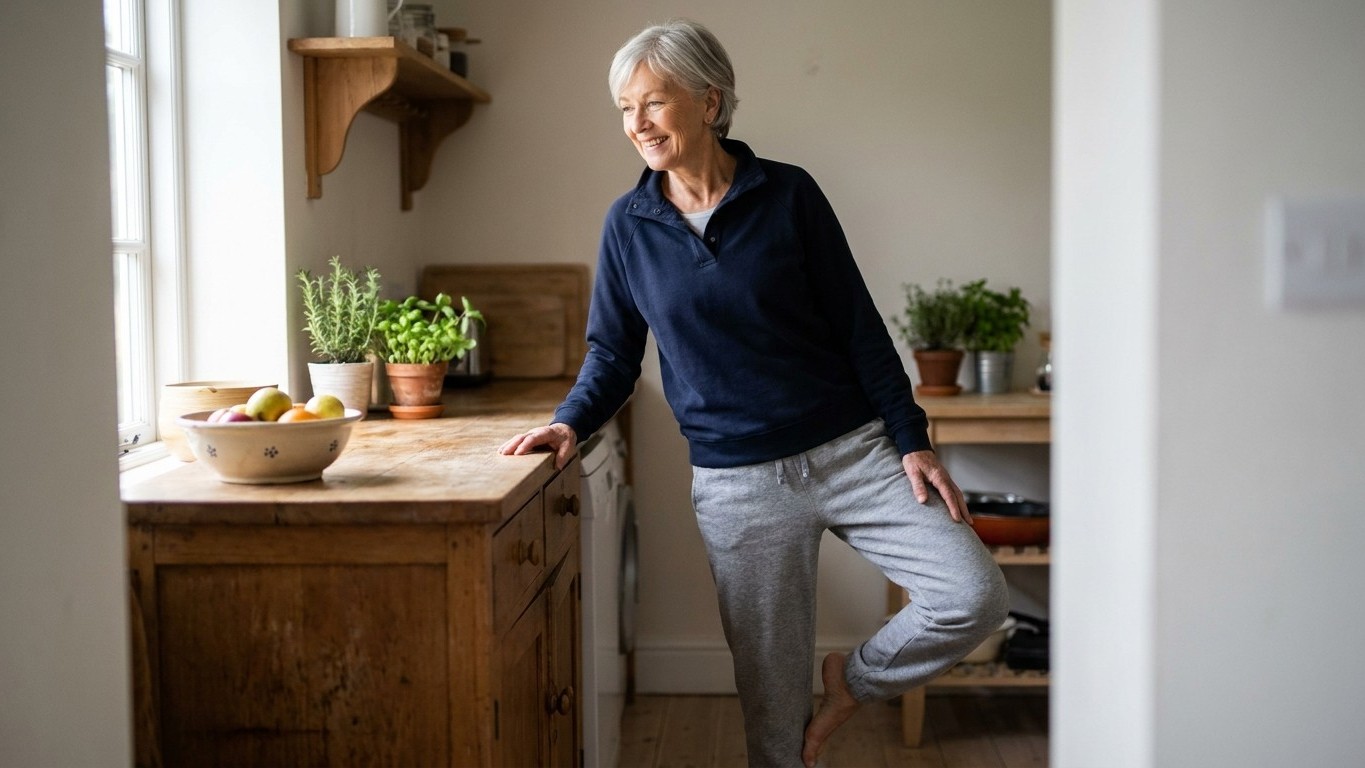
Failing a 10-second single-leg stance at 54 and what it signals

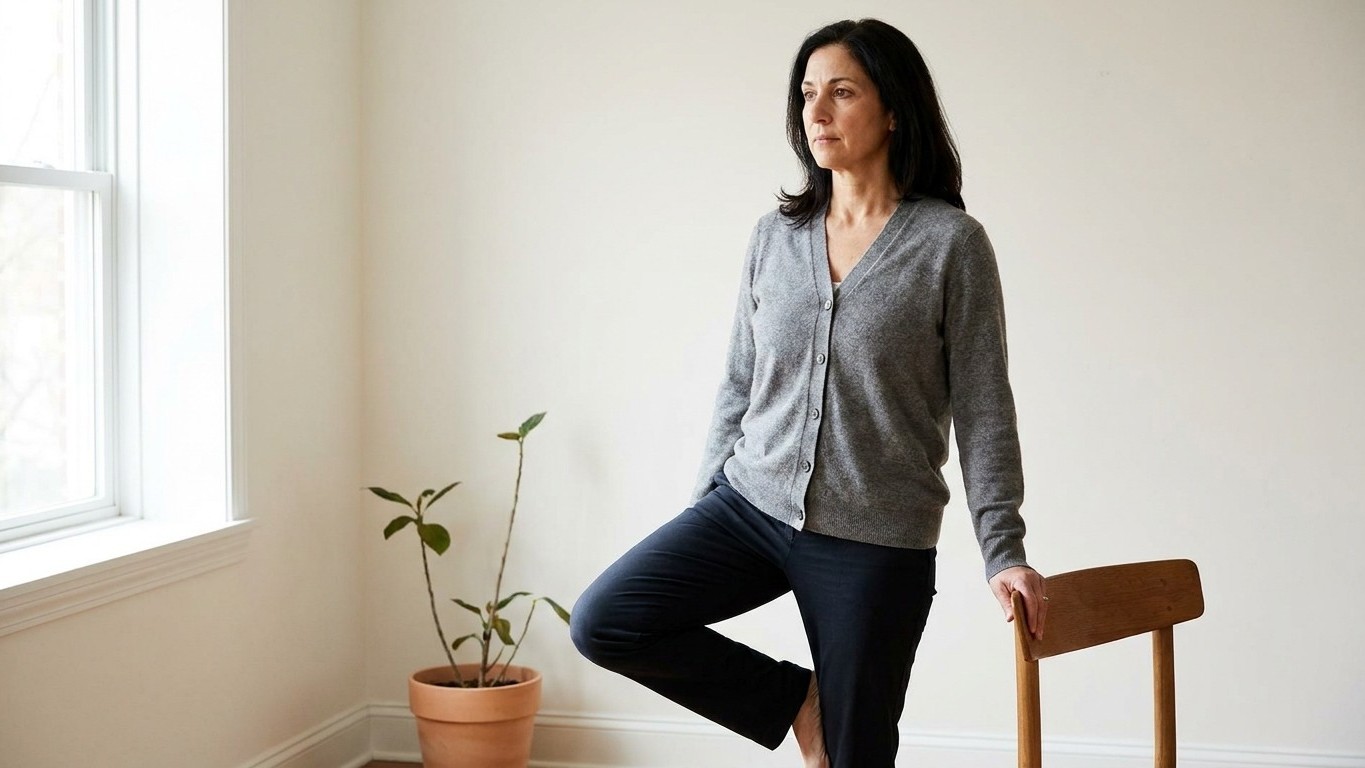
I timed myself standing on one leg just to prove a point: at 54 I never reached ten seconds and I understood what no check...

A Brazilian study of 1,702 adults revealed that failing a simple 10-second single-leg stance test was linked to an 84% higher mortality risk within a decade. Unlike fitness metrics that decline gradually, balance drops sharply after age 60—often without you noticing. The uncomfortable truth: you could be fit on paper and still be biologically older than your years.

Can walking three times a week improve memory in older adults?

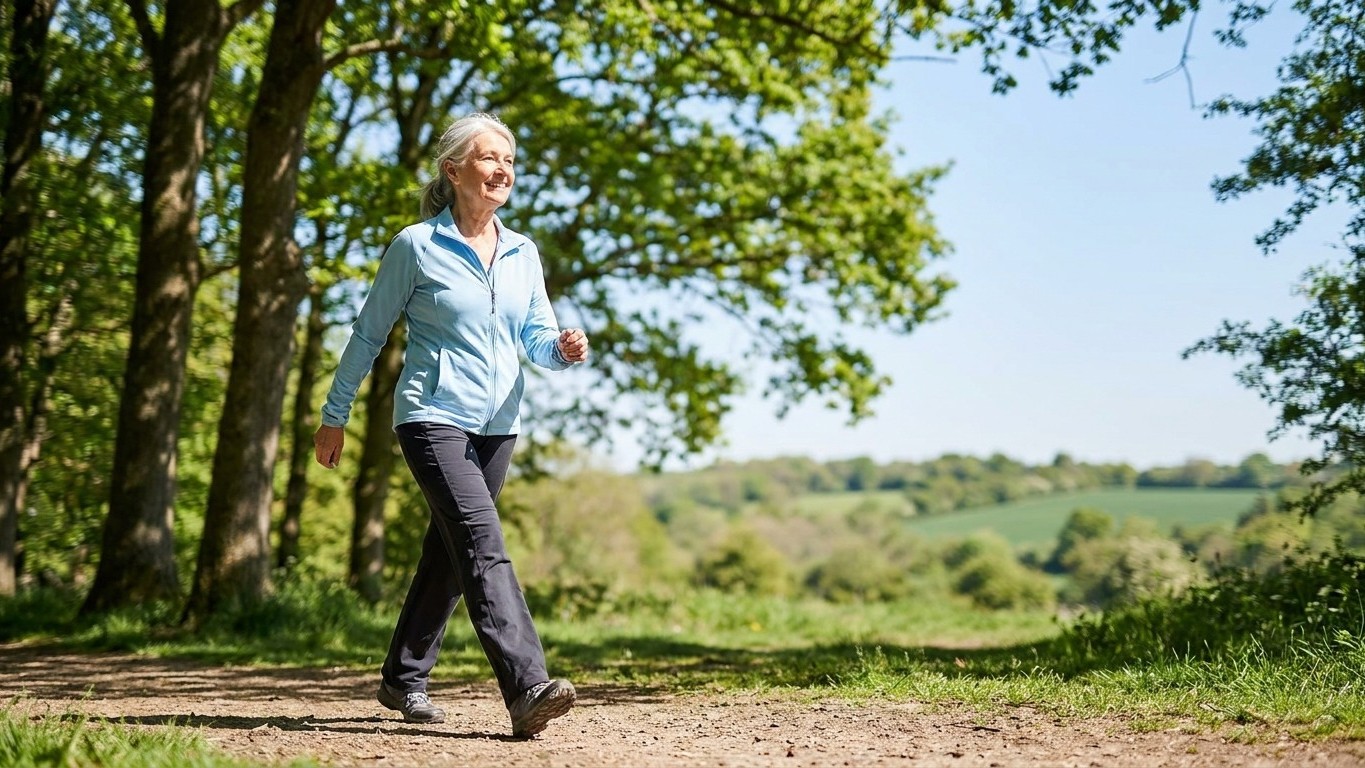
By walking three times a week for a whole year, 120 adults aged 55 to 80 literally changed what age was doing to their memory

A groundbreaking year-long study reveals that sedentary older adults who walked just three times weekly literally regrew tissue in their hippocampus—the brain’s memory center—effectively reversing two years of age-related decline. This isn’t wellness hype; it’s documented neuroscience showing that aging brains are far more adaptable than we believed.

Does dancing improve brain chemistry more than treadmill?

We all keep clocking the same miles on the treadmill, when this one-hour session burning exactly the same calories does fa...

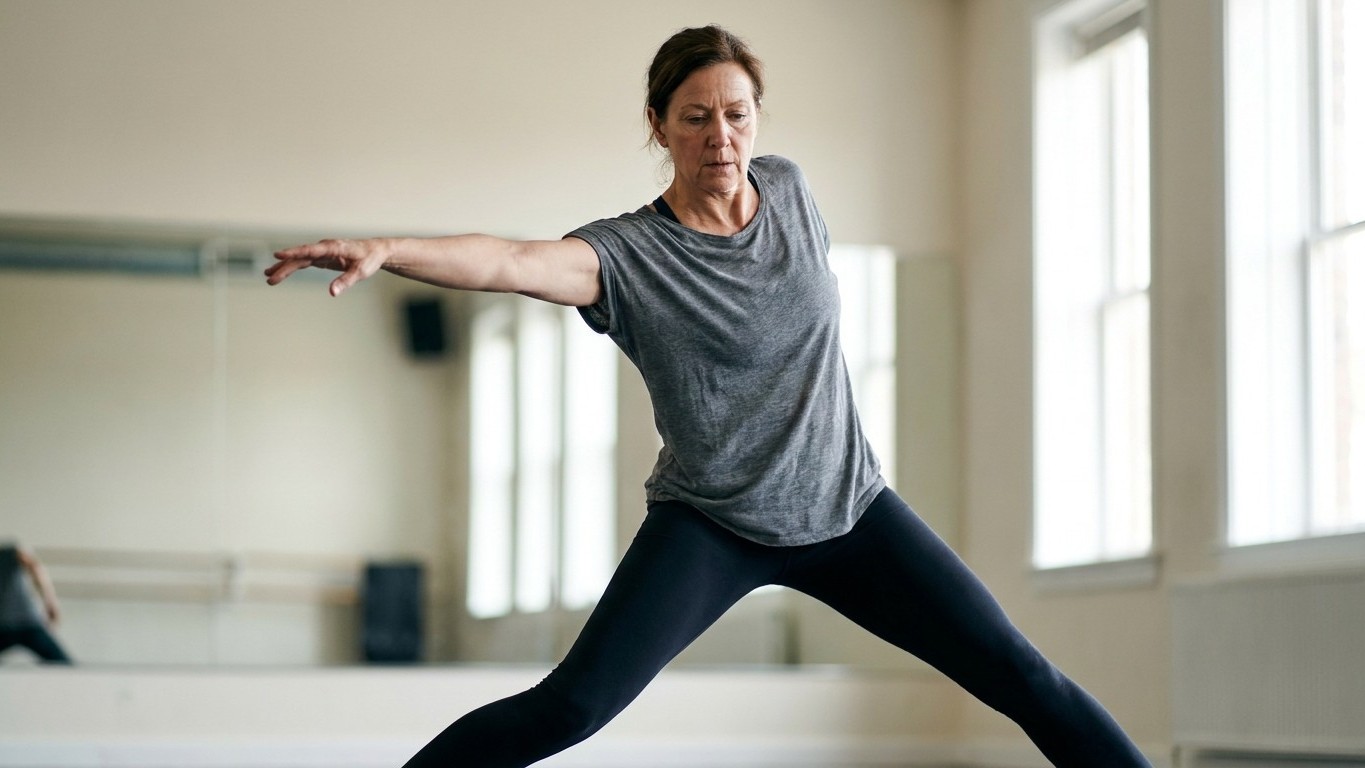
Researchers found that healthy adults over 63 who danced for six months experienced greater brain changes than those doing conventional fitness at the same intensity and calorie burn. The secret isn’t the exercise itself—it’s the constant learning demand that dancing uniquely provides.

What Your Sitting Position May Reveal About Biological Age

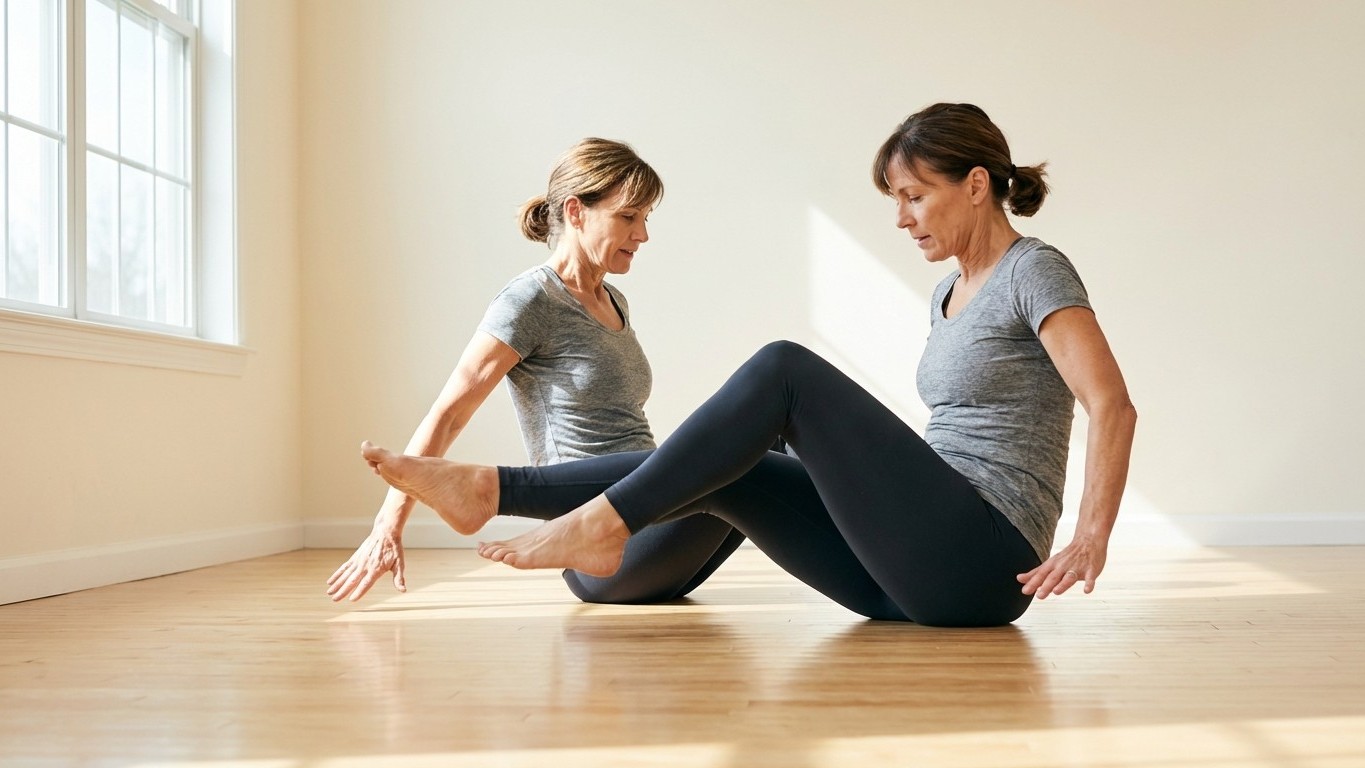
Your Sitting Position Reveals Your True Biological Age—Here's What Science Found

Scientists discovered that the way you sit down and stand up from the floor is a powerful predictor of how your body will age. A simple test scoring your movement can reveal your risk of mortality and guide you toward meaningful improvements in strength, balance, and mobility.