The Blood Test Ratio Most Parents of Teens Overlook

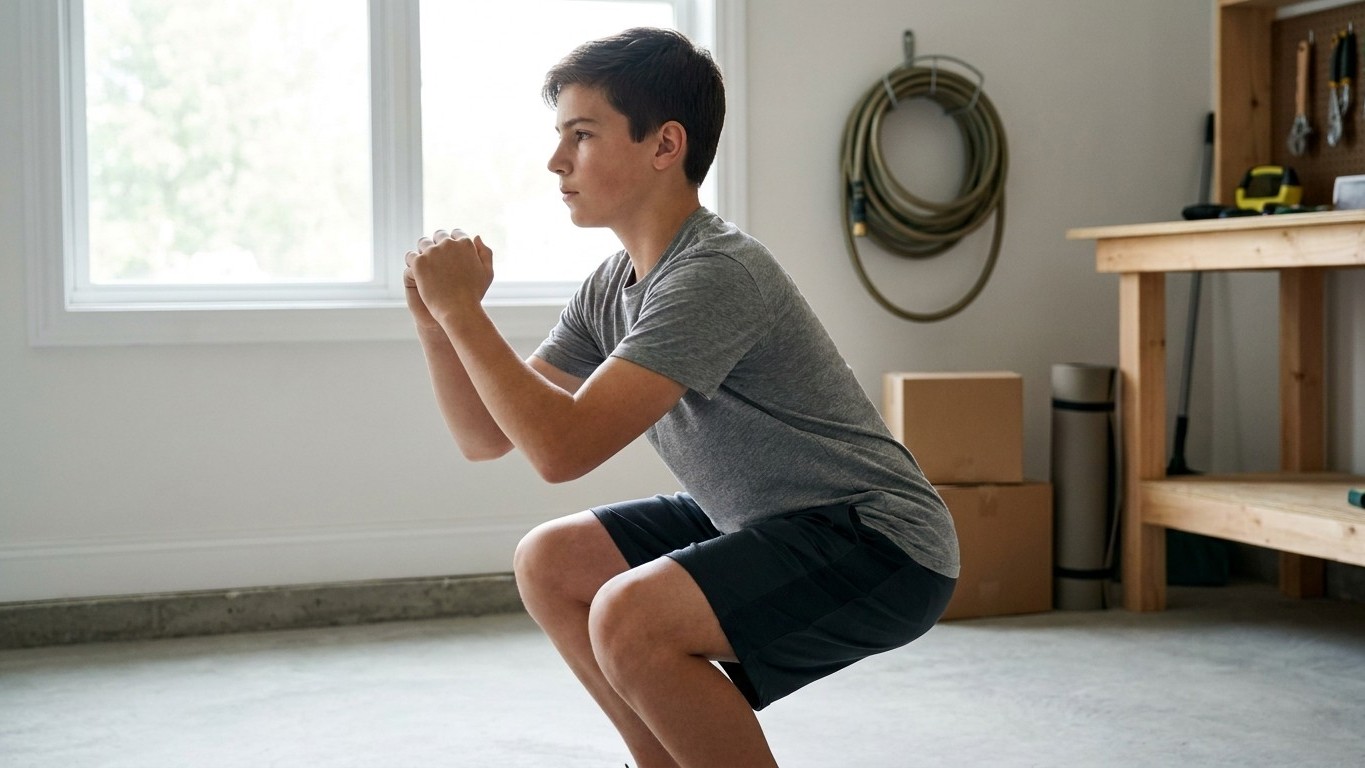
'Get him lifting, starting this week': this one detail on my 14-year-old's blood results alarmed an old diabetes nurse in ...

A retired diabetes specialist noticed a single blood ratio that alarmed her more than glucose levels—a sign of creeping insulin resistance in a lean 14-year-old. Discover why muscle strength is your teen’s best defense against metabolic trouble, and how to start safely this week.

Is Five Gym Sessions a Week Too Many for Muscle Growth?

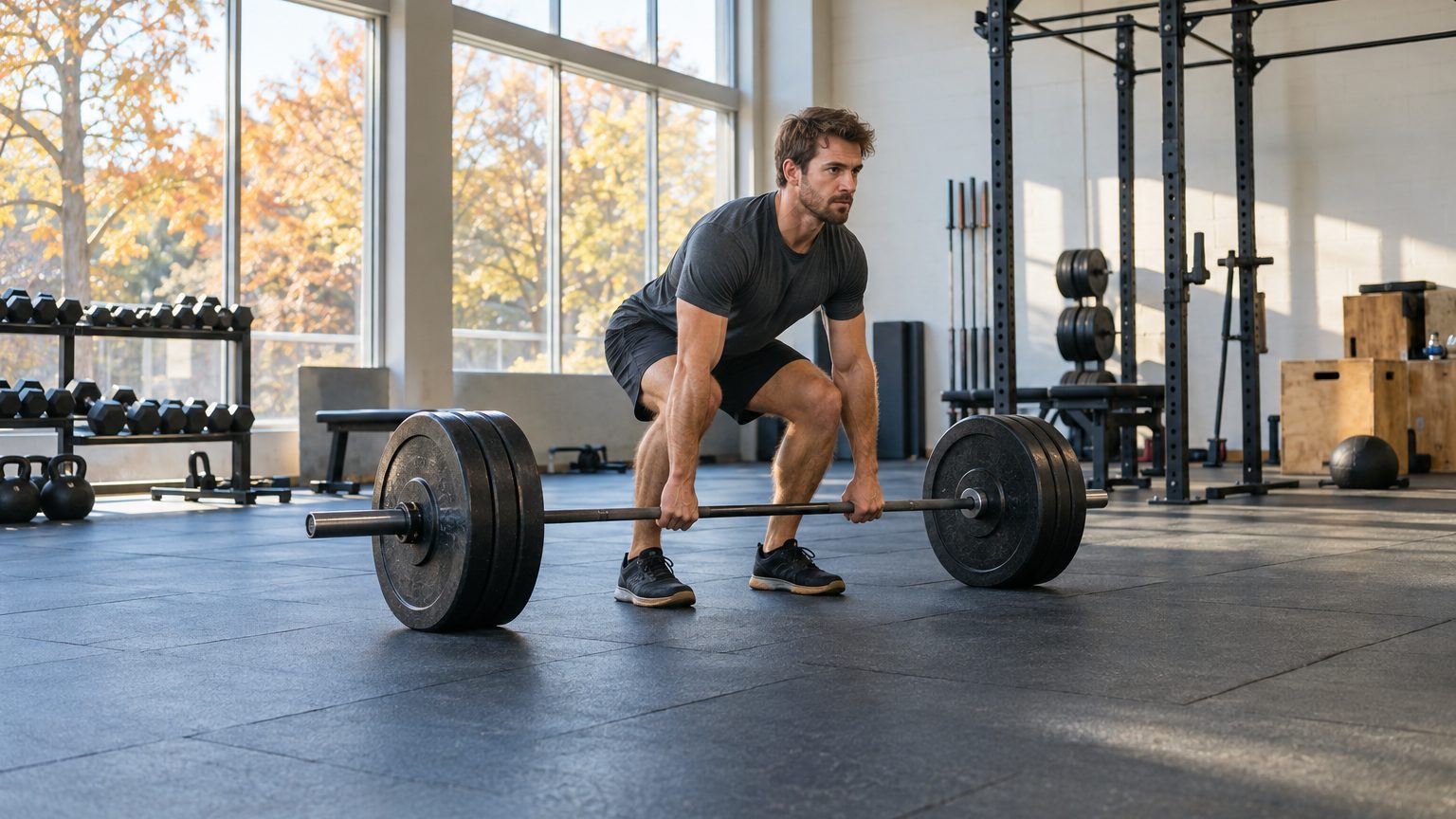
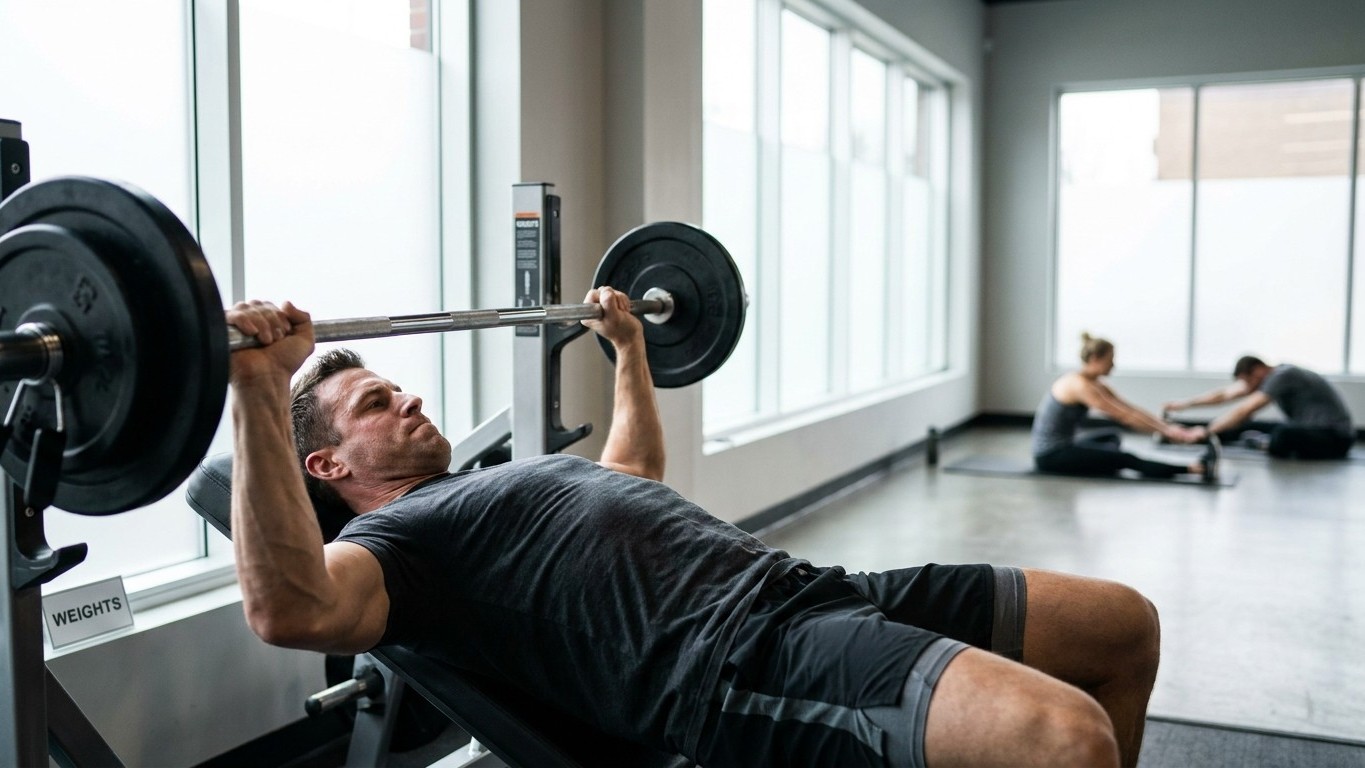
'I never miss one of my five weekly sessions': the point in the week where the extra hours stop giving lifters anything back

Five weekly gym sessions sounds disciplined, but exercise science reveals a sobering truth: most lifters see negligible returns after their third or fourth workout. What actually matters for gains isn’t how many days you train—it’s the total weekly volume and whether each set still delivers results.

Why spin class noise can exceed safe hearing limits

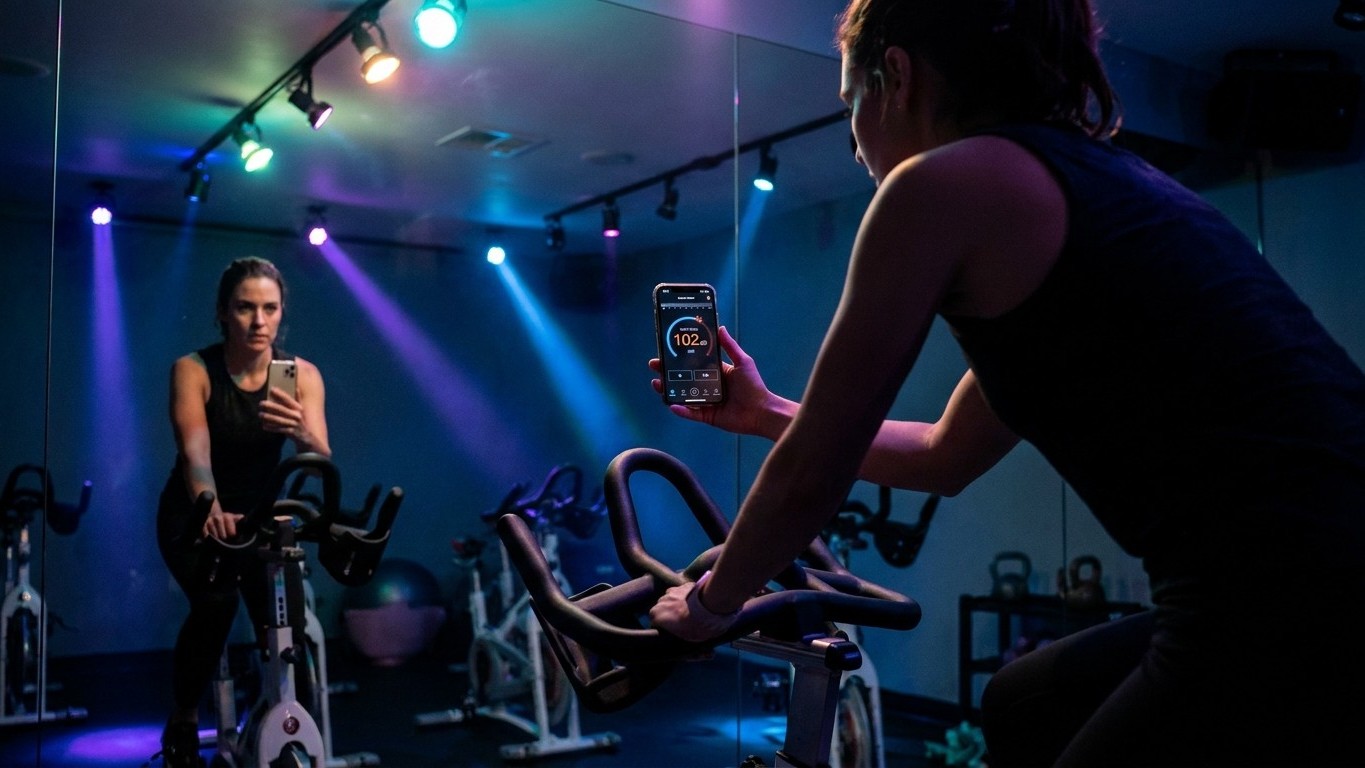
I took a sound meter into my Tuesday spin class just to prove the instructor wrong: the number on the screen meant we shou...

One cyclist brought a sound meter to their Tuesday spin class and discovered noise levels reaching 98 decibels—far exceeding safety guidelines. Research shows group fitness classes frequently match the volume of subway trains and power lawn mowers, yet participants rarely protect their hearing. Here’s what the data reveals about the gap between instructor motivation and participant safety.

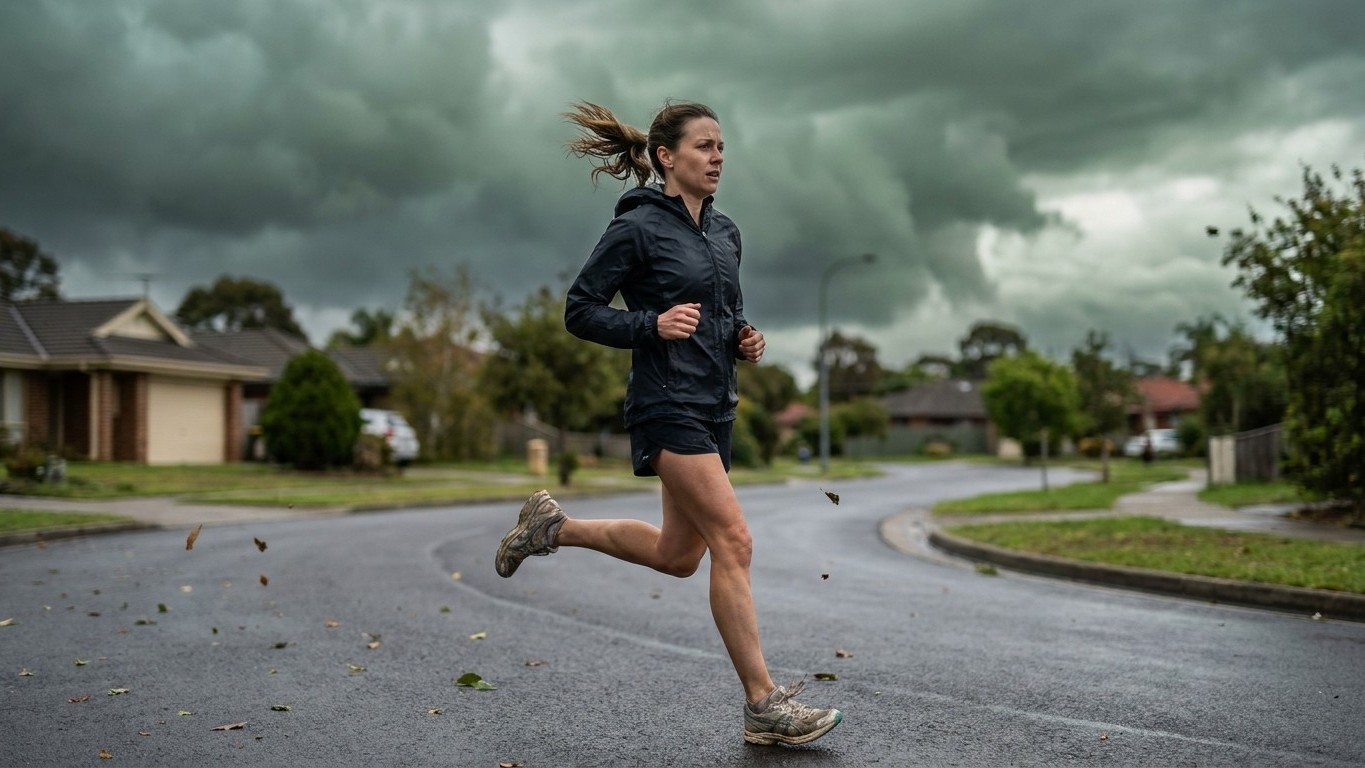
Exercise-induced bronchoconstriction can hit runners in stormy wind

I set off on my usual loop as the first gust of a summer storm hit, just to beat the heat: twenty minutes later my chest s...

A routine summer run turned dangerous when a runner’s chest tightened twenty minutes in—not from fitness, but from a perfect storm of exercise physiology and thunderstorm chemistry. Thunderstorm asthma can strike anyone, affects 63% of people with seasonal allergies, and has sent thousands to emergency rooms. Here’s what you need to know before your next run.

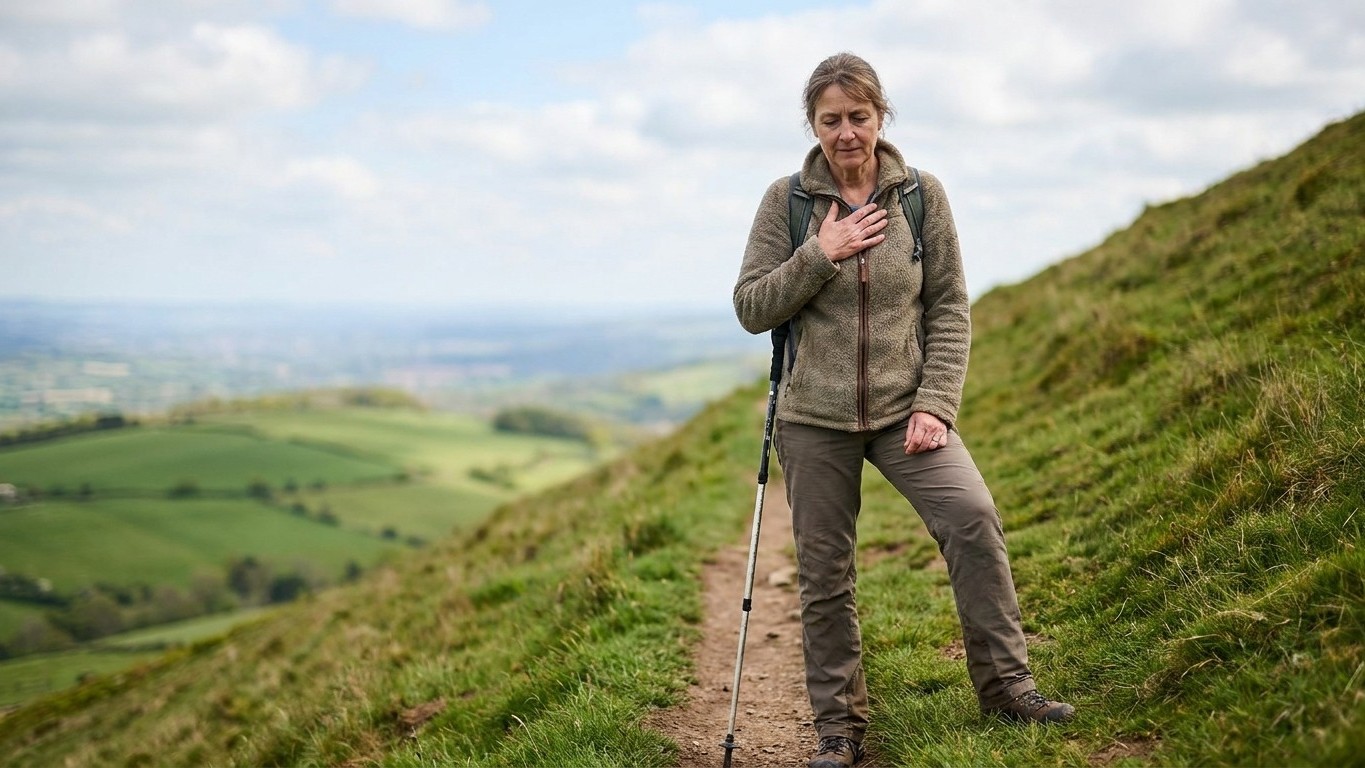
Why chest tightness on the same hill is not lost fitness

'It only tightens on the same hill, at the same pace': the two minutes after stopping that most walkers put down to lost f...

Chest tightness that strikes at exactly the same point every time you walk a particular hill isn’t a sign of declining fitness—it’s a warning your body is sending. A symptom that appears like clockwork points to a specific physiological threshold, not gradual deconditioning, and understanding the difference could change how you approach the problem.

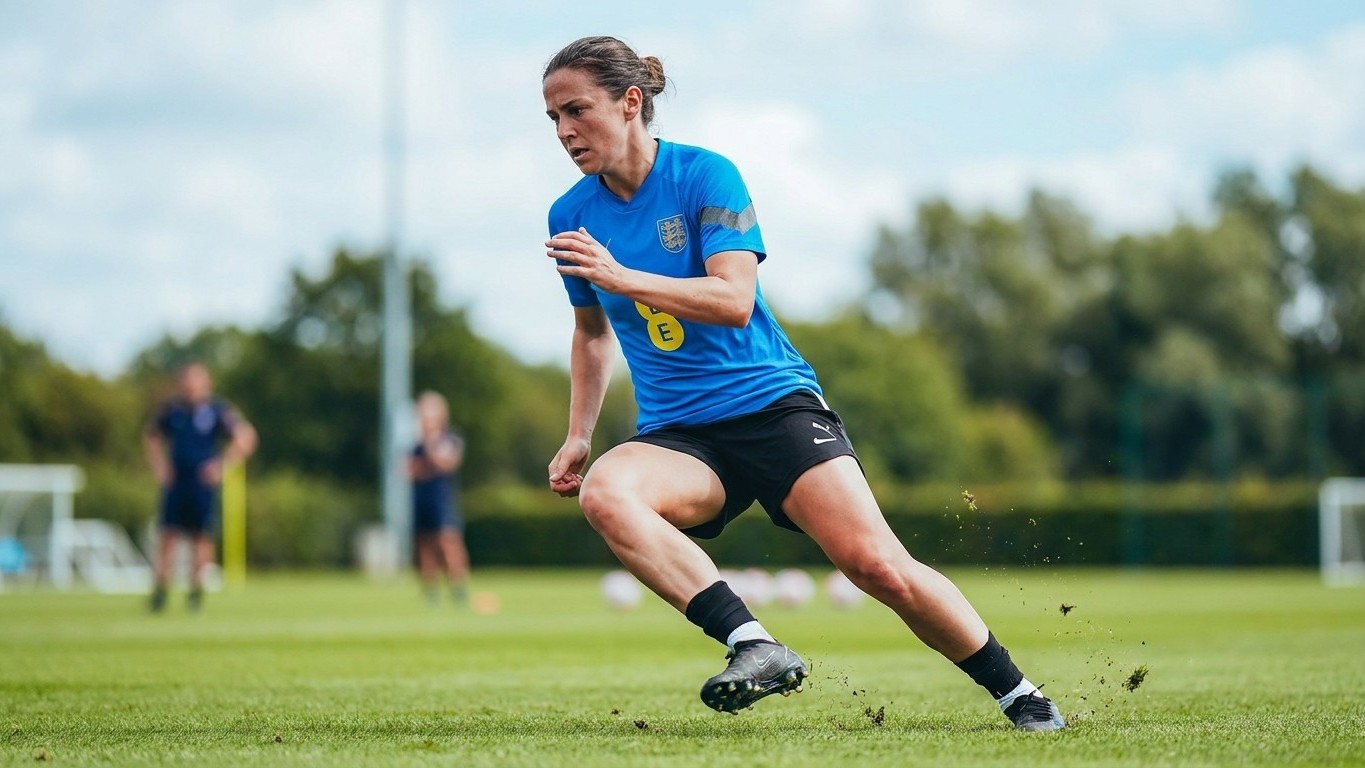
ACL injuries can cluster around training load and fixtures

I ruptured my ACL on a simple sidestep in training, just like two teammates that same month: the dates in our diaries all ...

When three teammates tear their ACLs from a simple sidestep within days of each other, it’s not random bad luck—it’s a predictable pattern. Training load, fixture congestion, and shared environmental factors create injury clusters, but structured prevention programmes can cut risk by nearly half.

Wrist heart rate readings can be wrong during weightlifting

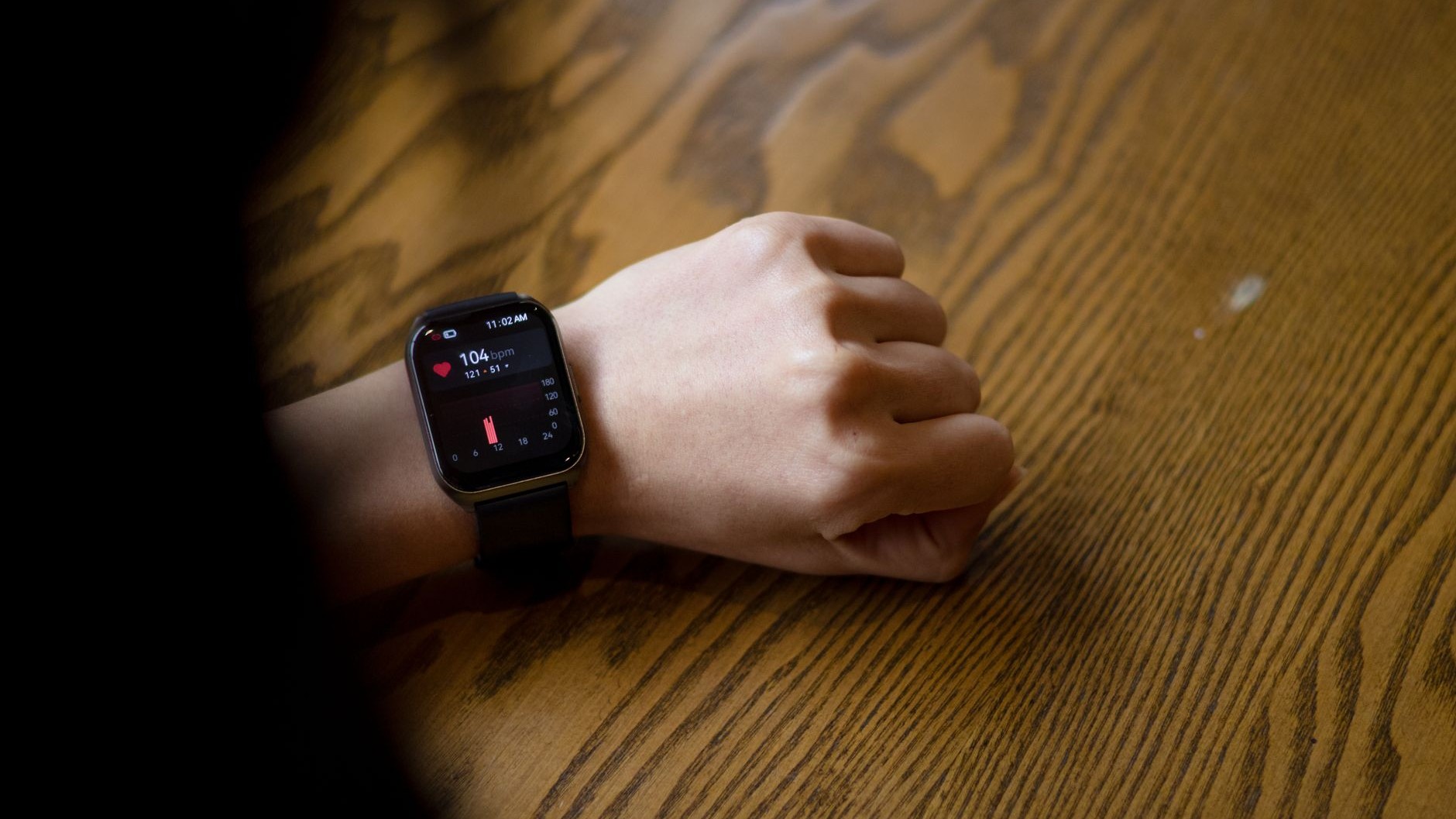
I trusted my watch's wrist reading through every set of squats just to skip the chest strap: the graph showed what it had ...

Your smartwatch’s heart rate spike during heavy squats isn’t tracking your cardiovascular effort—it’s tracking your grip. Optical sensors mistake wrist tension and rep tempo for heartbeats, a phenomenon called cadence lock. Learn why chest straps outperform wrist devices and how to spot fake readings.

Weighted vest walking may not build hip bone density

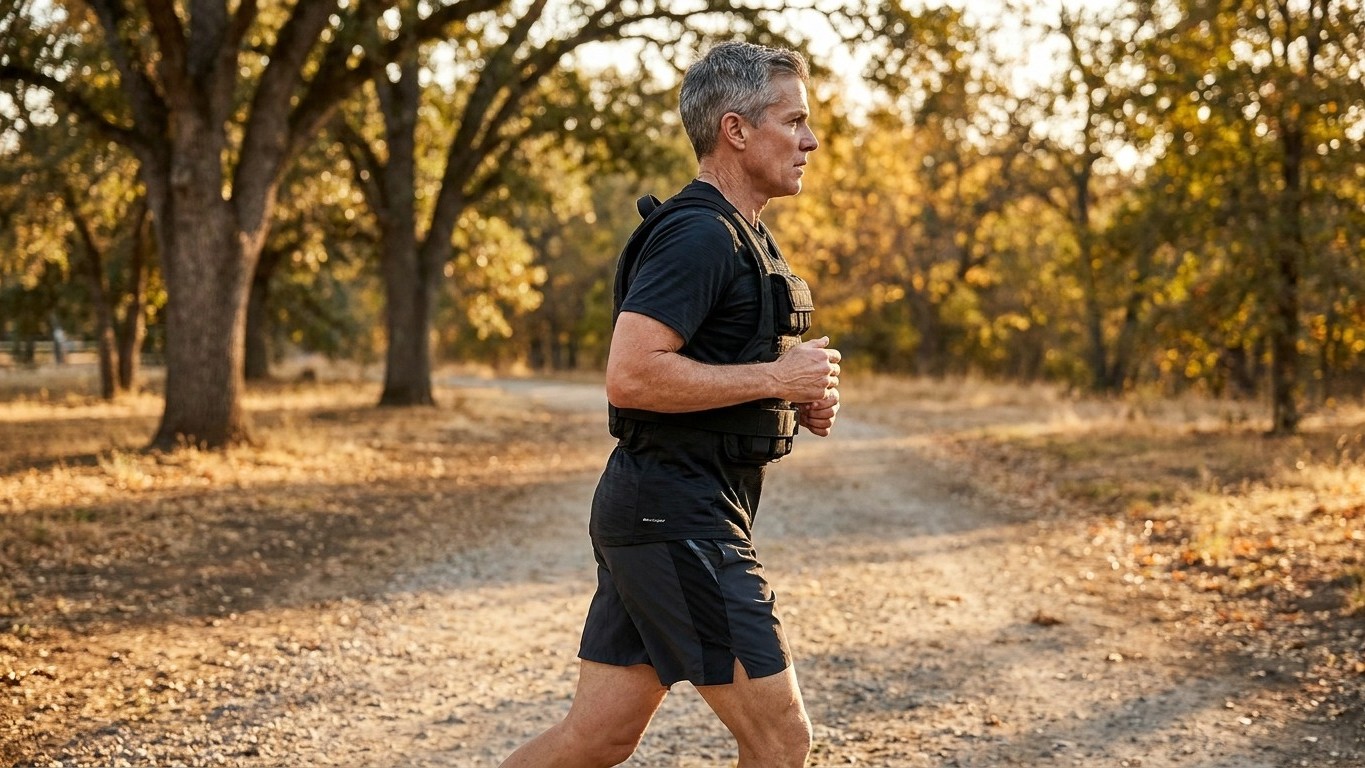
I strapped on a weighted vest for every walk for twelve months just to protect my hips: the scan showed what the extra 10%...

After a year of daily walks in a weighted vest targeting hip bone density, the DEXA scan results proved far more nuanced than expected. While hip strength gains fell short of marketing promises, the metabolic and psychological benefits told a different story. The research reveals which populations genuinely benefit from weighted vests—and which simply don’t.

Daily creatine may slow hip bone loss after midlife

I stirred 5 g of creatine into my coffee every morning for a year just to protect my hips: the scan showed what the powder...

A postmenopausal woman’s year-long experiment with 5g of creatine daily raised a crucial question: can this powder genuinely slow bone loss where it matters most? DEXA scan results reveal a more nuanced answer than supplement marketing suggests, but the mechanism behind it might surprise you.