Do lifting belts weaken your core? What the research says
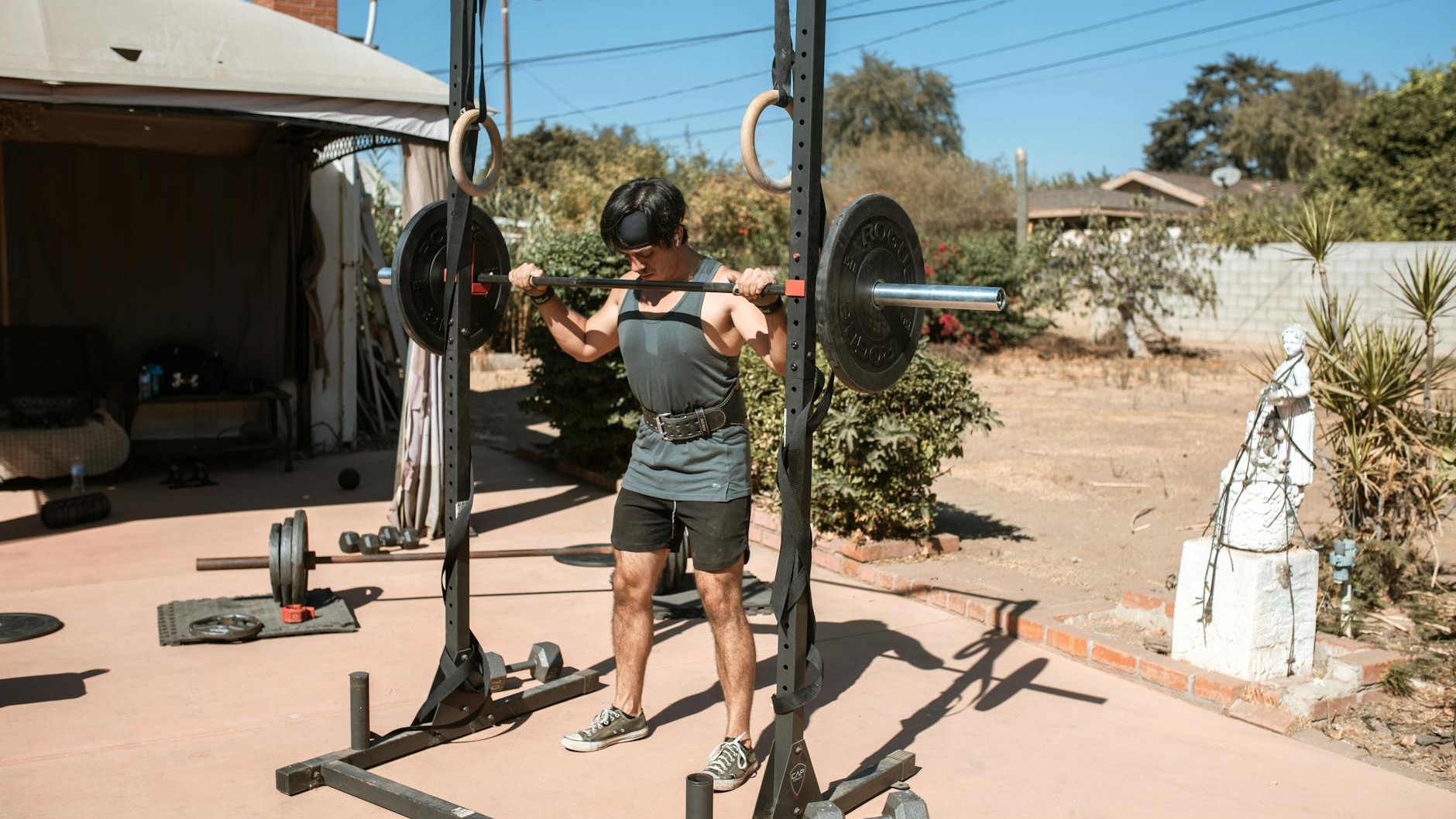
Your Lifting Belt Is Weakening Your Core: Here's Why and How to Fix It

That lifting belt you wear on every set might be quietly sabotaging the deep core muscles responsible for protecting your spine during everyday life. While belts are proven tools under heavy loads, overuse can train your nervous system to rely on external support rather than developing genuine bracing capacity. Understanding when—and when not—to use one could be the difference between long-term spinal health and chronic lower back pain.


How a Wider Hand Position Can Improve Your Squat and Core

One Hand Position Fixed My Squat: How a Simple Cue Unlocked My Core in Seconds

After years of squatting with poor upper body positioning, one coach’s simple adjustment—pulling my hands apart as if tearing paper—immediately amplified my core activation. This small change reveals a hidden dimension of squat technique that most lifters overlook.

Why Switching Your Runs to Evening Could Transform Your Performance and Sleep

Why Switching Your Runs to Evening Could Transform Your Performance and Sleep

A year of dawn runs felt virtuous—until one shift to evening sessions revealed something surprising: faster paces, deeper sleep, and genuine physical ease. The answer lies in your circadian rhythm, where peak running performance occurs in late afternoon and early evening, when your body temperature peaks and muscles are primed for action.

How 3-Second Tempo Reps Can Break a Strength Plateau

Break Your Strength Plateau: The 3-Second Tempo Trick That Changes Everything

Six months of grinding with zero progress doesn’t mean you need heavier weights—it means your muscles have stopped noticing. A deceptively simple tempo adjustment, slowing your eccentric phase to three seconds, generates mechanical tension your nervous system can’t ignore and breaks plateaus that progressive overload alone cannot.

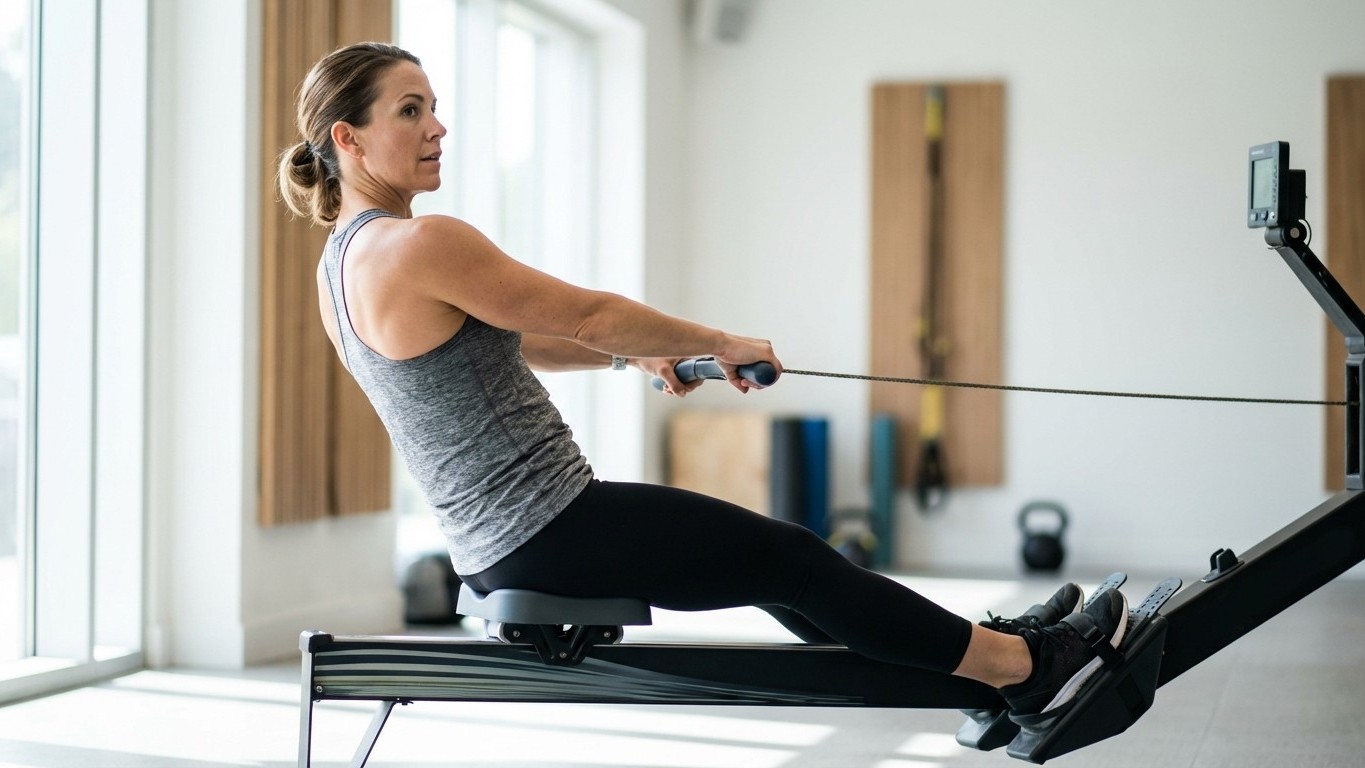
Rowing vs Running: Why Coaches Recommend the Joint-Friendly Workout

Why Fitness Coaches Are Ditching Running for Rowing—The Joint-Friendly Workout That Burns More Calories

Running has dominated fitness for decades, but UK coaches are quietly shifting their clients toward rowing—a low-impact alternative that engages 86% of your muscles, burns 400-600 calories per hour, and leaves you injury-free. Here’s why the fitness world is rowing backwards.