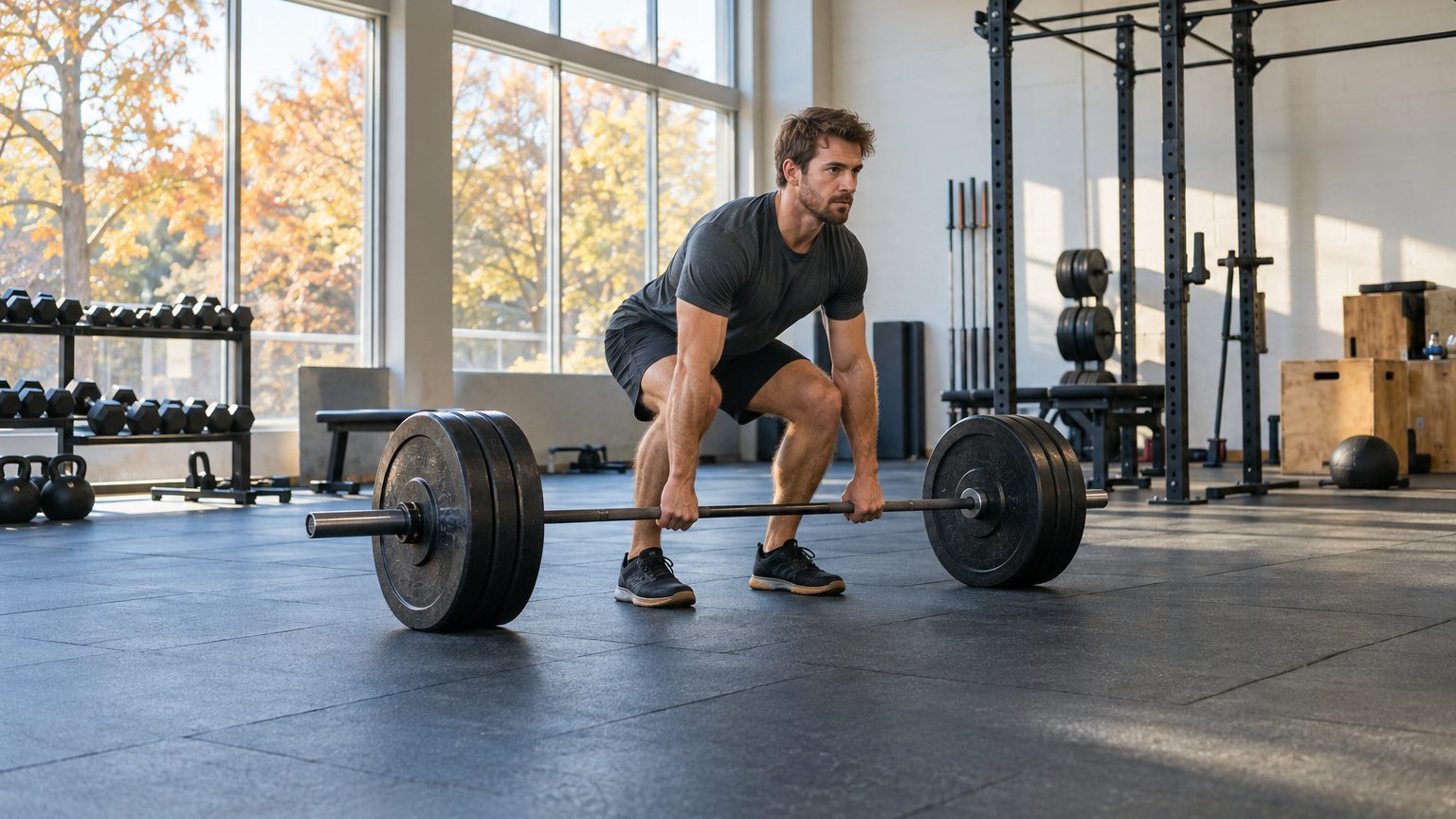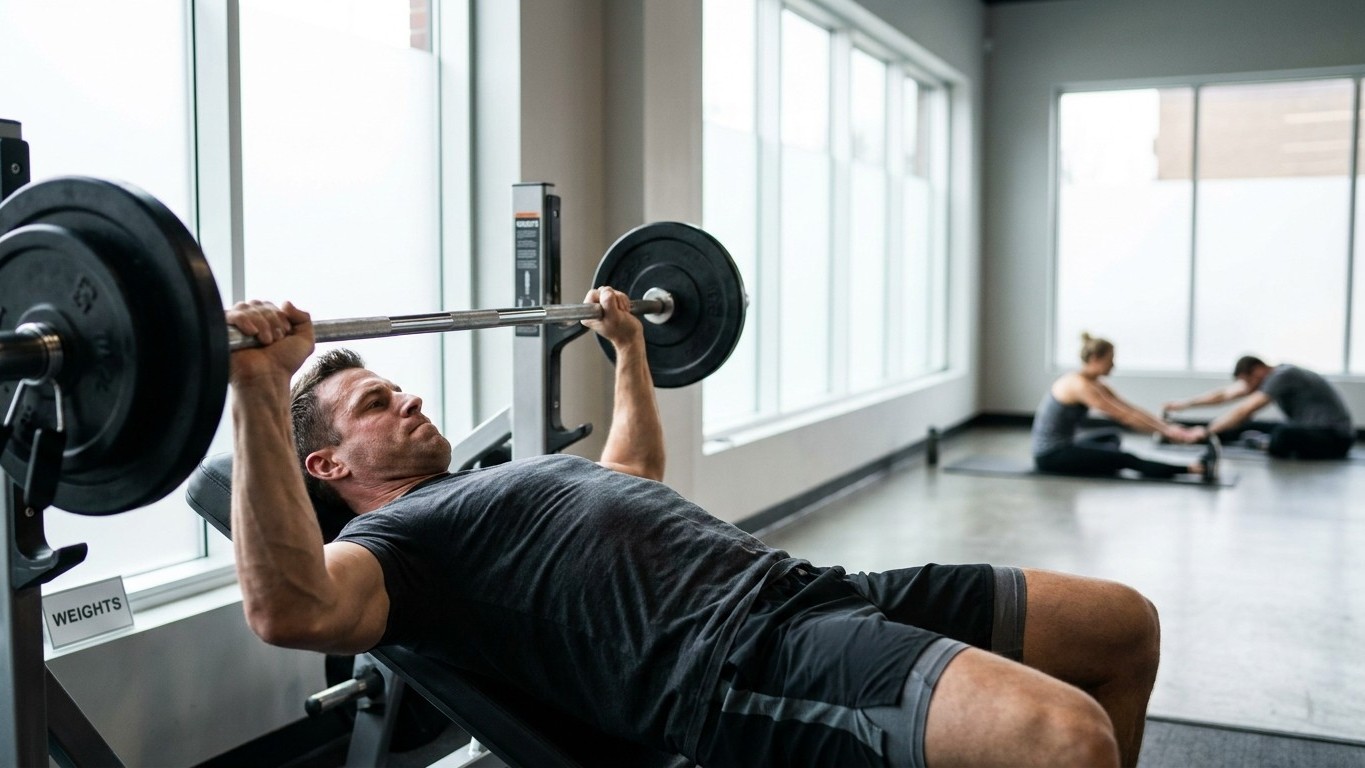
It’s over for five sets per exercise: below this number, the bar keeps going up and the session ends 25 minutes earlier

It's over for five sets per exercise: below this number, the bar keeps going up and the session ends 25 minutes earlier

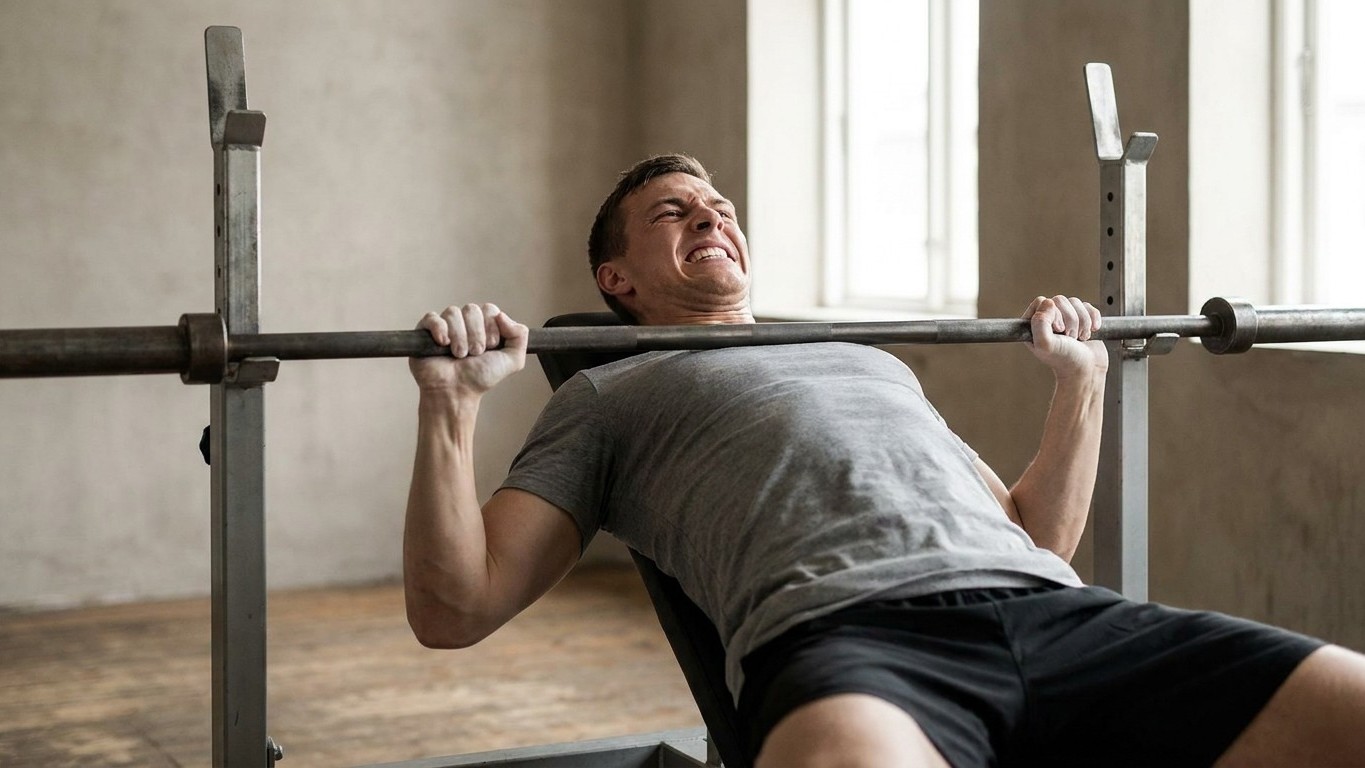
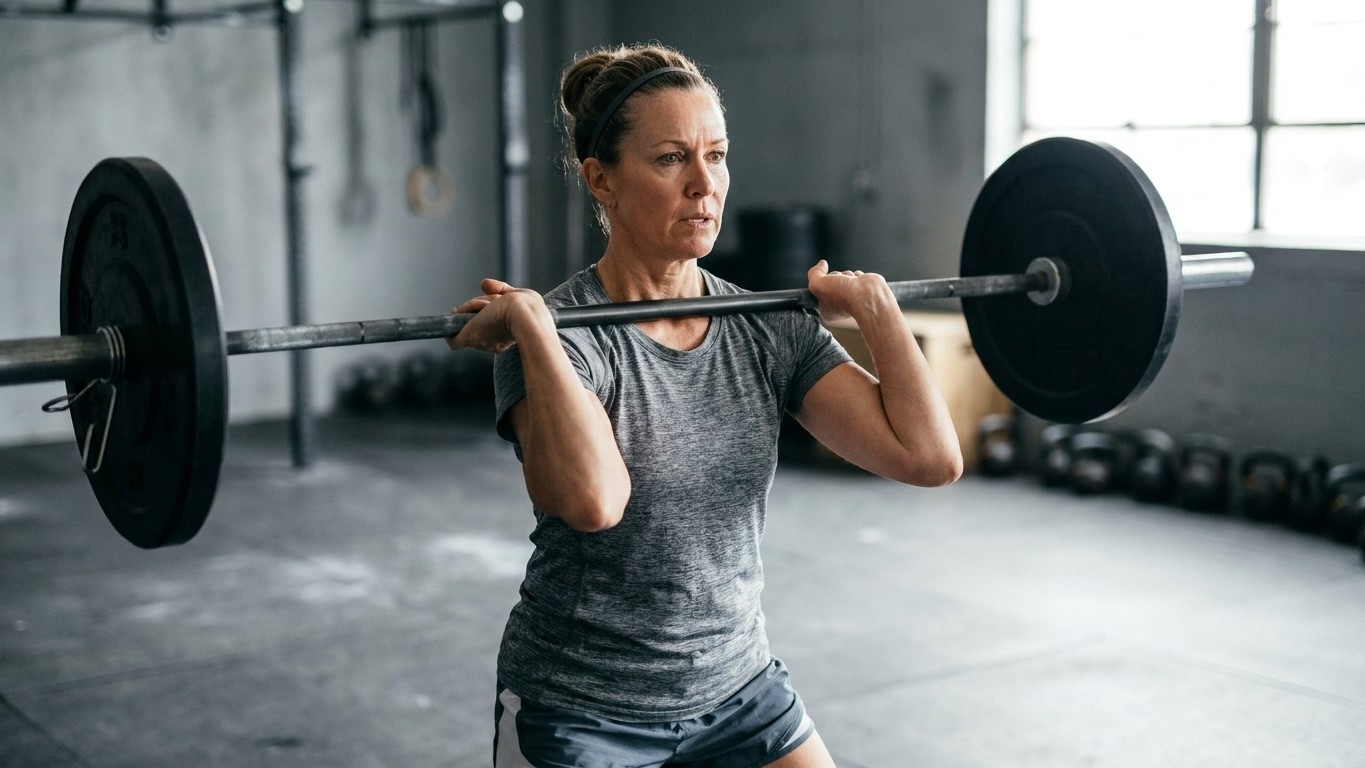
New research reveals that just three focused sets per exercise can deliver the same strength gains as five, according to multiple peer-reviewed studies. The difference? Intensity matters far more than volume when your goal is getting stronger. Cut your gym time by 25 minutes without sacrificing results.

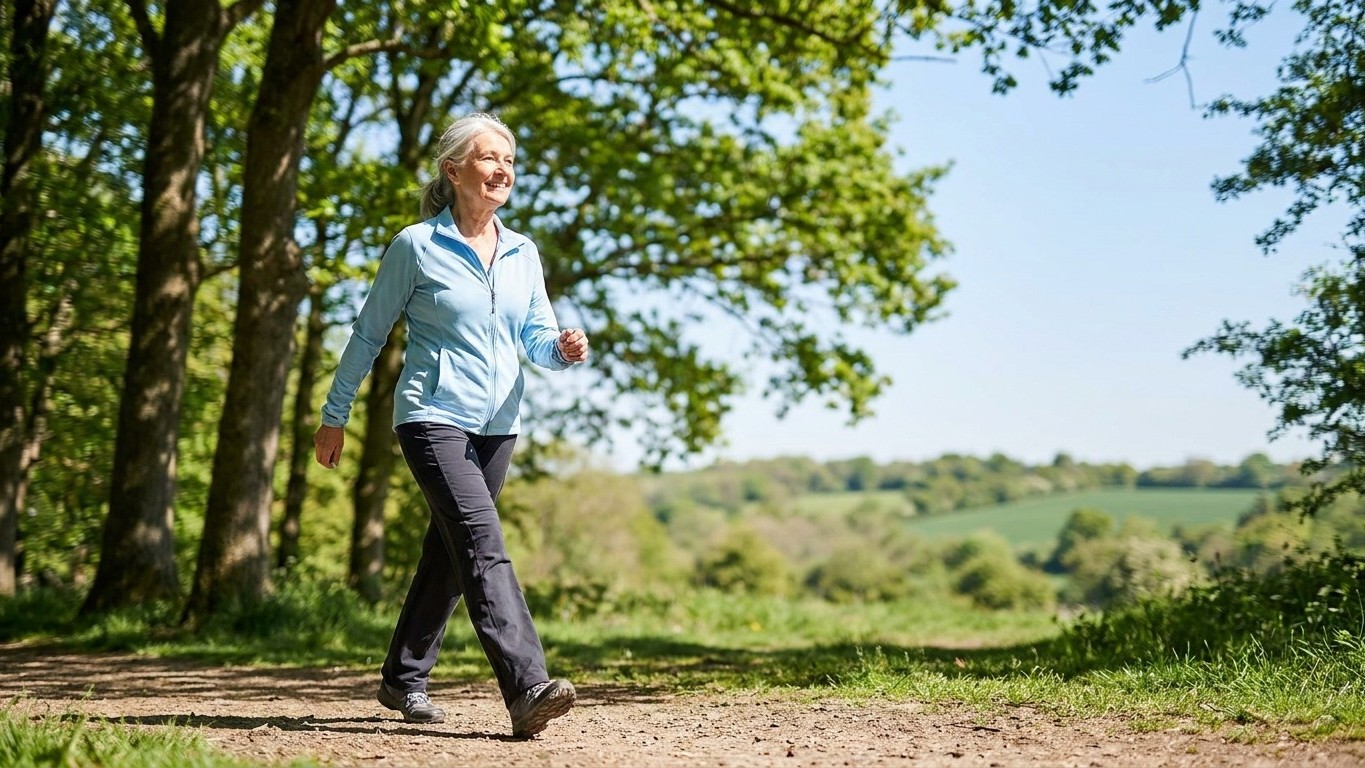
I added 5% to my step count just to keep up with a friend: since then, that burning on the outside of my knee has never come back

I added 5% to my step count just to keep up with a friend: since then, that burning on the outside of my knee has never co...

A friend’s faster walking pace prompted a modest 5% increase in daily steps—and the burning sensation on the outside of the knee vanished. It wasn’t luck. Sports medicine research explains exactly why small, steady increases in activity load allow connective tissue to adapt without injury.

We all keep blaming lactic acid for the soreness two days after a session, when it’s this one phase of every lift that decides how wrecked you wake up

We all keep blaming lactic acid for the soreness two days after a session, when it's this one phase of every lift that dec...

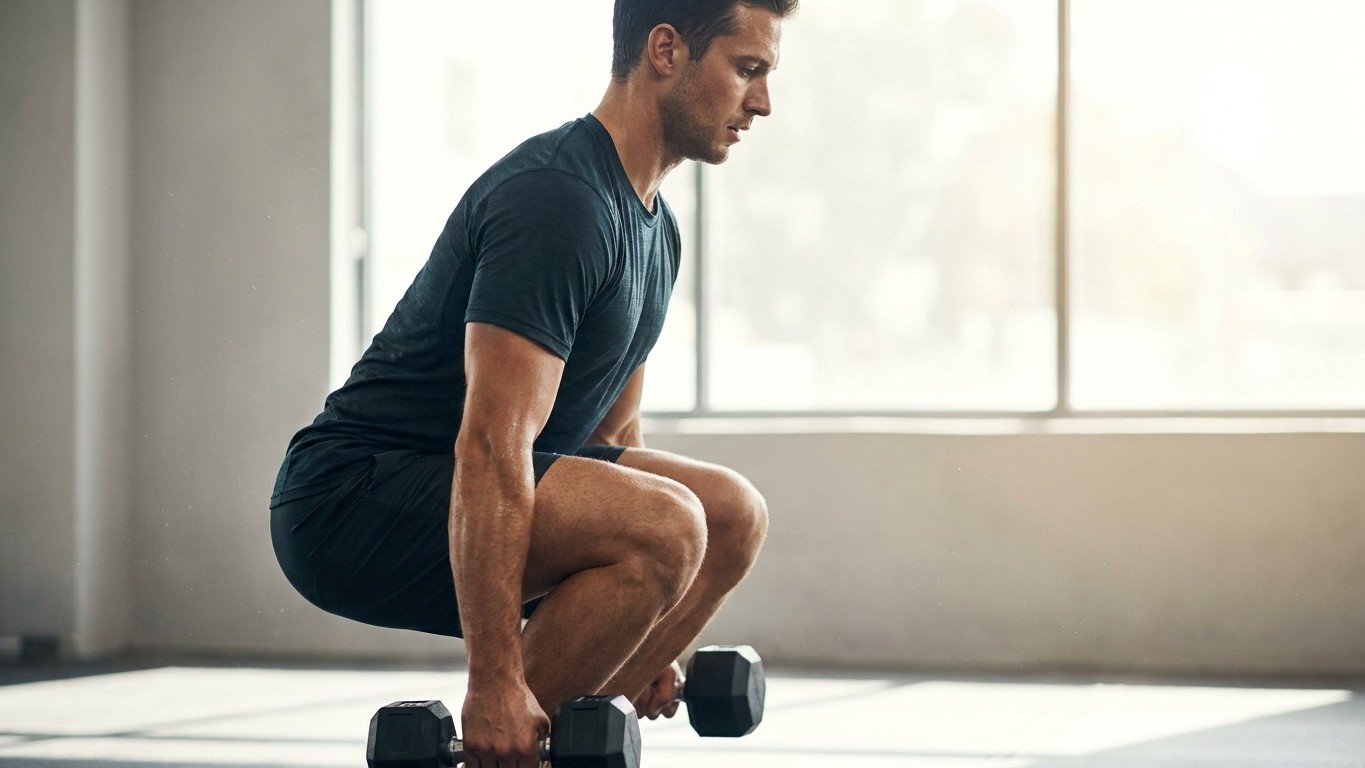
You’ve been blaming the wrong culprit for post-workout soreness. Lactic acid clears your bloodstream within an hour, but your legs still ache three days later. The real damage happens during the eccentric phase—when your muscle lengthens under tension—causing microscopic tears that trigger inflammation and soreness.

I slept 5.5 hours a night during my diet just to fit in more training: two weeks later, I understood what my body had been burning instead of fat

I slept 5.5 hours a night during my diet just to fit in more training: two weeks later, I understood what my body had been...

A landmark study shows that cutting sleep to fit in more training during a diet is counterproductive: participants on the same calorie deficit lost 55% less fat when sleeping 5.5 hours versus 8.5 hours. Instead of fat, their bodies burned muscle, organ tissue, and lean mass—a shift driven by hormonal changes that happen almost immediately.

By walking three times a week for a whole year, 120 adults aged 55 to 80 literally changed what age was doing to their memory

By walking three times a week for a whole year, 120 adults aged 55 to 80 literally changed what age was doing to their memory

A groundbreaking year-long study reveals that sedentary older adults who walked just three times weekly literally regrew tissue in their hippocampus—the brain’s memory center—effectively reversing two years of age-related decline. This isn’t wellness hype; it’s documented neuroscience showing that aging brains are far more adaptable than we believed.

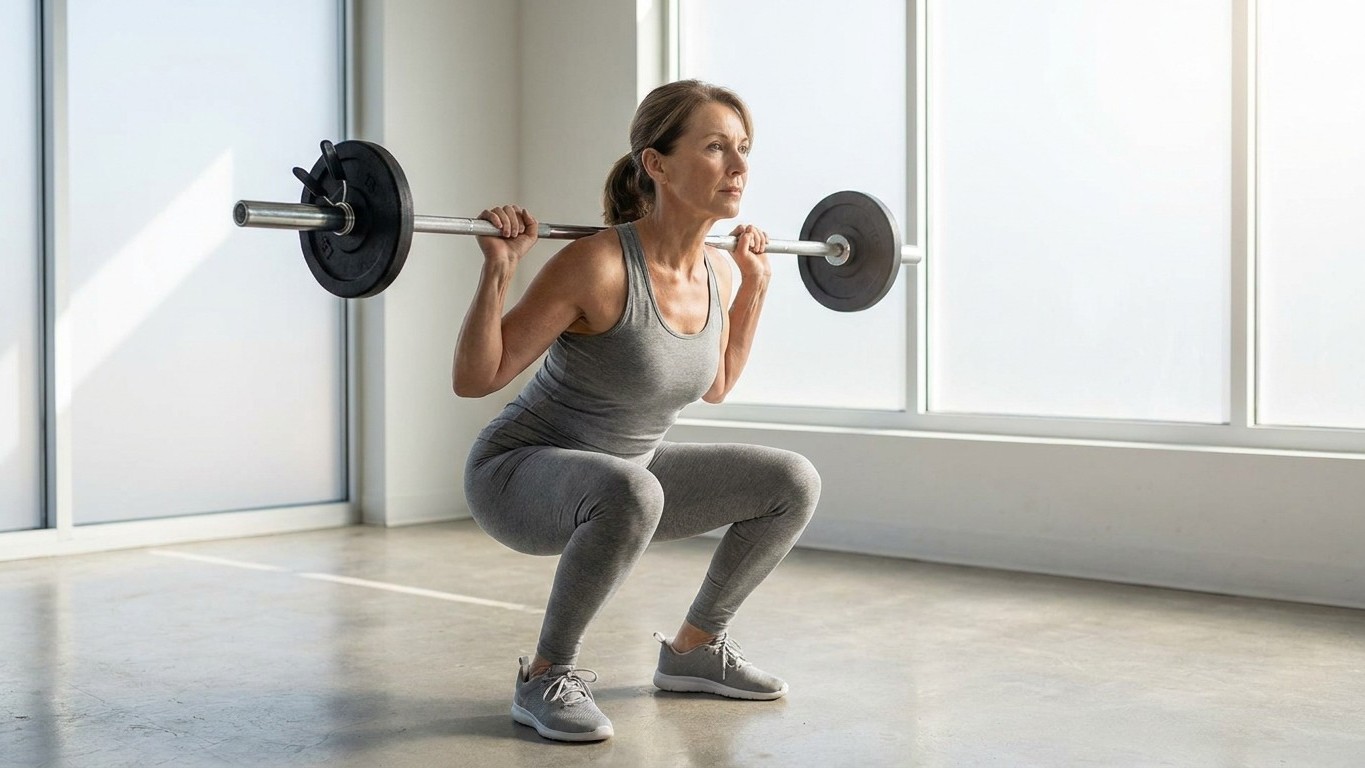
“I thought any exercise counted”: why cycling and swimming change nothing for the femoral neck, according to a 2018 trial on postmenopausal women

'I thought any exercise counted': why cycling and swimming change nothing for the femoral neck, according to a 2018 trial ...

Two and a half years of cycling or swimming may feel virtuous, but research reveals these activities leave hip bone density virtually unchanged in postmenopausal women. The LIFTMOR trial and systematic reviews show that only high-intensity resistance training combined with impact exercise can trigger the mechanical strain bones need to strengthen.

“I thought it was just a painkiller”: why an ibuprofen taken before a workout quietly cancels part of the work you just did

'I thought it was just a painkiller': why an ibuprofen taken before a workout quietly cancels part of the work you just did

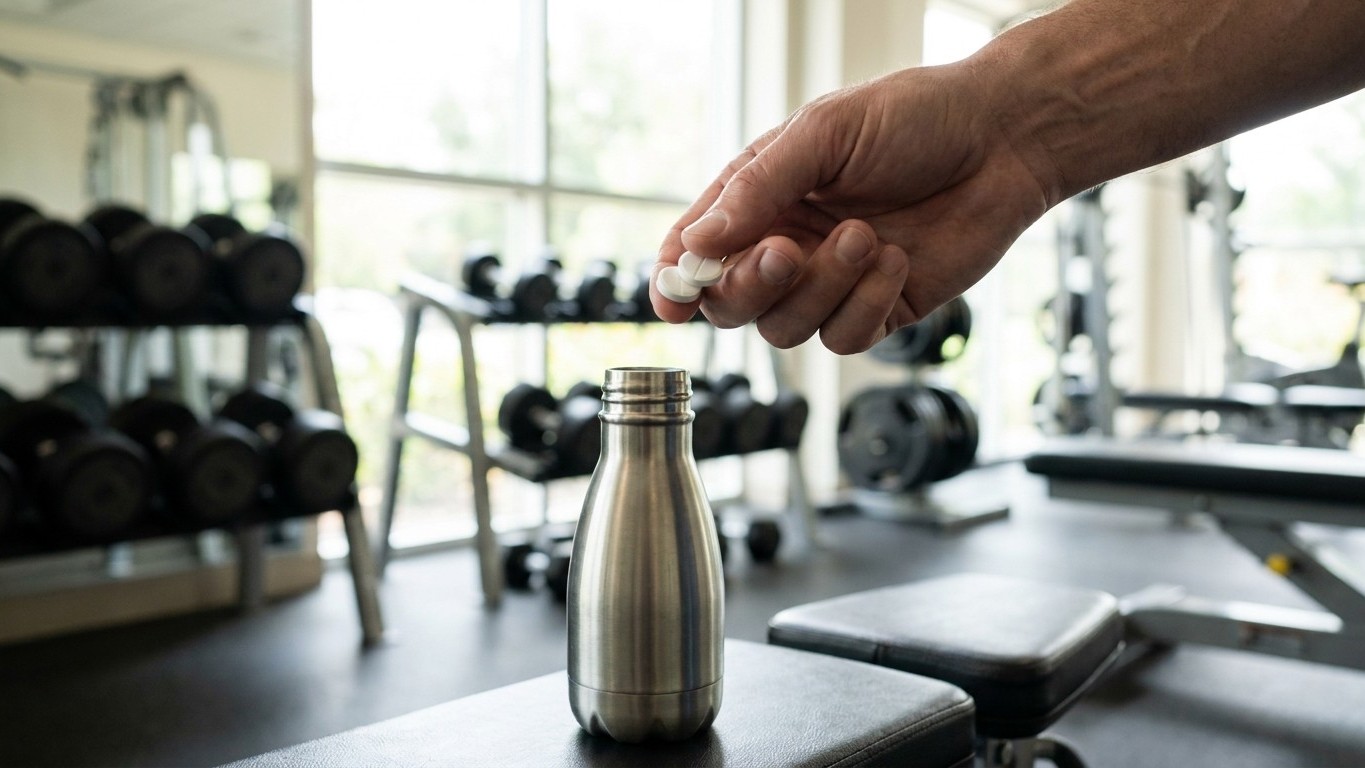
That ibuprofen you take before the gym to prevent soreness? It’s quietly cutting your muscle-building response in half. Research shows NSAIDs don’t just numb pain—they block the biochemical signals your muscles need to grow stronger. Timing and dose change everything.

“I thought it was just a bit of haze”: why hill repeats above AQI 100 push particles all the way down into your alveoli

'I thought it was just a bit of haze': why hill repeats above AQI 100 push particles all the way down into your alveoli

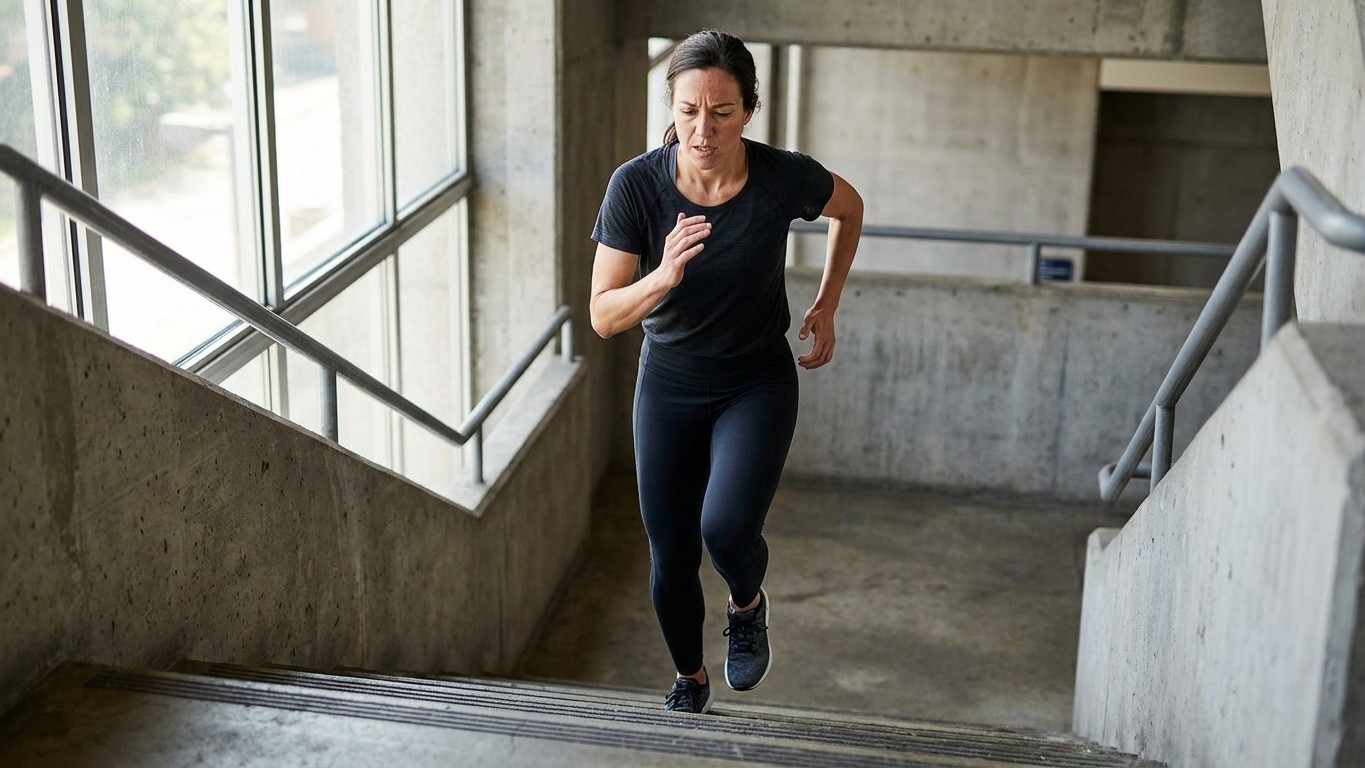
When you push hard on a hill repeat during hazy conditions, your breathing rate skyrockets and your mouth takes over from your nose’s natural filtration. This deadly combination allows fine particles to penetrate deep into your alveoli—the very place where your lungs exchange oxygen. Learn what the science reveals about exercise, pollution, and lung damage.

« I thought a cold beer counted as rehydrating »: why the pint at the post-training barbecue is the drink your body handles worst after training in the heat

« I thought a cold beer counted as rehydrating »: why the pint at the post-training barbecue is the drink your body handle...

That ice-cold pint feels like perfect rehydration after sweating through summer training, but science says it’s actively working against your body’s recovery. Beer suppresses the hormone that tells your kidneys to hold onto water, and research shows your body retains less than a quarter of what you drink compared to sports drinks. Here’s what actually works.

We all keep grinding out sit-ups by the dozen: this one-second movement loads the lumbar discs so badly the US Army dropped it from its fitness test

We all keep grinding out sit-ups by the dozen: this one-second movement loads the lumbar discs so badly the US Army droppe...

Full sit-ups compress your lumbar discs with 3,300 newtons of force—exceeding safety thresholds set by occupational health experts. The US Army and Navy abandoned this fitness staple after finding it caused over 50% of test-related injuries, replacing it with safer core exercises that build strength without spinal damage.

I always thought walking backwards was just a silly gym trend: a physio showed me what it does to the knee that no forward exercise can

I always thought walking backwards was just a silly gym trend: a physio showed me what it does to the knee that no forward...

A physiotherapist revealed that backward walking activates your quadriceps more intensely while reducing stress on the inner knee—the exact spot where arthritis typically develops. Unlike forward strides, retro walking strengthens the joint without the damaging shearing force, making it one of the few natural exercises that no lunge or squat can replicate.

We all keep gripping the treadmill handrails to feel steady: this one-second reflex quietly cancels out half the workout

We all keep gripping the treadmill handrails to feel steady: this one-second reflex quietly cancels out half the workout

That instinctive grab for the treadmill handrail might feel like it’s helping you, but it’s quietly sabotaging your workout. A groundbreaking study reveals that leaning on the rails while walking can slash your calorie burn by nearly a third—especially at higher inclines where the damage is most severe.