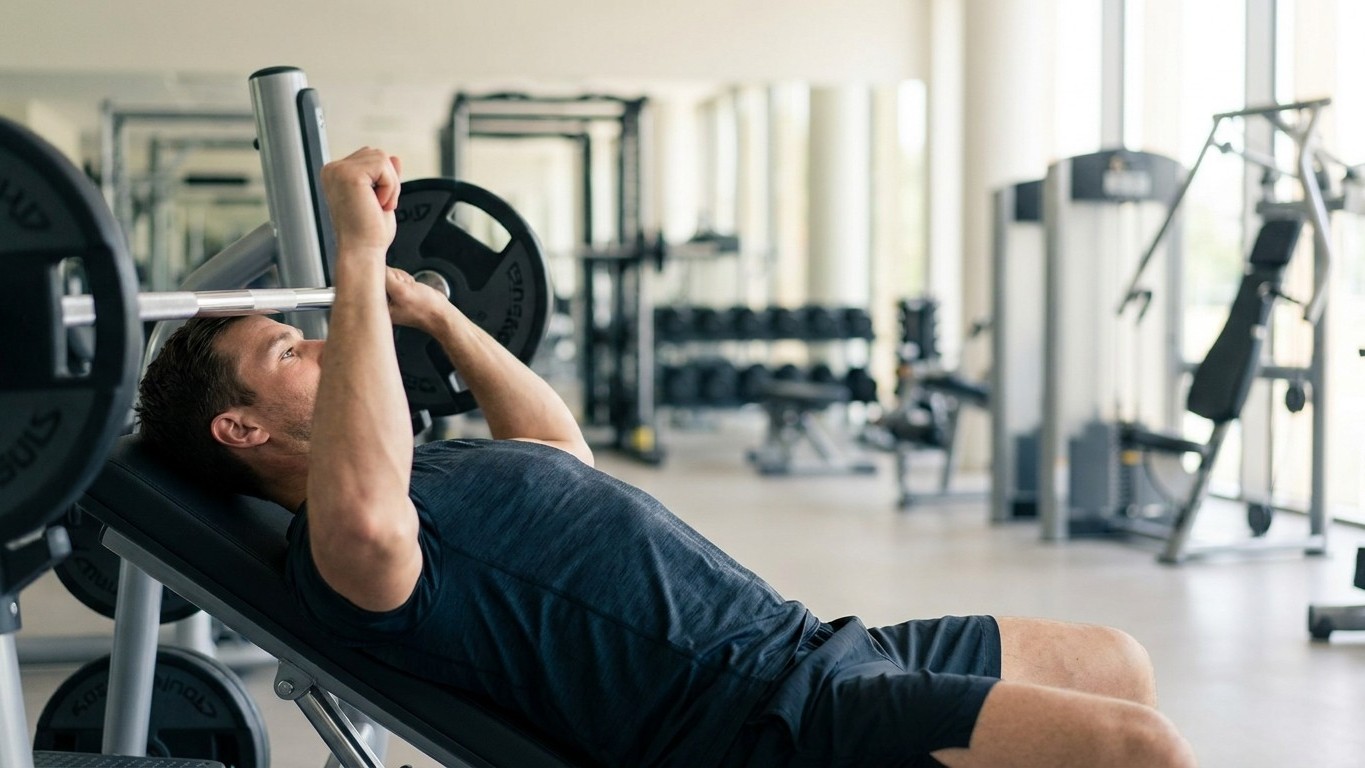
I flared my elbows to 90° on every bench press just to feel my chest more: the day a physio filmed me from the side, I saw what was grinding under my shoulder

I flared my elbows to 90° on every bench press just to feel my chest more: the day a physio filmed me from the side, I saw...

A side-on video revealed subacromial impingement caused by maxed-out elbow flare on bench press. The angle that feels strongest isn’t the safest—and a simple fix keeps your chest engaged without grinding your rotator cuff.

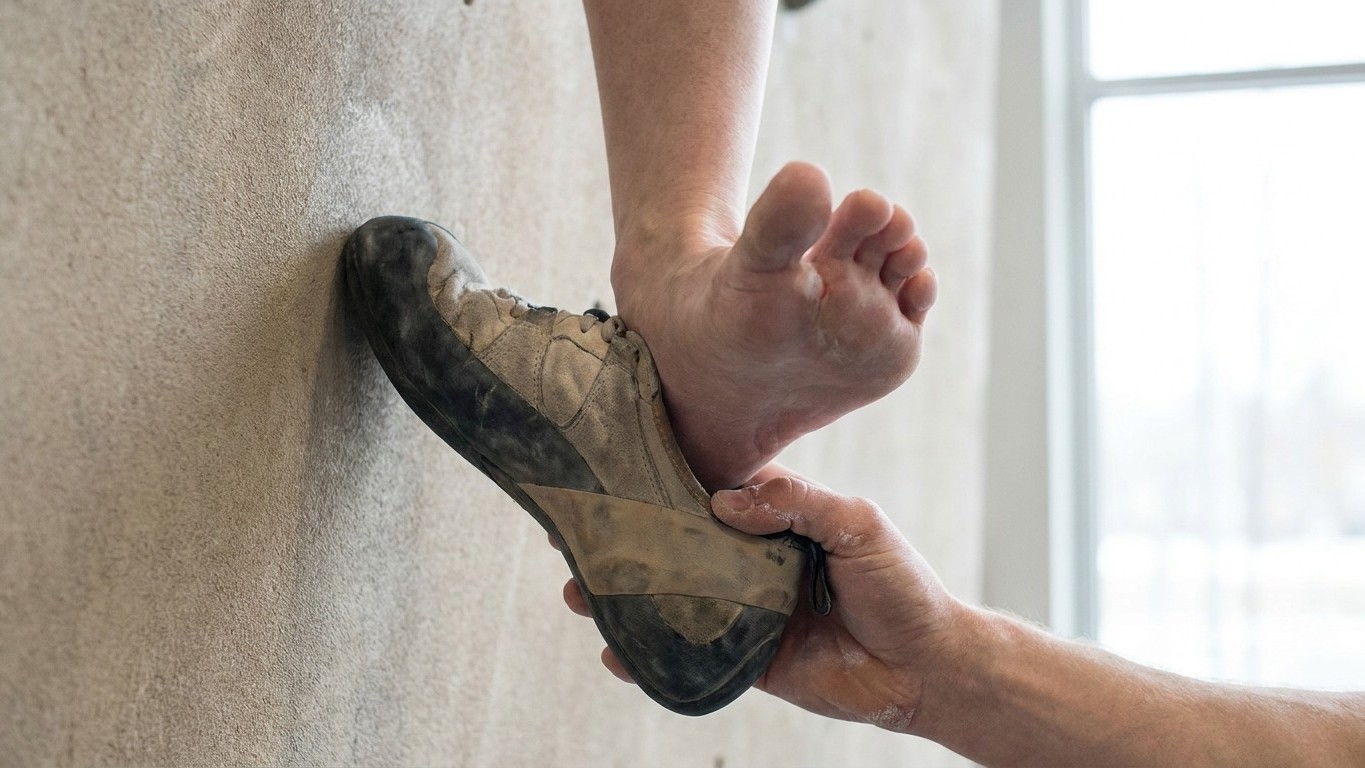
I sized my climbing shoes two full sizes down just to feel the holds better: since then, one spot between my third and fourth toes never stopped burning

I sized my climbing shoes two full sizes down just to feel the holds better: since then, one spot between my third and fou...

Chasing better feel by cramming your feet into climbing shoes two sizes too small comes with a hidden price: Morton’s neuroma, a nerve condition that creates burning pain between your toes. Learn what separates normal climbing discomfort from genuine nerve damage, and how elite climbers are rethinking the downsizing myth.

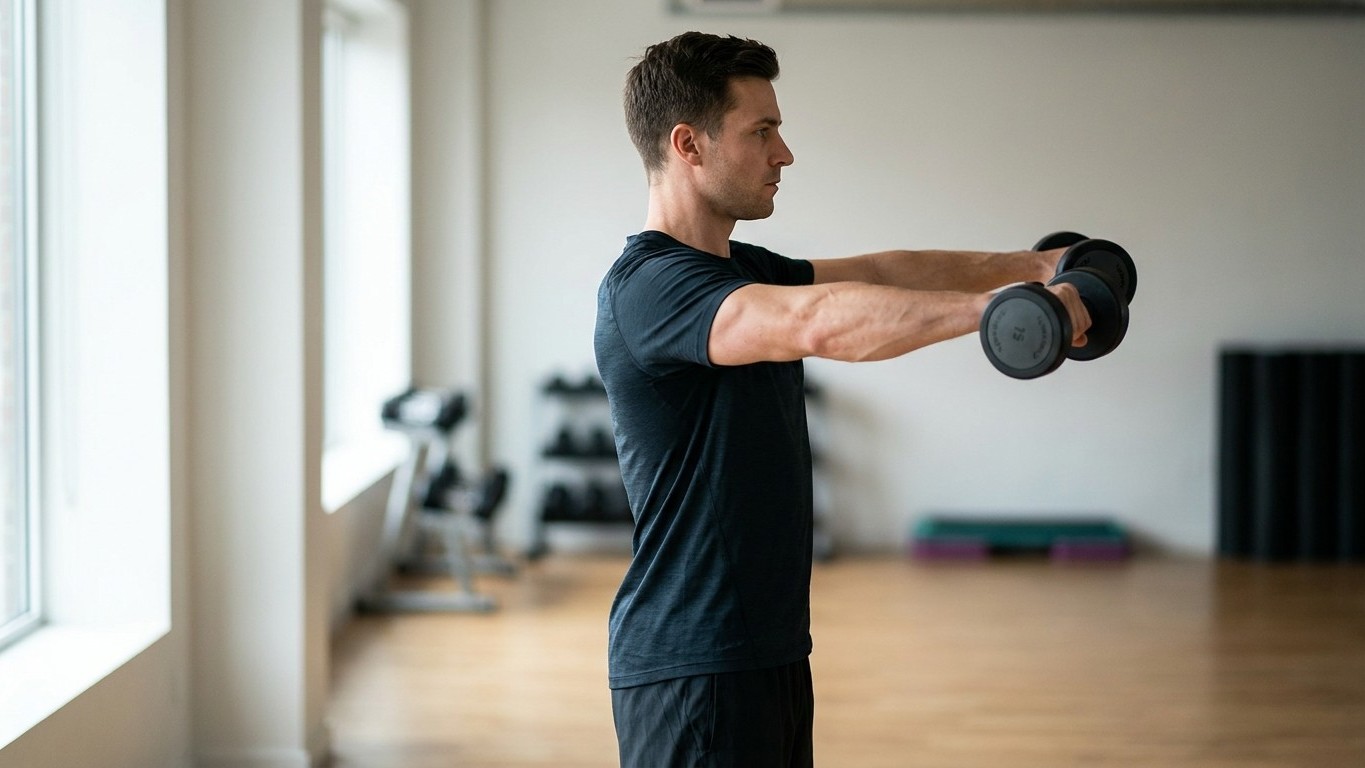
I turned my thumbs toward the floor on every lateral raise just to feel the side delt burn harder: by the first sharp catch in my shoulder, it was too late

I turned my thumbs toward the floor on every lateral raise just to feel the side delt burn harder: by the first sharp catc...

Turning your thumbs down during lateral raises is gym folklore that actually works—but it’s also squeezing your rotator cuff against your shoulder blade. Research shows this position increases compressive force sevenfold, and that sharp catch you feel is your shoulder’s warning sign that something is wrong with the geometry.

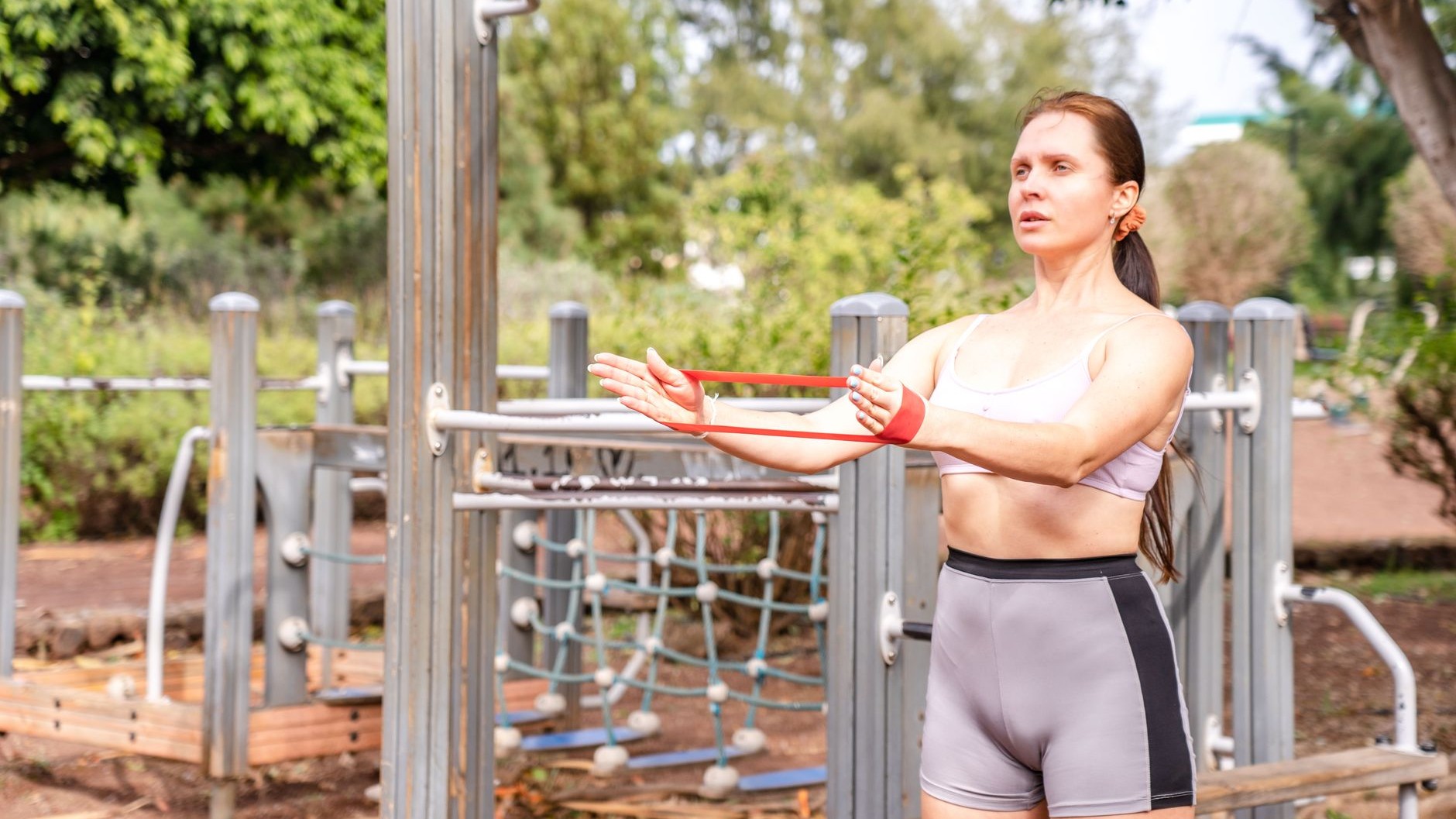
We all keep waiting for the band to break before replacing it, when this one-second stretch check shows the load has already dropped

We all keep waiting for the band to break before replacing it, when this one-second stretch check shows the load has alrea...

Resistance bands fail long before they visibly break. A simple one-second stretch test reveals molecular degradation—uneven tension, sluggish rebound, and texture changes—that precedes snapping by weeks. Discover what your band is really telling you.

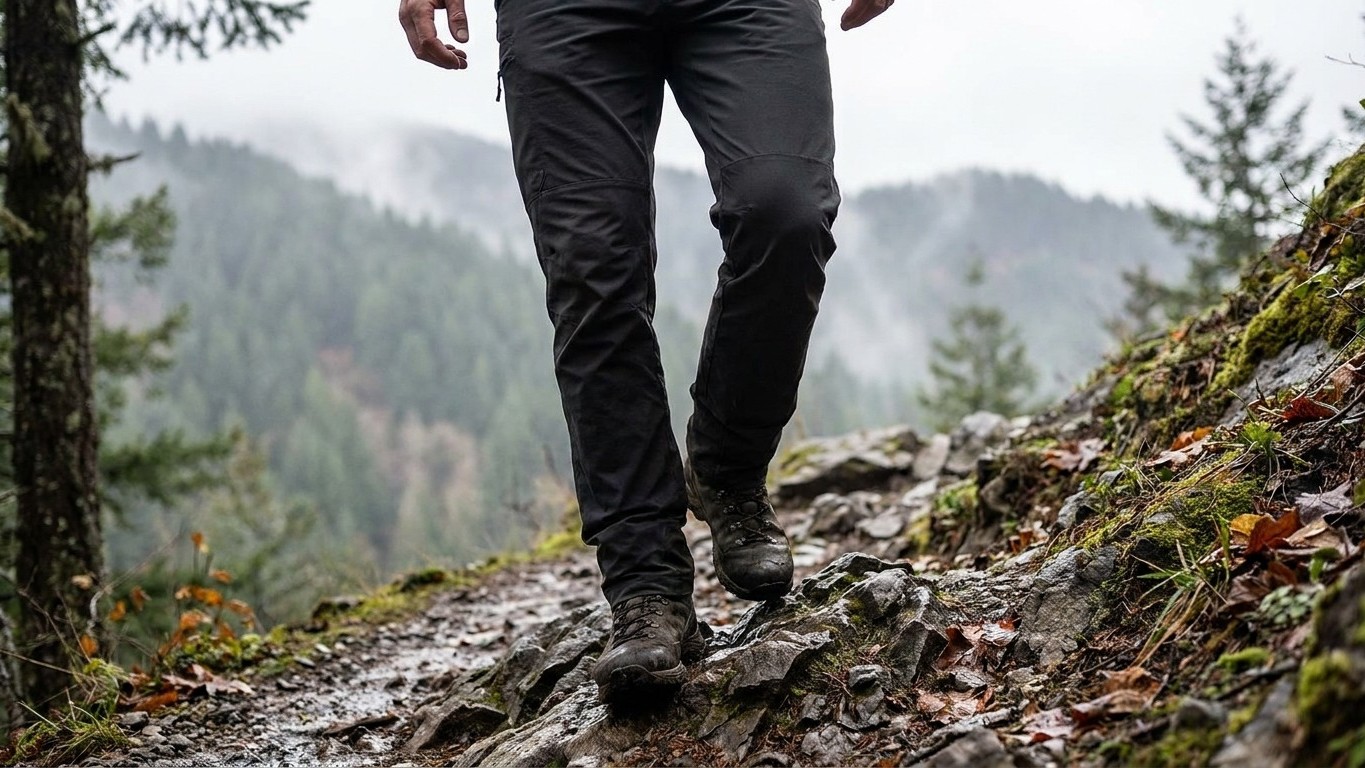
“I thought going downhill was the easy part”: why the descent is the phase of the trail that wears out your knees far more than the climb

'I thought going downhill was the easy part': why the descent is the phase of the trail that wears out your knees far more...

Most hikers brace for the uphill slog, expecting the descent to be an easy reward—but biomechanics tells a painful truth. Your knees experience up to three times more force going downhill than uphill, making the “easy” half of your hike the real threat to joint health.

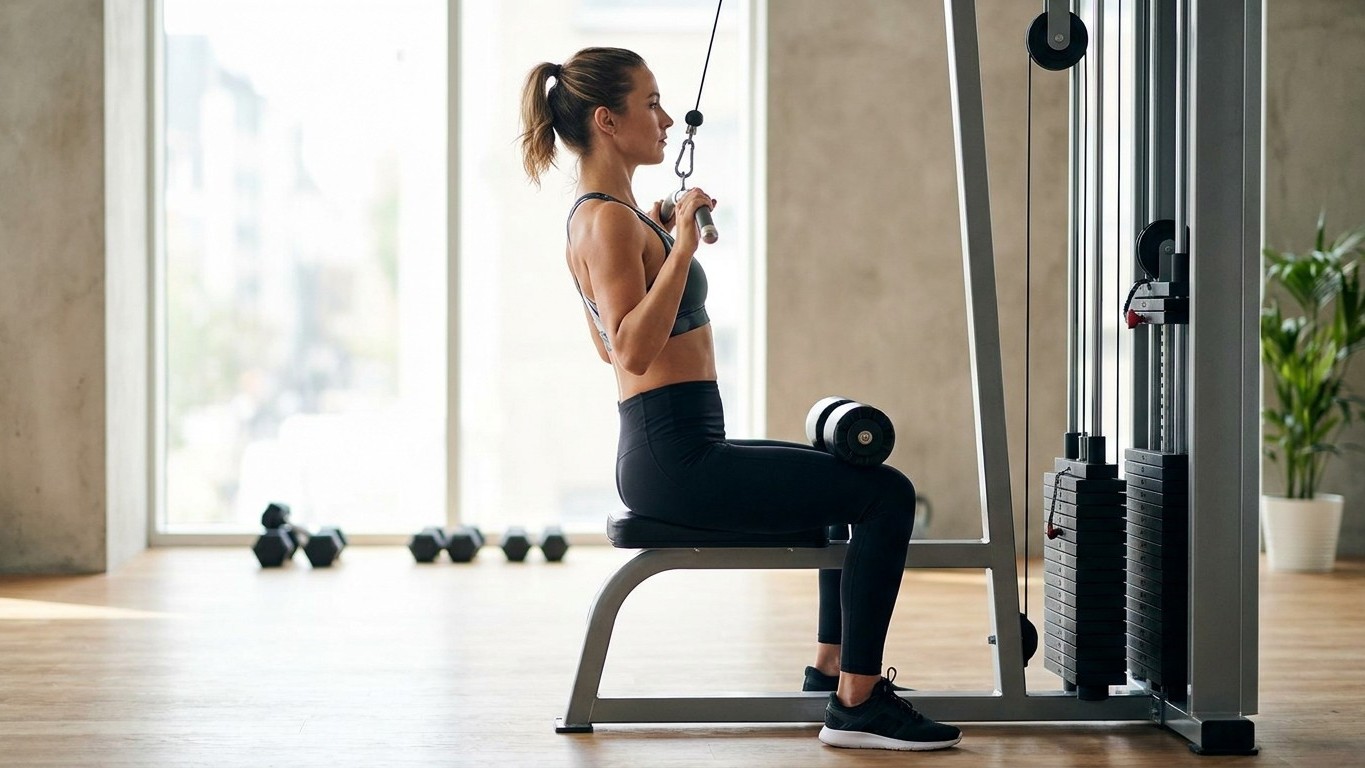
I did behind-the-neck lat pulldowns for years to hit my back harder: a physio showed me what the bar was doing to my rotator cuff every single rep

I did behind-the-neck lat pulldowns for years to hit my back harder: a physio showed me what the bar was doing to my rotat...

Years of behind-the-neck lat pulldowns felt productive—until a physiotherapist showed me exactly what my rotator cuff was experiencing at the bottom of every rep. The position combines multiple demands that most gym-goers’ shoulders simply can’t handle safely, and the damage accumulates silently.

We all keep judging our running shoes by the outsole: this hidden layer stops absorbing shocks around 400 miles and your joints take the difference

We all keep judging our running shoes by the outsole: this hidden layer stops absorbing shocks around 400 miles and your j...

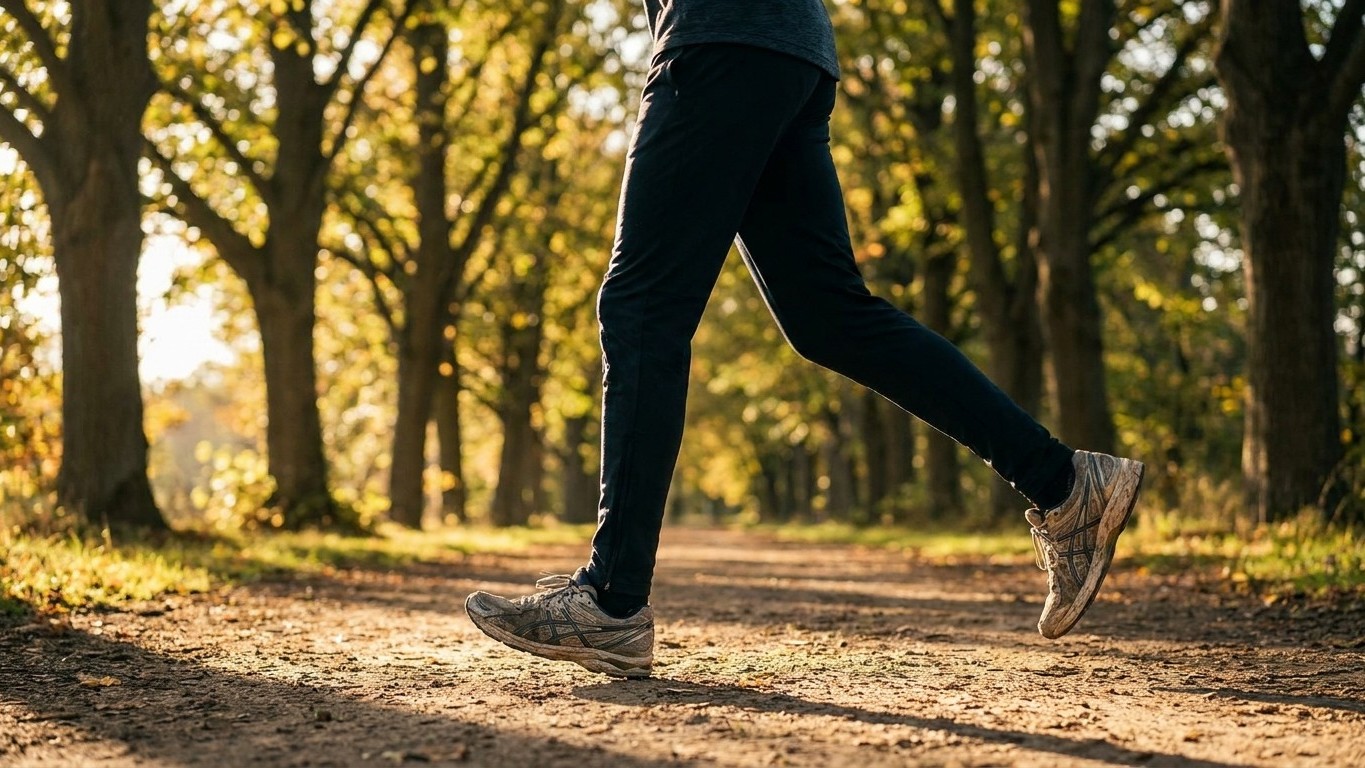
The rubber sole of your running shoes looks fine, but inside, the foam midsole is silently deteriorating. Research shows cushioning drops by up to 40% within the first 500 miles, yet runners rarely notice until injury strikes. Your knees, hips and shins are paying the price.

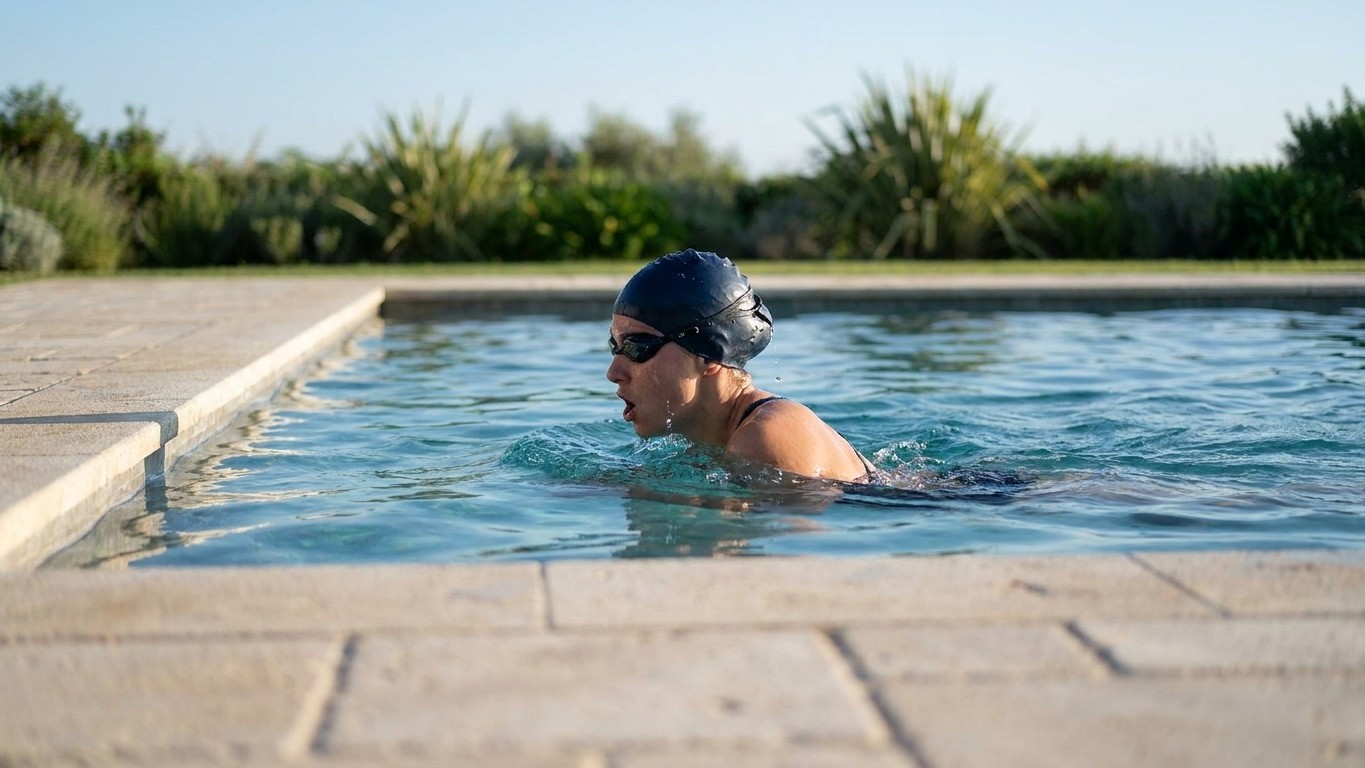
I swam breaststroke with my head above water for years to protect my back: a physiotherapist showed me I was doing the exact opposite

I swam breaststroke with my head above water for years to protect my back: a physiotherapist showed me I was doing the exa...

For years, swimmers have lifted their chins high to stay dry and protect their backs—but physiotherapists reveal this habit causes the exact opposite effect. Sustained head elevation in breaststroke forces your spine into repeated hyperextension, affecting half of all breaststroke swimmers at some point. The fix requires unlearning a protective instinct and relearning proper stroke timing.

I walked on dry sand every morning thinking it was gentler than pavement: when my calves started burning after a week, I understood what my Achilles tendon had been enduring

I walked on dry sand every morning thinking it was gentler than pavement: when my calves started burning after a week, I u...

You assumed soft sand was gentler than pavement—but your burning calves know better. Research reveals that dry sand dramatically increases the workload on your Achilles tendon and calf muscles, forcing them to work double-time with every step. Here’s what’s happening inside your body and how to walk smart.

The Cold Towel Trick: Why Your Body Feels Cool While Overheating

The Cold Towel Trick: Why Your Body Feels Cool While Overheating

A cold towel around your neck feels refreshing during a summer run, but it’s playing a dangerous trick on your body. It cools your perception of heat, not your actual core temperature—allowing you to push harder while your body overheats undetected. Understanding this distinction could be the difference between a safe workout and heat exhaustion.

Skipped Warm-Ups for Years: How My Tendon Failed Long Before It Snapped

Skipped Warm-Ups for Years: How My Tendon Failed Long Before It Snapped

A competitive lifter’s patellar tendon snapped during a routine squat—but the real damage had been accumulating for months through skipped warm-ups. Tendons don’t rupture suddenly; they fail silently under repeated stress without proper preparation and recovery.

Behind-the-Neck Lat Pulldowns Are Slowly Damaging Your Shoulders—Here’s What to Do Instead

Behind-the-Neck Lat Pulldowns Are Slowly Damaging Your Shoulders—Here's What to Do Instead

For years, pulling the lat bar behind your neck feels more intense—but it’s a documented path to cumulative shoulder damage most people don’t notice until it hurts. A simple repositioning to the front of your chest changes everything mechanically, protecting your joints while actually building more muscle.