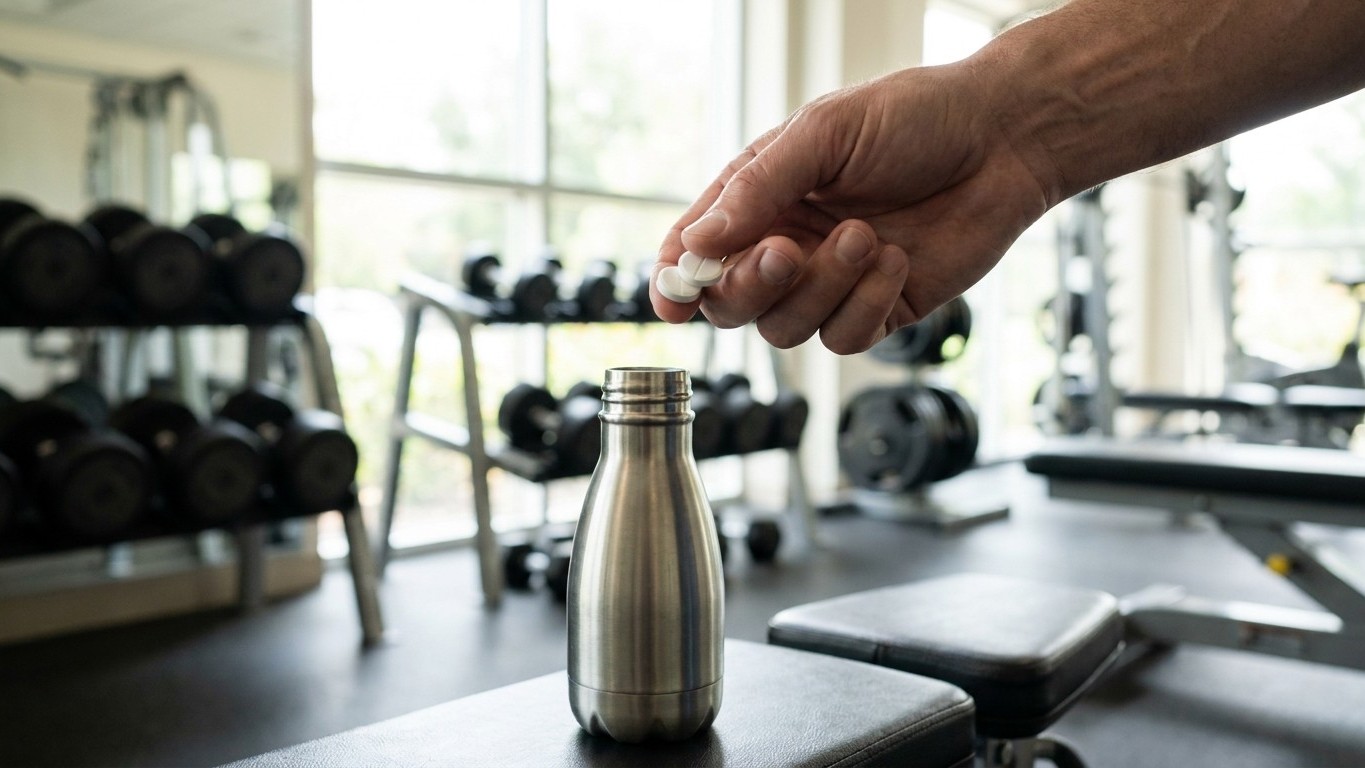
“I thought it was just a painkiller”: why an ibuprofen taken before a workout quietly cancels part of the work you just did

'I thought it was just a painkiller': why an ibuprofen taken before a workout quietly cancels part of the work you just did

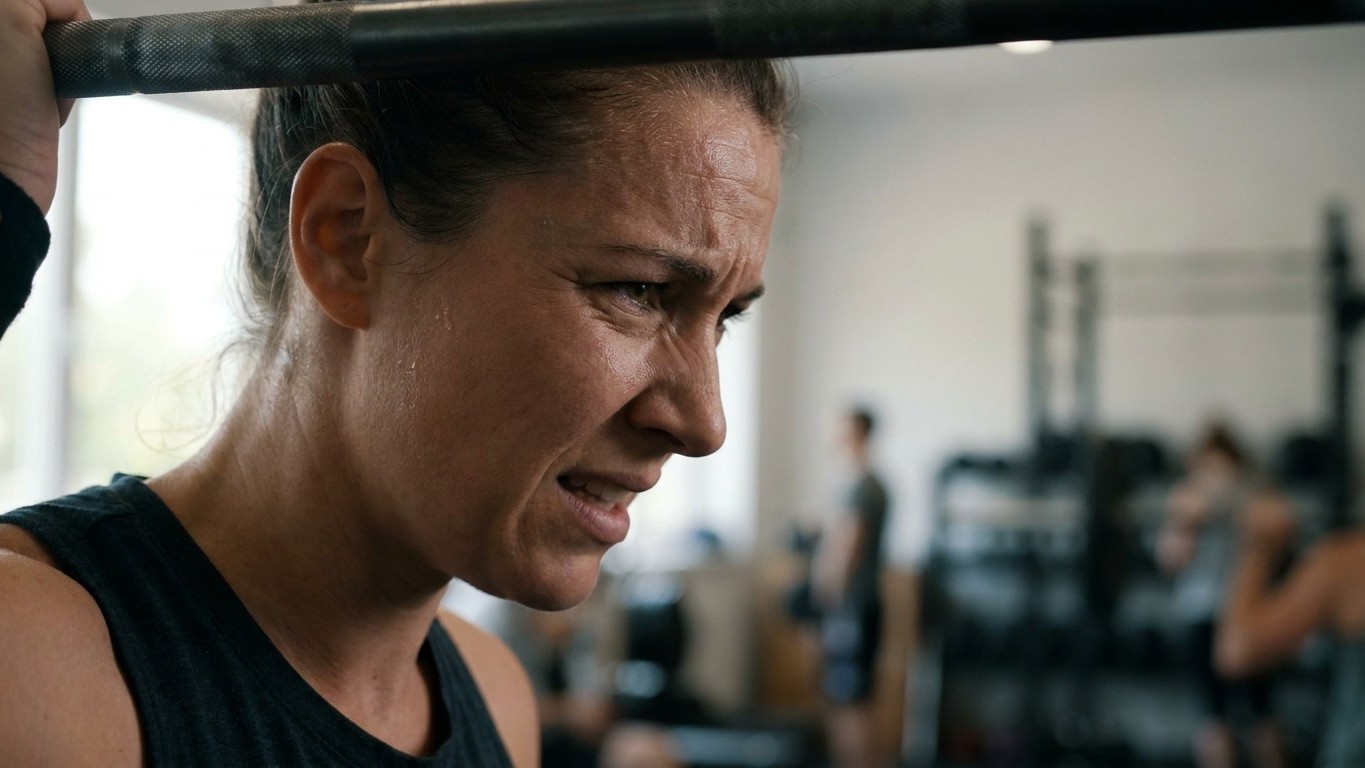
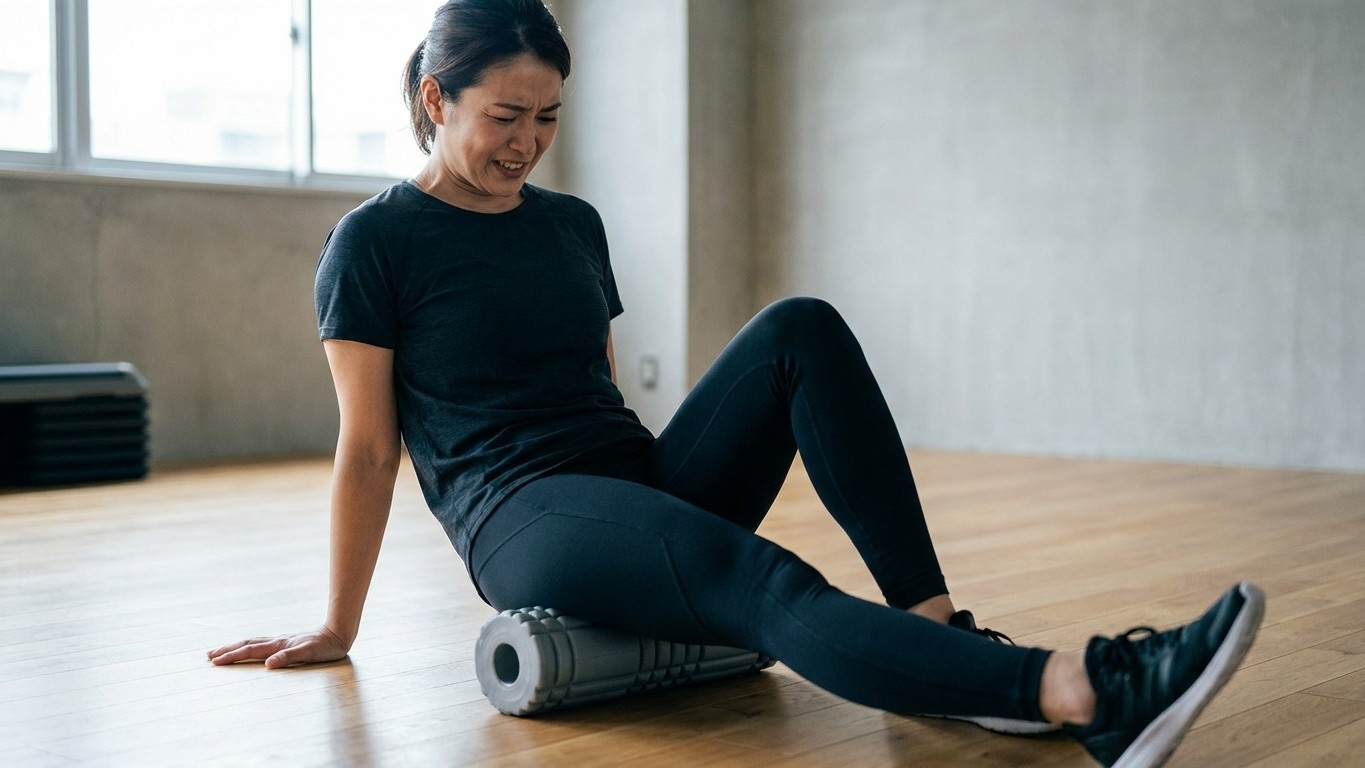
That ibuprofen you take before the gym to prevent soreness? It’s quietly cutting your muscle-building response in half. Research shows NSAIDs don’t just numb pain—they block the biochemical signals your muscles need to grow stronger. Timing and dose change everything.

It’s over for the 30-minute walk in one block: since 2018, the guidelines dropped the one rule that changed everything for blood pressure

It's over for the 30-minute walk in one block: since 2018, the guidelines dropped the one rule that changed everything for...

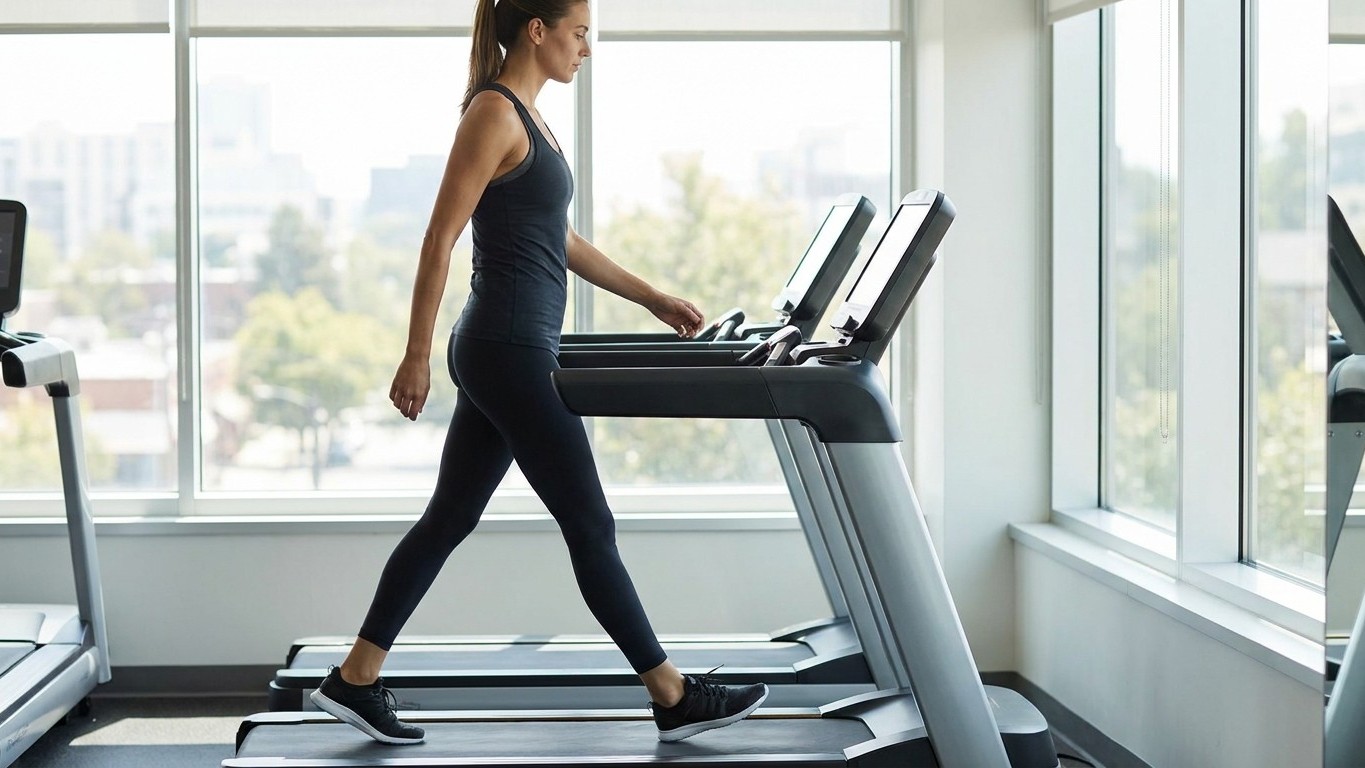
Since 2018, health authorities quietly changed everything: you no longer need a solid 30-minute block to benefit from exercise. Science now shows that scattered short bursts—climbing stairs, brisk walks, even six-minute sessions—count equally toward cardiovascular health and blood pressure management.

“I thought it was just a bit of haze”: why hill repeats above AQI 100 push particles all the way down into your alveoli

'I thought it was just a bit of haze': why hill repeats above AQI 100 push particles all the way down into your alveoli

When you push hard on a hill repeat during hazy conditions, your breathing rate skyrockets and your mouth takes over from your nose’s natural filtration. This deadly combination allows fine particles to penetrate deep into your alveoli—the very place where your lungs exchange oxygen. Learn what the science reveals about exercise, pollution, and lung damage.

“I thought it was just tired legs”: why skipping rope on hard tile sends the shock straight into the lining of your shin

'I thought it was just tired legs': why skipping rope on hard tile sends the shock straight into the lining of your shin

That dull ache up your shin after skipping isn’t just tired muscles—it’s your bone lining being repeatedly jarred by impact forces that hard tile simply won’t absorb. Medial tibial stress syndrome affects up to 56% of people doing repetitive impact training, and the surface beneath your feet matters far more than most home exercisers realize.

We all keep blaming our lats for giving out on the pulldown, when it’s the padding in our gloves that decides when the set really ends

We all keep blaming our lats for giving out on the pulldown, when it's the padding in our gloves that decides when the set...

You’ve been blaming your lats for giving out on pulldowns, but the real culprit might be sitting in your gym bag. A 2023 study revealed that just 3-6mm of glove padding can cost you double-digit kilograms of grip strength—enough to end your set before your back muscle has truly worked. Discover why competitive lifters ditch gloves and what actually works.

“I thought it was just a long, smooth stride”: why a heel landing ahead of the hip sends every impact straight up the shin

'I thought it was just a long, smooth stride': why a heel landing ahead of the hip sends every impact straight up the shin

That long, smooth running stride you’ve perfected? It might be an illusion masking a biomechanical disaster. When your heel lands ahead of your hip with a locked knee, every impact travels straight up your tibia—a pattern affecting up to 20% of runners and linked to shin splints, runner’s knee, and stress fractures.

« I thought it was just extra comfort » : why the soft midsole under your heel sends the barbell load straight into your lower back

« I thought it was just extra comfort » : why the soft midsole under your heel sends the barbell load straight into your l...

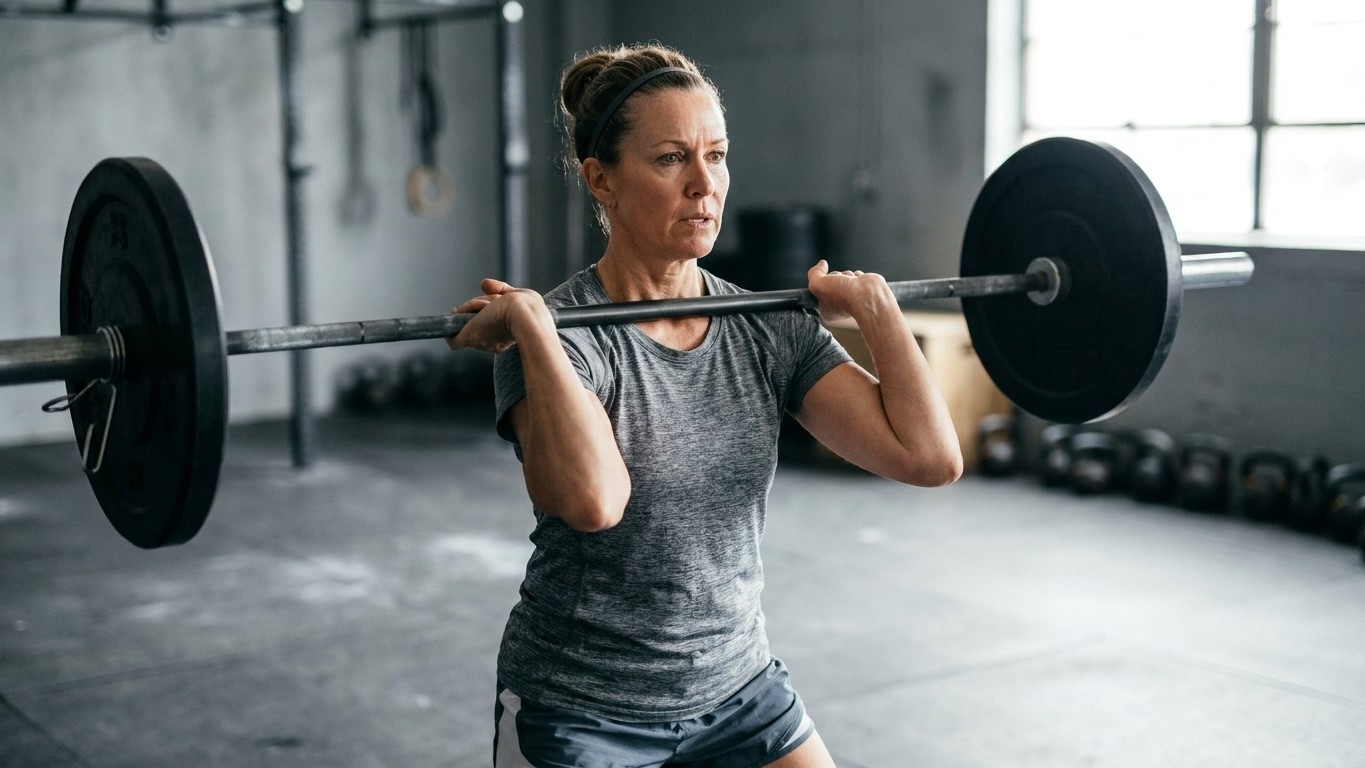
That plush trainer sole feels comfortable—but under a loaded barbell, it’s a liability. As your heel sinks into foam, your body scrambles for stability it should get from the ground, forcing your lower back to take on work it was never meant to handle. The fix is simpler than you think.

I kept my treadmill at a 1% incline for months just to burn more: the morning my Achilles started pulling, I understood what my calf had never done

I kept my treadmill at a 1% incline for months just to burn more: the morning my Achilles started pulling, I understood wh...

After three months of religiously maintaining a 1% treadmill incline, a sharp Achilles pull stopped me mid-stride. What I discovered was that constant, unchanging tension had quietly rewritten how my tendon tolerates load—and the science behind why fixed gradients are biomechanically different from genuine hill training.

I wedged a pull-up bar between two door frames just to avoid drilling: the day I pulled on it a bit too fast, I understood what was really holding it up

I wedged a pull-up bar between two door frames just to avoid drilling: the day I pulled on it a bit too fast, I understood...

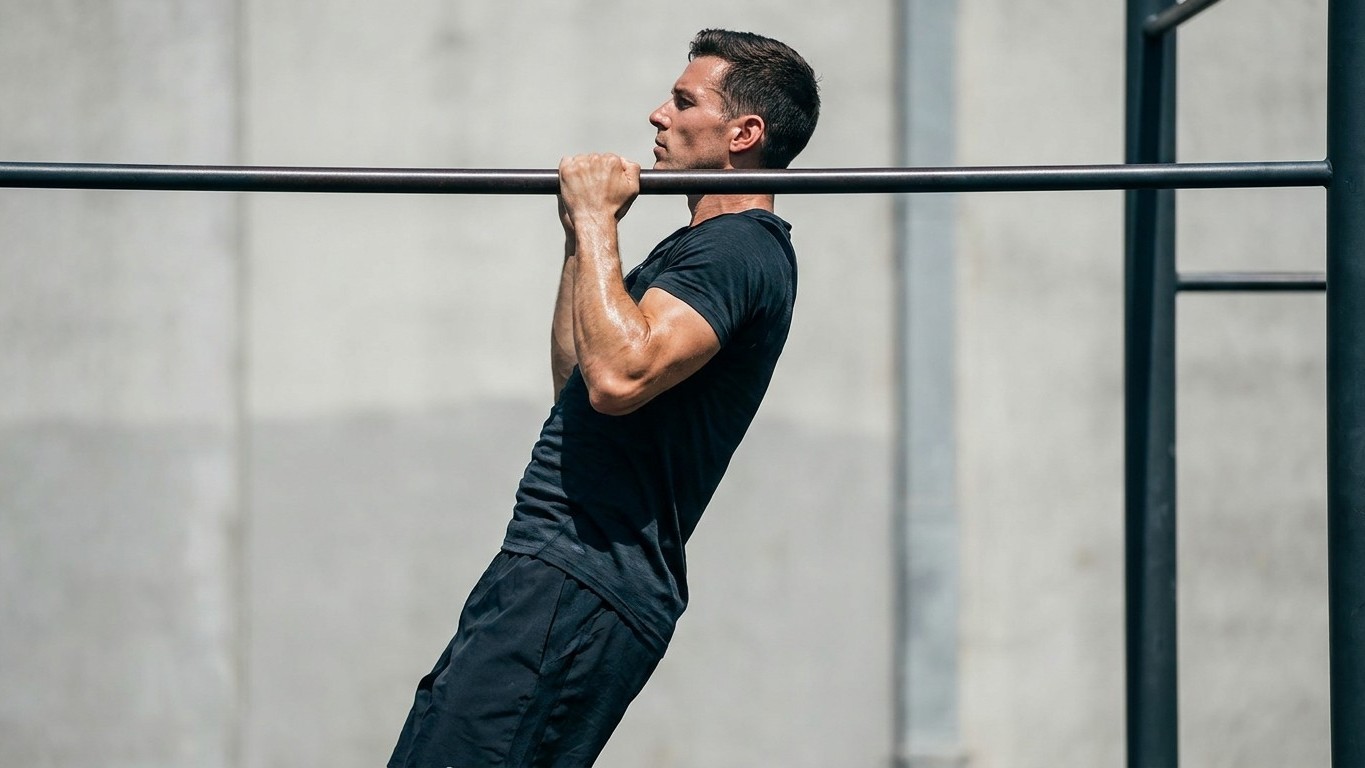
A too-aggressive pull-up rep revealed a terrifying truth: these doorway bars work through pure physics, not luck. One moment of jerky movement exposed the fragile force relationship between steel and timber—and why your doorframe is far weaker than the equipment rating.

I wore my compression knee sleeve all day just to feel supported: the morning I finally took it off, I understood what my thigh had stopped doing

I wore my compression knee sleeve all day just to feel supported: the morning I finally took it off, I understood what my ...

That hollow sensation in your thigh after removing a compression sleeve isn’t weakness—it’s your muscle recalibrating after hours of constant sensory feedback. Research reveals compression changes how your nervous system recruits muscle fibres, but the real benefit might surprise you.

«I thought a big gear meant strong legs»: why grinding uphill at 60 rpm loads the knee a little more at every single stroke

«I thought a big gear meant strong legs»: why grinding uphill at 60 rpm loads the knee a little more at every single stroke

Mashing a big gear at 60rpm feels powerful, but research shows it increases knee joint stress by nearly a third compared to spinning at 90rpm. The culprit isn’t lack of fitness—it’s biomechanics. Here’s what the science says about protecting your knees on every climb.

« I thought that top eyelet was just there for show »: why skipping it is the real reason your toenails turn black

« I thought that top eyelet was just there for show »: why skipping it is the real reason your toenails turn black

That unused eyelet at the top of your running shoe isn’t decorative—it’s a heel lock designed to prevent your foot sliding forward and your toenails turning black. Most runners never use it, which explains why black toenails are so common after long runs and hikes. The fix is surprisingly simple once you know the technique.