«I thought a big gear meant strong legs»: why grinding uphill at 60 rpm loads the knee a little more at every single stroke

«I thought a big gear meant strong legs»: why grinding uphill at 60 rpm loads the knee a little more at every single stroke

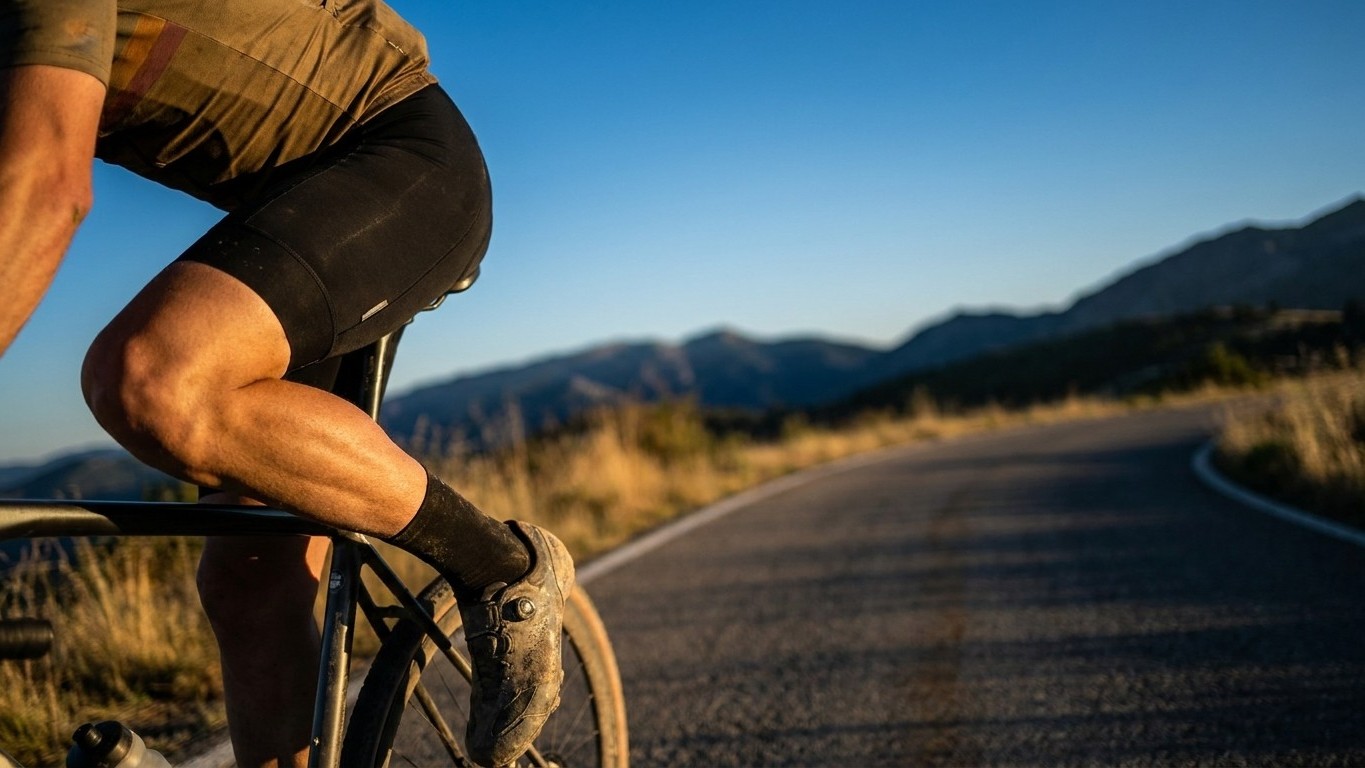
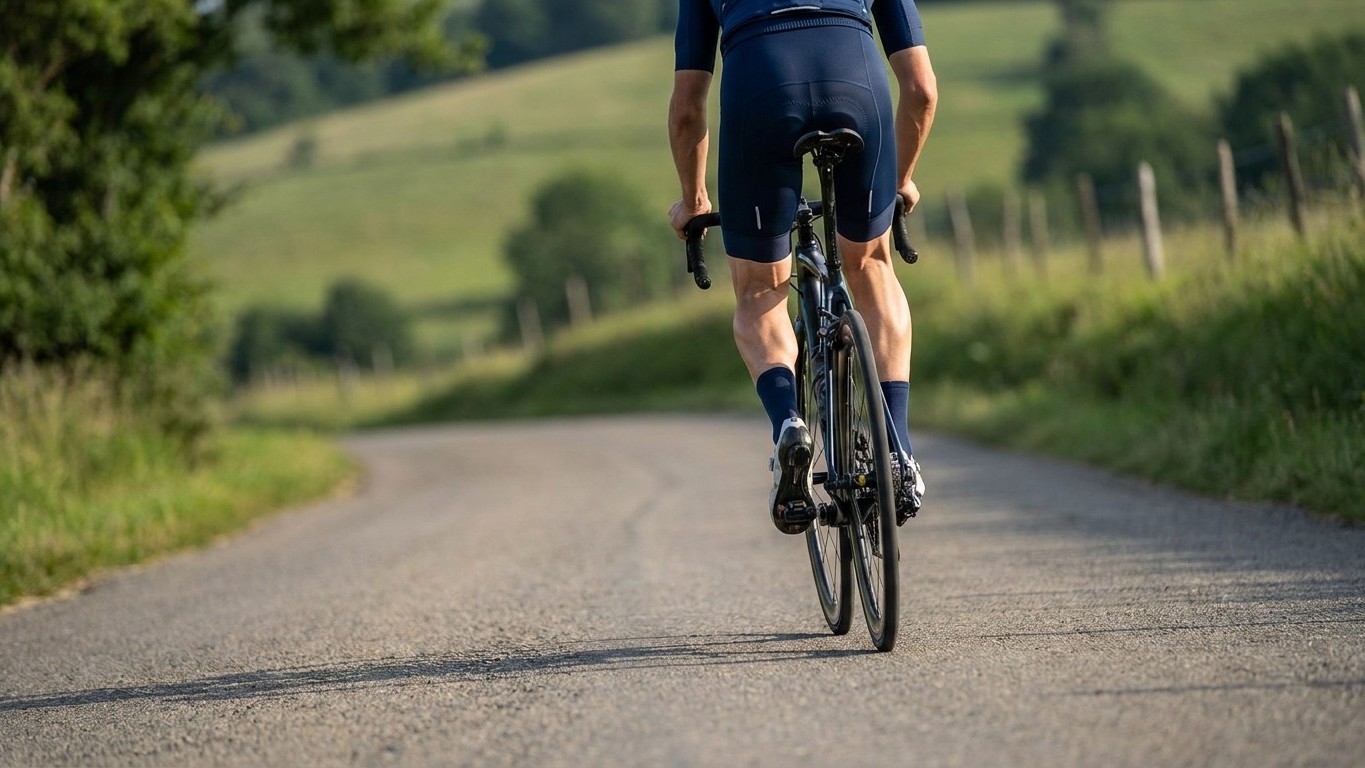
Mashing a big gear at 60rpm feels powerful, but research shows it increases knee joint stress by nearly a third compared to spinning at 90rpm. The culprit isn’t lack of fitness—it’s biomechanics. Here’s what the science says about protecting your knees on every climb.

“I thought going downhill was the easy part”: why the descent is the phase of the trail that wears out your knees far more than the climb

'I thought going downhill was the easy part': why the descent is the phase of the trail that wears out your knees far more...

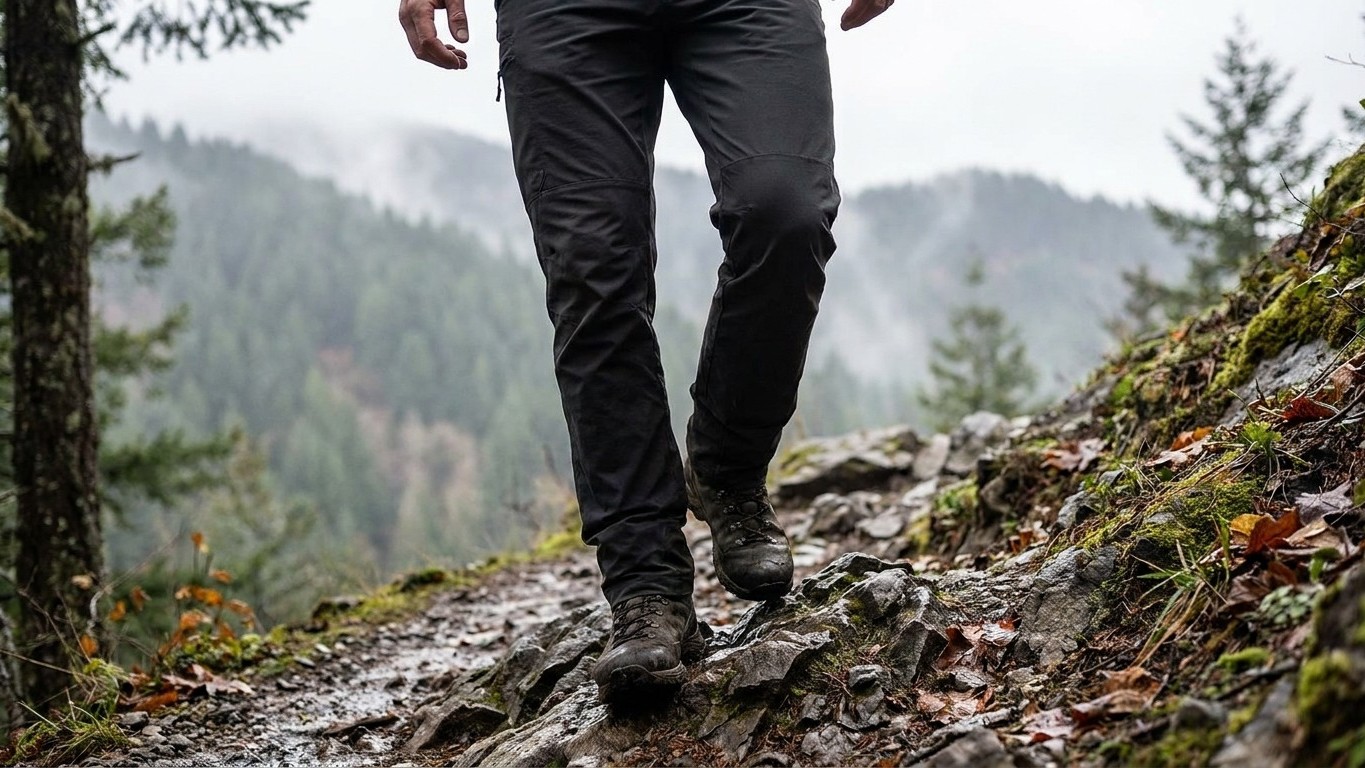
Most hikers brace for the uphill slog, expecting the descent to be an easy reward—but biomechanics tells a painful truth. Your knees experience up to three times more force going downhill than uphill, making the “easy” half of your hike the real threat to joint health.

I squatted in my running shoes for years thinking cushioning protected me: the day a coach filmed my heels under the bar, I understood why my knees hurt

I squatted in my running shoes for years thinking cushioning protected me: the day a coach filmed my heels under the bar, ...

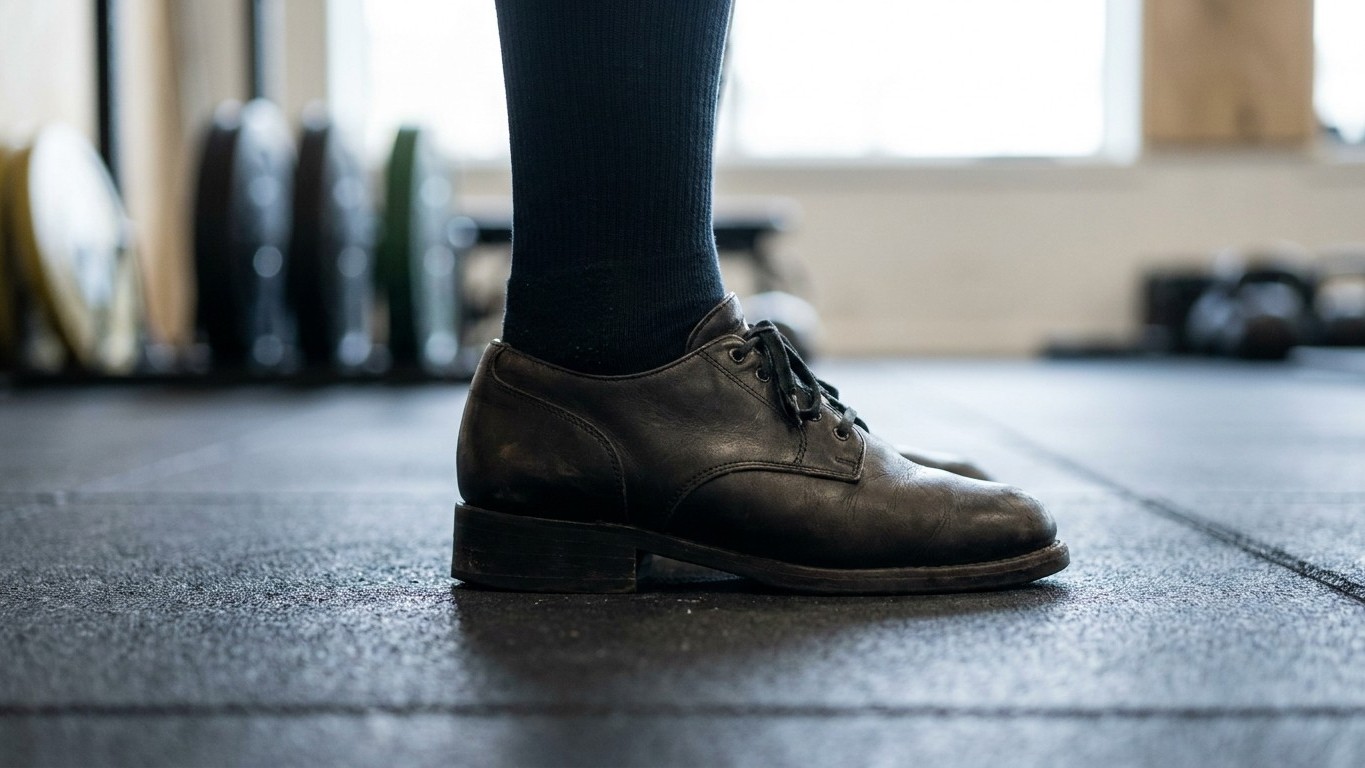
For years, a lifter trusted cushioned running shoes for squatting, unaware that soft soles were amplifying every micro-movement into knee pain. One slow-motion video revealed the culprit: heel lift and inward knee drift. Here’s what the biomechanics actually show about footwear and lifting.

Why Foam Rolling Your IT Band Is Making Your Knee Pain Worse

Why Foam Rolling Your IT Band Is Making Your Knee Pain Worse

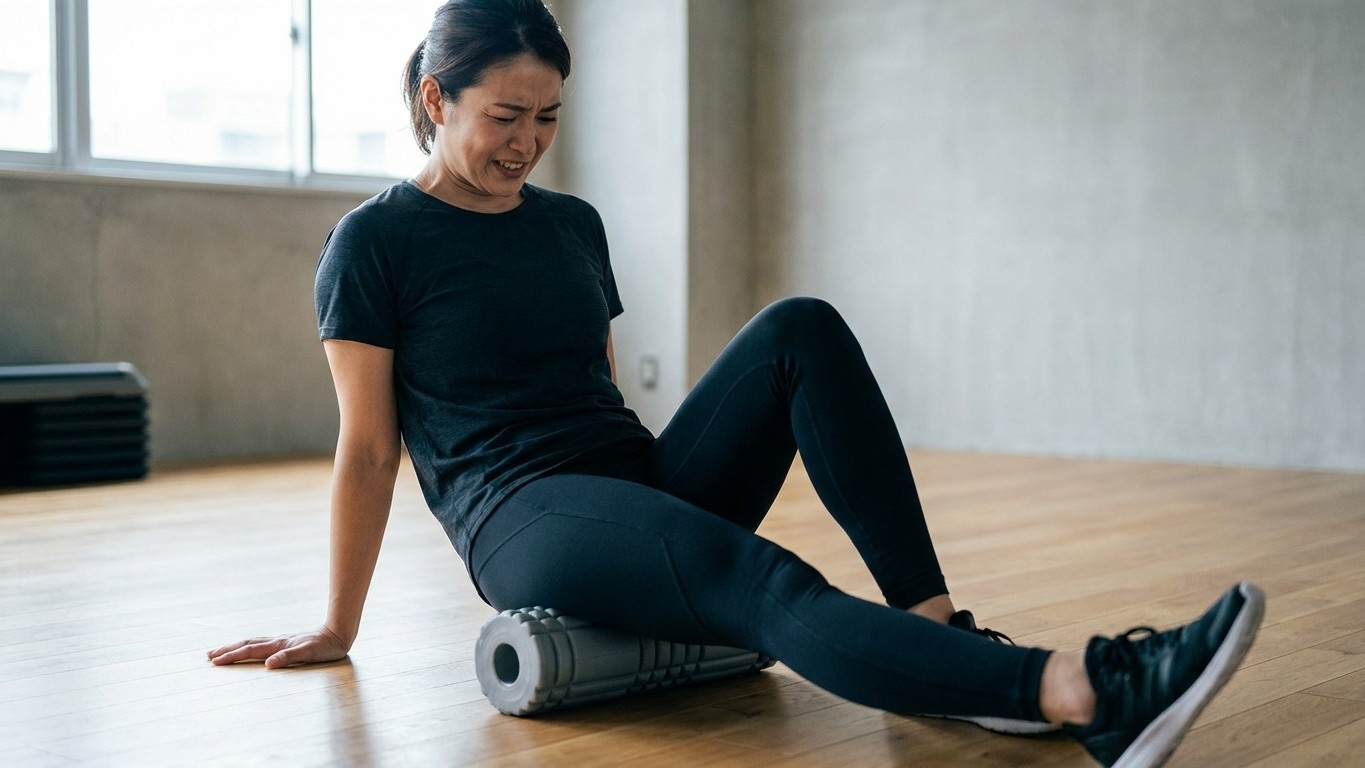
Foam rolling the IT band is ubiquitous gym advice—but it’s based on flawed logic. Research shows the IT band is connective tissue that can’t stretch under pressure, and rolling it actually increases inflammation in already-irritated structures. The real solution lies in strengthening the hip stabilizers that are causing the problem in the first place.

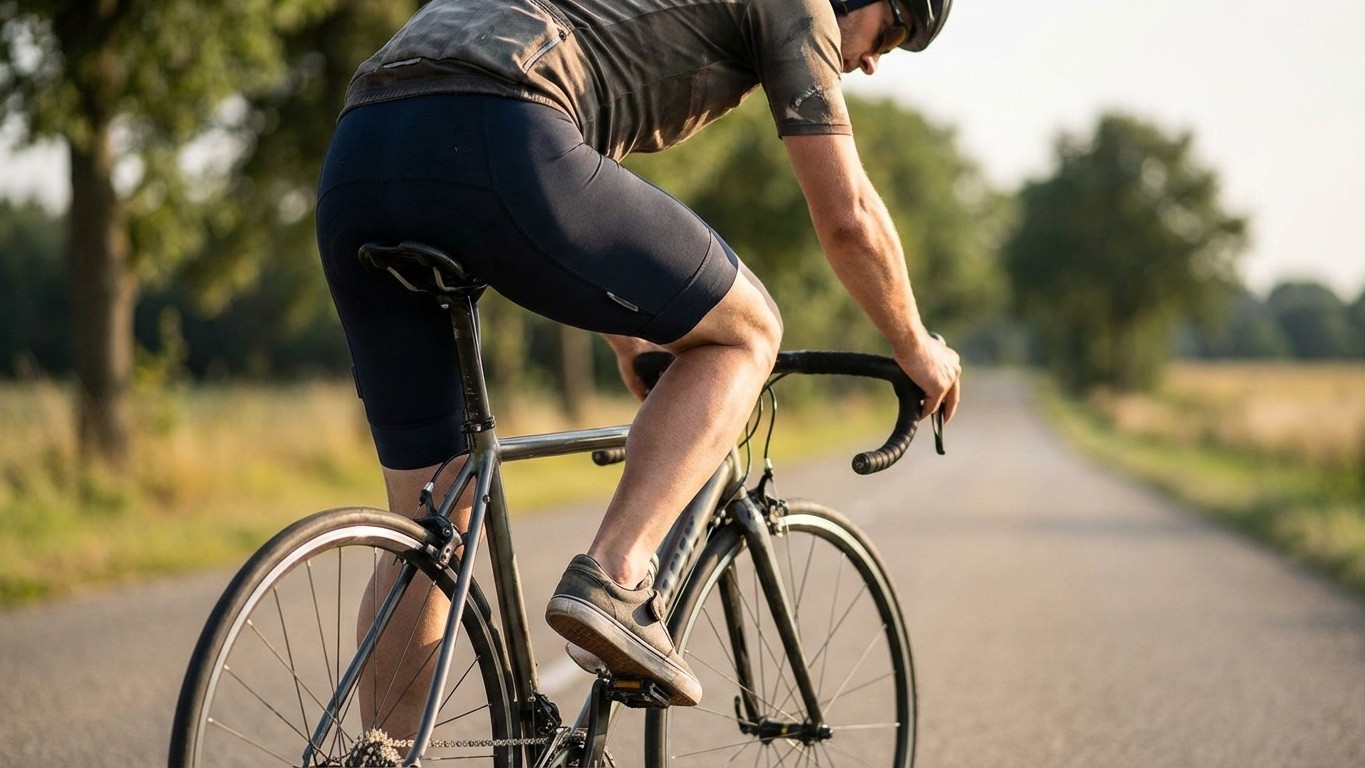
Your Saddle Height Is Grinding Your Kneecap to Bone—And You Don’t Know It Yet

Your Saddle Height Is Grinding Your Kneecap to Bone—And You Don't Know It Yet

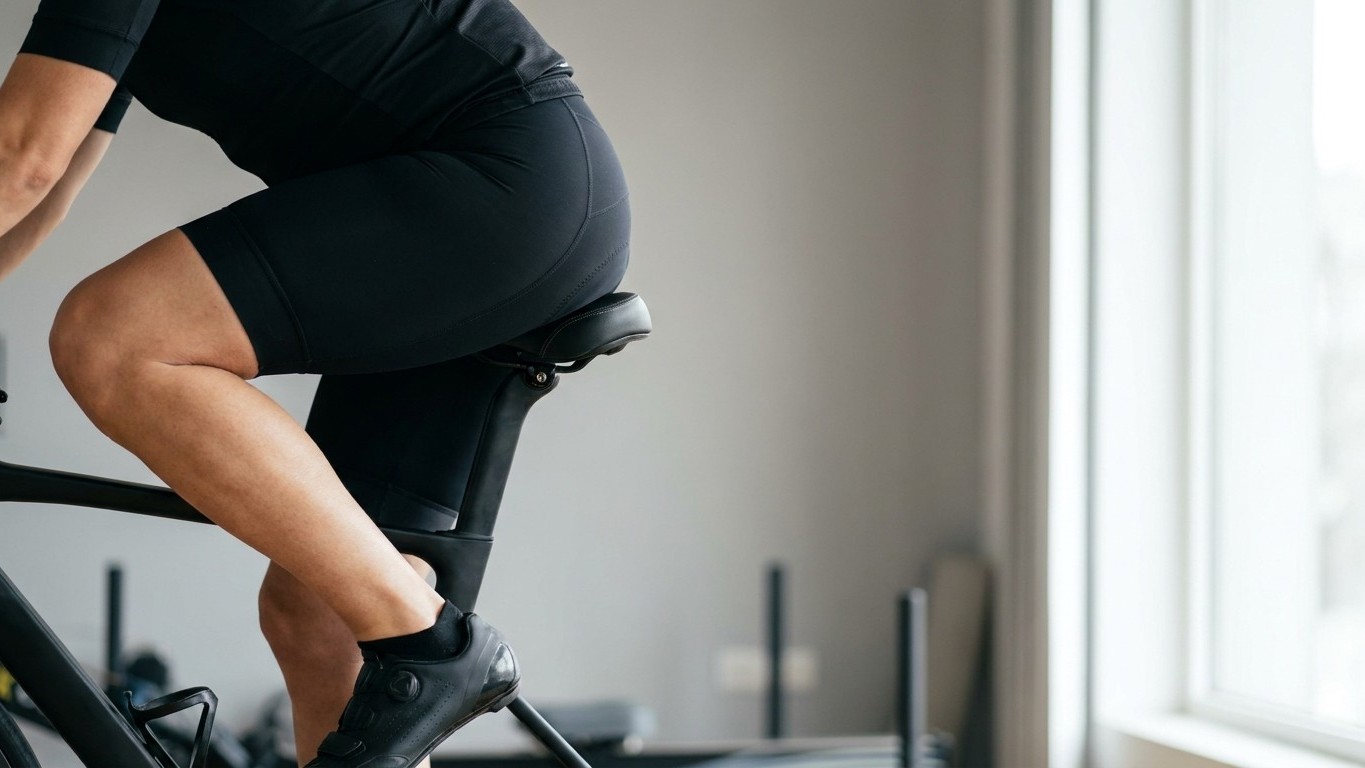
A saddle set just a centimetre too low silently damages your knees through thousands of pedal strokes, grinding cartilage and straining tendons long before pain appears. Professional bike fitters spot this in seconds—but your knees might take months to warn you. Here’s what’s actually happening and how to fix it.

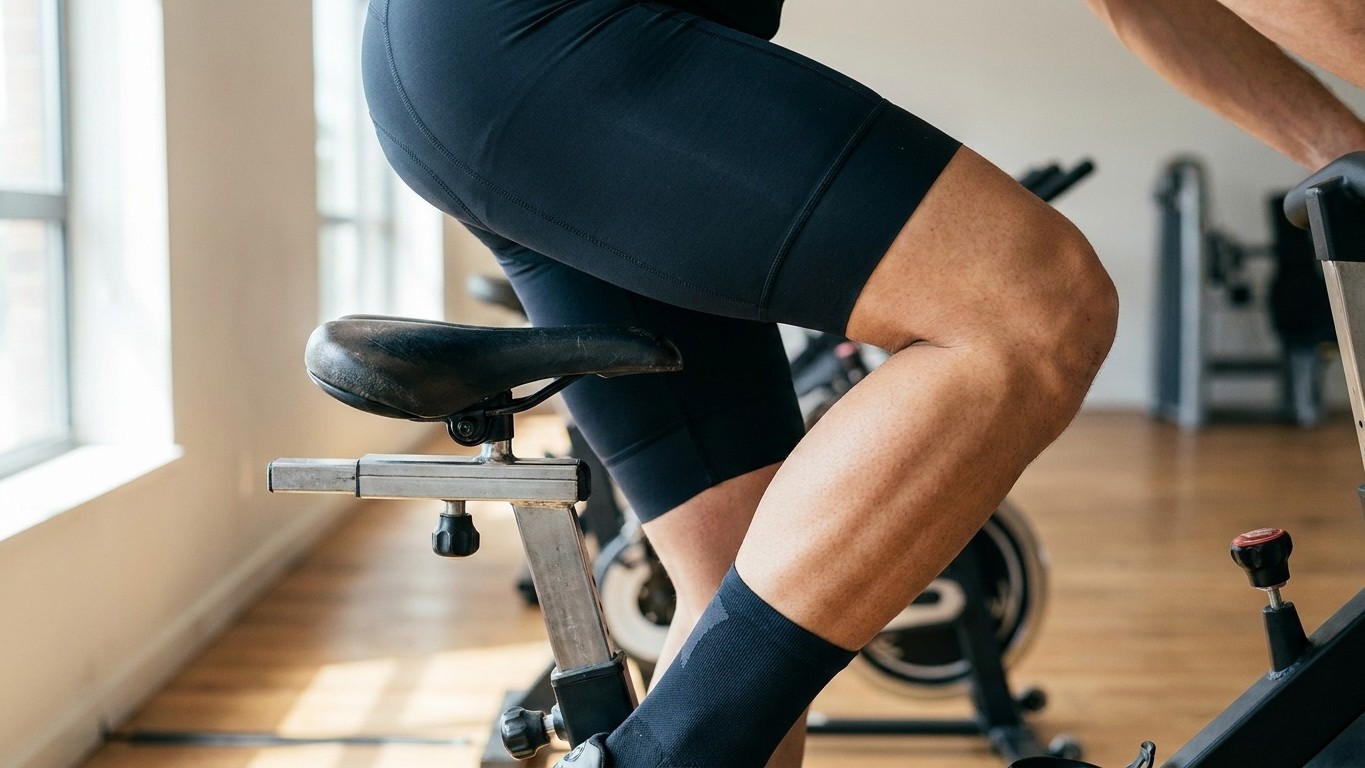
Why Lowering Your Spin Bike Saddle for Comfort Is Grinding Your Knees Away

Why Lowering Your Spin Bike Saddle for Comfort Is Grinding Your Knees Away

That comfortable low saddle position on your spin bike is silently damaging your knees with every pedal stroke. A physiotherapist can hear the grinding sound it causes, but the fix is simpler than you think: correct saddle height combined with targeted hip strengthening.

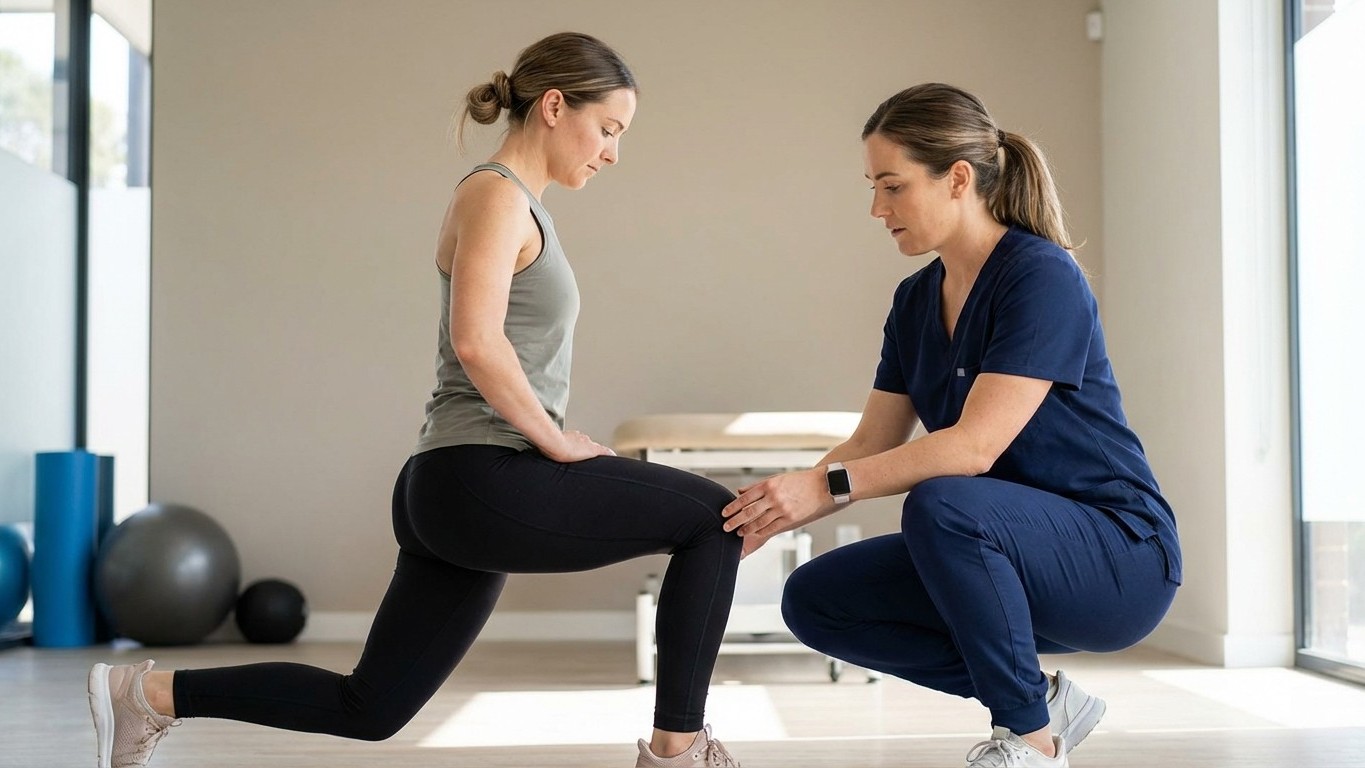
Years of Lunges Wasted: Why Your Quad Never Actually Fires (And How to Fix It)

Years of Lunges Wasted: Why Your Quad Never Actually Fires (And How to Fix It)

After years of leg training, a physiotherapist revealed a hidden problem: the vastus medialis oblique—the quad muscle critical for knee stability—was completely dormant. The fix involves understanding why this happens and a surprisingly simple six-week retraining protocol.

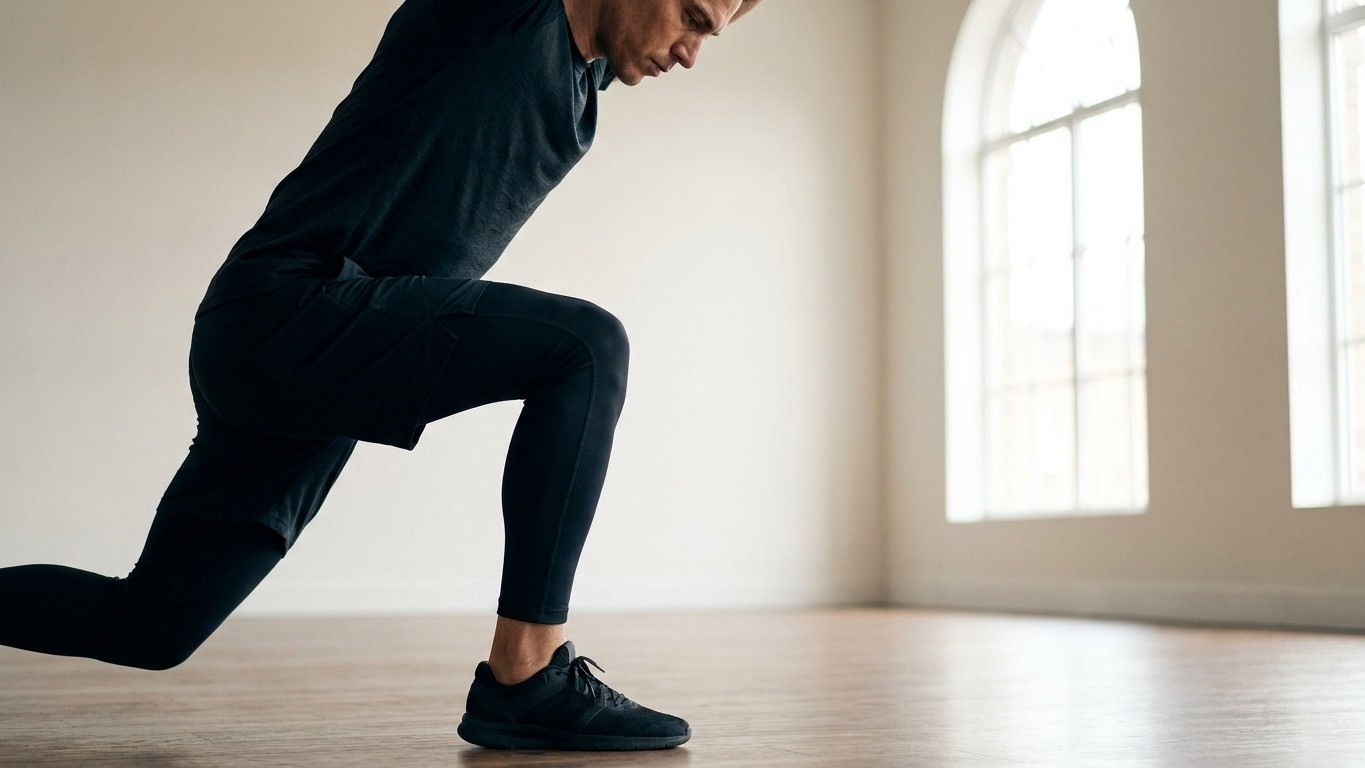
I Did Reverse Lunges Daily for a Year—Here’s What My Physio Found Was Damaging My Knees

I Did Reverse Lunges Daily for a Year—Here's What My Physio Found Was Damaging My Knees

A year of daily reverse lunges left me with persistent knee pain. My physiotherapist revealed the hidden damage: poor form, weak hip muscles, and zero recovery time. Here’s what I learned about why ‘safe’ exercises can hurt you—and how to do them right.

Years of Running, One Preventable Mistake: The Beginner Errors Physiotherapists Say Are Destroying Your Knees

Years of Running, One Preventable Mistake: The Beginner Errors Physiotherapists Say Are Destroying Your Knees

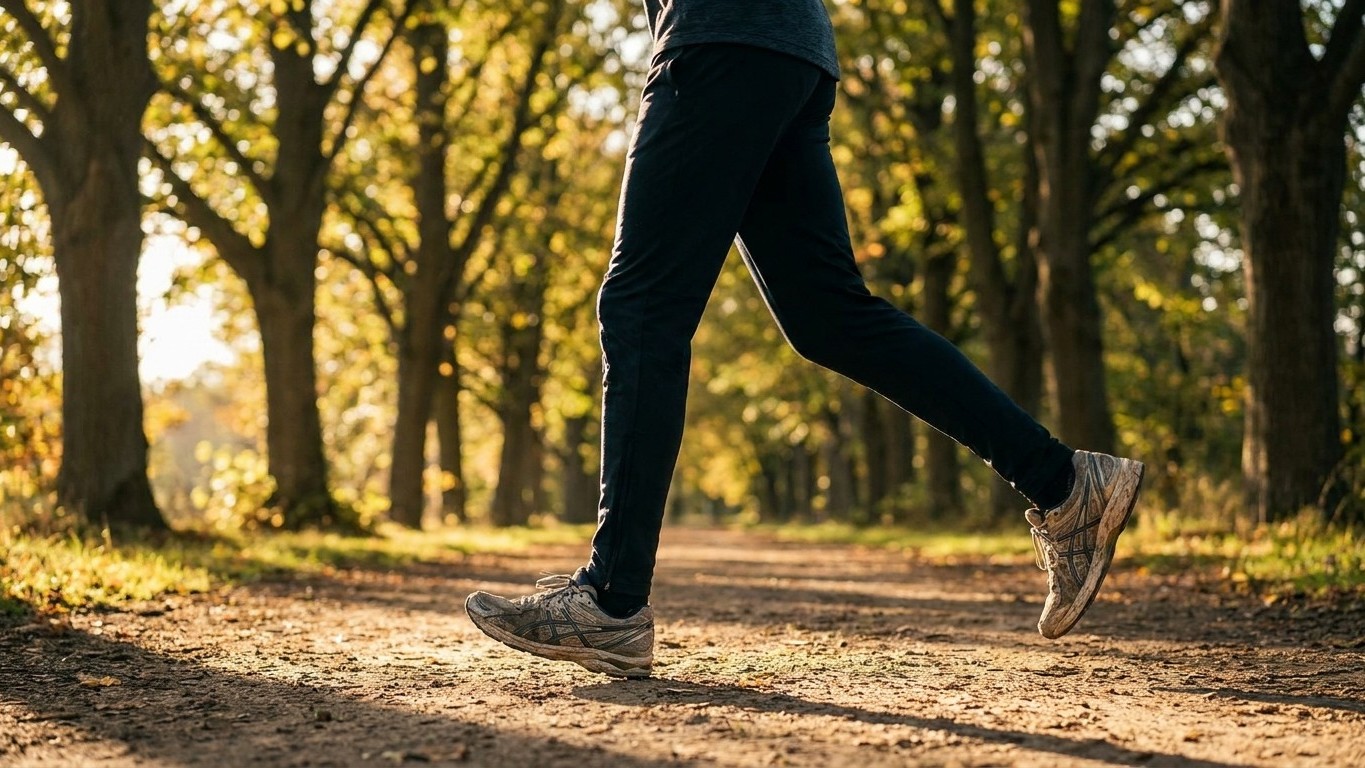
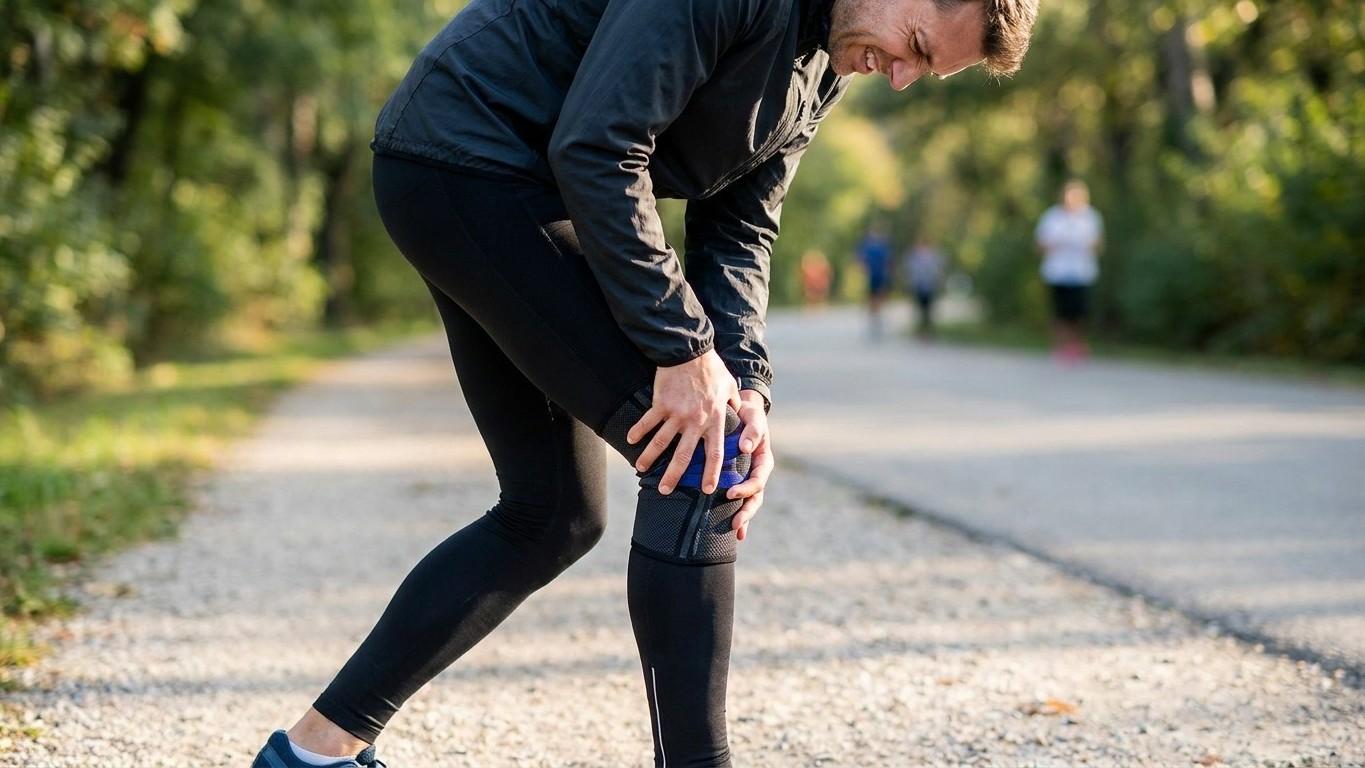
Every runner’s knee absorbs millions of impacts, yet most damage isn’t from drama—it’s from quiet, preventable mistakes made at the start. Physiotherapists reveal the exact errors that accumulate into injury, and how fixing them early can protect your knees for decades of running.