
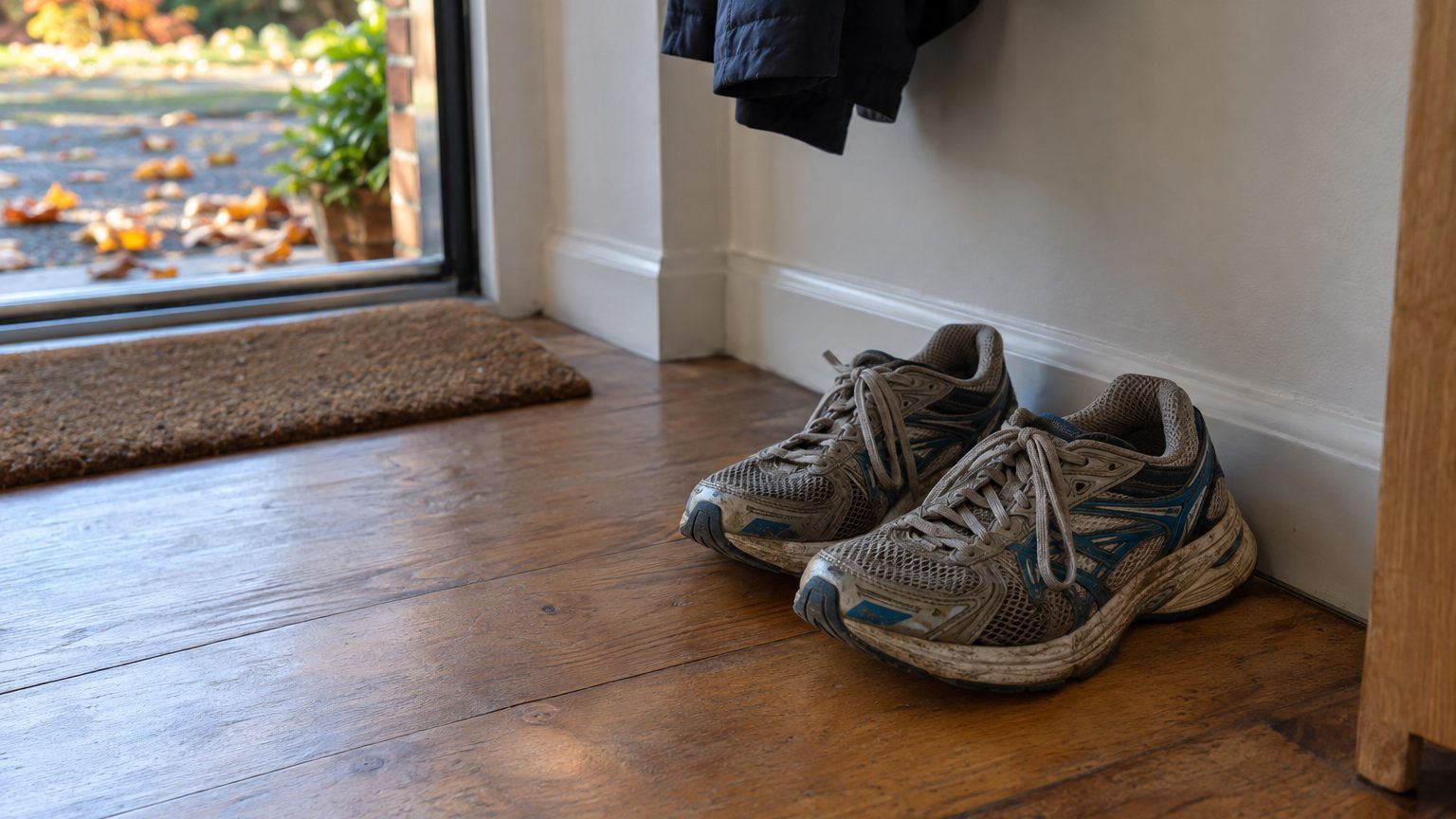
The popular advice to swap your running shoes every 300 to 500 miles is a reasonable starting point, but it is a rule of thumb rather than a measured limit. Shoes differ in foam, weight and construction, and runners differ in body mass, stride and the surfaces they pound. Two people can cover the same distance and leave their shoes in very different states.
That matters because a mileage number gives false comfort in both directions.
- The 500-mile figure is a convenient average, not a tested threshold for every shoe.
- Creases that stay in the midsole and a flat, lifeless feel underfoot signal worn cushioning.
- Uneven outsole wear and a leaning heel counter can mean the shoe is tilting your stride.
Where the 500-mile figure came from, and why it wobbles
The range has circulated in running circles for decades, repeated by shops, magazines and manufacturers. As far as I can establish, it has never rested on a single definitive trial that applies to every shoe. It is a convenient average, and averages hide a lot.
Laboratory work on midsole cushioning does show that foam changes with use. Studies that put shoes through mechanical impact testing have generally found that cushioning properties alter over several hundred kilometres, though the size of the change depends heavily on the foam. Modern midsoles built from newer foams behave differently from older ethylene vinyl acetate (EVA) designs, so a figure drawn from one generation of shoe may not transfer to the next.
Body weight is the obvious variable. A heavier runner compresses the midsole harder with each footstrike, and a lighter runner may get far more life from the same pair. Running surface, weather, how often you rotate pairs and even where you store them (a hot car boot is poor treatment for foam) all play a part.
The research on injury is where the rule looks shakiest. Evidence that worn shoes directly cause injuries is limited, and studies on shoe age and injury risk have not produced a tidy threshold. Injury is multifactorial: training load, sudden increases in mileage, previous injury and strength all feature. Blaming the shoe alone is usually too simple.
Nobody should conclude that shoes last forever. They do not.
Wear signs worth checking before you reach for a number
Start with the midsole, the foam layer between your foot and the outsole. Look at it from behind and from the side on a flat surface. Creases and wrinkles running across the foam, particularly if they look deep and do not spring back, suggest it has compressed and lost some of its resilience.
Press your thumb into the midsole of an older pair, then compare it with a newer pair of the same model if you have one. A shoe that feels flat and lifeless underfoot has probably given most of what it had. Your own sense of comfort counts as evidence here, because runners are reasonably good at noticing when a shoe feels different from how it did at the start.
Next, turn the shoes over and check the outsole. Rubber worn smooth, or worn through to the foam, means reduced grip and an uneven platform. Uneven wear matters too: if one side is ground down while the other looks fresh, the shoe may be tilting your foot slightly with every stride.
Place both shoes on a table and look at them from behind. A heel that leans inwards or outwards, or a heel counter that has collapsed, is a clear flag. Wobble is easy to spot side by side.
Then look at the upper. Tears near the toe box, a stretched or flattened tongue, and holes in the lining around the heel all affect fit and security, even when the cushioning is fine. A shoe that lets your foot slide around invites blisters.
New aches are a signal too
Pay attention to what your body tells you. If you notice new aches in the shins, knees or feet that arrive without any change in training, check the shoes alongside your schedule. The answer may be the shoes, or it may be that you added too much mileage too quickly.
Keep a simple log. Write the date you start using a pair and add the distance from your running watch or app. Many runners find this more useful than guessing, and it takes seconds after each run.
A log also helps you spot patterns across pairs. If one model consistently feels tired by 350 miles and another is still lively at 600, you have personal data that beats any general rule.
Practical ways to get more from each pair
Rotating two pairs is a sensible habit. Some research suggests that runners who alternate between different shoes may have a lower risk of running-related injury than those who use one pair, probably because the loads on the body vary slightly from run to run. The evidence is not conclusive, but the approach costs little beyond a second pair, and it lets the foam recover between sessions.
Keep running shoes for running. Wearing them for errands, gardening or long days on your feet adds wear that your log will not capture.
Dry them properly after wet runs. Stuff them with paper and leave them at room temperature, away from radiators and direct heat, which can degrade glues and foam. Do not put them in the washing machine or tumble dryer.
Check them regularly, not only when they start to hurt. A quick look every few weeks takes under a minute and is a better trigger for replacement than a calendar or a fixed distance.
If you run mostly on soft trails, your outsole may last longer, but trail shoes face their own damage from stones and roots. Inspect the lugs and the uppers more often.
Budget matters, and I understand that. Buying the previous season’s version of a model you already know often saves money without changing the fit you rely on. Replacing a pair slightly early costs little compared with the cost of a layoff, though I would not claim that a new pair will prevent injury on its own.
If you have persistent pain, or a past injury that keeps flaring up, speak to your GP or a physiotherapist rather than relying on a shoe swap to fix it. A running shop with a gait assessment can help with fit, but it is not a substitute for medical advice.
Many runners hold on to a favourite pair for months after the cushioning has faded, because familiarity feels like comfort. Retire it to dog walks, then buy its successor before the old pair is finished, so you can introduce the new one gradually over a few runs.