Why turning thumbs down on lateral raises can pinch the shoulder

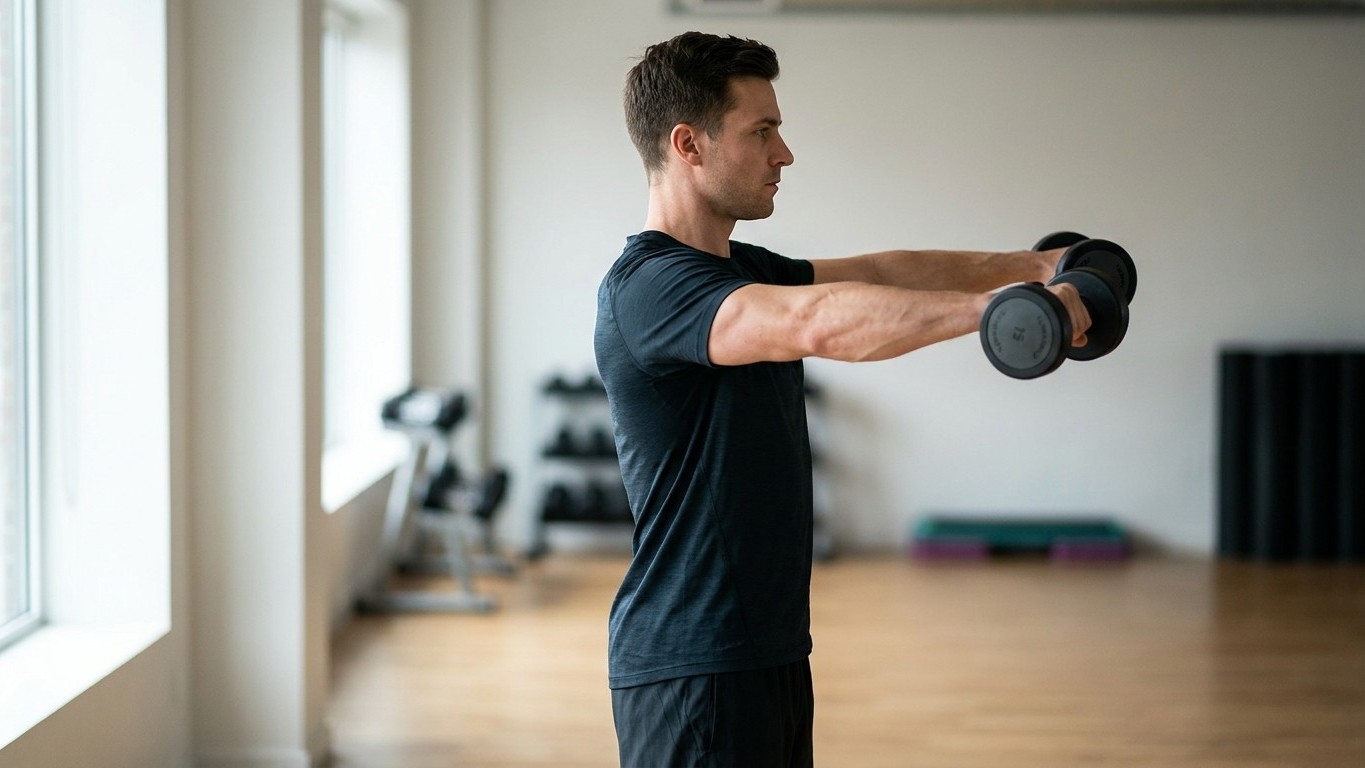
I turned my thumbs toward the floor on every lateral raise just to feel the side delt burn harder: by the first sharp catc...

Turning your thumbs down during lateral raises is gym folklore that actually works—but it’s also squeezing your rotator cuff against your shoulder blade. Research shows this position increases compressive force sevenfold, and that sharp catch you feel is your shoulder’s warning sign that something is wrong with the geometry.

What behind-the-neck lat pulldowns do to your rotator cuff

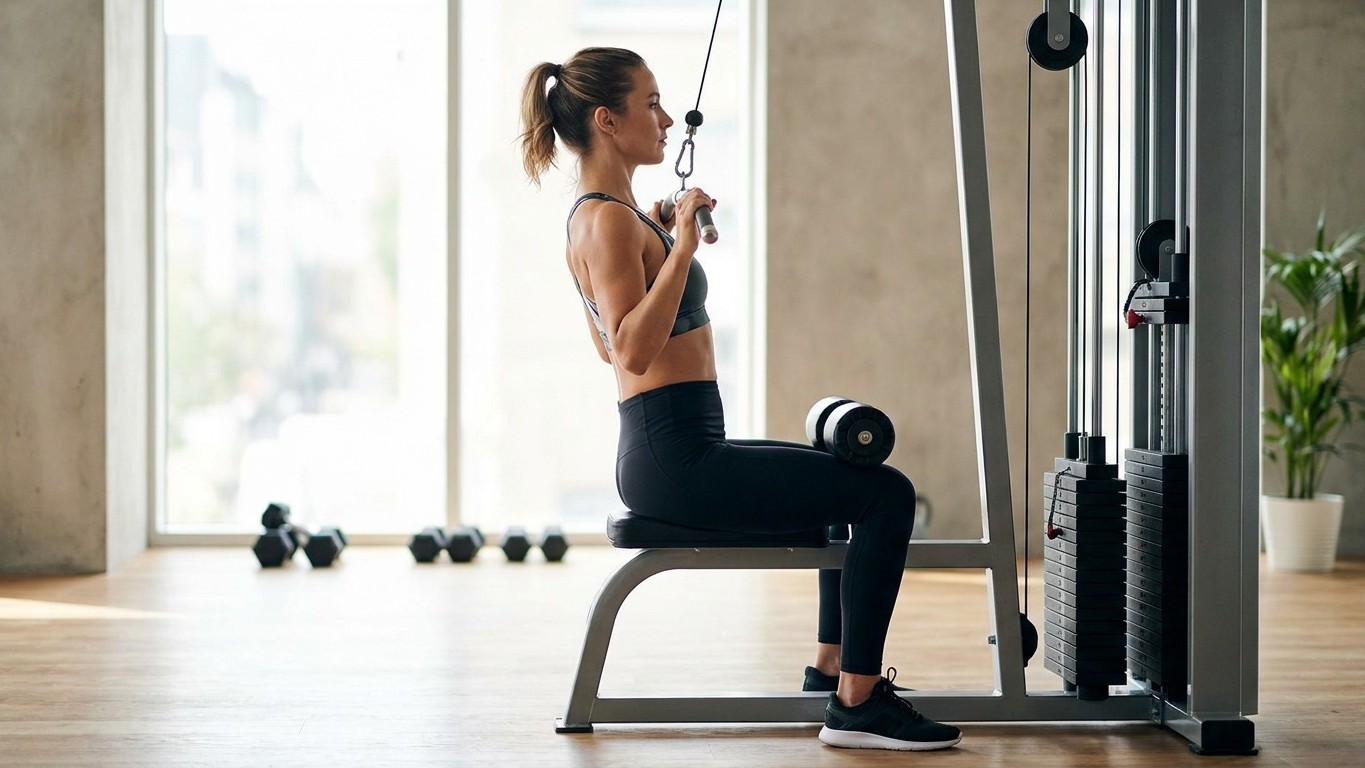
I did behind-the-neck lat pulldowns for years to hit my back harder: a physio showed me what the bar was doing to my rotat...

Years of behind-the-neck lat pulldowns felt productive—until a physiotherapist showed me exactly what my rotator cuff was experiencing at the bottom of every rep. The position combines multiple demands that most gym-goers’ shoulders simply can’t handle safely, and the damage accumulates silently.

Behind-the-Neck Lat Pulldowns: Shoulder Risks and Safer Alternatives

Behind-the-Neck Lat Pulldowns Are Slowly Damaging Your Shoulders—Here's What to Do Instead

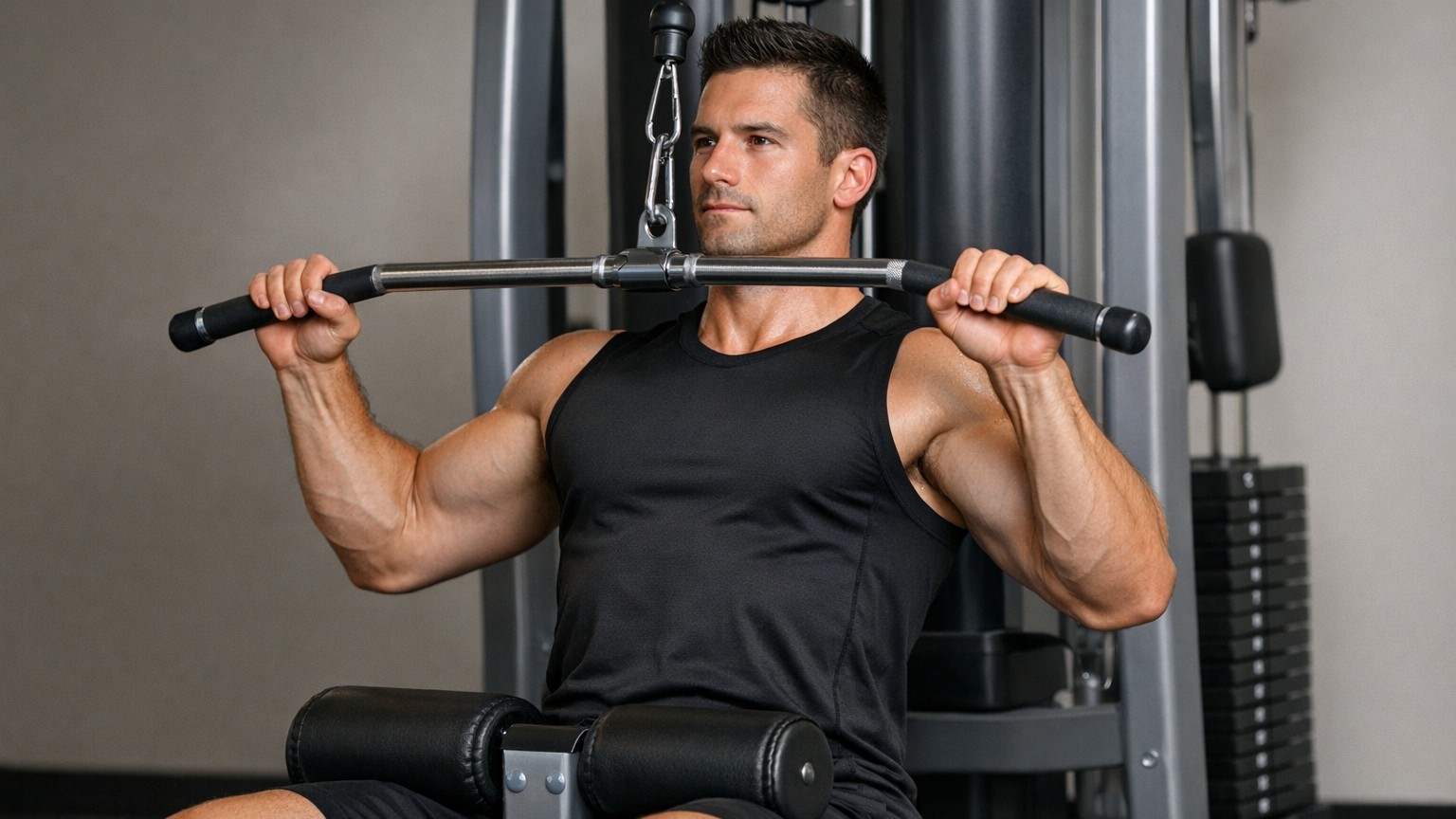
For years, pulling the lat bar behind your neck feels more intense—but it’s a documented path to cumulative shoulder damage most people don’t notice until it hurts. A simple repositioning to the front of your chest changes everything mechanically, protecting your joints while actually building more muscle.

Behind-the-Neck Lat Pulldowns: Why the Science Says Stop

Why I Stopped Doing Behind-the-Neck Lat Pulldowns After Seeing the Science

For decades, the behind-the-neck lat pulldown dominated gym floors as the “serious” way to build a wide back. But electromyography research reveals a uncomfortable truth: it doesn’t activate lats any better than front pulldowns, while placing your shoulders in a genuinely vulnerable position that can cause long-term damage.