
I flared my elbows to 90° on every bench press just to feel my chest more: the day a physio filmed me from the side, I saw what was grinding under my shoulder

I flared my elbows to 90° on every bench press just to feel my chest more: the day a physio filmed me from the side, I saw...

A side-on video revealed subacromial impingement caused by maxed-out elbow flare on bench press. The angle that feels strongest isn’t the safest—and a simple fix keeps your chest engaged without grinding your rotator cuff.
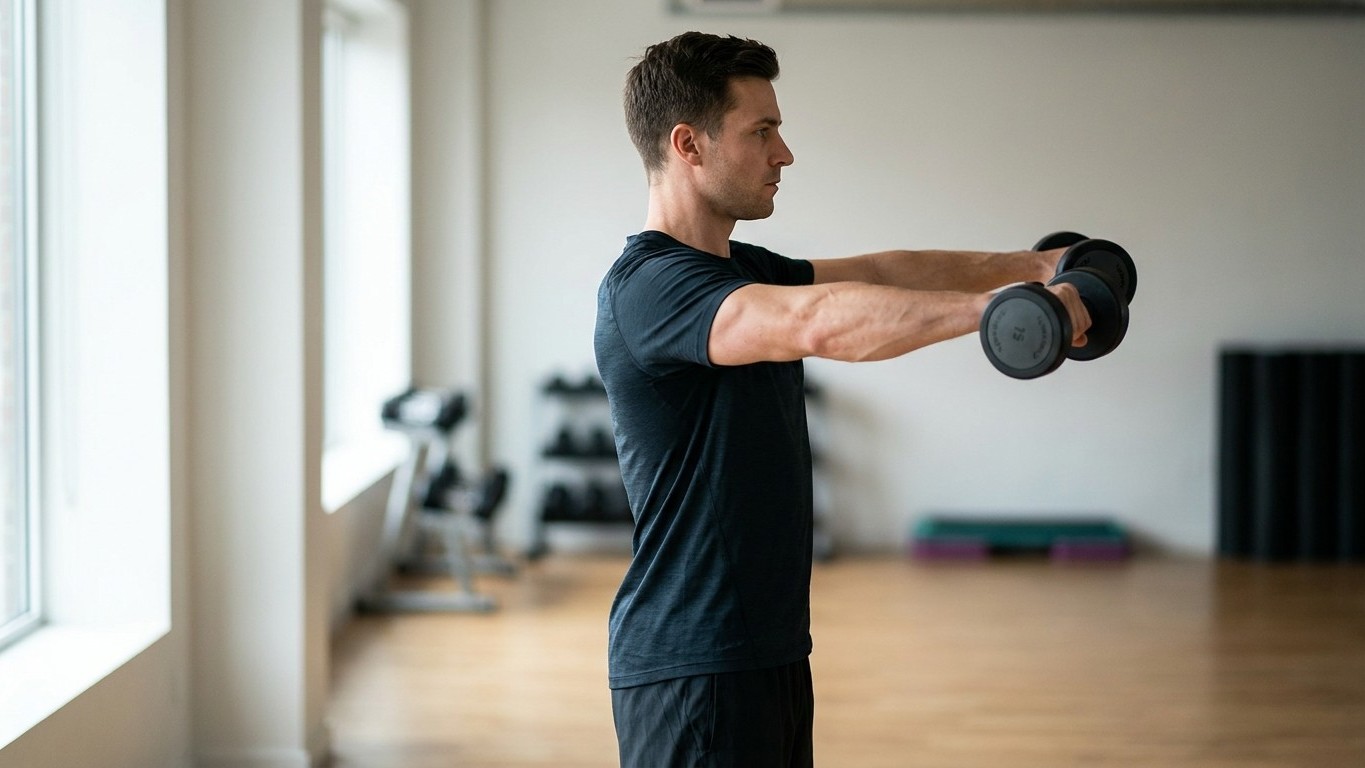

I turned my thumbs toward the floor on every lateral raise just to feel the side delt burn harder: by the first sharp catch in my shoulder, it was too late

I turned my thumbs toward the floor on every lateral raise just to feel the side delt burn harder: by the first sharp catc...

Turning your thumbs down during lateral raises is gym folklore that actually works—but it’s also squeezing your rotator cuff against your shoulder blade. Research shows this position increases compressive force sevenfold, and that sharp catch you feel is your shoulder’s warning sign that something is wrong with the geometry.

I did behind-the-neck lat pulldowns for years to hit my back harder: a physio showed me what the bar was doing to my rotator cuff every single rep

I did behind-the-neck lat pulldowns for years to hit my back harder: a physio showed me what the bar was doing to my rotat...

Years of behind-the-neck lat pulldowns felt productive—until a physiotherapist showed me exactly what my rotator cuff was experiencing at the bottom of every rep. The position combines multiple demands that most gym-goers’ shoulders simply can’t handle safely, and the damage accumulates silently.

8 Years of Behind-the-Neck Pulldowns: Why My Shoulder Finally Gave Way—and What I Wish I’d Known

8 Years of Behind-the-Neck Pulldowns: Why My Shoulder Finally Gave Way—and What I Wish I'd Known

A seemingly minor shoulder discomfort from years of behind-the-neck pulldowns suddenly became a catastrophic failure mid-rep. But the damage had been accumulating silently long before that moment. Here’s what physiotherapists know about this hidden injury and how to prevent it.