270 blood pressure trials were lined up side by side: the exercise that came out on top needs no equipment and no movement at all

270 blood pressure trials were lined up side by side: the exercise that came out on top needs no equipment and no movement...

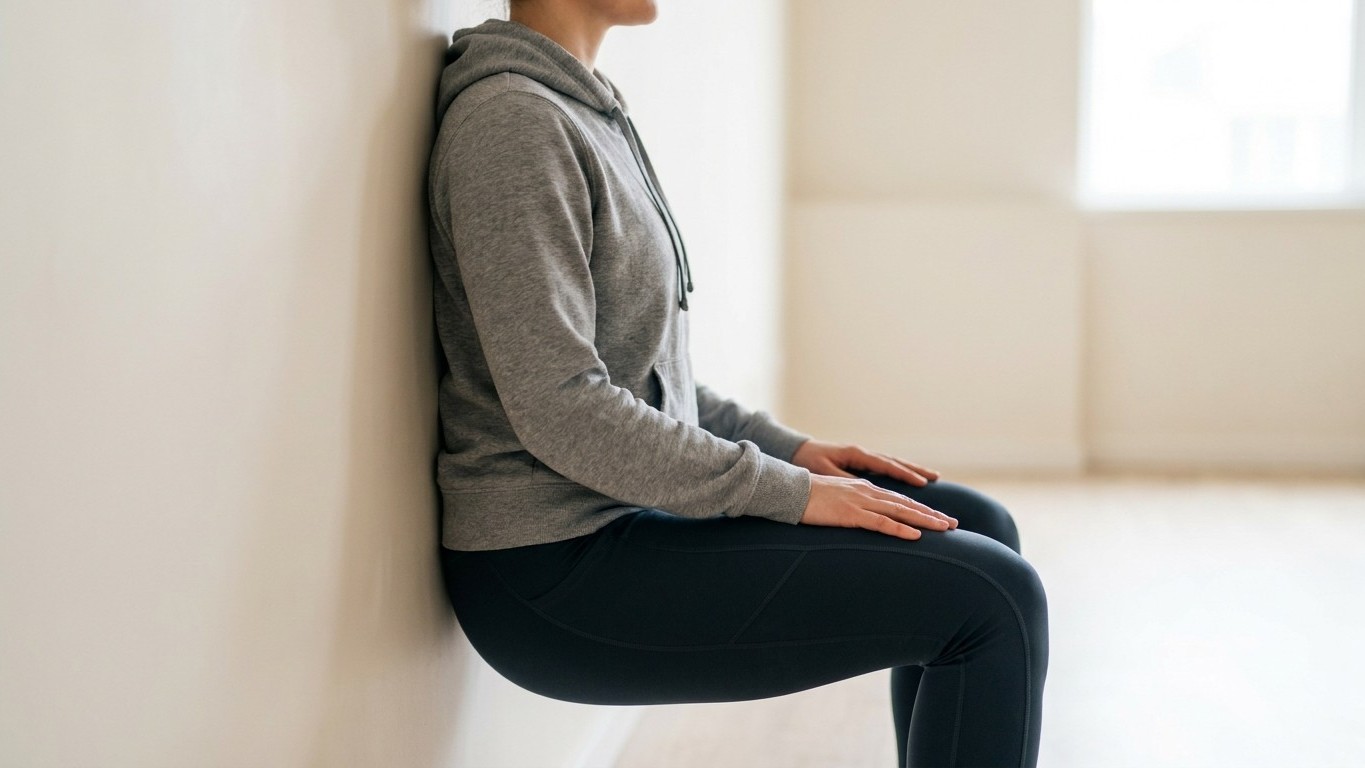
Researchers analyzing nearly 16,000 participants across 270 randomized trials discovered that wall sits—a static hold requiring no equipment or movement—reduce blood pressure nearly twice as effectively as traditional cardio. The physiological mechanism involves training blood vessels to relax more efficiently through cycles of muscle tension and release.

It’s over for the quick vape before training: what it does to teenagers at equal effort has just been measured, and it has nothing to do with the lungs

It's over for the quick vape before training: what it does to teenagers at equal effort has just been measured, and it has...

A groundbreaking study from Manchester Metropolitan University has found that vaping reduces exercise capacity by roughly 15% in young adults, despite normal lung function. The culprit isn’t the airways—it’s the blood vessels, which become less responsive to delivering oxygen during physical exertion. Teenagers are particularly at risk, as their cardiovascular systems may be especially vulnerable to e-cigarette chemicals during these critical developmental years.

I held my plank past two minutes every morning just to beat my record: the day a cardiologist checked my blood pressure, I understood what I was doing without breathing

I held my plank past two minutes every morning just to beat my record: the day a cardiologist checked my blood pressure, I...

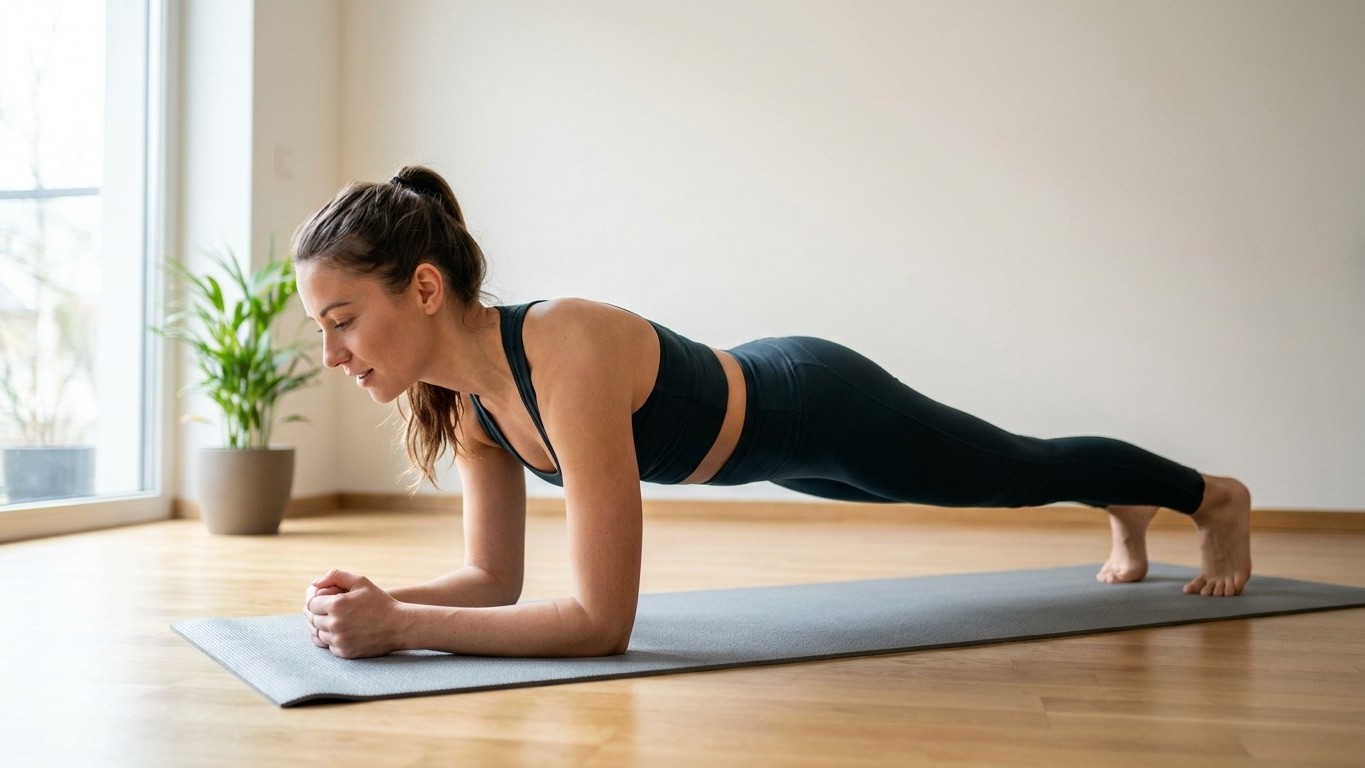
A cardiologist’s blood pressure cuff revealed an uncomfortable truth: holding a plank with locked breathing can send systolic pressure soaring past 200mmHg. Yet paradoxically, planks are among the most effective exercises for reducing blood pressure over time—if you breathe correctly.

It’s over for the 30-minute walk in one block: since 2018, the guidelines dropped the one rule that changed everything for blood pressure

It's over for the 30-minute walk in one block: since 2018, the guidelines dropped the one rule that changed everything for...

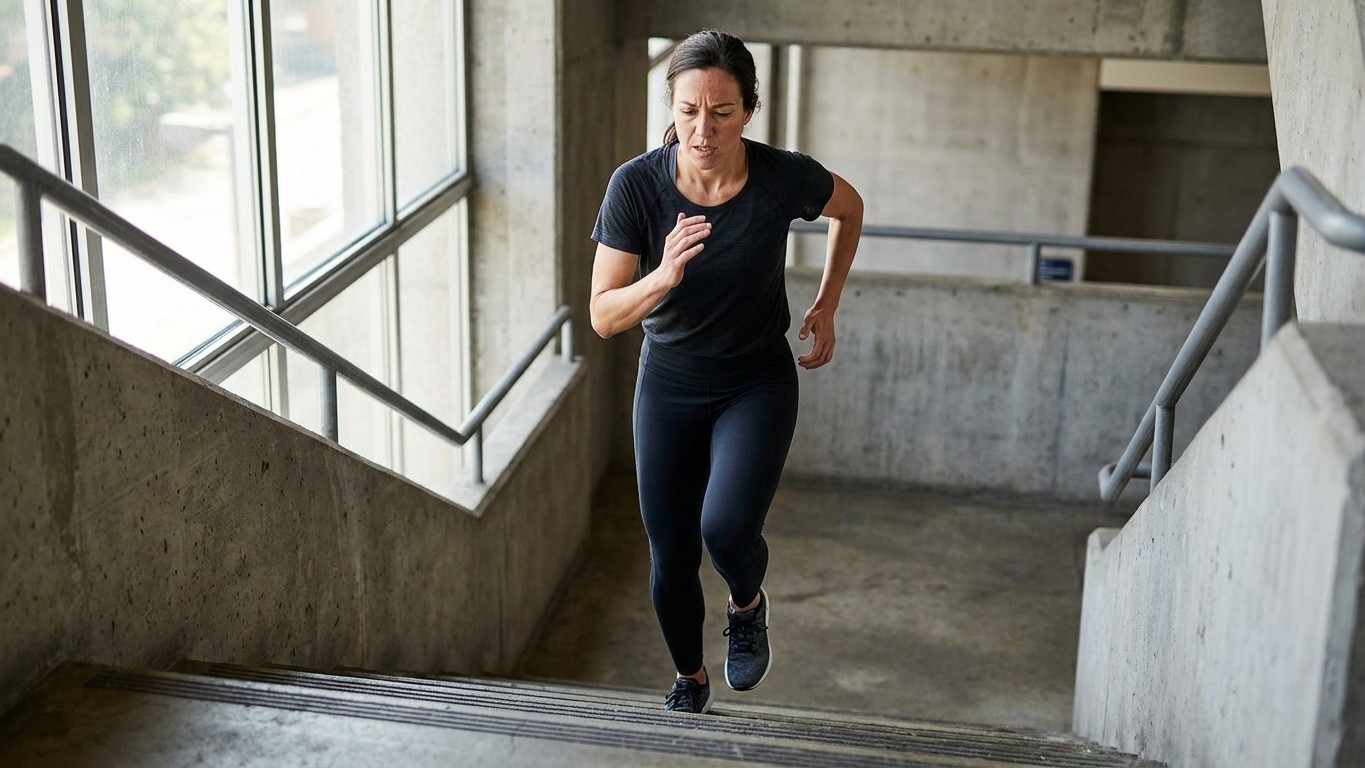
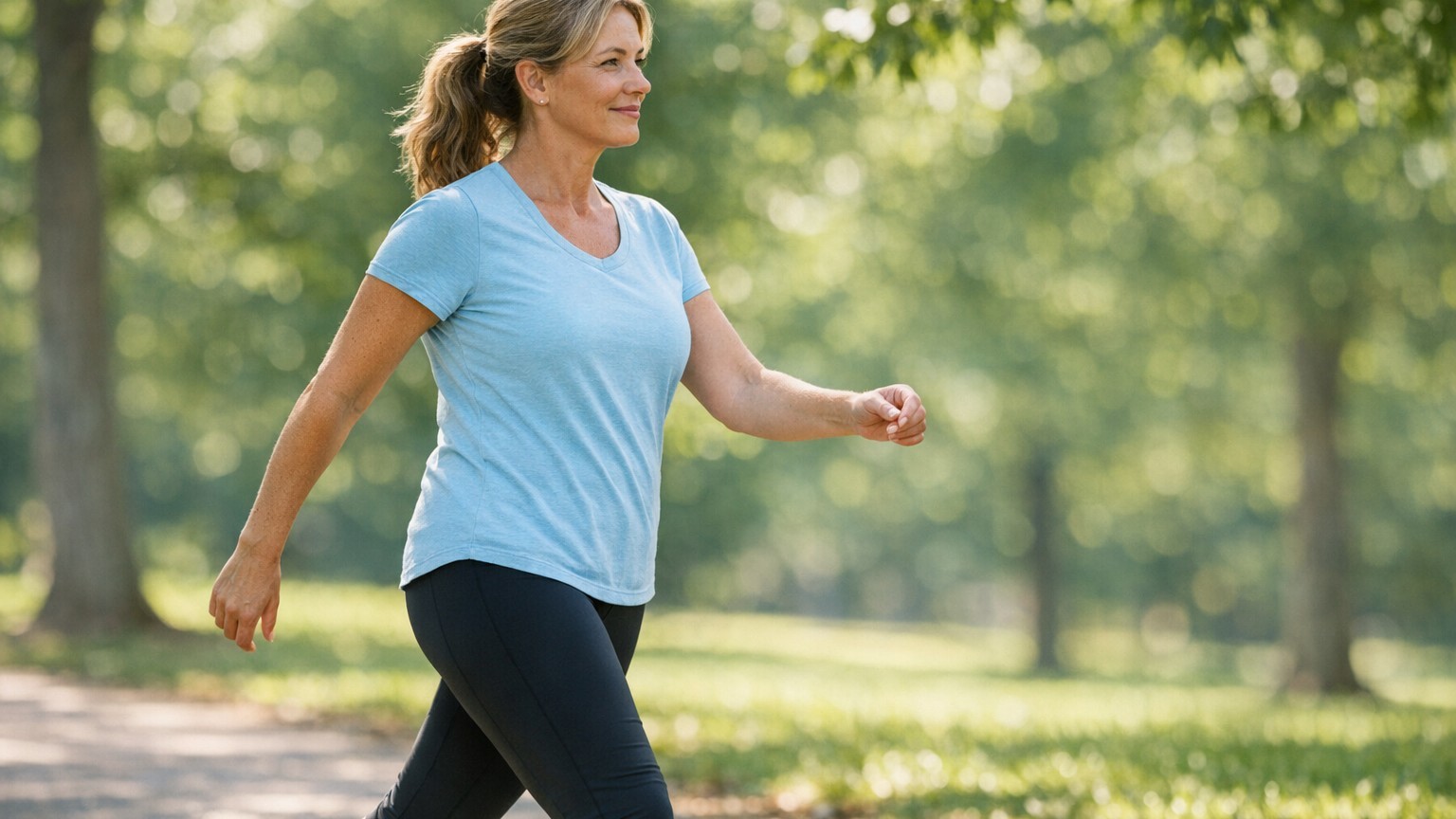
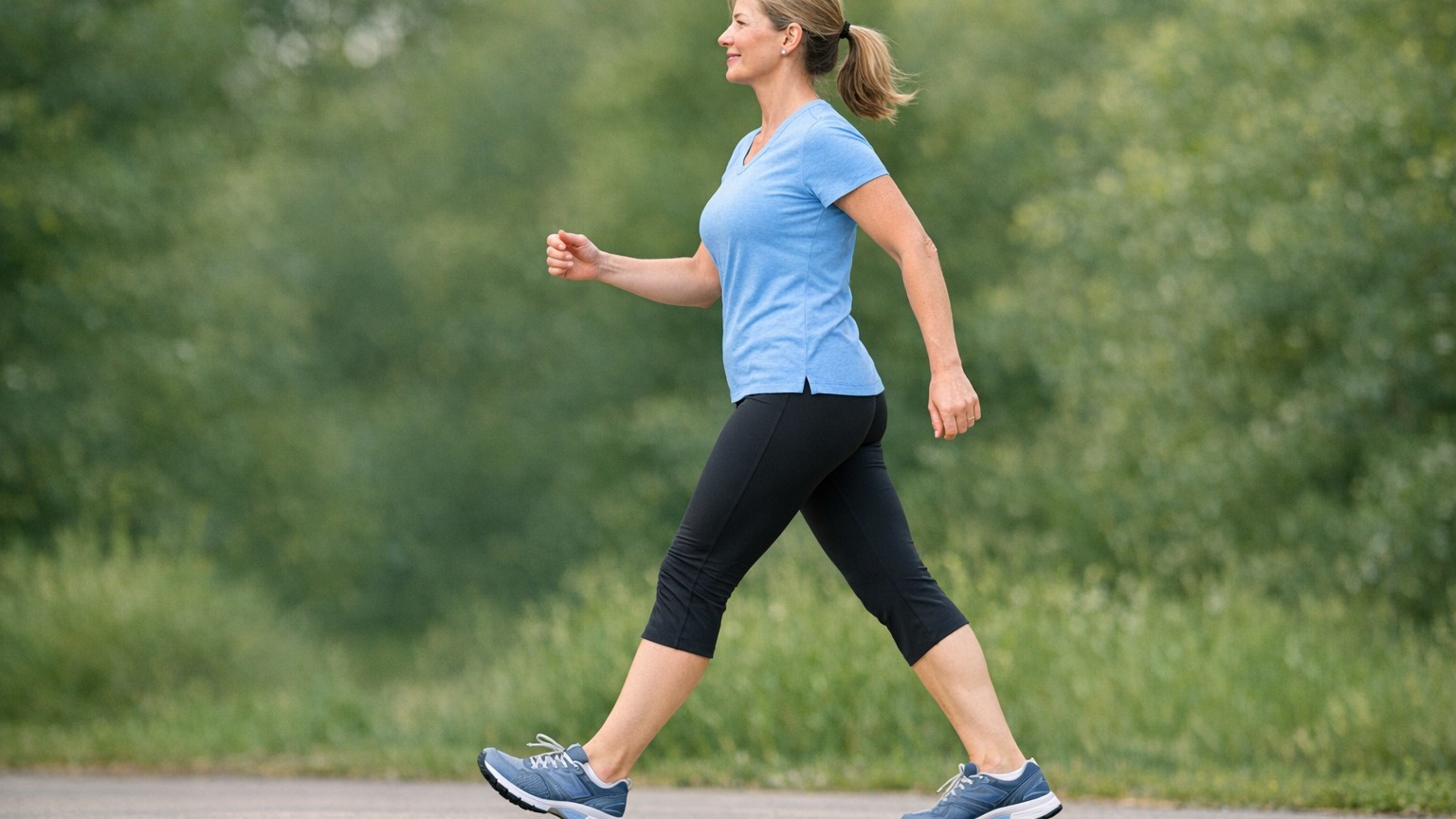
Since 2018, health authorities quietly changed everything: you no longer need a solid 30-minute block to benefit from exercise. Science now shows that scattered short bursts—climbing stairs, brisk walks, even six-minute sessions—count equally toward cardiovascular health and blood pressure management.

“I thought I was just having an off day”: why your heart beating 10 to 15 pulses faster in the heat is a signal you must take seriously

'I thought I was just having an off day': why your heart beating 10 to 15 pulses faster in the heat is a signal you must t...

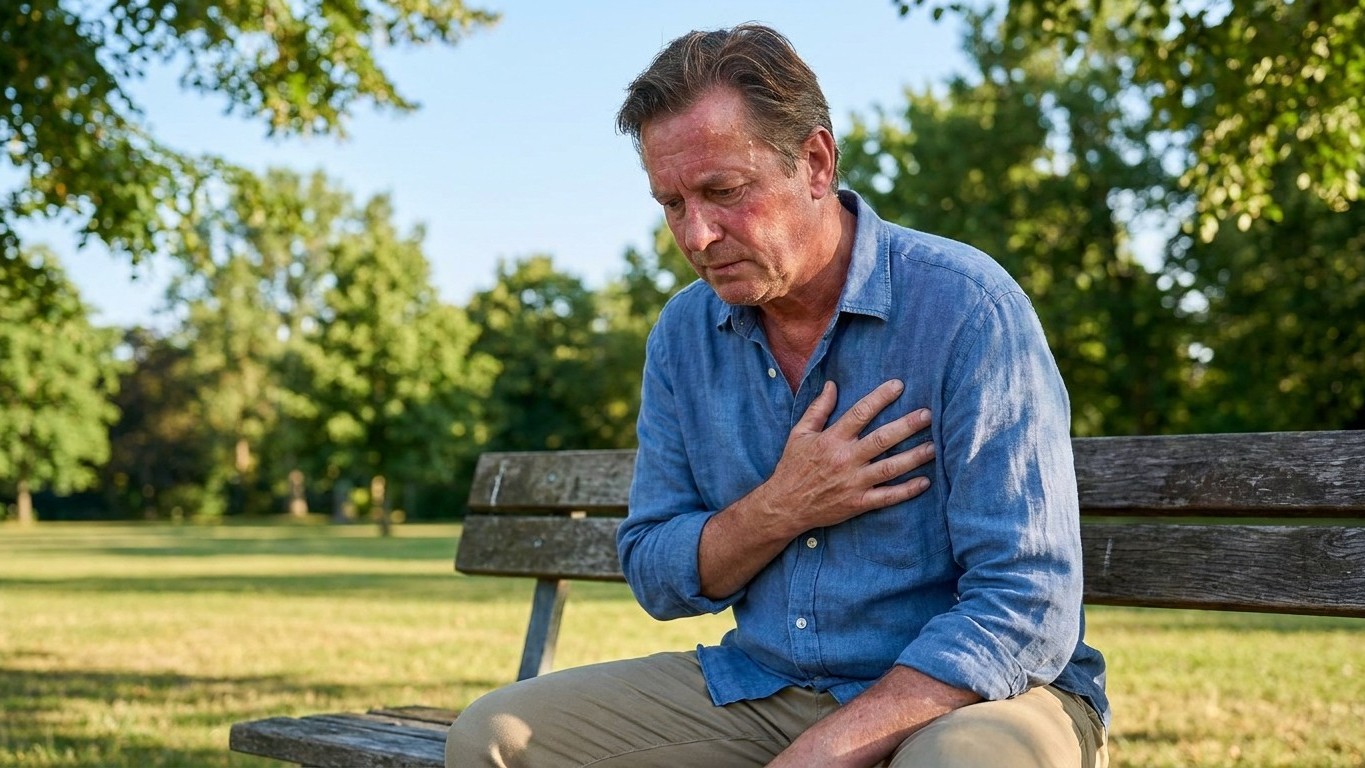
That pounding sensation during summer isn’t just an off day—it’s your heart working overtime to cool your body. But there’s a critical line between normal heat response and genuine danger that could save your life.

Why Your Heart Rate Spikes 10-15 Beats in Hot Weather: It’s Not Fitness Loss, It’s Science

Why Your Heart Rate Spikes 10-15 Beats in Hot Weather: It's Not Fitness Loss, It's Science

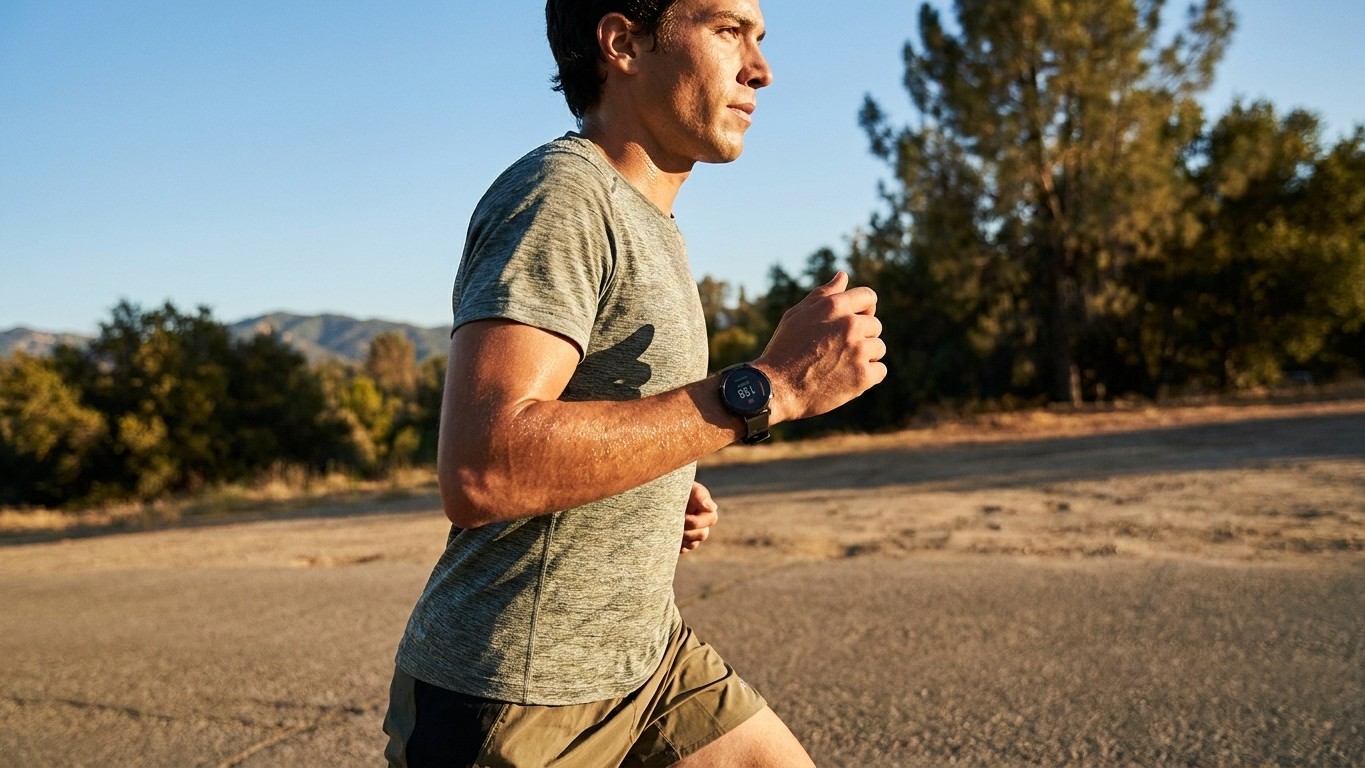
When temperatures rise, your heart rate climbs even at familiar paces—but it’s not a sign of lost fitness. Your cardiovascular system is solving a redistribution problem, juggling blood flow to working muscles and cooling skin simultaneously. Understanding cardiovascular drift changes how you should train in summer heat.

One Hour of Exercise Can’t Undo 8 Hours of Sitting: What a Cardiologist Revealed About My Daily Routine

One Hour of Exercise Can't Undo 8 Hours of Sitting: What a Cardiologist Revealed About My Daily Routine

A cardiologist’s review of my activity data revealed an uncomfortable truth: my dedicated morning workouts couldn’t reverse the harmful effects of eight hours seated at a desk. The key to heart health isn’t choosing between exercise and sitting—it’s breaking up sitting time throughout the day.

Why Your Daily Walk Isn’t Working: The Cardiologist’s Technique That Changes Everything

Why Your Daily Walk Isn't Working: The Cardiologist's Technique That Changes Everything

You’ve been walking 30 minutes daily with zero results. A cardiologist reveals the shocking truth: it’s not about duration, it’s about technique and pace. Learn the exact method that cuts heart disease risk in half—and why most people get it completely wrong.

Why You’re Getting Dizzy on Heavy Lifts—And Why It’s Not a Sign You’re Working Hard

Why You're Getting Dizzy on Heavy Lifts—And Why It's Not a Sign You're Working Hard

Holding your breath during a heavy rep feels automatic—but the dizziness that follows isn’t a badge of effort, it’s a warning signal. Discover the physiology behind breath-holding under load, who needs to be especially careful, and the proper breathing technique that keeps you safe without sacrificing strength.

I Jumped Into Cold Water for 30 Days Feeling Invincible—Until I Saw What the Data Actually Said

I Jumped Into Cold Water for 30 Days Feeling Invincible—Until I Saw What the Data Actually Said

Cold-water immersion triggers a genuine 250% dopamine spike and real neurochemical changes. But when you examine the actual research, the picture looks starkly different from what wellness influencers promise—including some sobering cardiovascular risks most people never discuss.

HIIT After 50: Why Your Fitness Coach Isn’t Telling You About the Real Risks

HIIT After 50: Why Your Fitness Coach Isn't Telling You About the Real Risks

High-intensity interval training dominates fitness culture, but the protocol that works for 32-year-olds carries real risks for those over 50—risks most fitness coaches aren’t trained to spot. Your body changes after 50 in ways that narrow the margin for error during intense exercise, yet most people never get proper cardiovascular assessment before pushing hard in group classes.