What rowing movement order decides whether back or glutes take load
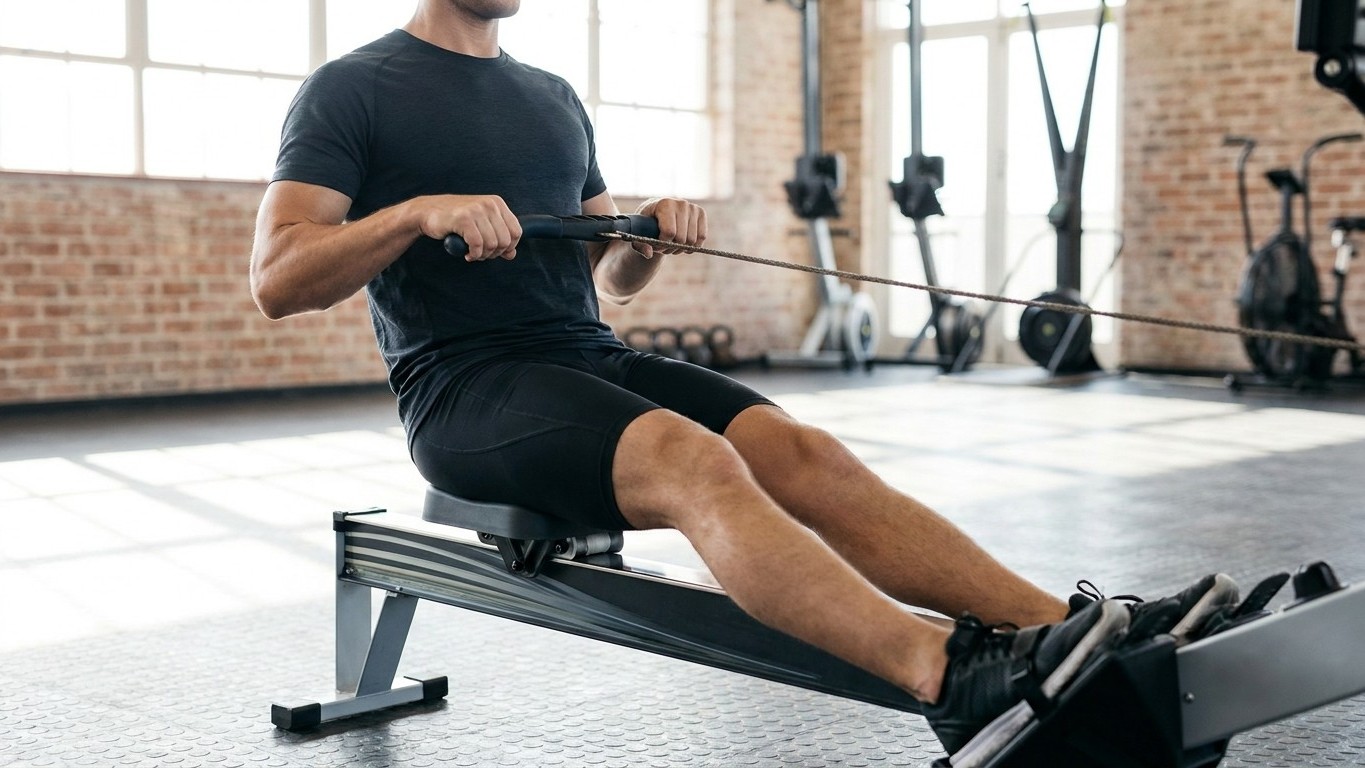
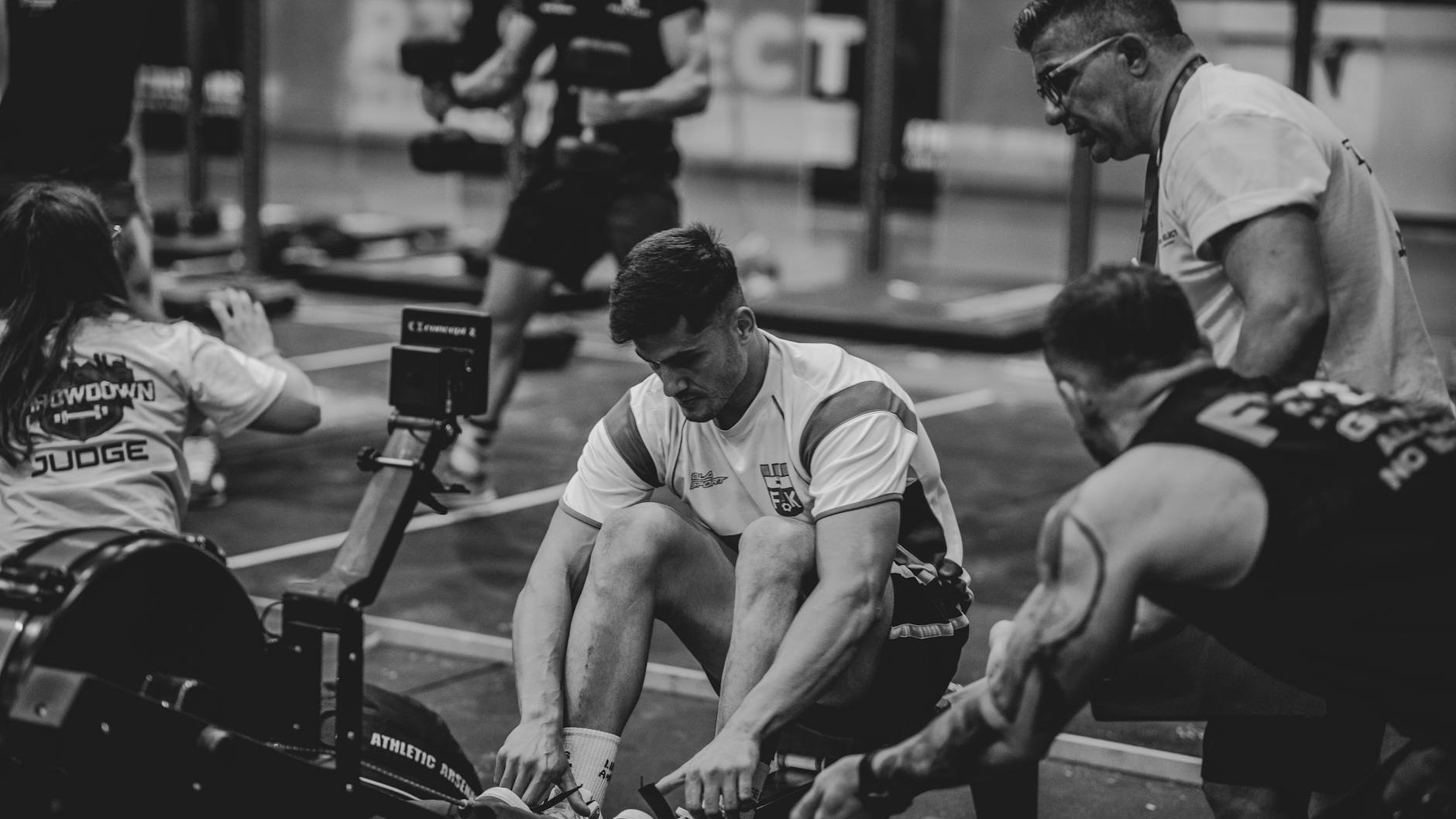
We all keep yanking the rowing handle with our arms, when it's this order of three movements that decides whether your spi...

Most gym-goers pull the rowing handle with their arms first—and that’s the biggest mistake. The correct sequence of legs, body, then arms determines whether your glutes power the stroke or your lower back takes the punishment. One small technical fix eliminates 30-50% of rower injuries.
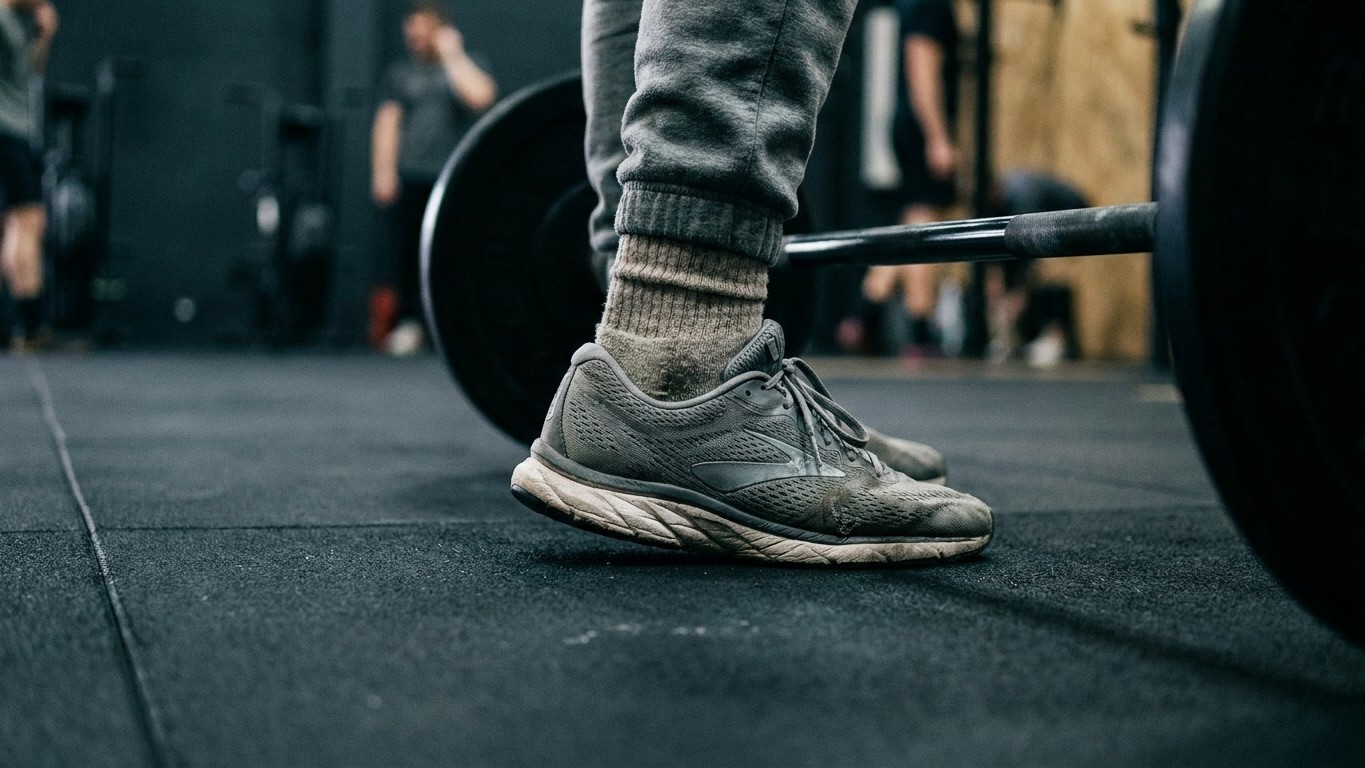
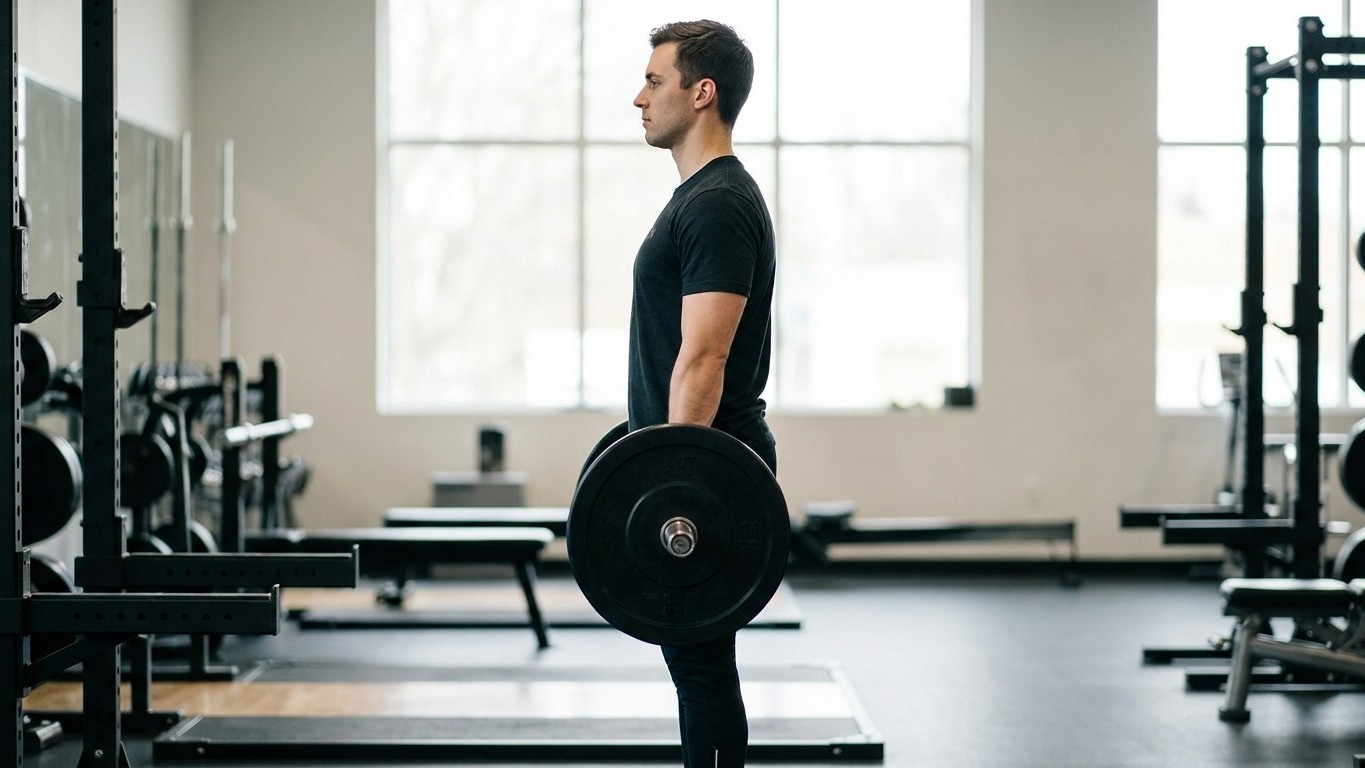
Why soft shoes under squats or deadlifts load your lower back

« I thought it was just extra comfort » : why the soft midsole under your heel sends the barbell load straight into your l...

That plush trainer sole feels comfortable—but under a loaded barbell, it’s a liability. As your heel sinks into foam, your body scrambles for stability it should get from the ground, forcing your lower back to take on work it was never meant to handle. The fix is simpler than you think.

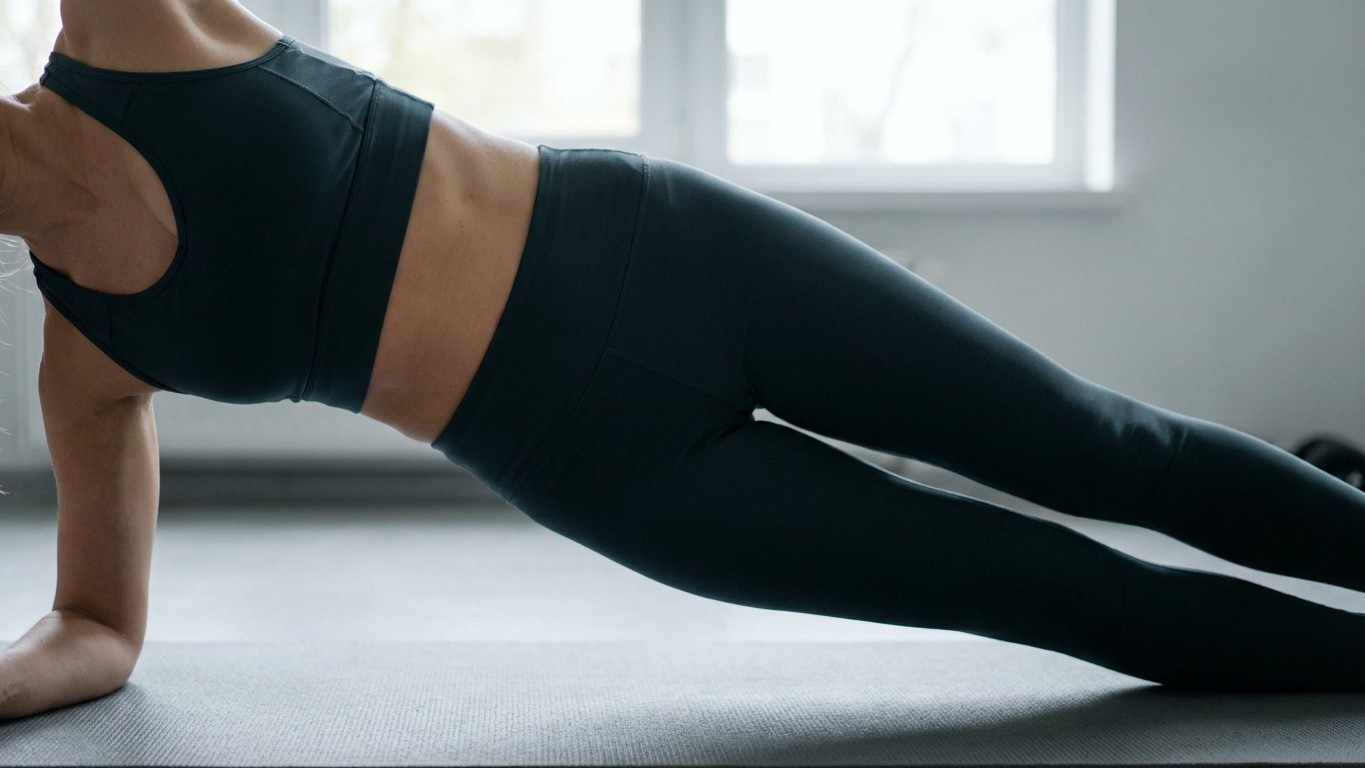
Why sagging hips in a plank put strain on your lower back

« I thought a longer plank meant a stronger core »: why hips that sink during the hold are a warning signal your lower bac...

That sagging hip during your plank isn’t a minor form slip—it’s your lower back warning you that the load has shifted to the wrong tissues. New research challenges the myth that longer plank holds build better stability, and biomechanics experts now recommend shorter, perfect repetitions over grinding endurance tests.

Sitting 8 Hours a Day? Your Glutes Have Forgotten How to Work—and Your Lower Back is Paying the Price

Sitting 8 Hours a Day? Your Glutes Have Forgotten How to Work—and Your Lower Back is Paying the Price

Eight hours of daily sitting doesn’t just make you stiff—it slowly switches off the gluteal muscles that stabilize your entire lower body, forcing your lower back to compensate. A simple physiotherapy assessment can reveal the shocking disconnect between what you think your glutes are doing and what they actually are. The good news: gluteal amnesia responds remarkably well to targeted reactivation work.

Rowing machine damper setting: how it affects your lower back

That Tiny Rowing Machine Dial Is Silently Wrecking Your Lower Back During Warm-Up

Most rowers crank the damper to maximum without realizing it’s sabotaging their technique and spine. Starting with the dial set too high during warm-up—when muscles are cold and vulnerable—is a proven recipe for lumbar strain. Learn the correct damper settings and movement patterns that protect your back.

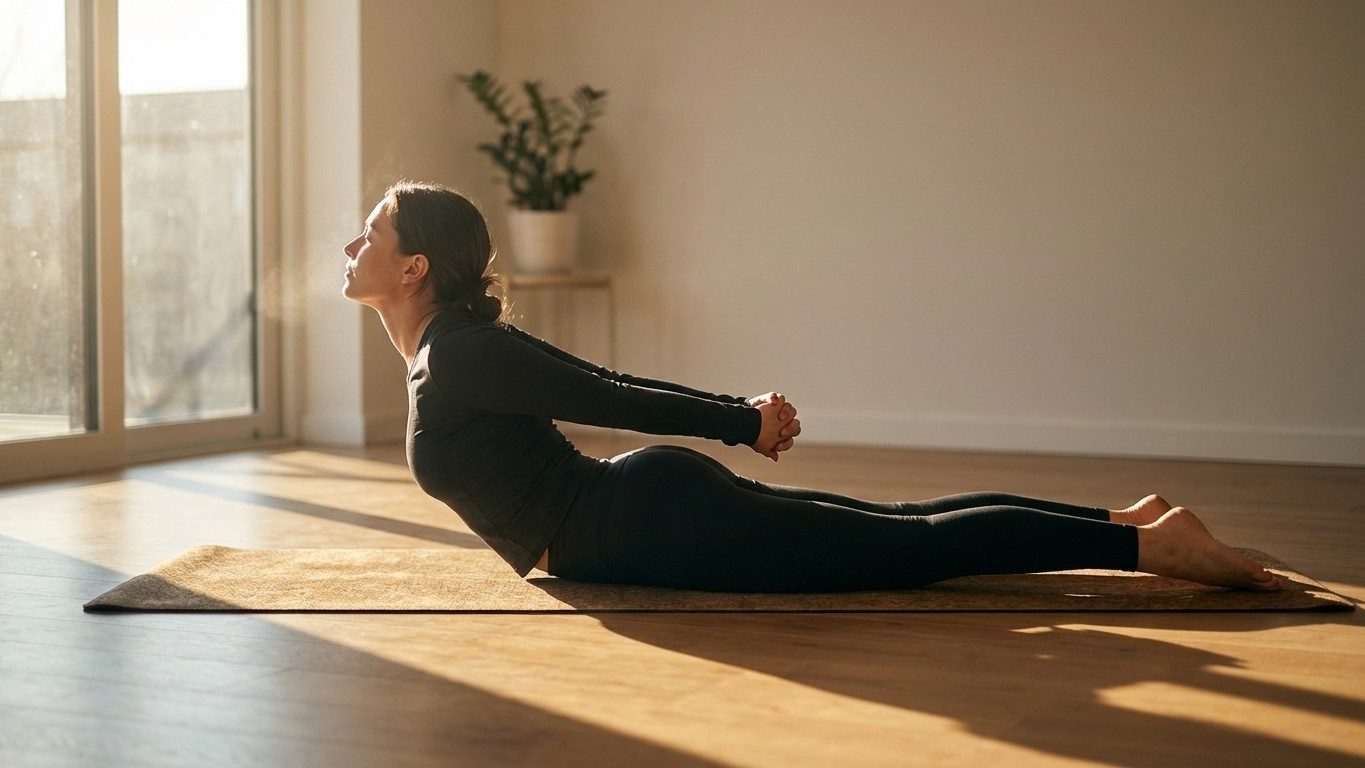
Transversus abdominis and lower back: why cold floors matter

The Hidden Abs Muscle Destroying Your Back: Why Cold Floors Are Sabotaging Your Core

Your deepest abdominal muscle, the transversus abdominis, is nothing like the six-pack muscle everyone trains. Exercising on cold floors triggers a protective muscle response that keeps your spine tense for hours afterward—causing chronic low back pain that stretching can’t fix.

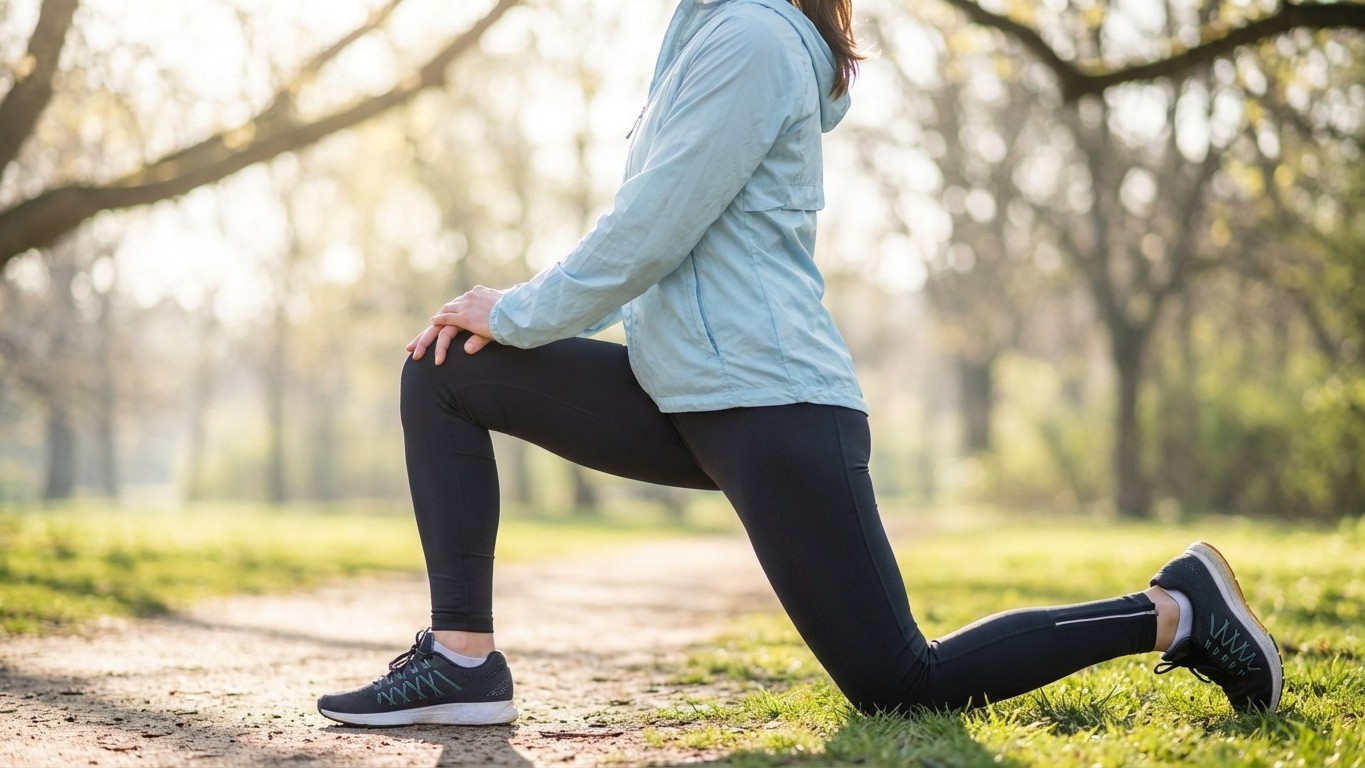
Why Your Lower Back Hurts After Spring Running—And It’s Not Your Hamstrings

Why Your Lower Back Hurts After Spring Running—And It's Not Your Hamstrings

That post-run lower back ache isn’t a hamstring problem—it’s your hip flexors. After months of winter inactivity and desk sitting, these crucial muscles forget how to fully extend, creating a domino effect of pain. Learn the dynamic stretches and strengthening moves that actually work.