We all keep judging our running shoes by the outsole: this hidden layer stops absorbing shocks around 400 miles and your joints take the difference

We all keep judging our running shoes by the outsole: this hidden layer stops absorbing shocks around 400 miles and your j...

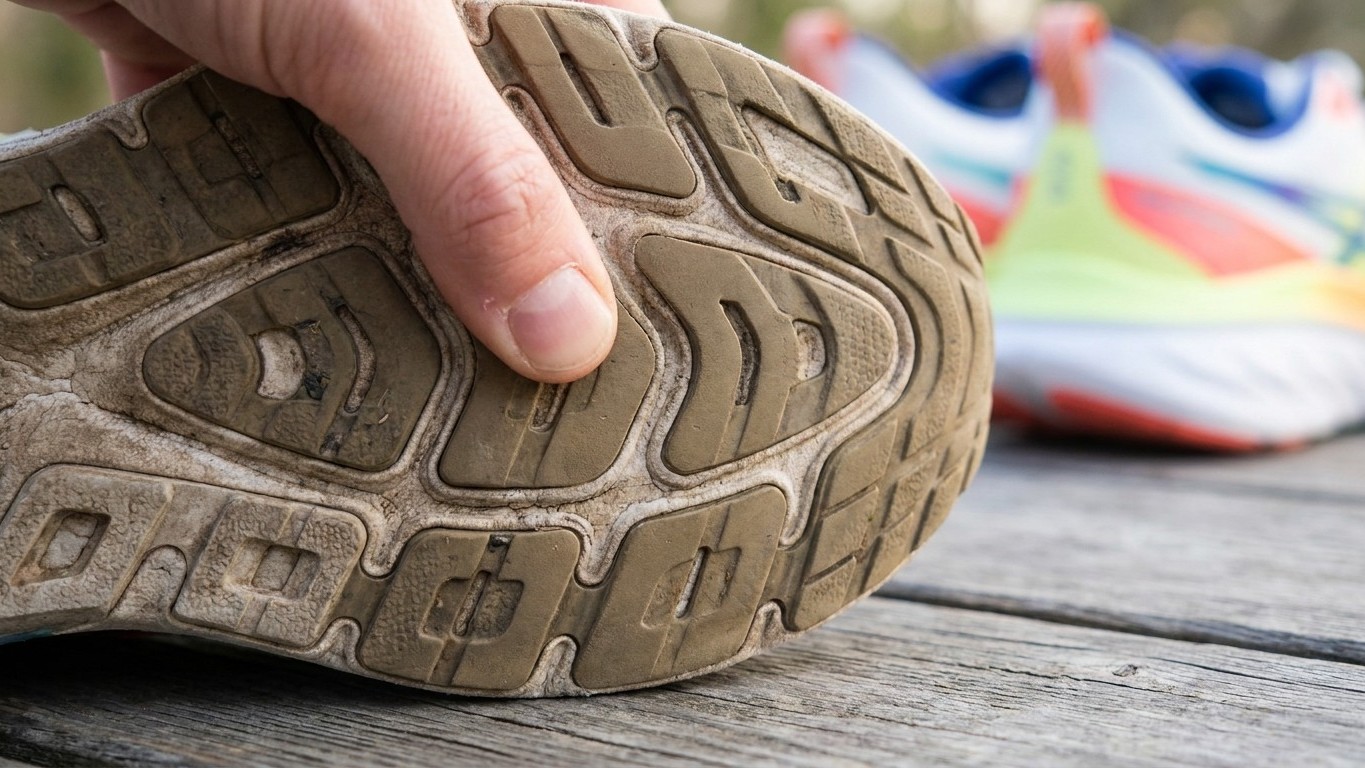
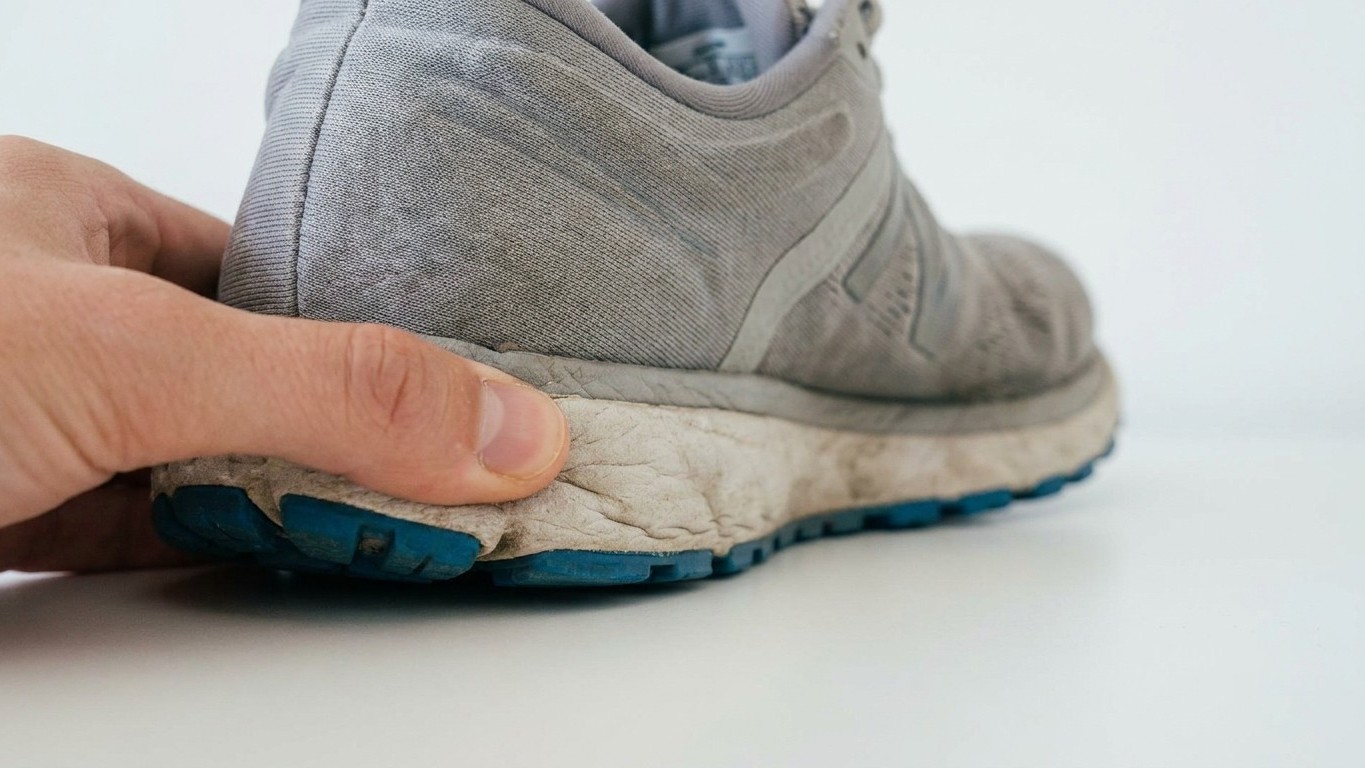
The rubber sole of your running shoes looks fine, but inside, the foam midsole is silently deteriorating. Research shows cushioning drops by up to 40% within the first 500 miles, yet runners rarely notice until injury strikes. Your knees, hips and shins are paying the price.

Why Running Shoes Need Rest Days Too: The Science Behind Rotating Your Trainers

Why Running Shoes Need Rest Days Too: The Science Behind Rotating Your Trainers

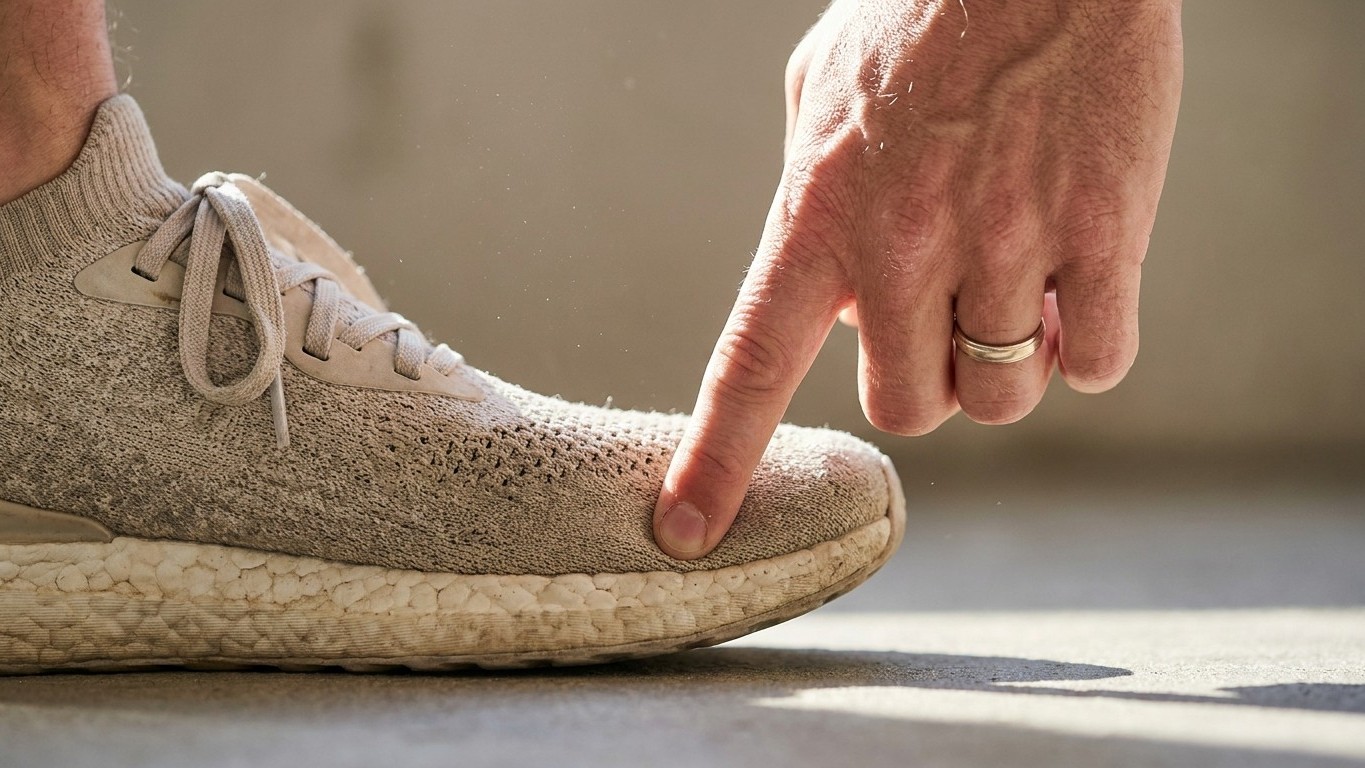
Most runners wear the same pair of shoes day after day, unaware that shoe foam requires 24-48 hours to fully recover after each run. Research shows that rotating between multiple pairs reduces injury risk by 39%, but the real revelation comes from simply touching the midsole of a rested shoe versus one used consecutively—the difference in cushioning is immediate and unmistakable.

What Your Podiatrist Knows: Why Your ‘Fine-Looking’ Running Shoes Are Actually Worn Out

What Your Podiatrist Knows: Why Your 'Fine-Looking' Running Shoes Are Actually Worn Out

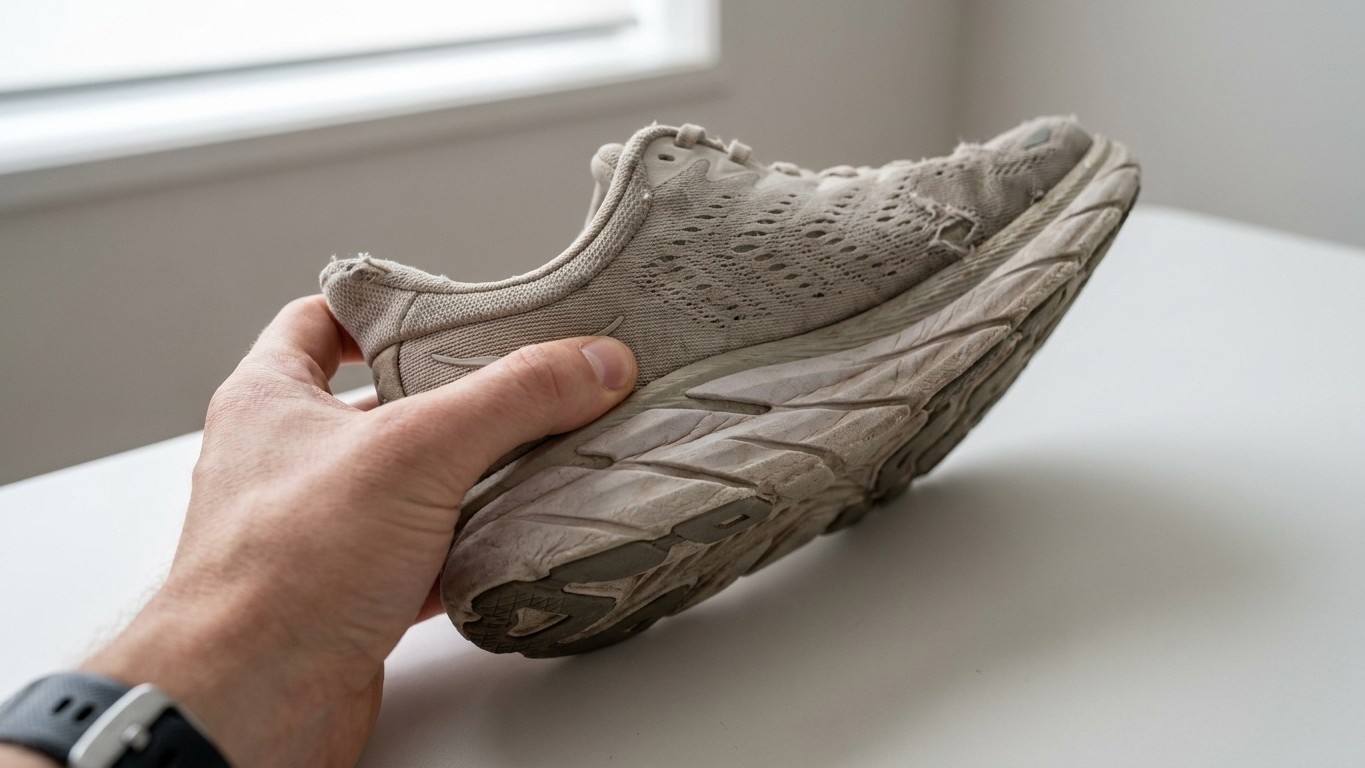
Your running shoes might look perfectly fine on the outside, but the foam cushioning inside is likely already compromised. A podiatrist explains the hidden degradation happening with every footstrike and reveals the simple tests to check if your shoes have passed their peak.

The Hidden Number Destroying Your Tendons: Why Running Shoe Drop Matters More Than You Think

The Hidden Number Destroying Your Tendons: Why Running Shoe Drop Matters More Than You Think

That tiny drop number on your running shoe’s sole is quietly destroying your tendons. When you switch shoes without a proper transition, your Achilles and calf tendons face mechanical demands they’re not prepared for. Learn exactly why week six is the danger zone and how to change shoes safely.