What 16:8 intermittent fasting can do to your muscle mass
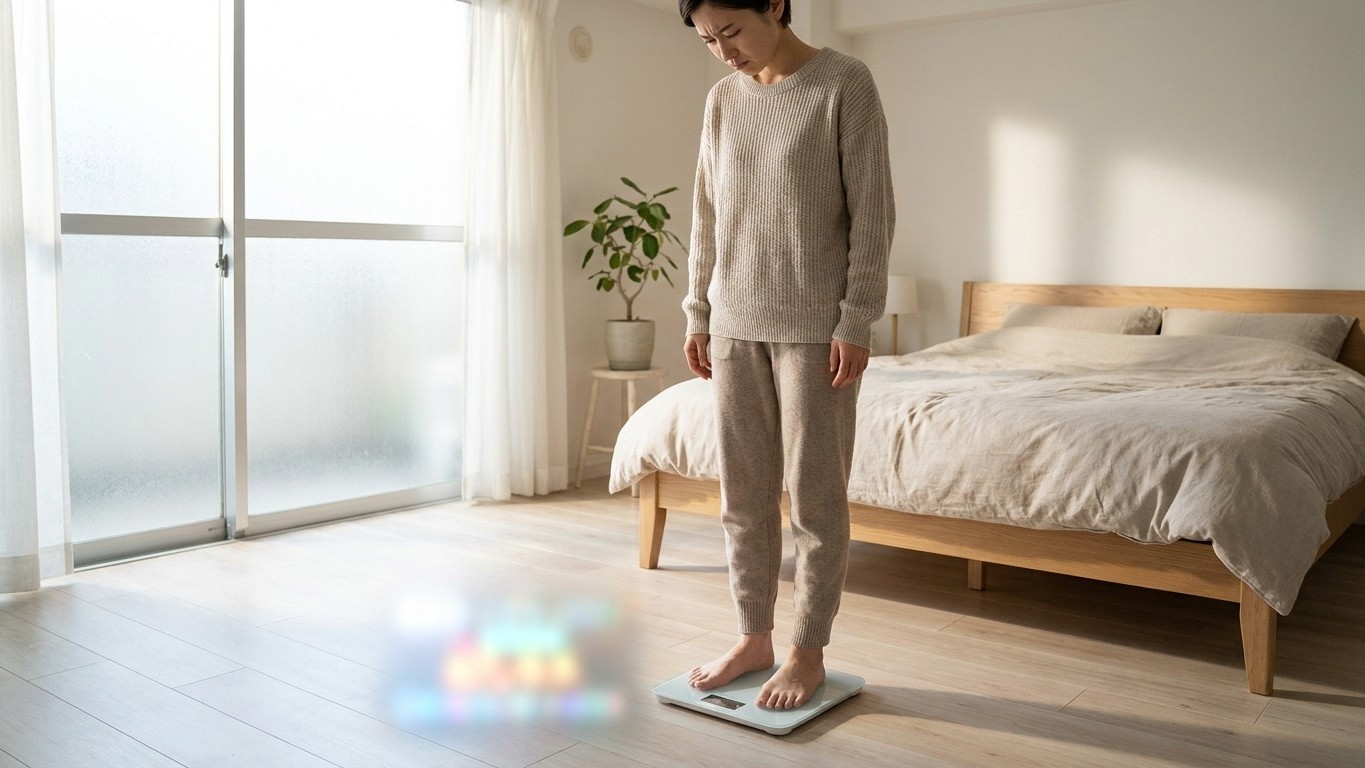
I followed 16:8 intermittent fasting for a full year: when I saw what the scale was actually losing, it was too late

After a year of 16:8 intermittent fasting, a body composition scan revealed a troubling reality: nearly half of the weight I’d lost wasn’t fat—it was muscle. Discover why the scale lies and what scientific evidence shows about protecting lean tissue while fasting.
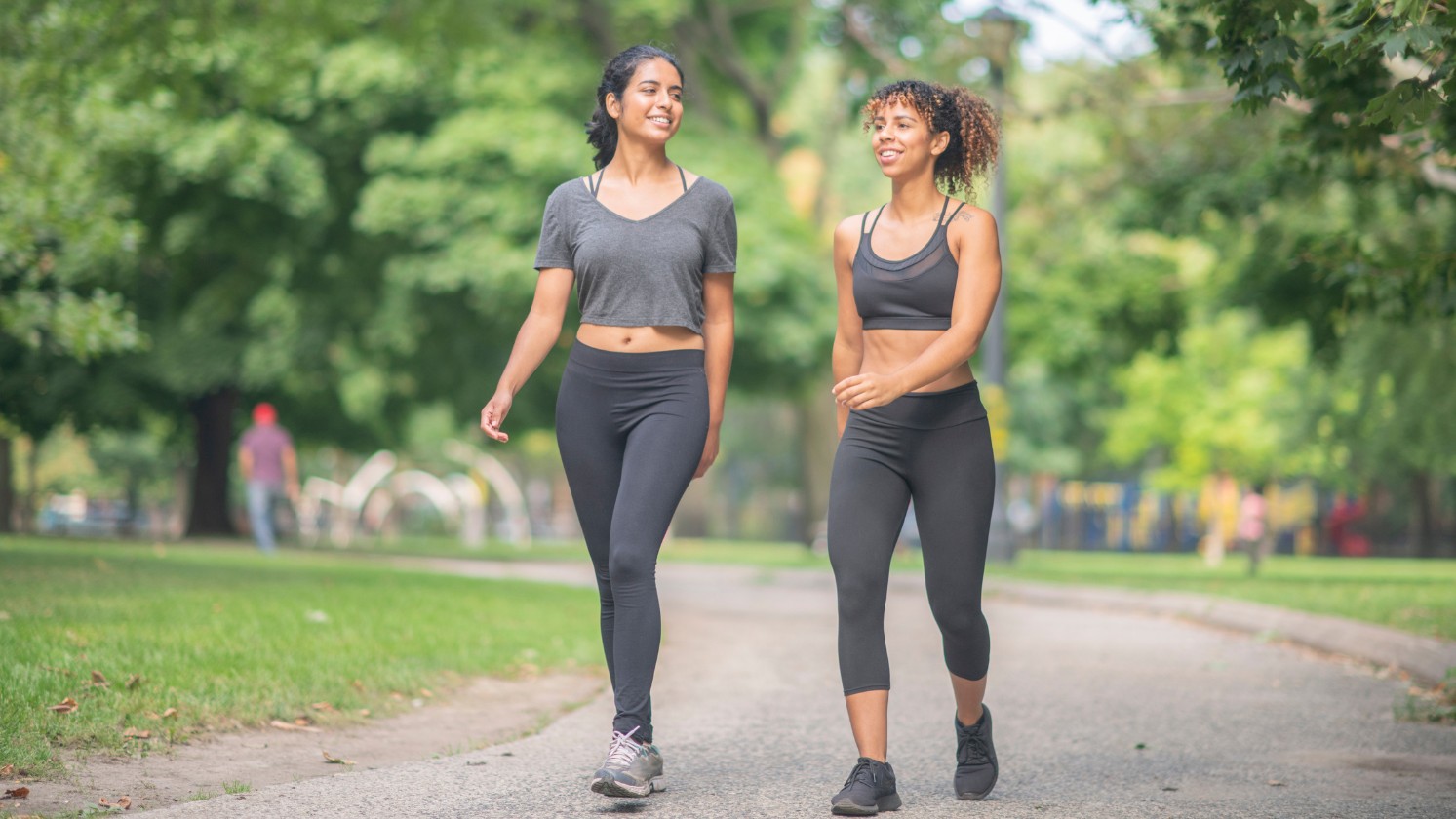
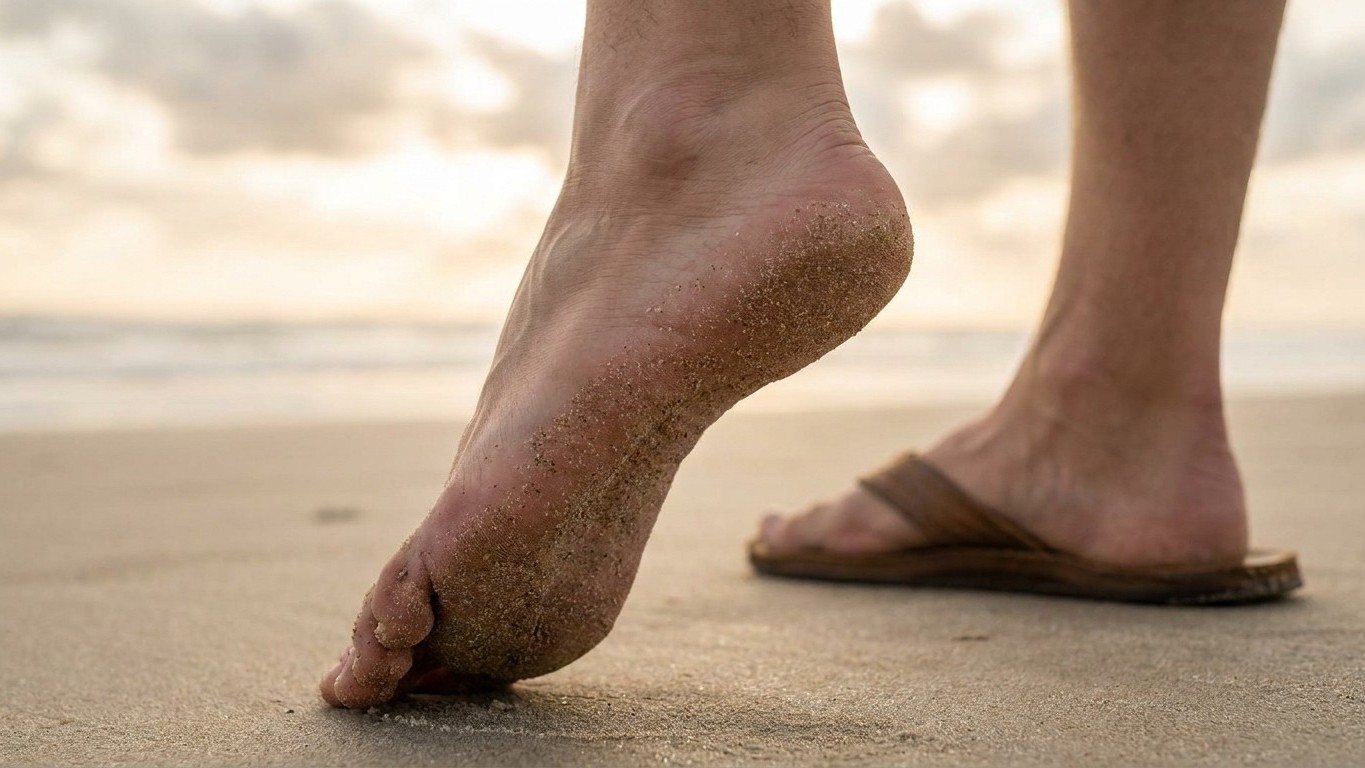
Why walking on dry sand makes your calves and Achilles ache

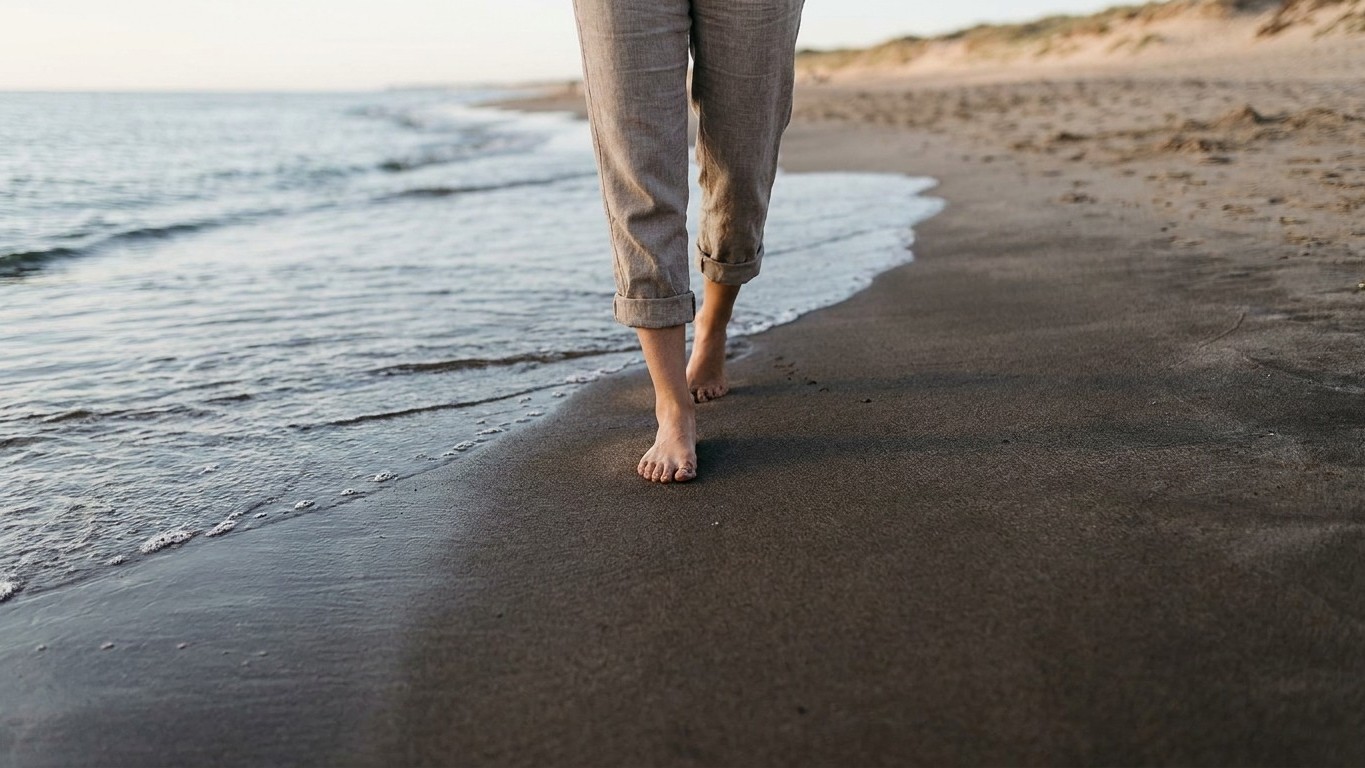
I walked on dry sand every morning thinking it was gentler than pavement: when my calves started burning after a week, I u...

You assumed soft sand was gentler than pavement—but your burning calves know better. Research reveals that dry sand dramatically increases the workload on your Achilles tendon and calf muscles, forcing them to work double-time with every step. Here’s what’s happening inside your body and how to walk smart.

The 10,000 steps goal comes from a Japanese pedometer ad

'I thought it was based on science': why the 10,000 steps goal is actually a number invented by a Japanese pedometer ad in...

The 10,000-step daily target isn’t based on rigorous science—it’s a catchy marketing slogan from a 1965 Japanese pedometer. Decades later, researchers finally tested the number and found something surprisingly different: most health benefits plateau around 6,000-8,000 steps.

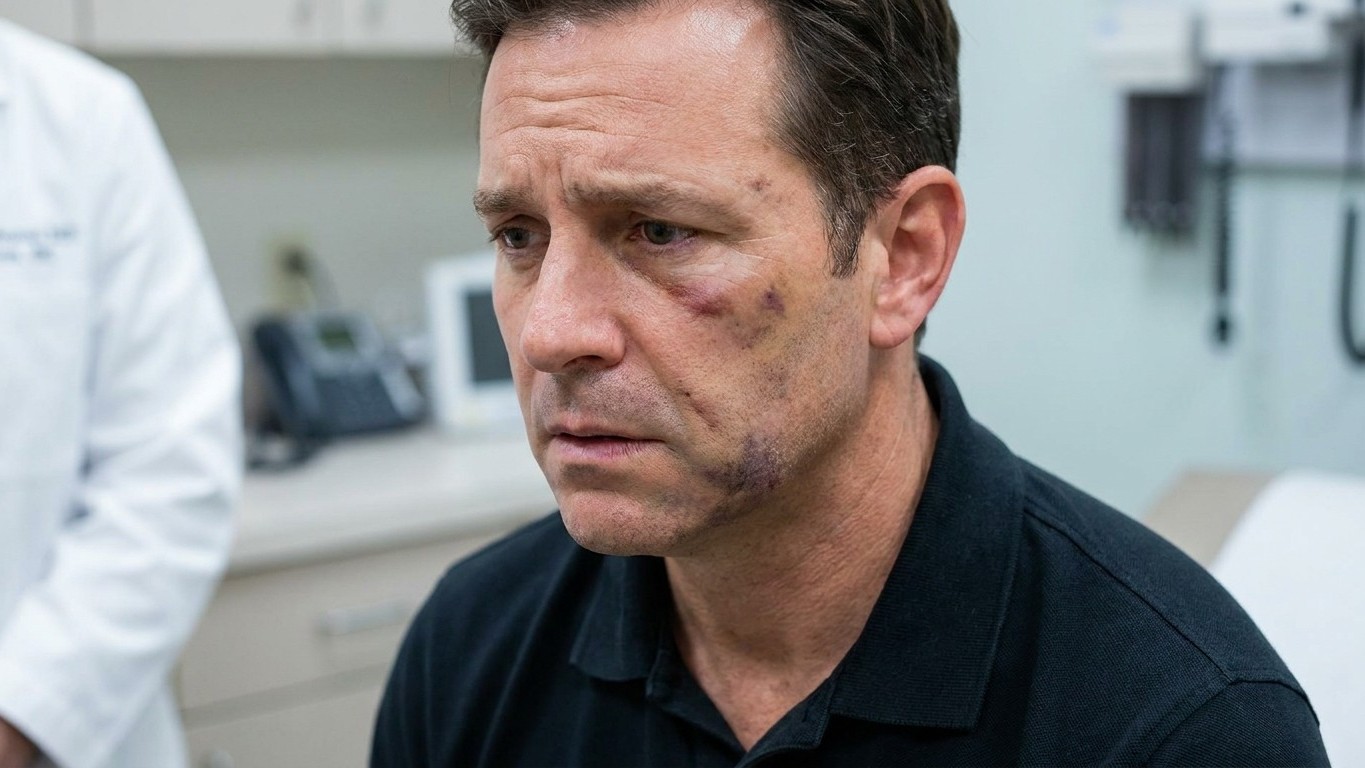
What bone smashing can do to your jaw and face

They stopped believing the bone-smashing trend when a surgeon showed what really happens under the skin after each hit

The viral “bone smashing” trend promised a chiseled jawline through repeated hammer blows to the face. But when surgeons revealed CT scans showing the actual damage—fractured cheekbones, nerve damage, and weakened bones—believers quickly reconsidered. The science behind it collapses under scrutiny, and the injuries are far worse than the cosmetic results.

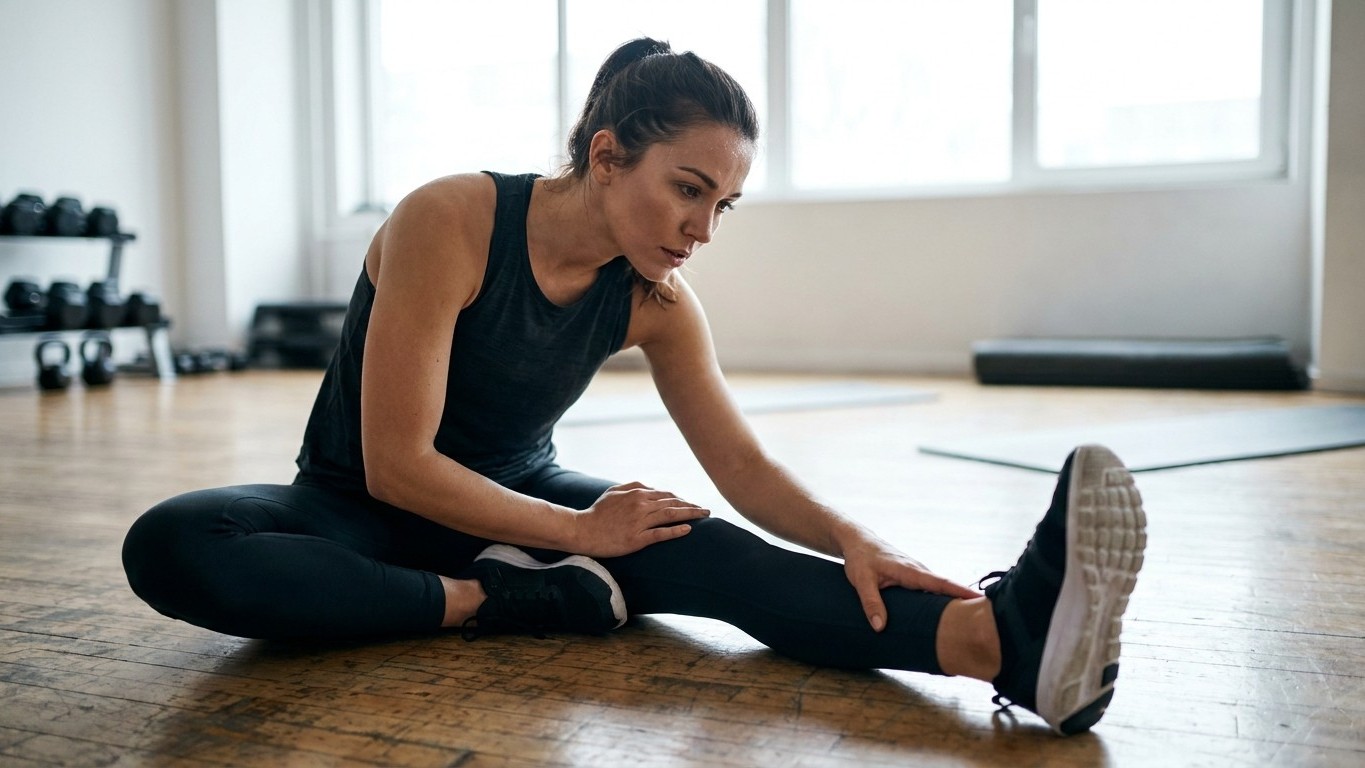
Why stretching does not flush lactic acid after exercise

I stretched for years to flush out lactic acid after workouts: a sports doctor showed me I wasn't targeting the real cause...

For decades, stretching has been prescribed to flush out lactic acid after workouts—but a sports doctor revealed the real culprit behind muscle soreness is something entirely different. Lactic acid actually clears your bloodstream within an hour, yet soreness lingers for days. The truth involves microscopic muscle tears and your immune system’s repair response.

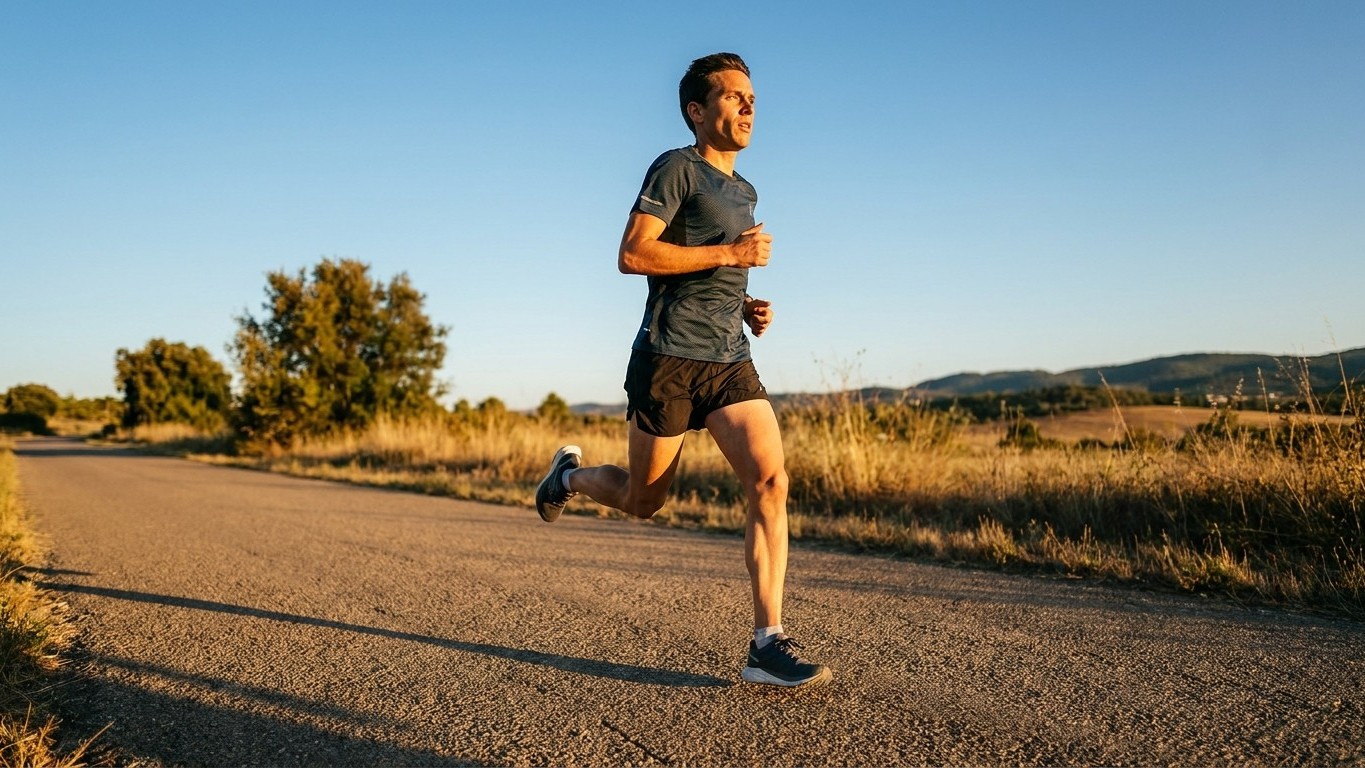
Why summer ozone peaks between 3pm and 6pm for runners

'I thought morning air was the polluted one': why summer ozone peaks at 6 pm is a warning runners need to take seriously

Most runners assume morning air is polluted, but the chemistry tells a different story. Ground-level ozone peaks in early evening—not rush hour—creating a hidden threat for summer athletes. Learn why your evening tempo run might be sabotaging your performance and how to adjust your schedule.

How flip-flops overwork the peroneus longus tendon in your foot

We all keep wearing flip-flops for hours on end in summer: this tiny reflex your toes make with every step is quietly wrec...

Every step in flip-flops triggers an unconscious toe-gripping reflex that overworks a critical tendon running along your sole. Repeated thousands of times during summer outings, this compensatory motion disrupts your foot’s natural stabilisation system and can lead to chronic pain, arch dysfunction, and even hip and back issues.

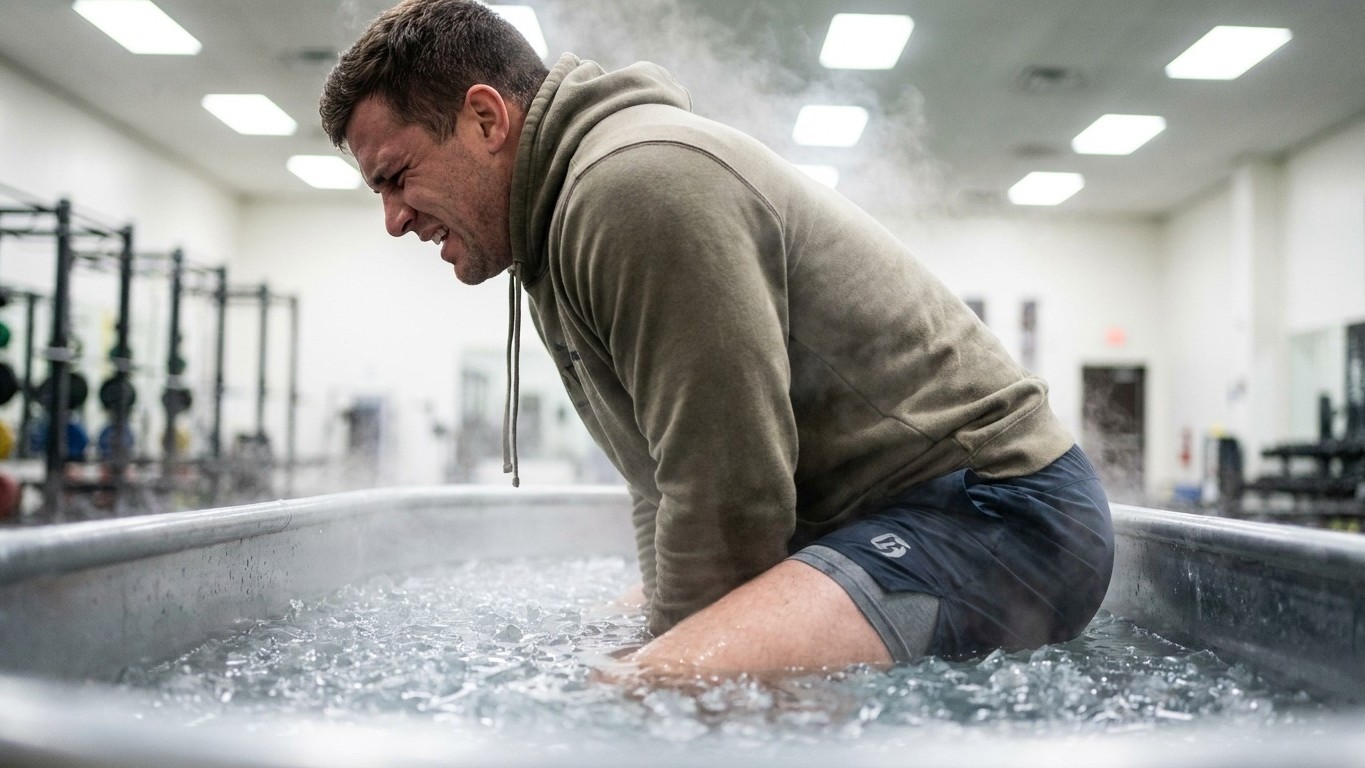
Why cold showers after lifting can reduce muscle growth

'I thought it was just a recovery trick': why the ice-cold shower right after lifting is a habit to take very seriously

Cold water immersion immediately after lifting has become a badge of honor for serious athletes, but emerging research reveals it may quietly sabotage the muscle-building process. What feels like recovery could actually be cutting your hypertrophy gains by a striking margin.

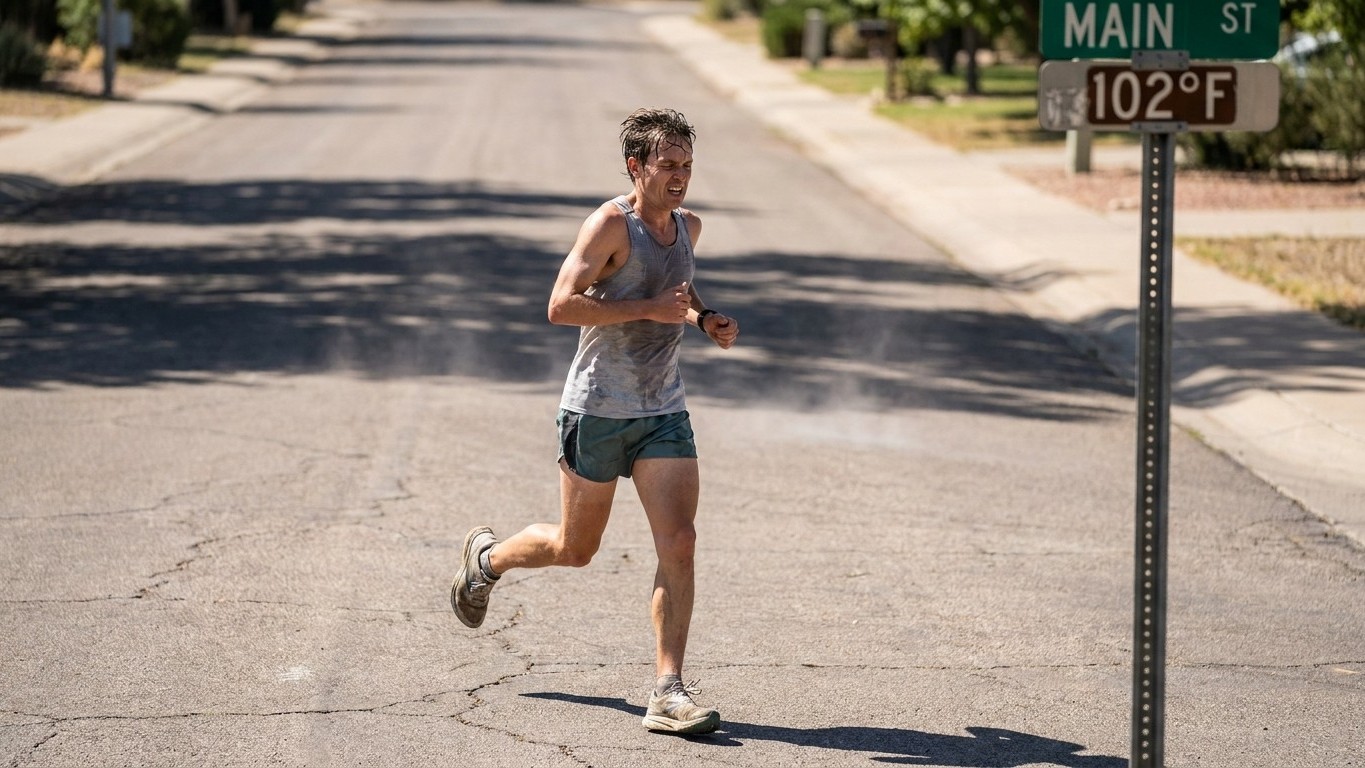
Why running in 30°C heat feels harder without acclimatization

'I thought I was just having a bad day': why running at 30°C without 10 to 14 days of acclimatization is a signal your bod...

That heavy feeling in your legs on your first hot run isn’t poor sleep or stress—it’s your cardiovascular system struggling to cool and fuel your muscles simultaneously. Understanding heat acclimatization science reveals why 10 to 14 days of gradual exposure matters, and how ignoring this timeline puts you at genuine risk.

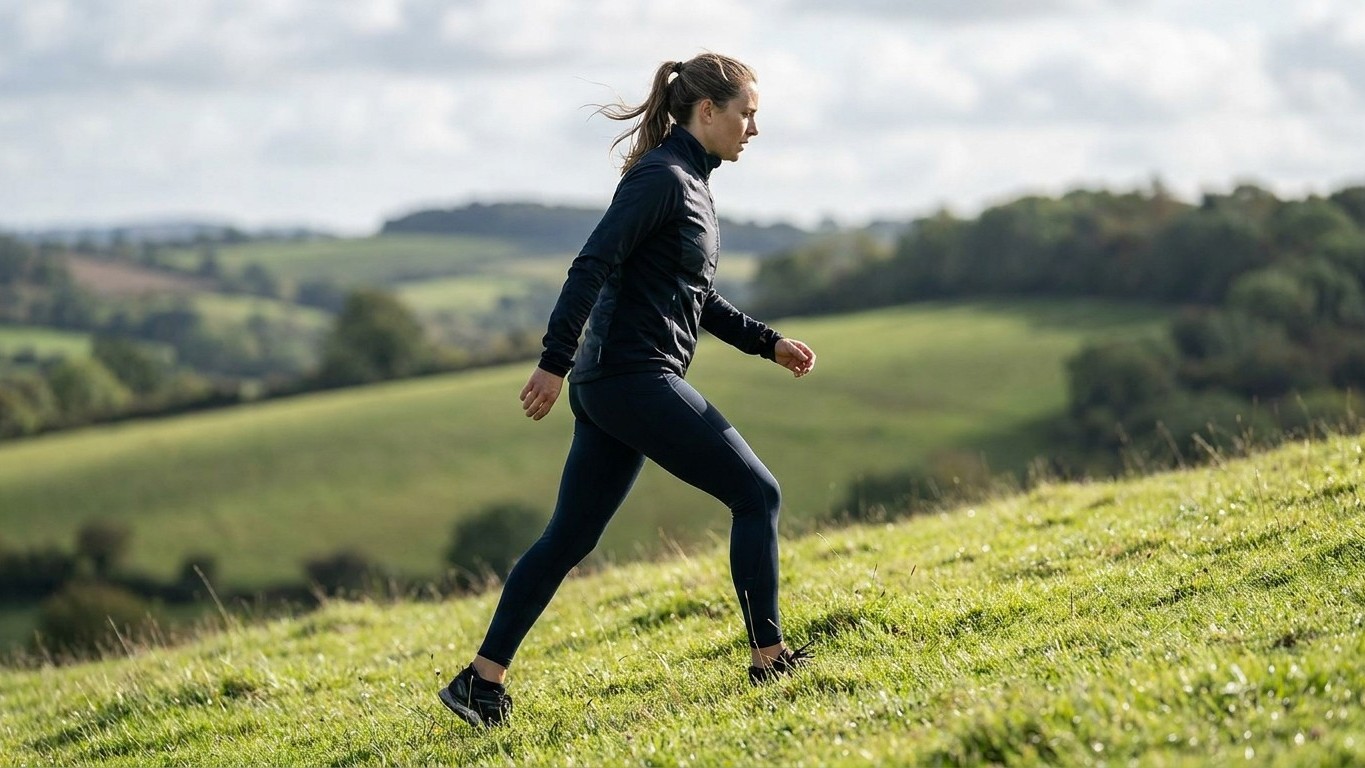
Why uphill walking works your legs harder than flat walking

We all insist on power walking on pavement, yet this move recommended by physiotherapists works the body far harder withou...

Power walking on flat pavement hammers your knees thousands of times per workout, but a simple shift to incline walking delivers far greater muscle engagement with virtually zero joint impact. Physiotherapists have quietly championed this biomechanical hack for years—and now the science proves it works.