Knees Over Toes When Squatting: Is It Bad? Where the Rule Came From and What Biomechanics Shows

Knees Over Toes When Squatting: Is It Bad? Where the Rule Came From and What Biomechanics Shows
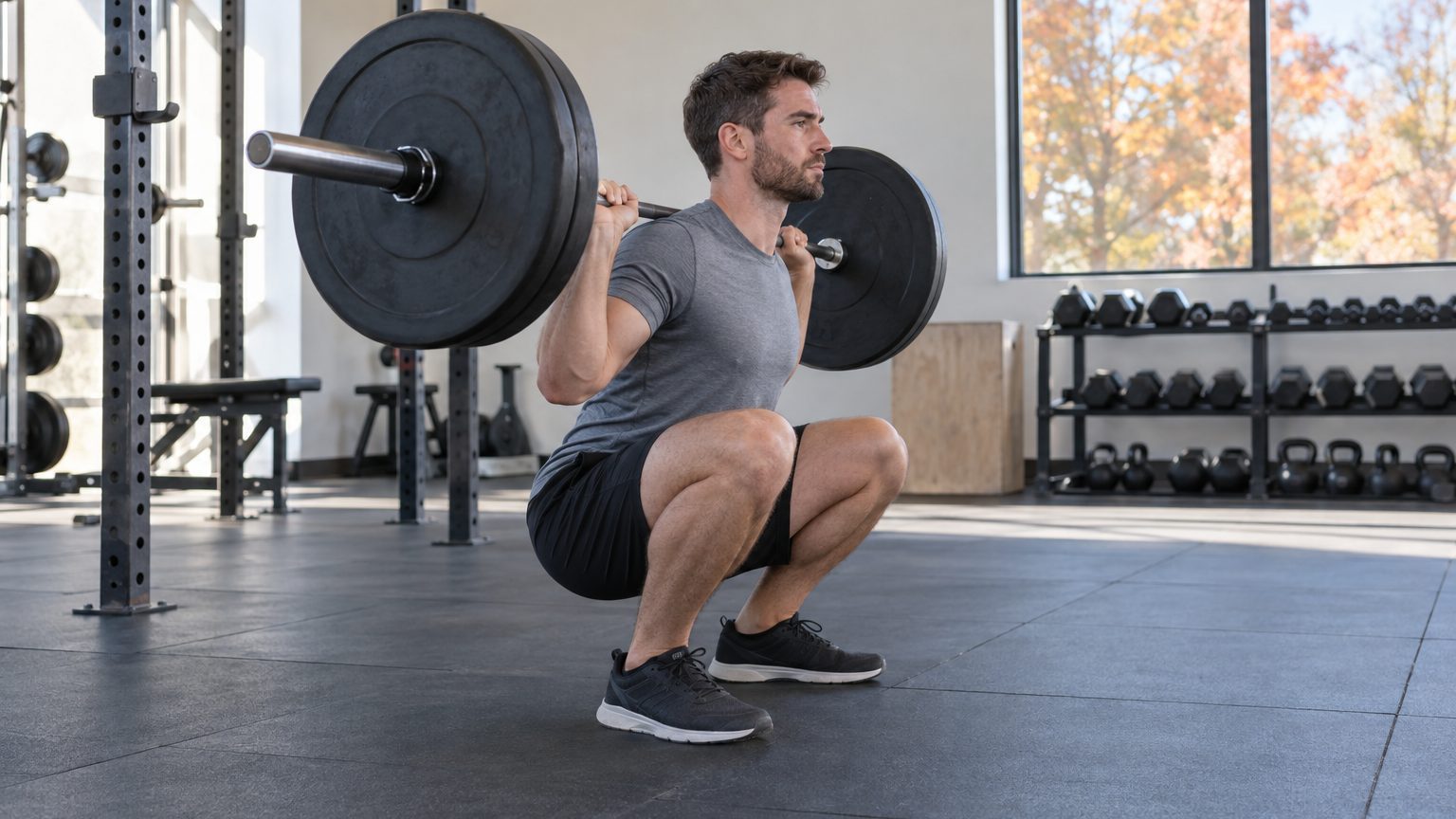
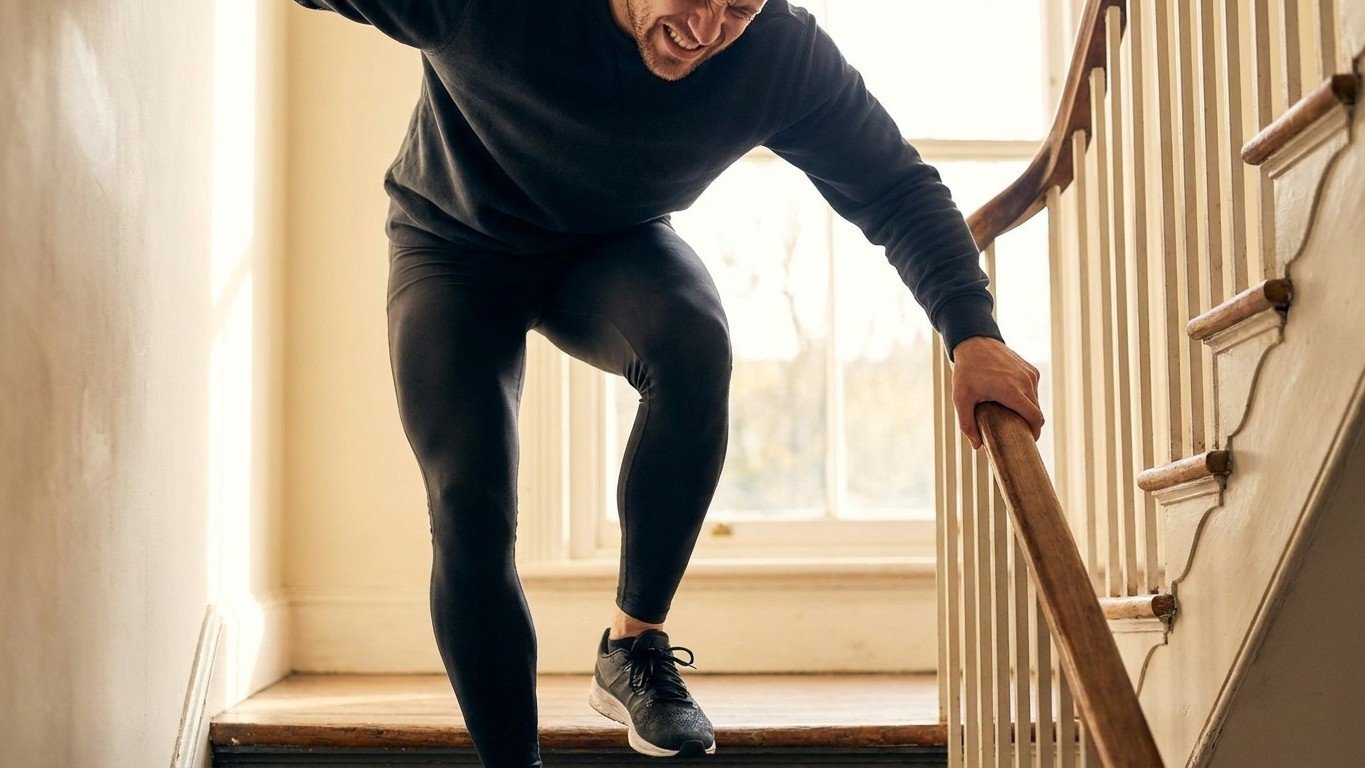
The widespread gym rule that your knees shouldn’t pass your toes during a squat is largely a myth. Research shows that knees traveling forward is a normal, healthy movement—and restricting them often just shifts strain elsewhere. Progressive training and proper ankle mobility matter far more than any hard line.
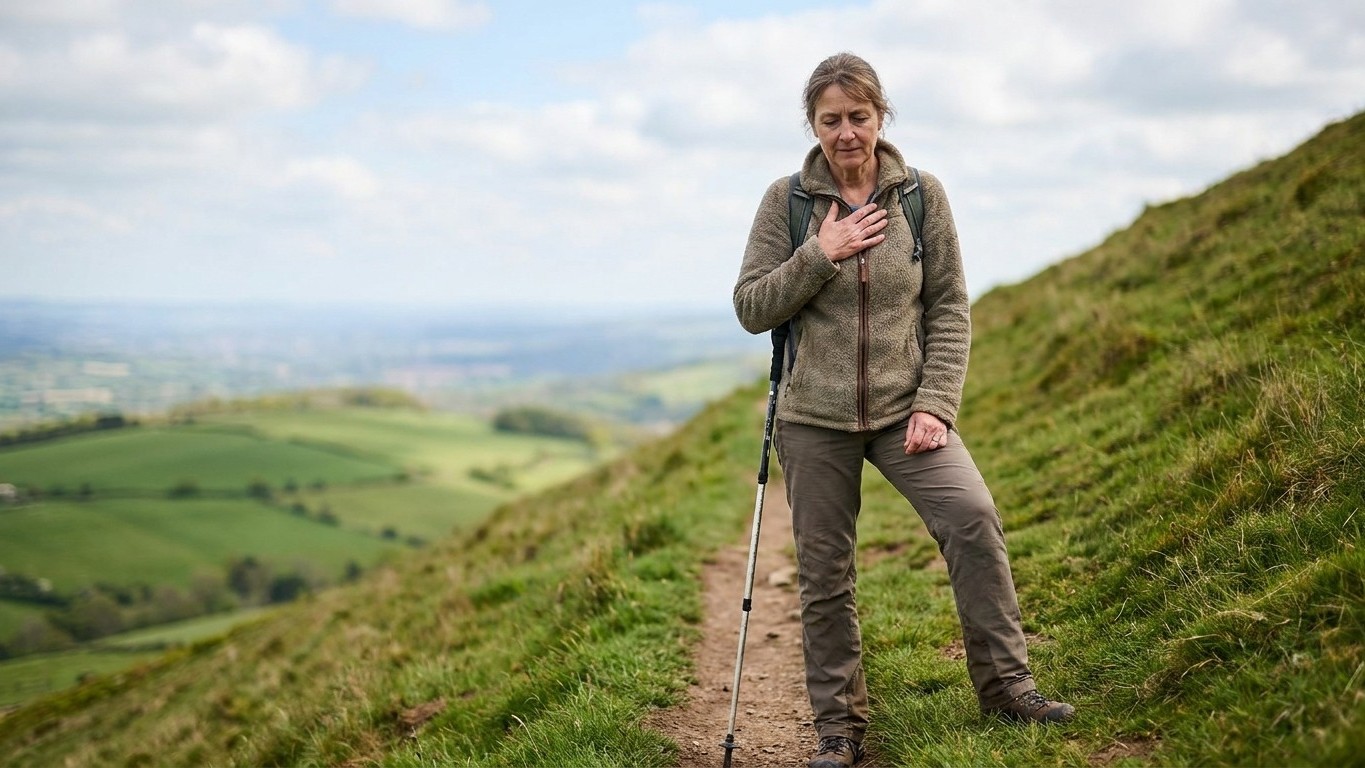
Why chest tightness on the same hill is not lost fitness

'It only tightens on the same hill, at the same pace': the two minutes after stopping that most walkers put down to lost f...

Chest tightness that strikes at exactly the same point every time you walk a particular hill isn’t a sign of declining fitness—it’s a warning your body is sending. A symptom that appears like clockwork points to a specific physiological threshold, not gradual deconditioning, and understanding the difference could change how you approach the problem.

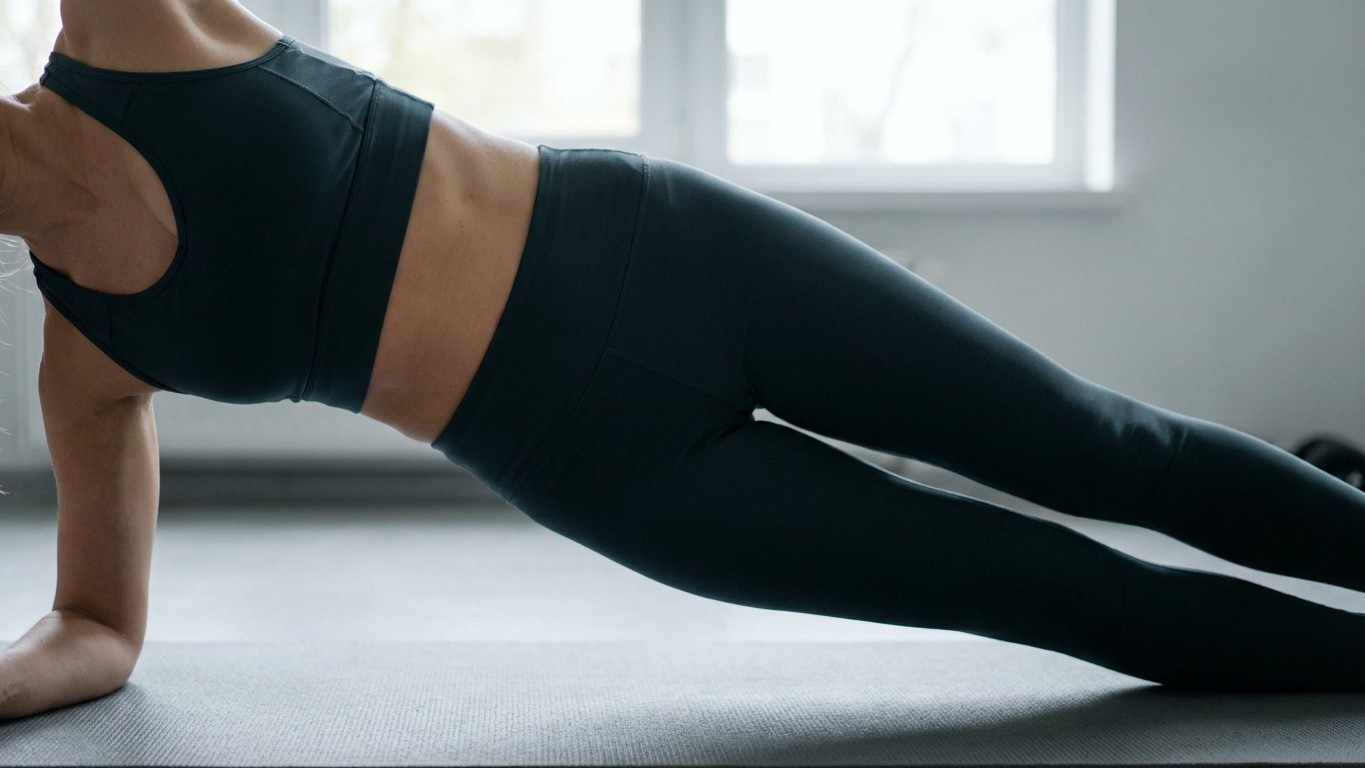
Why sagging hips in a plank put strain on your lower back

« I thought a longer plank meant a stronger core »: why hips that sink during the hold are a warning signal your lower bac...

That sagging hip during your plank isn’t a minor form slip—it’s your lower back warning you that the load has shifted to the wrong tissues. New research challenges the myth that longer plank holds build better stability, and biomechanics experts now recommend shorter, perfect repetitions over grinding endurance tests.

Why sore muscles two days after exercise are not lactic acid

'I thought it was just lactic acid building up': why the soreness that hits two days after a workout comes from something ...

That two-day soreness isn’t from lactic acid—it clears your system within an hour. Instead, eccentric muscle contractions trigger microscopic damage that sparks a delayed inflammatory cascade, peaking around 72 hours. Understanding this changes everything about how you should train and recover.

Why drinking too much water during exercise is dangerous

The Hidden Danger of Drinking Too Much Water During Exercise: How Over-Hydration Can Flush Out Critical Sodium

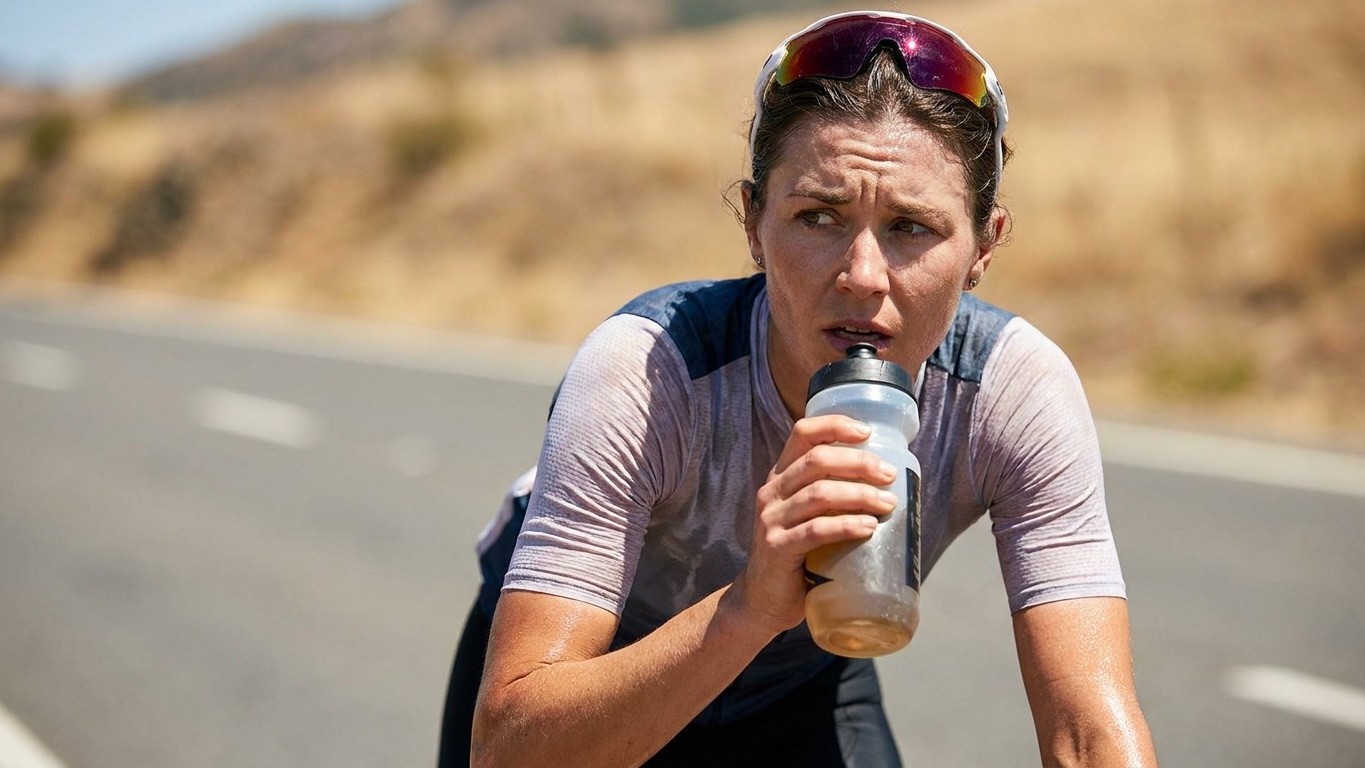
The well-intentioned advice to “drink as much as possible” during exercise can backfire spectacularly in hot weather. Excessive plain water consumption dilutes blood sodium to dangerous levels, a condition called exercise-associated hyponatraemia that affects not just ultramarathoners but casual gym-goers too. Here’s what your body actually needs.

Does fasted running burn more fat over 24 hours?

I Ran on an Empty Stomach Every Morning to Burn Fat—Here's What a Sports Scientist Showed Me About the Next 24 Hours

Fasted running is built on a simple promise: skip breakfast, burn more fat. But a deep dive into the science reveals a critical gap between burning fat during a workout and actually losing body fat. When a sports scientist walked me through what happens in the next 24 hours, the reason my scale never budged finally made sense.

Do you need sports drinks for an hour of exercise?

I Drank Sports Drinks Every Workout Until a Scientist Showed Me I Was Just Adding Sugar to a Full Tank

For a year, I sipped isotonic drinks through every one-hour gym session convinced I was optimizing performance. A conversation with a sports scientist revealed an uncomfortable truth: my glycogen stores were nearly full, and I was essentially drinking liquid candy. Here’s what I learned about who actually needs sports drinks—and who doesn’t.

Does sweating more mean you burn more calories?

Sweat Is Not a Calorie Counter: Why Your Drenched Workout Isn't Burning What You Think

You’ve been using the wrong metric to judge your workout success. A personal trainer’s revelation about sweat as a temperature regulator—not a calorie indicator—explains why intense sweating sessions haven’t moved your scale. Find out what actually burns calories and how to track real progress.

Why Your Daily Walk Isn’t Fixing Your Health Numbers: What Your Doctor Sees That Your Fitness Tracker Misses

Why Your Daily Walk Isn't Fixing Your Health Numbers: What Your Doctor Sees That Your Fitness Tracker Misses

You walk faithfully every evening, yet your doctor’s blood work tells a completely different story about your health. A routine health check can expose how one good habit might be compensating for several others gone wrong, and why the numbers don’t always match the effort.

Why Your Noon Workouts Feel Harder Than They Are: What Your Heart Rate Is Actually Telling You

Why Your Noon Workouts Feel Harder Than They Are: What Your Heart Rate Is Actually Telling You

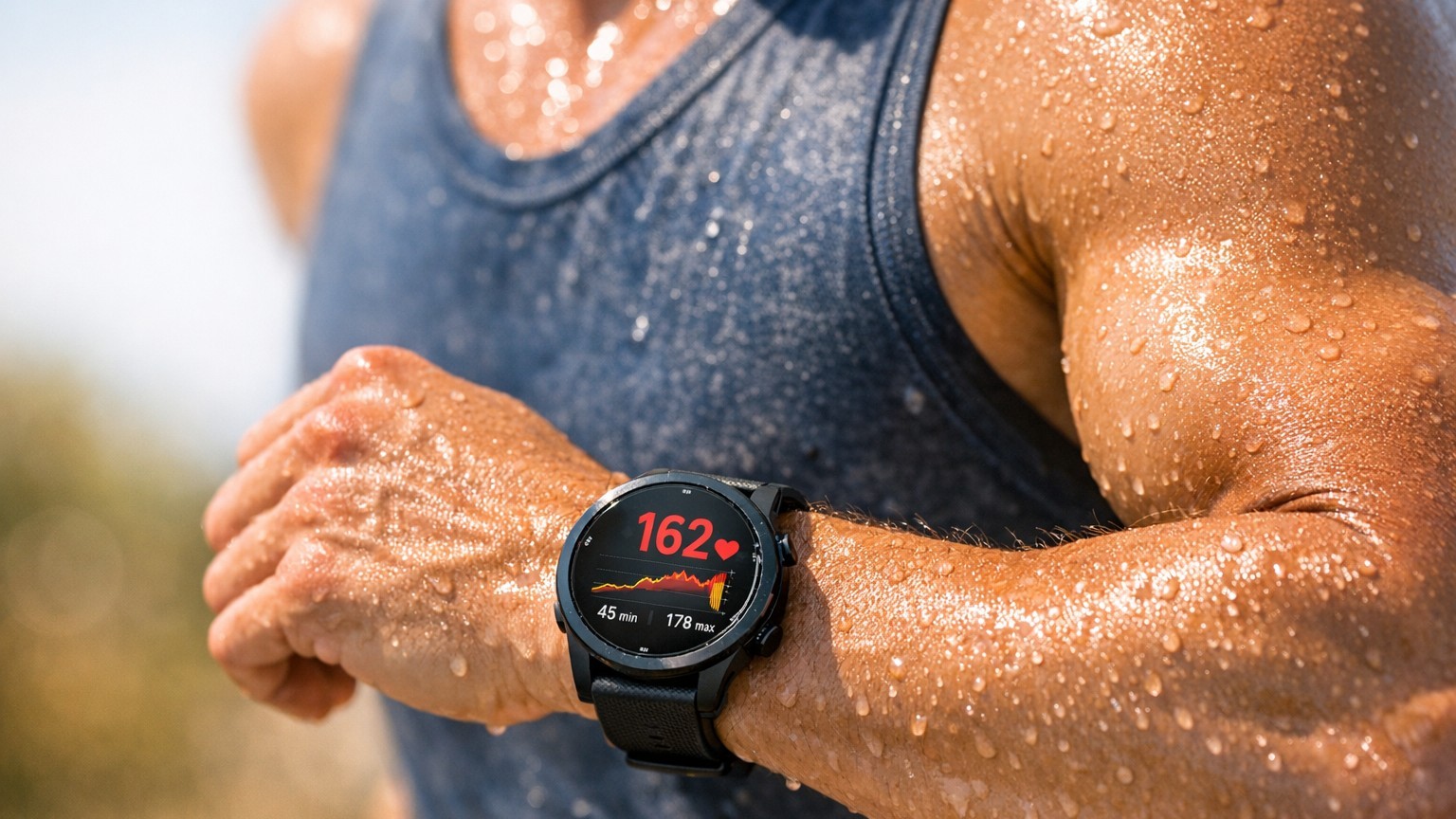
You’ve been training at noon for months, watching your heart rate spike and believing you’re building endurance. But when a coach checked your data, everything changed. What you thought was progress was actually your body struggling against heat—and the difference matters far more than you realize.