
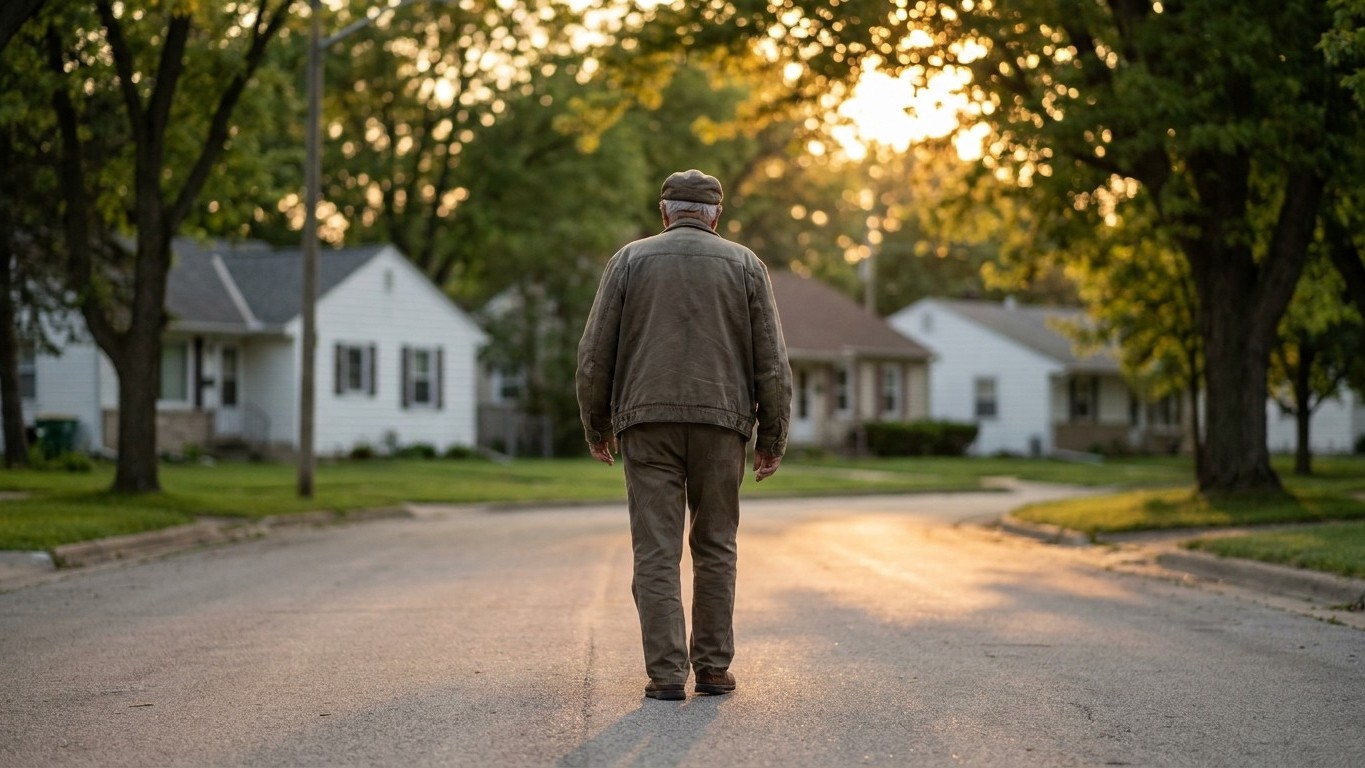
For years I rolled my eyes when my father pushed back his chair after Sunday roast, patted his stomach, and announced it was time for “just a little turn around the block.” Rain or shine, ten minutes, no exceptions. I used to tease him mercilessly about this fussy little routine. Turns out he was decades ahead of the evidence.
A 2025 study from Ritsumeikan University, published in Scientific Reports, gives his ritual an unexpected scientific stamp of approval. Researchers wanted to know whether a 10-minute walk taken immediately after glucose intake could be more effective than the commonly recommended 30-minute walk taken later. Twelve healthy adults tried three conditions in random order: sitting still, walking for ten minutes straight after eating, or walking for thirty minutes starting half an hour later. Both approaches improved blood sugar control compared to resting, but the 10-minute walk immediately after glucose intake was uniquely effective at reducing peak glucose spikes. My father, it seems, had the timing exactly right without ever reading a single research paper.
Key takeaways
- A father’s quirky post-dinner routine turns out to match the exact formula scientists just validated in peer-reviewed research
- The timing of your walk matters more than its length—and waiting 30 minutes might mean you’ve already missed the glucose spike
- Even two minutes of movement after eating helps, but ten minutes at a comfortable pace appears to be the ‘sweet spot’
What’s actually happening in your body after that meal
Every time we eat, especially a carbohydrate-heavy dinner, glucose floods into the bloodstream faster than our cells can quietly absorb it. Left to its own devices, that surplus sugar spikes, then crashes, a rollercoaster that can spike by 30% or more after a typical meal, even if you do not have diabetes. Muscles are the body’s biggest glucose sponges, and walking, even gently, switches them on almost instantly. Exercise impacts your blood sugar quickly, often within a few minutes, and over time, physical activity helps your body use insulin more effectively, decreasing the insulin resistance often seen in diabetes.
The Cleveland Clinic’s research summary is refreshingly modest about how little effort this takes. The study indicates that walking just two to five minutes can bump your blood sugar down a bit. My father’s ten minutes, then, wasn’t some obsessive over-achievement, it was roughly double the minimum effective dose. He’d have found that funny, I think, given how much he grumbled about being made to walk it in the first place by my mother.
Why timing matters more than you’d expect
Here’s the detail that surprised me most: when you walk seems to matter almost as much as whether you walk at all. UCLA Health researchers reviewing seven separate trials found that even a five-minute walk after eating a meal had a measurable effect on moderating blood sugar levels, with the beneficial effect observed during a 60- to 90-minute window following the meal. Walk too late, past that window, and you’ve missed the glucose peak entirely, chasing a spike that’s already happened. Walk during it, and changes to blood sugar were less extreme. Also, occurred more gradually.
Interestingly, some researchers now argue immediately is even better than waiting. The Ritsumeikan team noted that a previous study reported a better effect of a 30-minute walk immediately after meals than a 30-minute walk, 30 minutes after a meal, the latter of which is generally recommended for blood glucose control. This flips decades of casual advice about waiting for food to “settle” before moving. Practically, it means the old habit of clearing plates, then heading straight out the door, beats lounging on the sofa for half an hour first and going afterwards.
None of this requires speed either. Participants in the Japanese trial simply chose their own comfortable pace, and averaged a gentle 3.8 km/h (approximately 2.4 mph), which mimics how people naturally move in daily life. There was no brisk marching, no smartwatch heart-rate target. Just an unhurried stroll, the kind you’d take chatting with a neighbour or letting the dog sniff every lamppost.
If a walk isn’t possible, standing still helps a little
Not every evening allows for a stroll, wet pavements, bad knees, a toddler refusing to sleep. The research offers some comfort here too. A CNN report on National Library of Medicine findings noted that getting up and moving after you eat, even if it’s only for two minutes, can help control blood sugar levels, and if you can’t do that, try standing. It helps, too. A broader review comparing sitting, standing and walking breaks similarly found that intermittent standing breaks significantly improved postprandial blood glucose levels compared to prolonged sitting. It’s not a substitute for movement, but it’s a reasonable fallback on the nights your father’s little turn around the block genuinely isn’t feasible.
It’s worth being honest about who benefits most and how much this matters day to day. Cleveland Clinic’s diabetes care specialist Mary Rose Knapp is careful to frame it proportionately: this isn’t a magical solution for diabetes, a post-meal walk is a great habit that benefits blood sugar, but managing diabetes never comes down to just one thing. She also flags a genuine caution for anyone on glucose-lowering medication, since exercising can make it dip too low in those cases, which is exactly the kind of thing worth raising with your GP or diabetes nurse before making changes to your routine.
My father died five years ago, and I still can’t finish a big dinner without hearing his voice nagging me toward the front door. What strikes me now isn’t that he was right about walking, plenty of people know exercise is good for you in some vague sense. It’s that he’d landed, purely by instinct and stubbornness, on the precise ten-minute, immediately-after-eating formula that a Japanese lab would spend years and proper funding confirming decades later. Sometimes the fussy little rituals our parents insist on aren’t fussiness at all. They’re just quiet, unscientific wisdom, waiting for the rest of us to catch up.
Sources : uclahealth.org | nature.com