
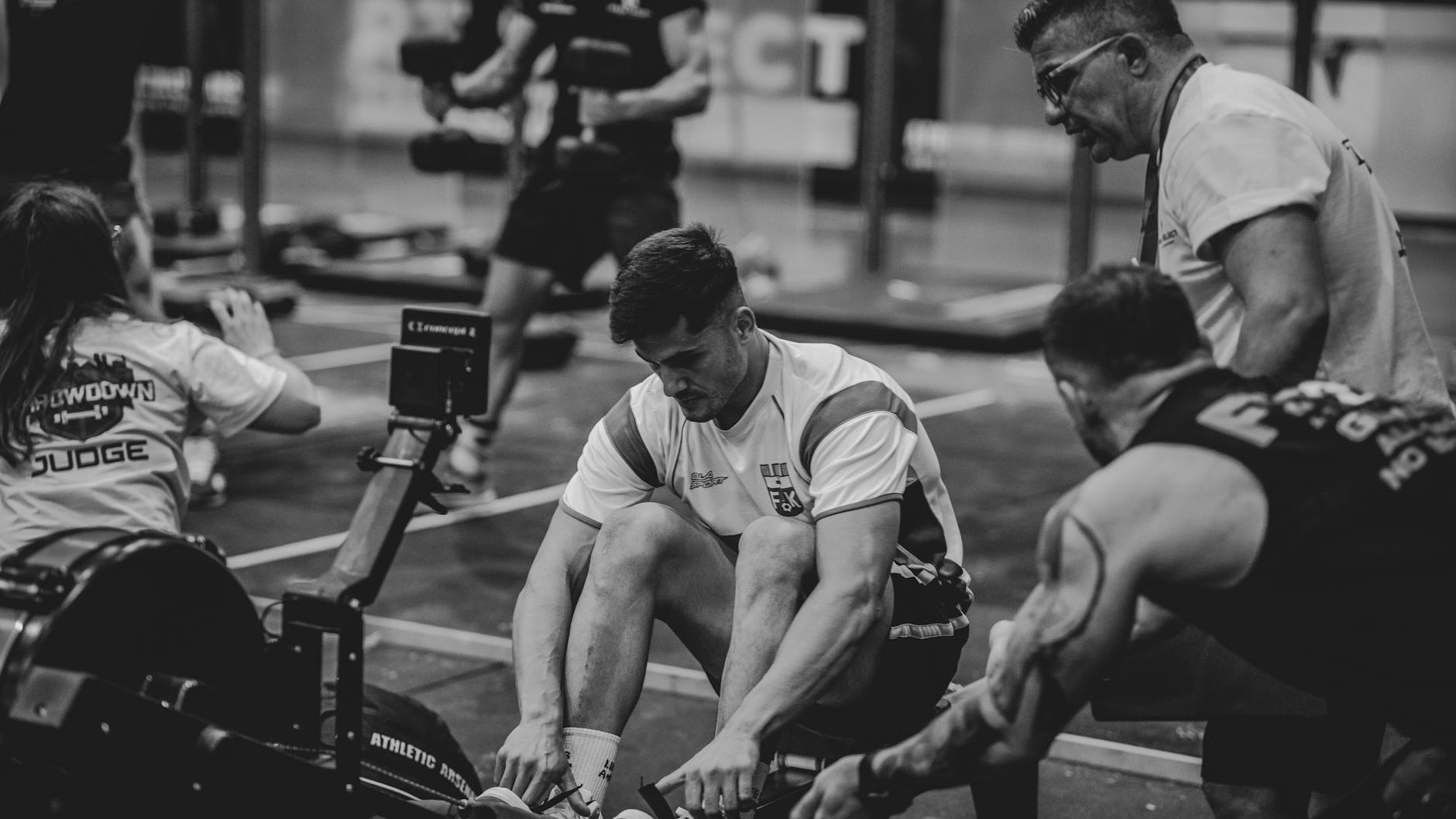
The damper setting on a rowing machine looks almost laughably insignificant, a small numbered dial, usually tucked on the side of the flywheel housing, running from 1 to 10. Most people spin it straight to 8 or 10 the moment they sit down, assuming that higher resistance means a better workout. That assumption is wrong, and during a warm-up, it can put serious strain on your lumbar spine before you’ve pulled a single proper stroke.
Key takeaways
- That innocent-looking numbered dial controls airflow, not resistance—and most people use it completely wrong
- Your cold muscles during warm-up can’t handle high damper settings, forcing your lower back to compensate and absorb dangerous loads
- Elite rowers and injury-free athletes rarely use settings above 5 or 6, yet beginners instinctively max it out
What the damper actually does (and what it doesn’t)
The damper controls how much air flows into the flywheel cage, not the resistance level itself. A higher setting lets in more air, which makes the flywheel feel heavier to accelerate, similar to rowing a wide-bodied barge versus a racing shell. The actual resistance you experience on every stroke is determined by how hard and fast you pull. This distinction matters enormously, because cranking the damper to 10 and pulling slowly doesn’t give you a hard workout. It gives you a mechanically disadvantaged one.
Concept2, the manufacturer whose machines appear in the vast majority of UK gyms and sports clubs, has long recommended that most recreational rowers use a damper setting between 3 and 5. Elite athletes often train at settings in this same range. The logic is straightforward: lower damper settings allow the flywheel to spin more freely, which rewards efficient, rhythmic technique. High settings punish poor sequencing by demanding so much force at the catch that the lower back compensates when the legs, core, and arms aren’t yet working in the right order.
Why warm-up is the moment of greatest risk
Cold muscles are less pliable, neural pathways haven’t been primed, and your movement patterns are sloppy in ways you simply don’t notice. Put those three factors together with a stiff flywheel on a rowing machine, and you have a reliable recipe for lumbar trouble. The rowing stroke begins with a loaded hip hinge at the catch position, shins vertical, body leaning forward from the hips, arms extended. From there, the drive sequence is meant to travel through the legs first, then the core, then the arms. When the damper is set too high during warm-up, the initial pull requires so much effort that rowers instinctively yank with their lower back to generate momentum, bypassing the legs entirely. Spinal flexion under load, especially in a cold, unprepared body, is exactly the kind of movement pattern associated with disc irritation and muscle strain.
Physiotherapy research on rowing injuries consistently identifies the lower back as the most commonly affected area, with studies suggesting lumbar pain accounts for somewhere between 30 and 50 percent of all rowing-related complaints. Poor technique under heavy load is a recurring theme in that literature. A warm-up on a high damper setting is essentially a concentrated dose of that same faulty pattern, repeated at a moment when your body is least able to absorb it.
The right way to use the damper during a warm-up
Start at a setting between 2 and 4. This feels almost comically light to anyone used to higher settings, but that’s exactly the point. At lower settings, the flywheel spins up quickly and rewards leg drive, which teaches your body to initiate the stroke correctly. Your core activates because it needs to transfer force, not because it’s bracing against an immovable object. The warm-up then becomes an opportunity to rehearse good movement patterns rather than grind through bad ones.
Spend the first five minutes at this light setting, focusing on sequencing rather than pace. Legs, bodies, arms on the drive. Arms, bodies, legs on the recovery. Your split times will look slow. That is fine. The goal during warm-up is to raise your core temperature, lubricate the hip joints, and groove the motor pattern of the stroke so that when you do increase intensity, your spine is being supported by a coordinated chain of muscles rather than doing the work alone.
Once you’ve completed that base phase, you can gradually increase both damper setting and stroke rate over the following few minutes. Many experienced rowers never go above a 5 or 6 even during main sets, and they’re often the people who’ve been rowing consistently for twenty years without chronic back problems, which is probably not a coincidence.
A few other things worth checking before you pull
The damper isn’t the only culprit. Foot stretcher position affects how much your lower back rounds at the catch, feet strapped in too high push the heels up, rotate the pelvis posteriorly, and force the lumbar spine into flexion before you’ve even started. The footplate should be positioned so the strap sits across the ball of your foot, which allows the ankle to flex naturally and keeps your pelvis in a more neutral tilt.
Seat height relative to the handle height also plays a role on machines with adjustable frames, though most fixed-frame ergometers in UK gyms don’t offer this. What you can control is the height of your handle during the catch, resist the urge to drop your hands below your knees. Keeping a straight back at the catch requires genuine hamstring flexibility, and if yours are tight, no amount of correct damper setting will fully protect your lower back. Spending a couple of minutes on a standing forward fold or a deep hip flexor stretch before you even sit on the machine pays dividends that the most sophisticated warm-up protocol on the rowing machine itself simply cannot replicate.
One genuinely underappreciated detail: the drag factor, which you can check on Concept2 machines by going into the monitor’s extra menu options, gives you a more precise read of how the machine is actually performing than the damper number alone. Two machines set to “5” in the same gym can have meaningfully different drag factors depending on how recently the flywheel cage was cleaned of dust. A clogged cage at setting 5 can behave like a clean cage at 7. Checking drag factor periodically, and adjusting accordingly, takes about thirty seconds and removes a variable that most recreational rowers don’t even know exists.
Always consult your GP or a chartered physiotherapist if you’re experiencing lower back pain during or after exercise. This article is for general informational purposes and does not constitute medical advice.