Knees Over Toes When Squatting: Is It Bad? Where the Rule Came From and What Biomechanics Shows

Knees Over Toes When Squatting: Is It Bad? Where the Rule Came From and What Biomechanics Shows
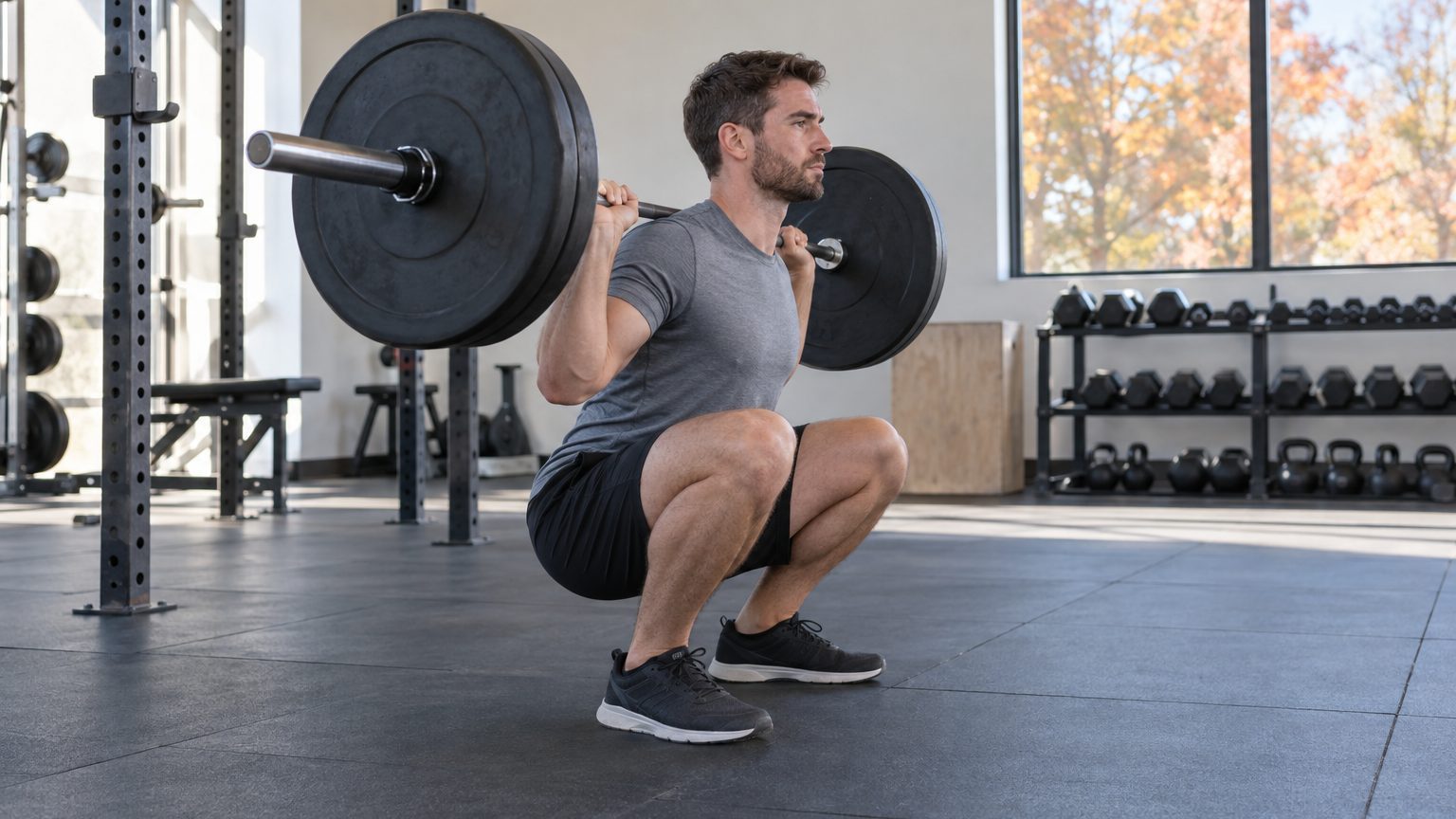
The widespread gym rule that your knees shouldn’t pass your toes during a squat is largely a myth. Research shows that knees traveling forward is a normal, healthy movement—and restricting them often just shifts strain elsewhere. Progressive training and proper ankle mobility matter far more than any hard line.
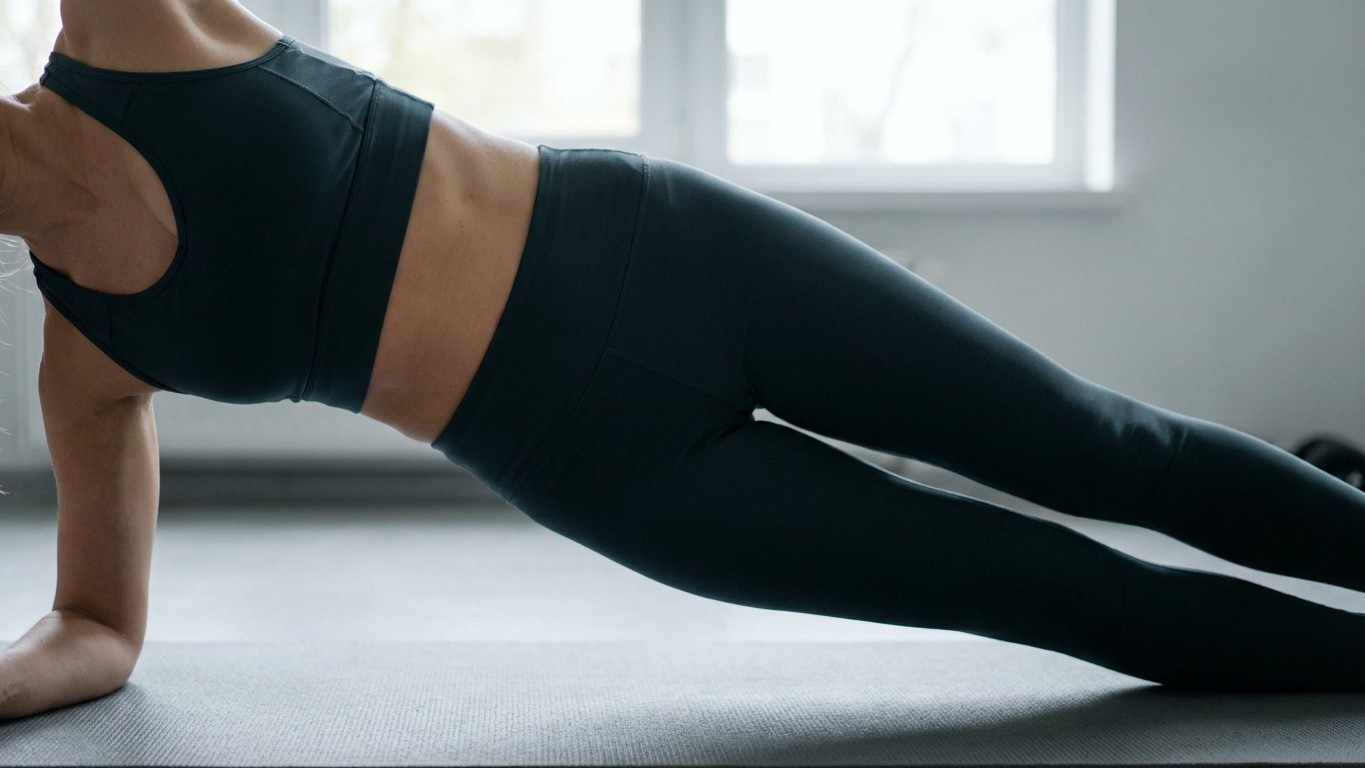
Why sagging hips in a plank put strain on your lower back

« I thought a longer plank meant a stronger core »: why hips that sink during the hold are a warning signal your lower bac...

That sagging hip during your plank isn’t a minor form slip—it’s your lower back warning you that the load has shifted to the wrong tissues. New research challenges the myth that longer plank holds build better stability, and biomechanics experts now recommend shorter, perfect repetitions over grinding endurance tests.

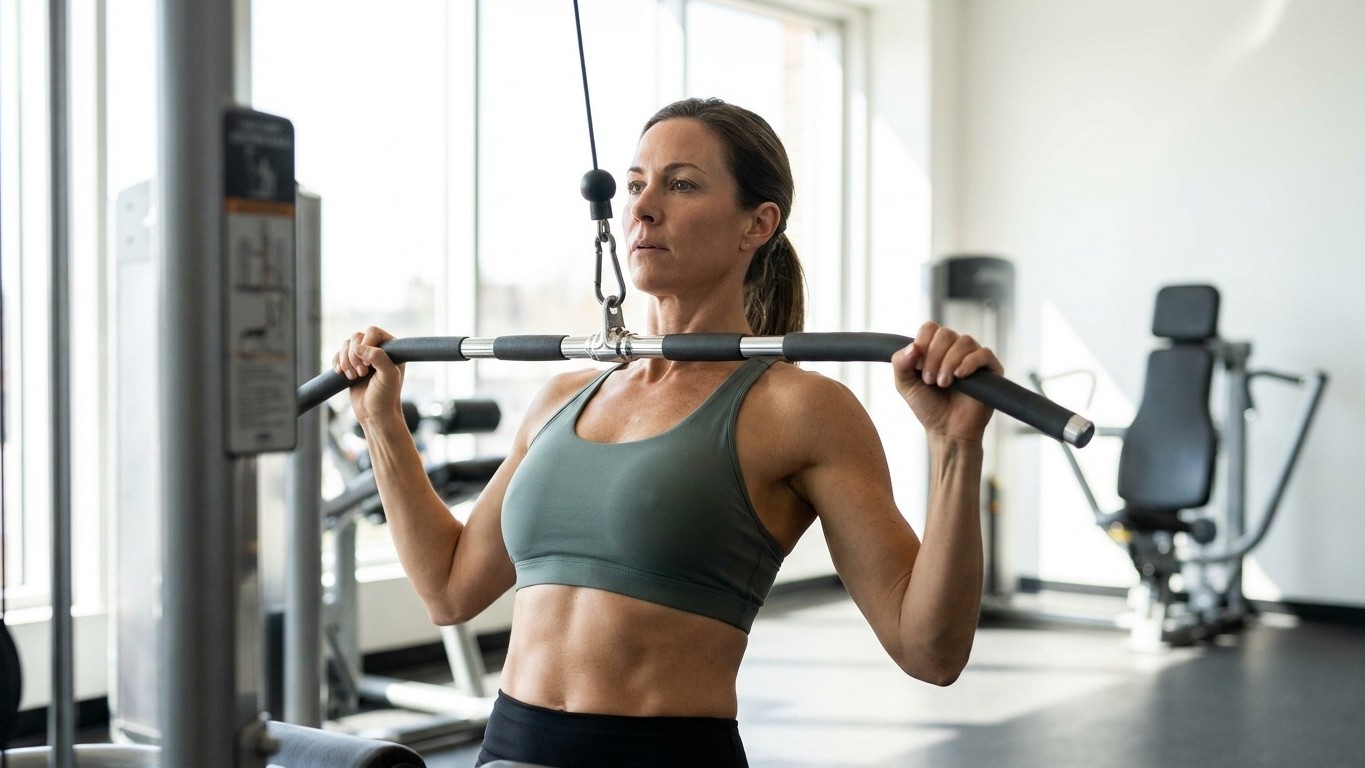
Behind-the-Neck Lat Pulldowns: Why the Science Says Stop

Why I Stopped Doing Behind-the-Neck Lat Pulldowns After Seeing the Science

For decades, the behind-the-neck lat pulldown dominated gym floors as the “serious” way to build a wide back. But electromyography research reveals a uncomfortable truth: it doesn’t activate lats any better than front pulldowns, while placing your shoulders in a genuinely vulnerable position that can cause long-term damage.