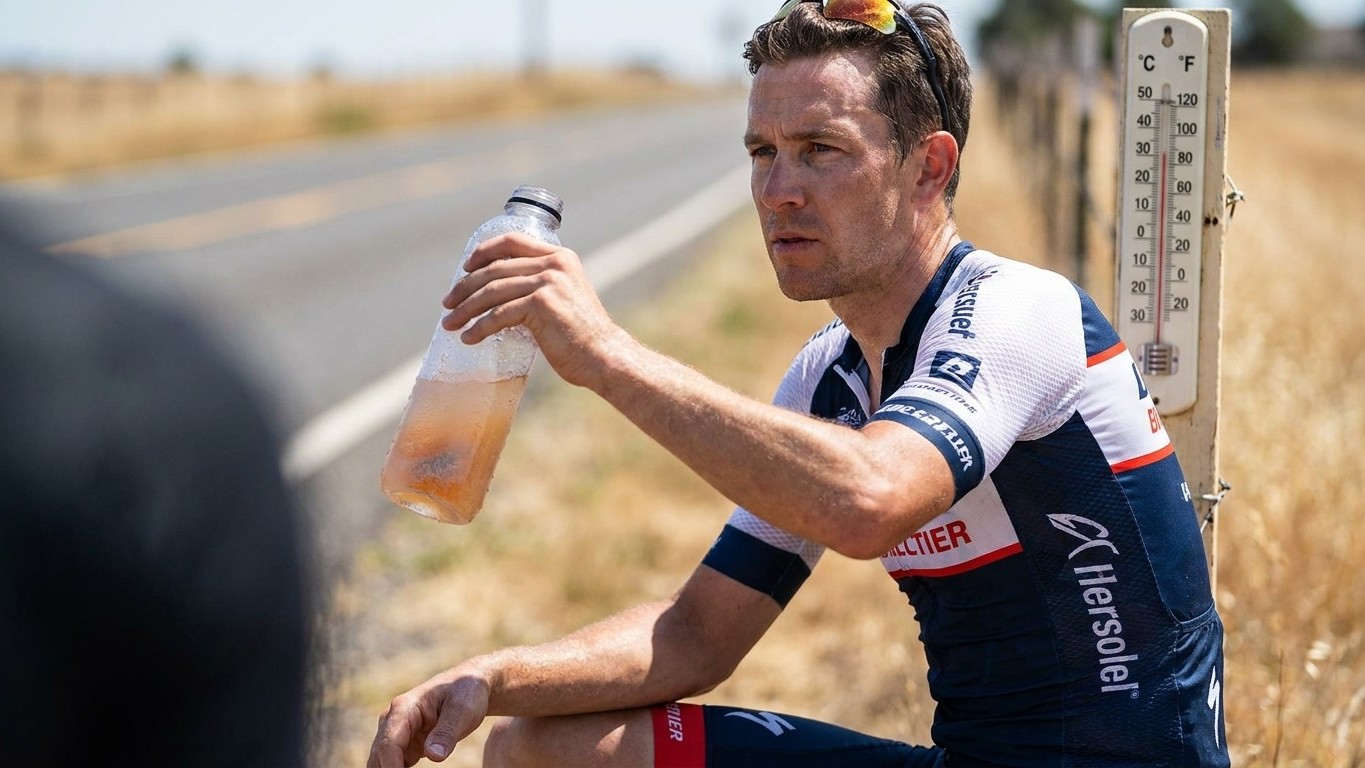
Do old antihistamines before exercise affect sweating?

I took an old allergy tablet before training at 29 °C just to stop the sneezing: by the second lap, I understood what my s...

Taking an old antihistamine before training in 29°C heat might silence your sneezing, but it could be quietly shutting down your body’s cooling system. Recent research reveals a surprising twist: the risk may be smaller than decades of advice suggested, yet the danger remains real for certain people.

Why drinking only water on hot runs can make you dizzy

I drank only pure water during my runs at 95°F: the day I ended up dizzy after a session, I understood what my sweat had b...

A runner collapsed with dizziness after weeks of hydrating with pure water during 95°F sessions—only to discover their sweat had been silently draining away essential electrolytes. Plain water alone isn’t enough during intense heat; your body needs sodium to maintain the delicate balance that keeps you upright.

Why Your Heart Rate Spikes 10-15 Beats in Hot Weather: It’s Not Fitness Loss, It’s Science

Why Your Heart Rate Spikes 10-15 Beats in Hot Weather: It's Not Fitness Loss, It's Science

When temperatures rise, your heart rate climbs even at familiar paces—but it’s not a sign of lost fitness. Your cardiovascular system is solving a redistribution problem, juggling blood flow to working muscles and cooling skin simultaneously. Understanding cardiovascular drift changes how you should train in summer heat.

What is Japanese walking and why is it a fitness trend?

Goodbye Sweaty Studios: Why Trainers Are Ditching Hot Workouts for Japanese Walking in 2026

Heated studios are losing their grip as trainers quietly pivot to Japanese walking, a low-intensity interval method backed by military and endurance research. With search interest surging 2,986%, this science-backed trend proves that less heat and measured pace actually deliver faster physiological adaptation than sweltering studios ever could.

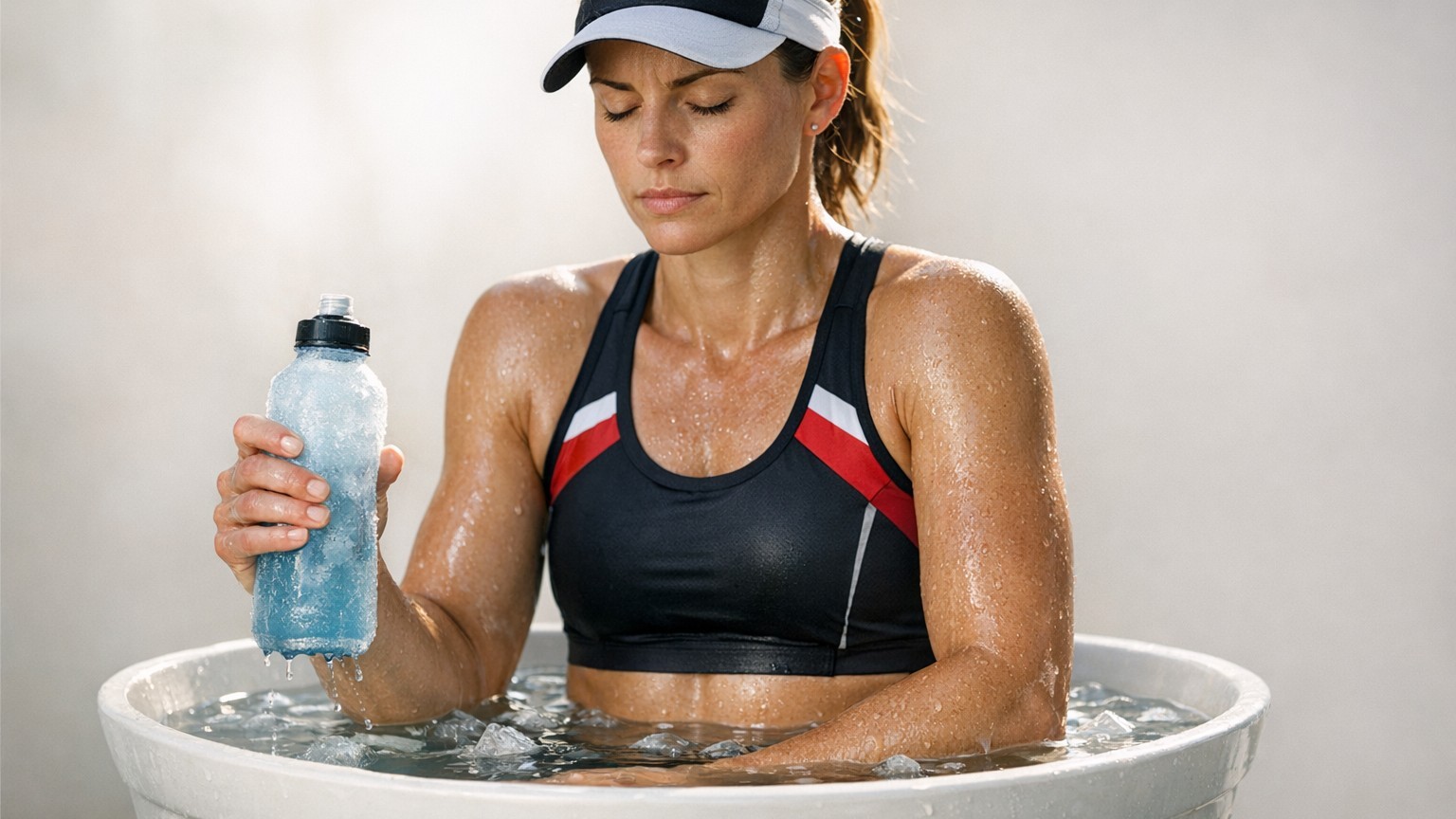
How Elite Japanese Runners Use Ice to Cool Before a Race

The Pre-Race Ice Trick Japanese Elite Runners Use to Drop Core Temperature by 2°C

Elite Japanese distance runners have cracked the code for racing in brutal summer heat: a combination of pre-race ice slurry ingestion and forearm cooling that reliably reduces core temperature by 2°C without specialized equipment. This simple thermal strategy, validated by sports science research, can extend your performance ceiling by allowing your body to absorb more metabolic heat before hitting the critical threshold that causes fatigue.

What Training in Heat Actually Does to Your Body

I Trained Through 12 Years of Heat Waves Thinking It Made Me Tougher—Until My Coach Showed Me What My Body Was Actually Doing

For twelve summers, an athlete confused discomfort with adaptation—until biometric data revealed the truth. Training in heat can unlock genuine physiological upgrades, but only when you understand the mechanisms and work with them intentionally rather than simply suffering through.