Why turning thumbs down on lateral raises can pinch the shoulder
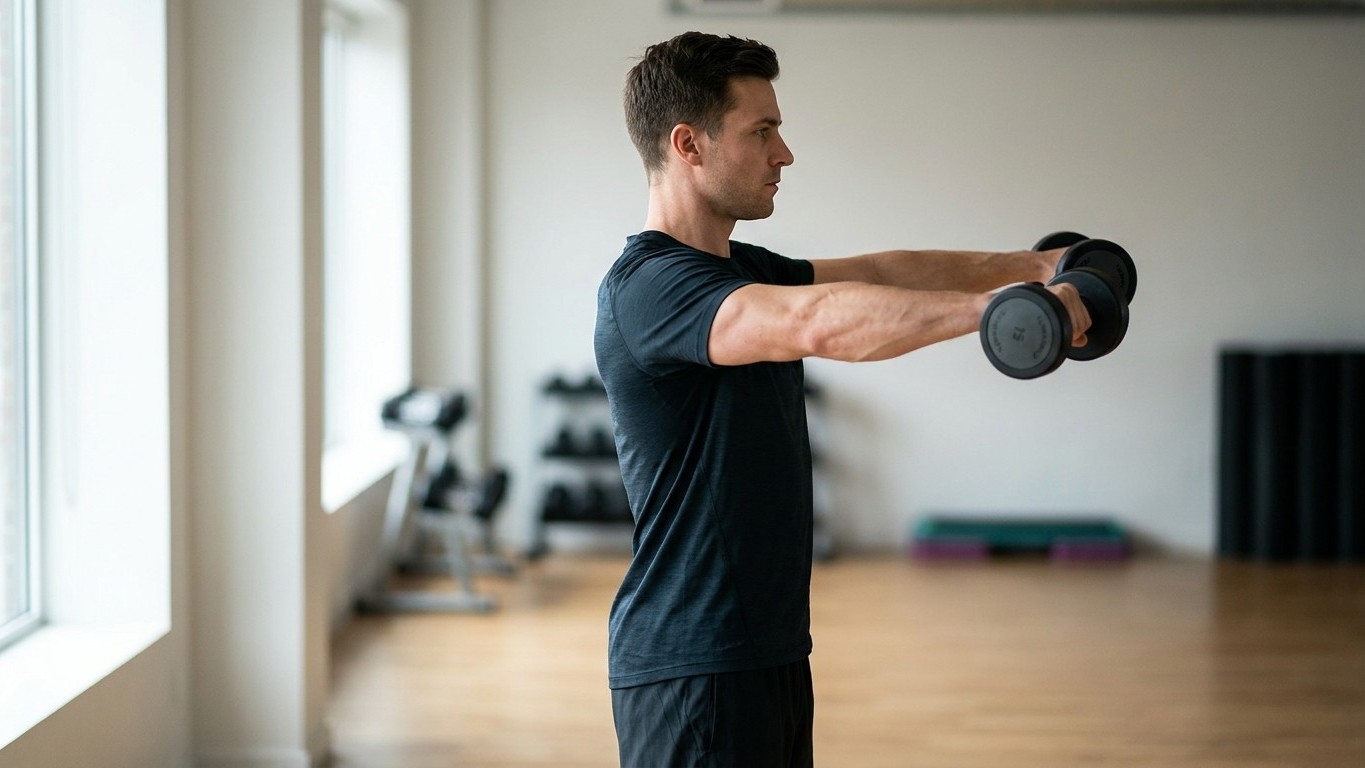
I turned my thumbs toward the floor on every lateral raise just to feel the side delt burn harder: by the first sharp catc...

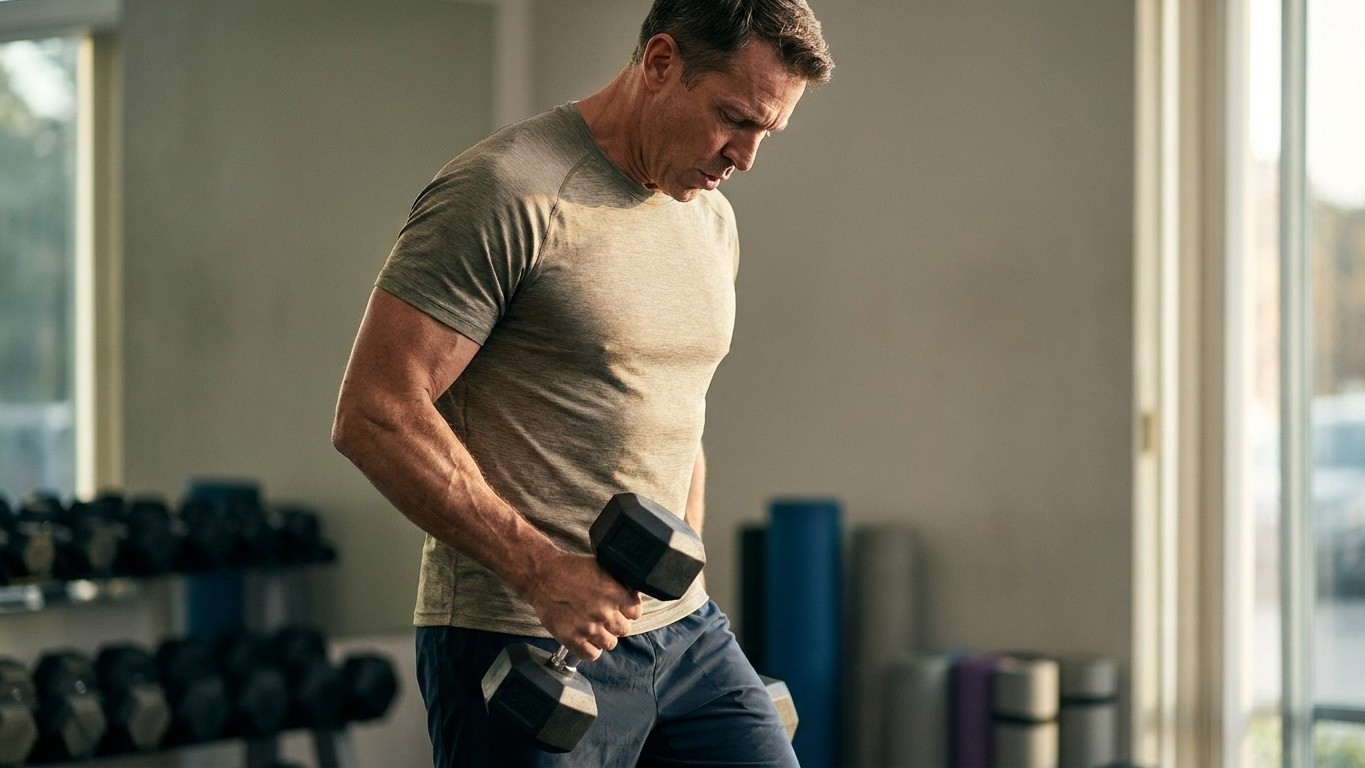
Turning your thumbs down during lateral raises is gym folklore that actually works—but it’s also squeezing your rotator cuff against your shoulder blade. Research shows this position increases compressive force sevenfold, and that sharp catch you feel is your shoulder’s warning sign that something is wrong with the geometry.
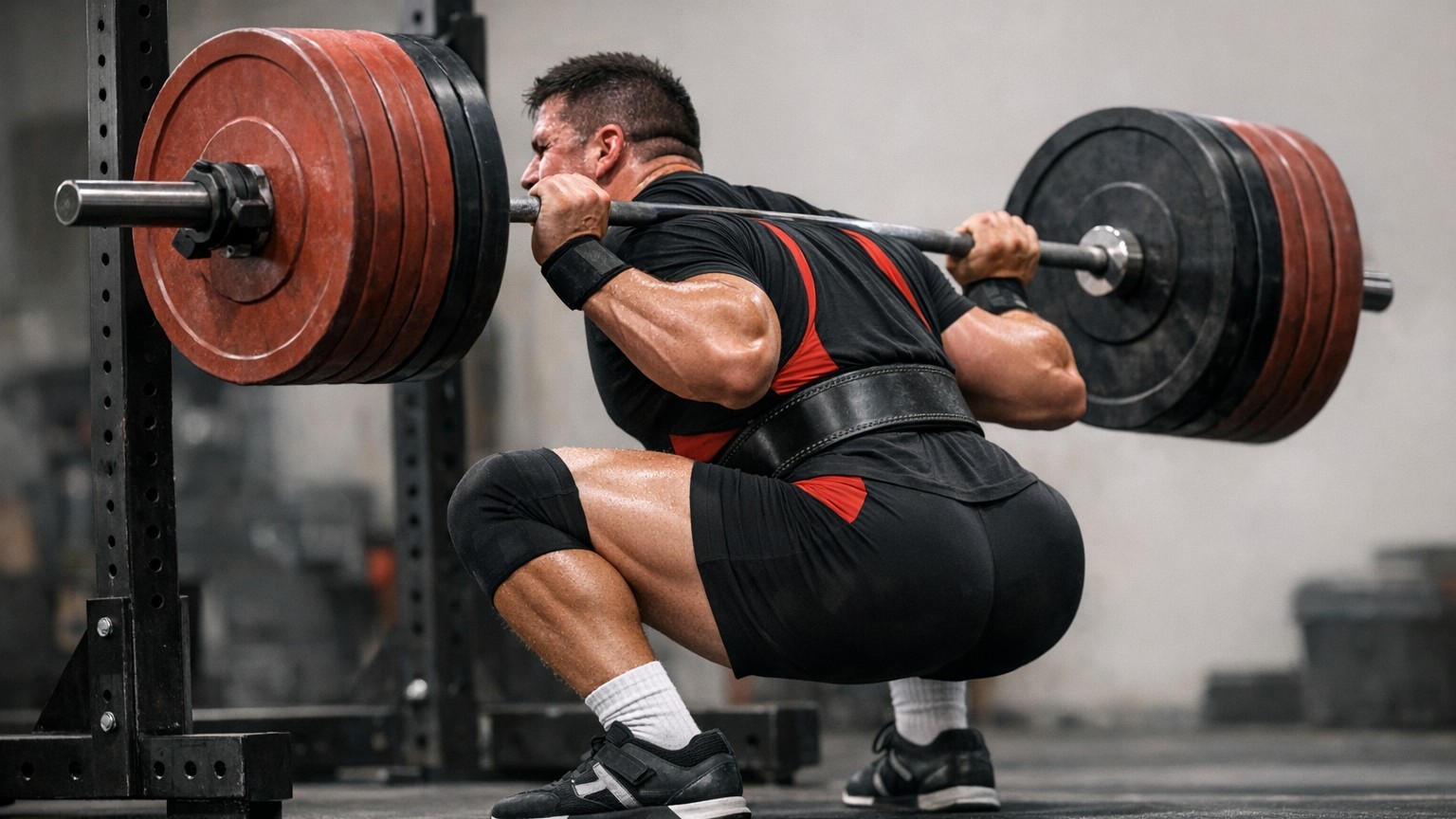
Why squatting in running shoes can make your knees hurt

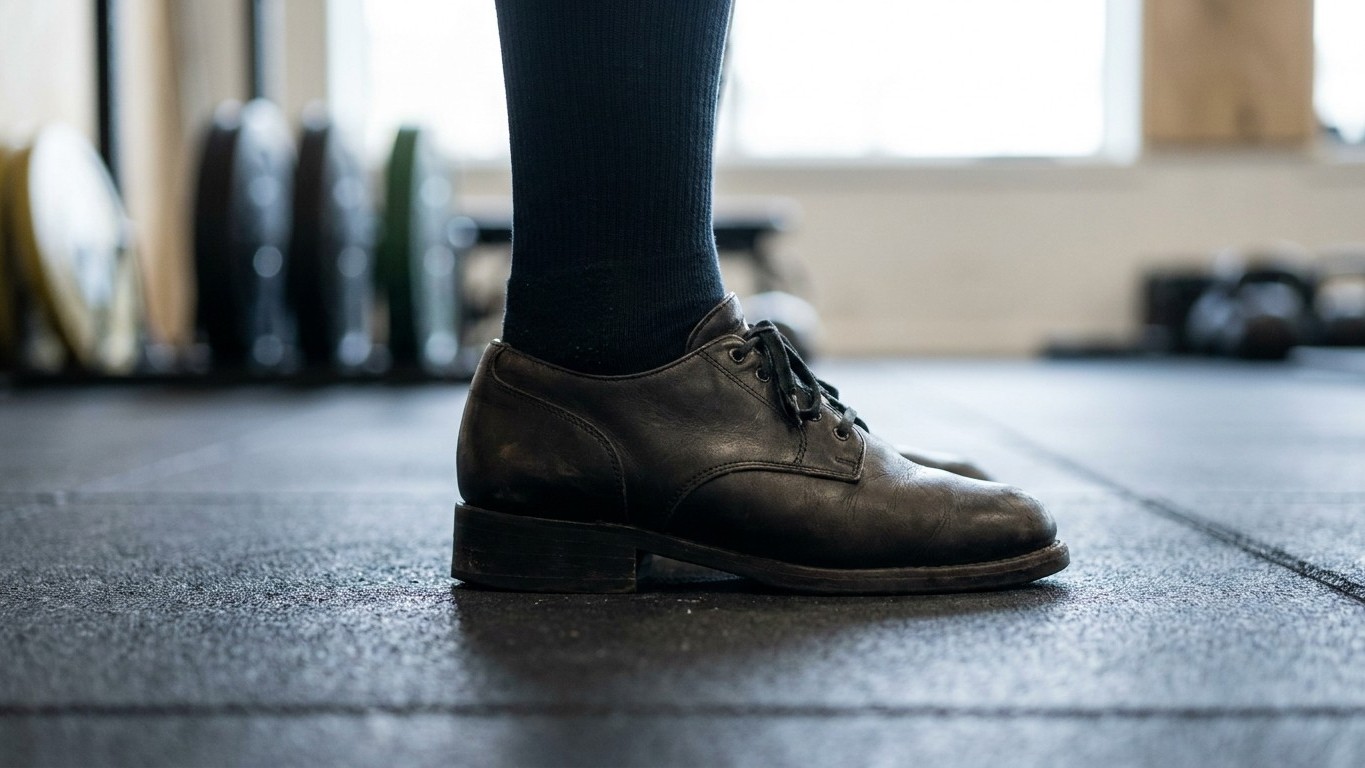
I squatted in my running shoes for years thinking cushioning protected me: the day a coach filmed my heels under the bar, ...

For years, a lifter trusted cushioned running shoes for squatting, unaware that soft soles were amplifying every micro-movement into knee pain. One slow-motion video revealed the culprit: heel lift and inward knee drift. Here’s what the biomechanics actually show about footwear and lifting.

Why walking down stairs builds more muscle than going up

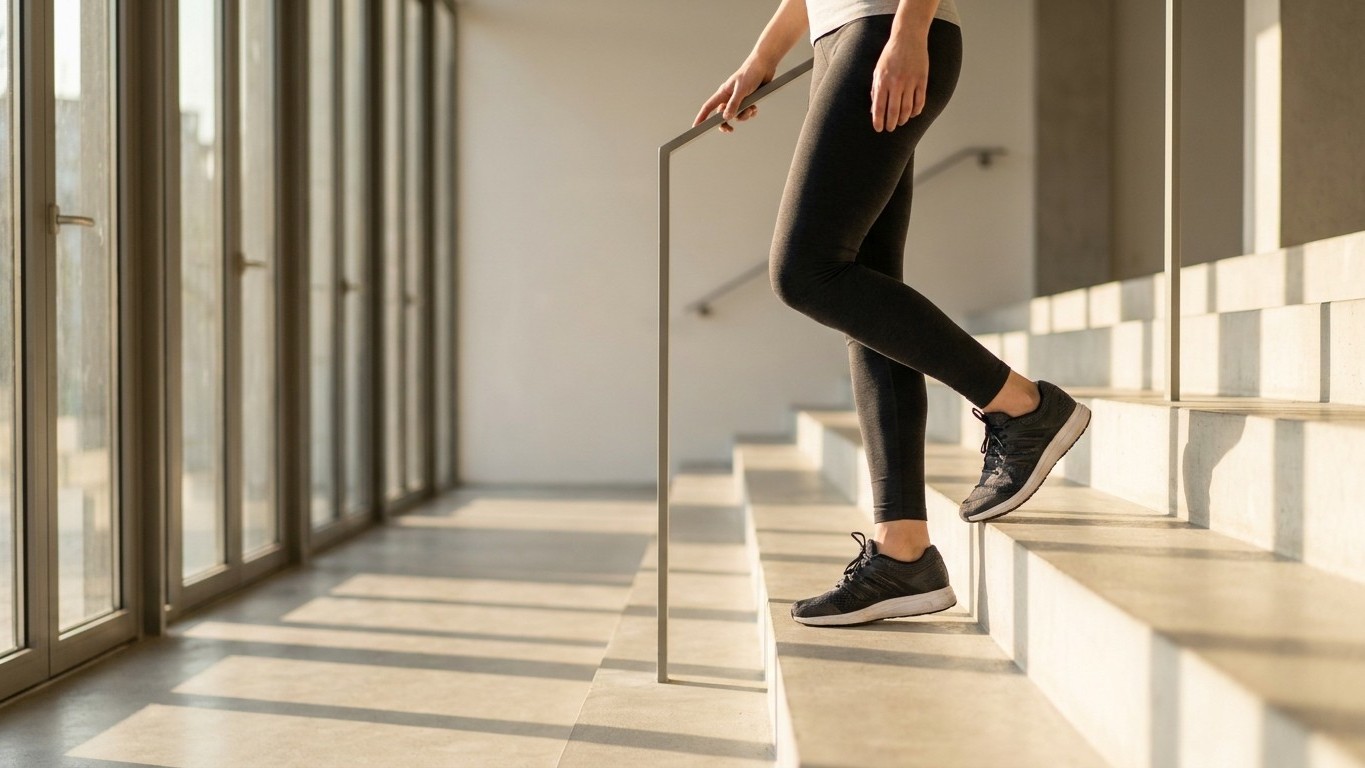
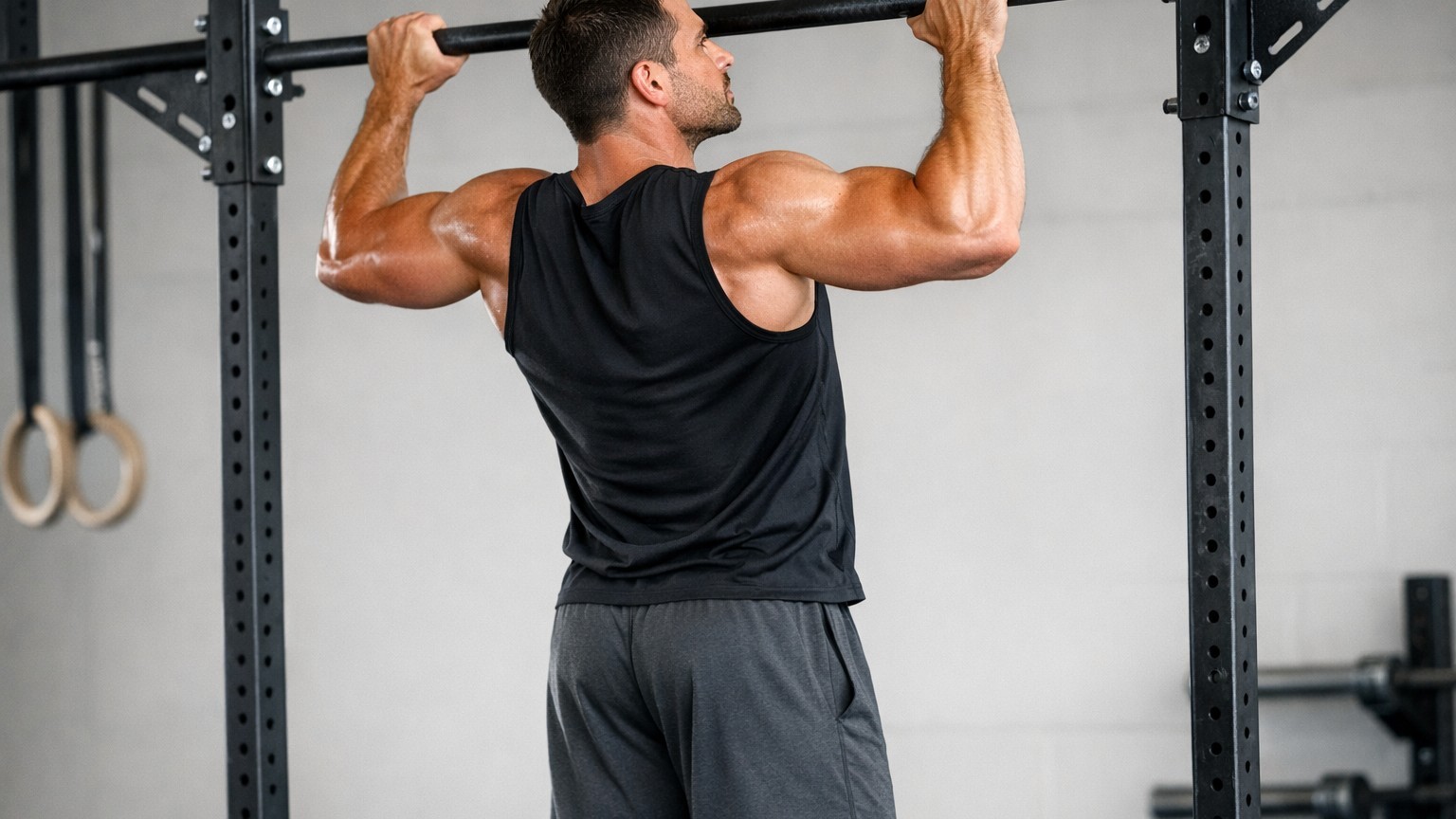
You've Been Using Stairs Wrong: Why Going Down Builds Muscle Better Than Going Up

For years, you might have been skipping the most valuable part of stair use. A physiotherapist revealed that descending stairs triggers eccentric muscle loading—a type of exercise that builds strength more effectively than climbing, even though it feels easier. Here’s what exercise science says about the movement you’ve been avoiding.

What 3 Seconds of Daily Exercise Does to Your Muscles

I Did Just 3 Seconds of Exercise Daily for 4 Weeks—Here's What Happened to My Muscles

Researchers at Edith Cowan University found that just 3 seconds of maximum-effort exercise per day, performed 5 days a week, produced an 11.5% increase in muscle strength over 4 weeks. The secret lies in eccentric contractions—the lowering phase—which triggers profound biological adaptations with minimal time investment.

Why Training Every Set to Failure Can Limit Muscle Growth

I Trained Every Set to Failure Until My Coach Revealed the Hidden Cost—Here's What Changed

Training to complete failure feels productive, but it’s accumulating a hidden cost your nervous system pays for weeks. One coach’s revelation about CNS fatigue, junk volume, and the true stimulus-to-fatigue ratio completely rewired how I approach every workout—and broke a plateau I thought was genetic.

Ice Baths After Workouts Are Sabotaging Your Muscle Growth—Here’s What Science Says You Should Do Instead

Ice Baths After Workouts Are Sabotaging Your Muscle Growth—Here's What Science Says You Should Do Instead

Athletes swear by ice baths post-workout, but science reveals they may be quietly undoing your muscle-building efforts. A coach’s explanation about what cold exposure actually cancels in your body changed everything—and years of training mistakes became clear.

Why 30-Second Rest Between Heavy Sets Is Killing Your Gains—And What Science Says You Should Do Instead

Why 30-Second Rest Between Heavy Sets Is Killing Your Gains—And What Science Says You Should Do Instead

You feel fine at thirty seconds, but your muscles are running on empty. The gap between what gym-goers actually do and what exercise science supports is surprisingly wide—and it’s costing you months of potential progress.

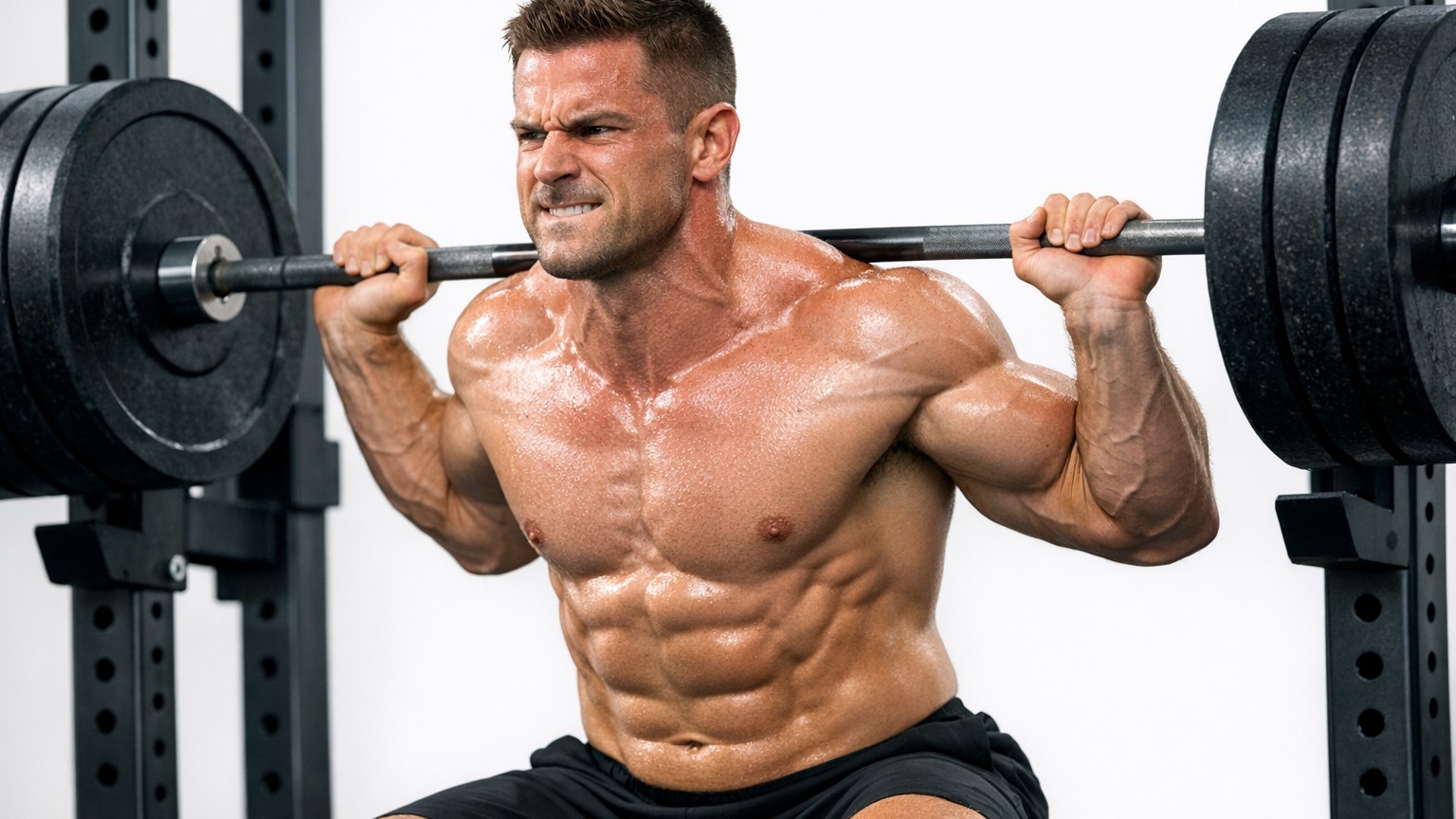
Skipping Warm-Ups: How Tendon Damage Builds Before a Rupture

Skipped Warm-Ups for Years: How My Tendon Failed Long Before It Snapped

A competitive lifter’s patellar tendon snapped during a routine squat—but the real damage had been accumulating for months through skipped warm-ups. Tendons don’t rupture suddenly; they fail silently under repeated stress without proper preparation and recovery.