“I thought it was just a bit of haze”: why hill repeats above AQI 100 push particles all the way down into your alveoli

'I thought it was just a bit of haze': why hill repeats above AQI 100 push particles all the way down into your alveoli

When you push hard on a hill repeat during hazy conditions, your breathing rate skyrockets and your mouth takes over from your nose’s natural filtration. This deadly combination allows fine particles to penetrate deep into your alveoli—the very place where your lungs exchange oxygen. Learn what the science reveals about exercise, pollution, and lung damage.
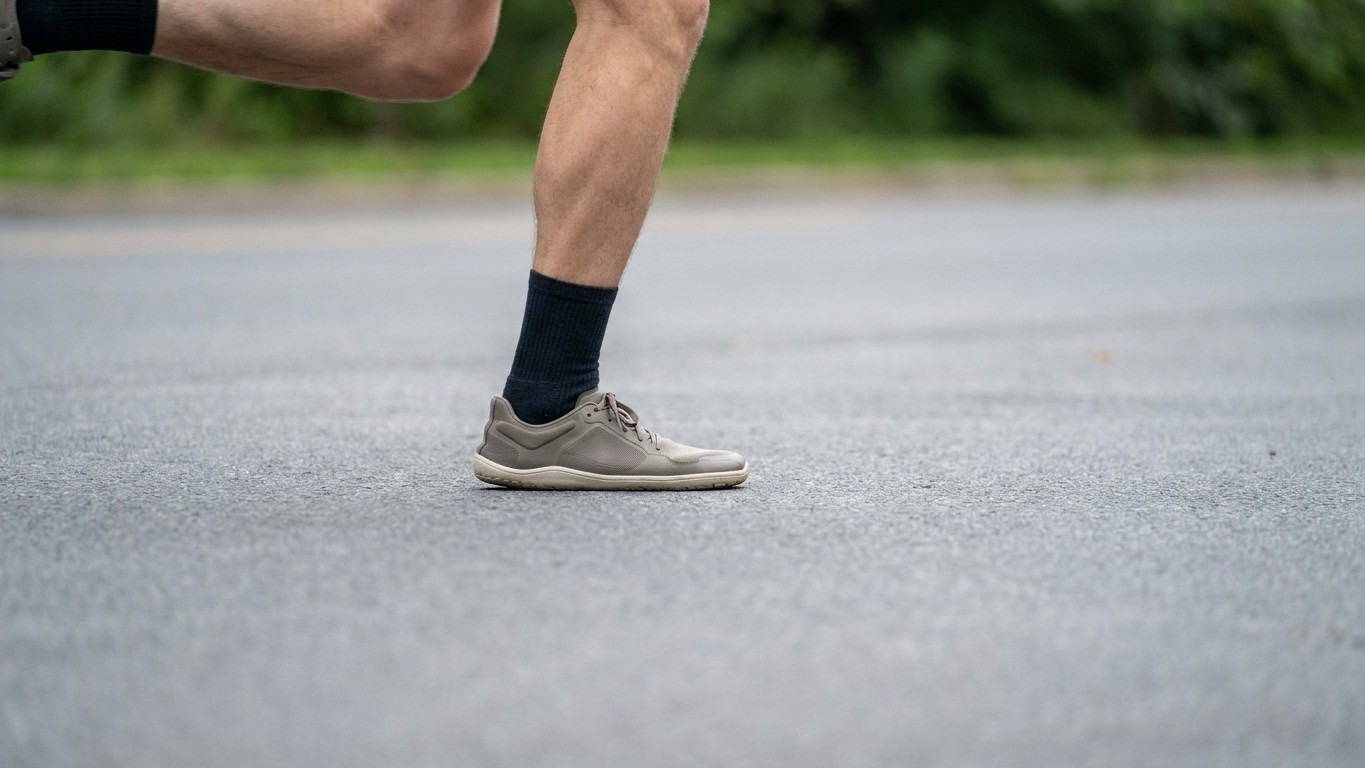
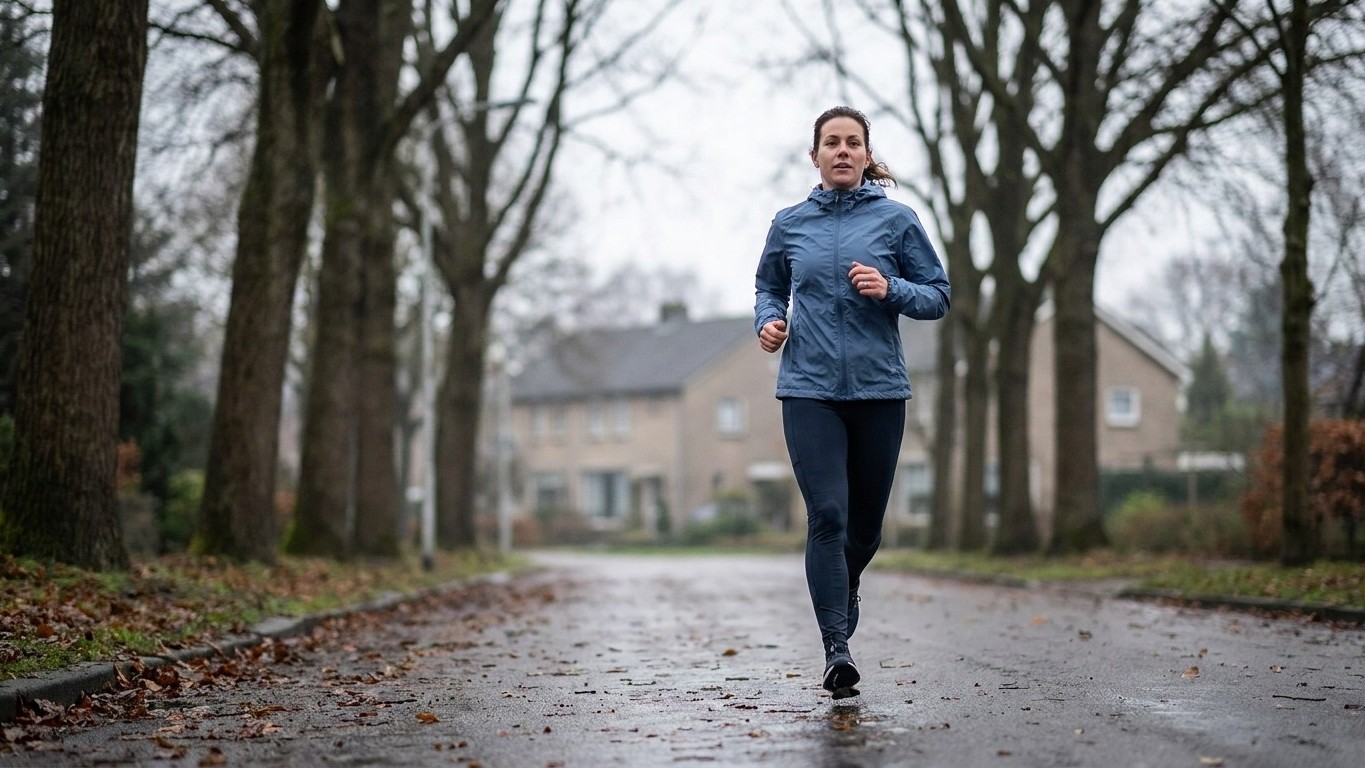
“I thought it was just a long, smooth stride”: why a heel landing ahead of the hip sends every impact straight up the shin

'I thought it was just a long, smooth stride': why a heel landing ahead of the hip sends every impact straight up the shin

That long, smooth running stride you’ve perfected? It might be an illusion masking a biomechanical disaster. When your heel lands ahead of your hip with a locked knee, every impact travels straight up your tibia—a pattern affecting up to 20% of runners and linked to shin splints, runner’s knee, and stress fractures.

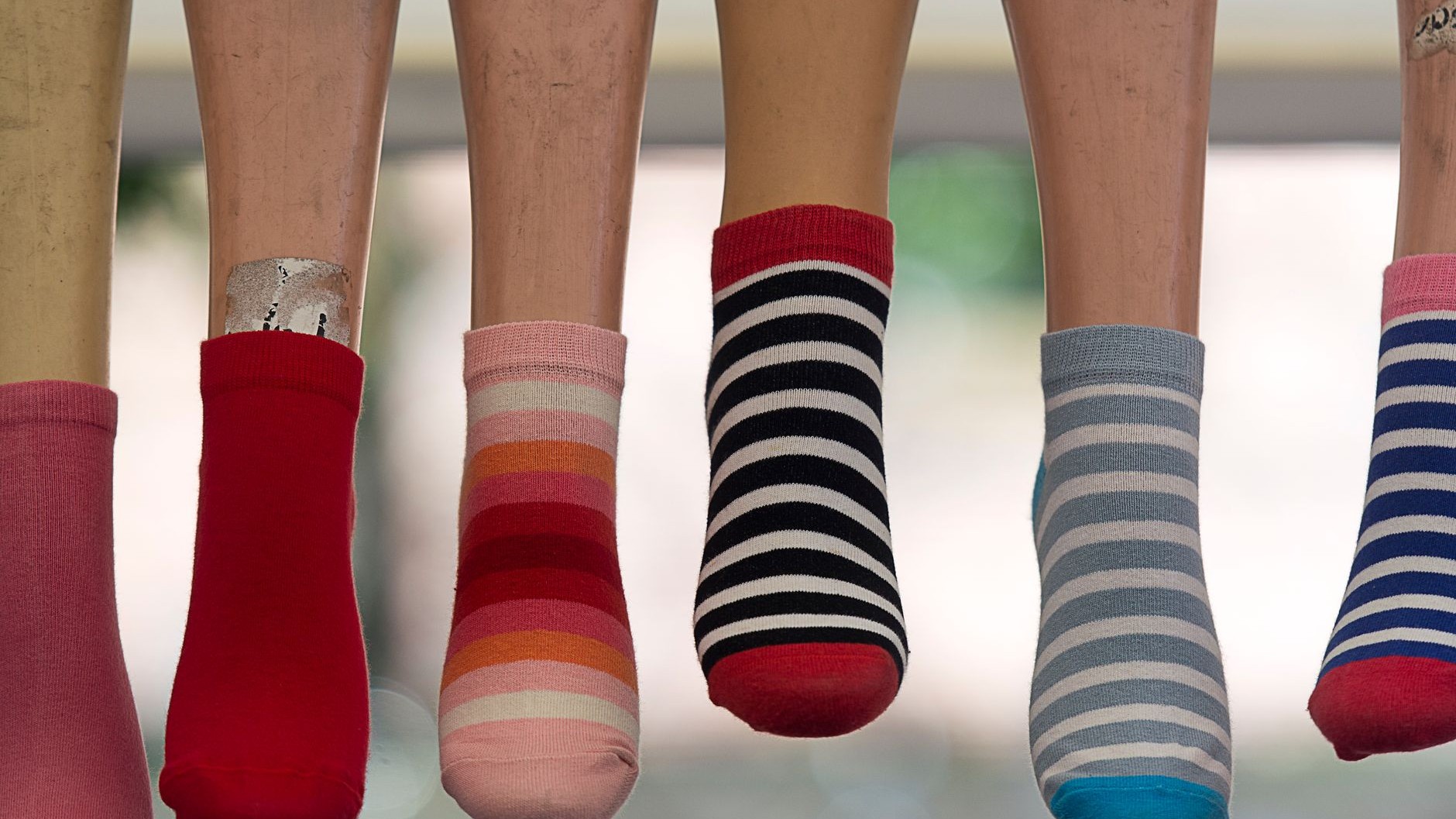
I ran all summer in cotton socks just because they felt softer: after the third blister, I understood what the fabric was really holding

I ran all summer in cotton socks just because they felt softer: after the third blister, I understood what the fabric was ...

Cotton feels soft in the store, but during a summer run it becomes a blister factory. The culprit isn’t comfort—it’s how cotton traps sweat against your skin, dramatically increasing friction with every footstrike. Science shows the solution, and it might already be in your drawer.

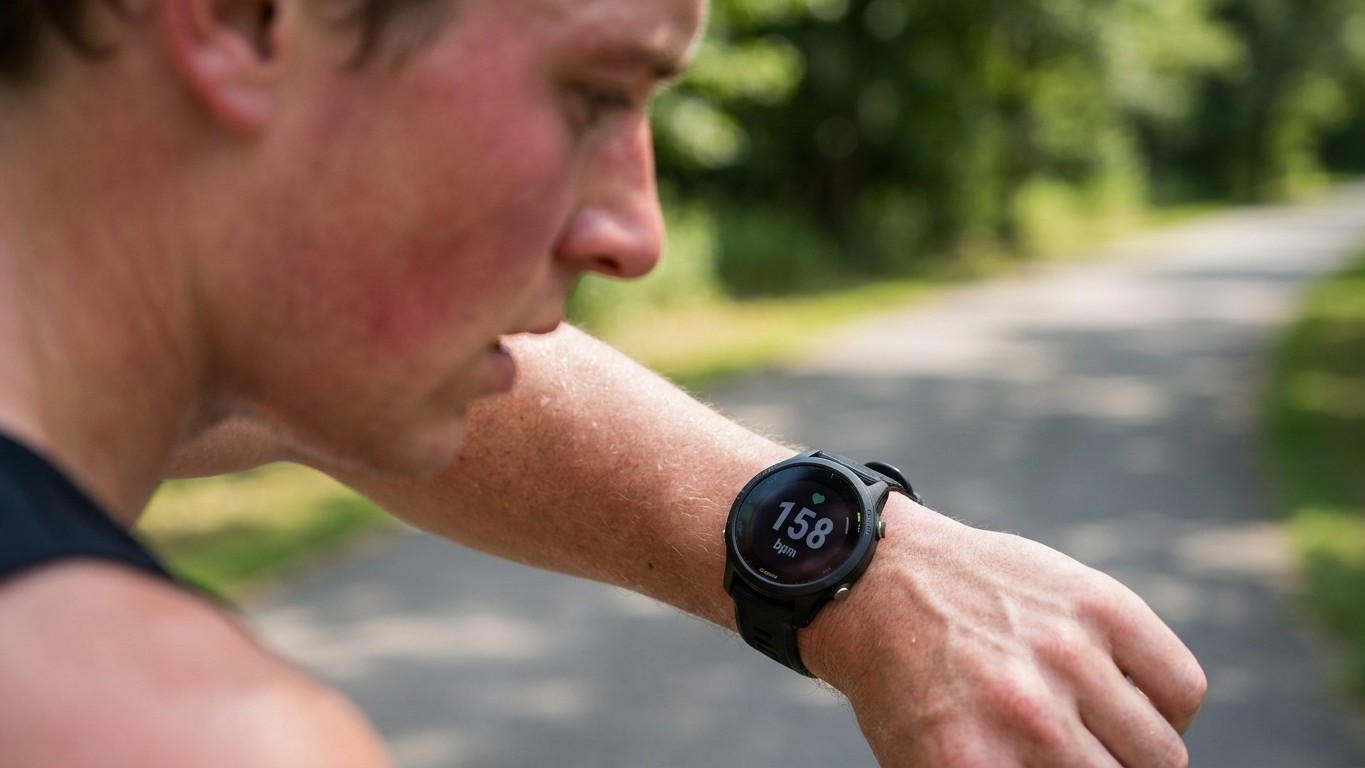
“I thought my watch was just being accurate”: why a heart rate stuck around 180 on your runs is a signal you should never trust

'I thought my watch was just being accurate': why a heart rate stuck around 180 on your runs is a signal you should never ...

That suspiciously flat 180 BPM reading on your running watch isn’t your cardiovascular system—it’s likely cadence lock, where optical sensors mistake your footsteps for heartbeats. Peer-reviewed research confirms this common glitch distorts training zones and can sabotage months of structured workouts.

“I thought morning air was the polluted one”: why summer ozone peaks at 6 pm is a warning runners need to take seriously

'I thought morning air was the polluted one': why summer ozone peaks at 6 pm is a warning runners need to take seriously

Most runners assume morning air is polluted, but the chemistry tells a different story. Ground-level ozone peaks in early evening—not rush hour—creating a hidden threat for summer athletes. Learn why your evening tempo run might be sabotaging your performance and how to adjust your schedule.

The Grey Zone Trap: Why Your Steady Running Pace Is Sabotaging Your Endurance

The Grey Zone Trap: Why Your Steady Running Pace Is Sabotaging Your Endurance

You’ve been running the same loop at the same pace for months, yet you’re no faster. A coach’s four-word observation—”You’re in the grey zone”—reveals why moderate-intensity training is the endurance killer most runners never see coming. The fix is simpler than you think.

The Cold Towel Trick: Why Your Body Feels Cool While Overheating

The Cold Towel Trick: Why Your Body Feels Cool While Overheating

A cold towel around your neck feels refreshing during a summer run, but it’s playing a dangerous trick on your body. It cools your perception of heat, not your actual core temperature—allowing you to push harder while your body overheats undetected. Understanding this distinction could be the difference between a safe workout and heat exhaustion.

Stop Drinking Water Wrong: The 35°C Heat Hydration Strategy Amateur Runners Need

Stop Drinking Water Wrong: The 35°C Heat Hydration Strategy Amateur Runners Need

Most amateur runners hydrating in 35°C heat commit the same dangerous mistake: drinking too much plain water without electrolytes. This can trigger exercise-associated hyponatremia, a condition more common than heat exhaustion itself. The solution isn’t more water—it’s smarter hydration with sodium.

Why Your 6 a.m. Summer Running Habit Is Quietly Breaking Your Body

Why Your 6 a.m. Summer Running Habit Is Quietly Breaking Your Body

Running at dawn to beat summer heat seems logical, but your body’s physiology tells a different story. A coach’s analysis of smartwatch data reveals how peak cortisol, heat stress, and sleep debt quietly accumulate into overtraining syndrome—and why the pattern matters more than any single metric.

Why Your Summer Running Pace Is a Lie: What a Sports Scientist Revealed About Training in 35°C Heat

Why Your Summer Running Pace Is a Lie: What a Sports Scientist Revealed About Training in 35°C Heat

Running at your usual pace in 35°C heat feels productive but actually undermines your fitness. A sports scientist reveals the critical mistake most runners make and how to train intelligently when temperatures soar—plus why heat exposure, done correctly, can make you faster even in cool weather.