
“My husband says I go quiet the moment we start walking”: the 20% drop in pace that shows up years before memory tests turn
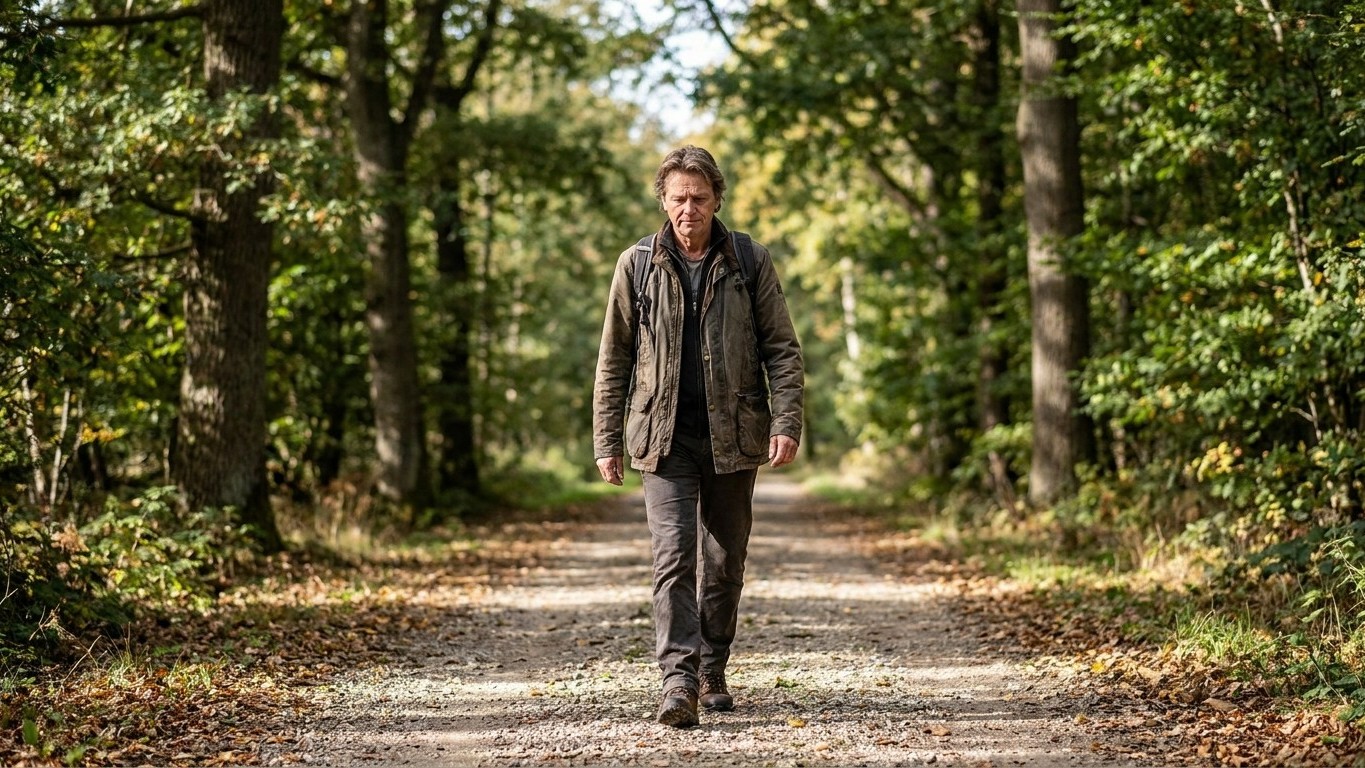
'My husband says I go quiet the moment we start walking': the 20% drop in pace that shows up years before memory tests turn

When you fall silent mid-stride, your brain might be sending an urgent signal. Researchers have discovered that a 20% drop in walking pace during conversation can predict dementia risk years before standard memory tests show any problem—and the combination of gait and memory decline increases dementia risk sixfold.
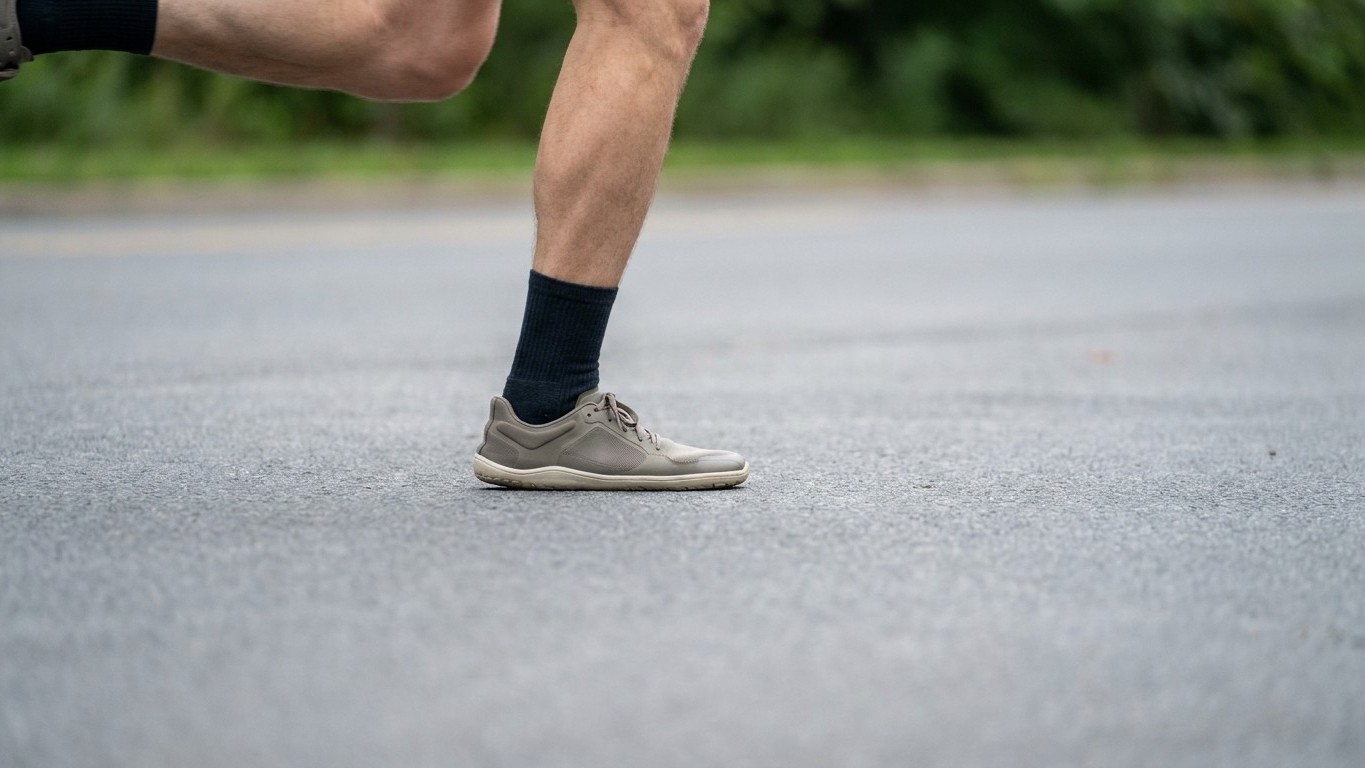
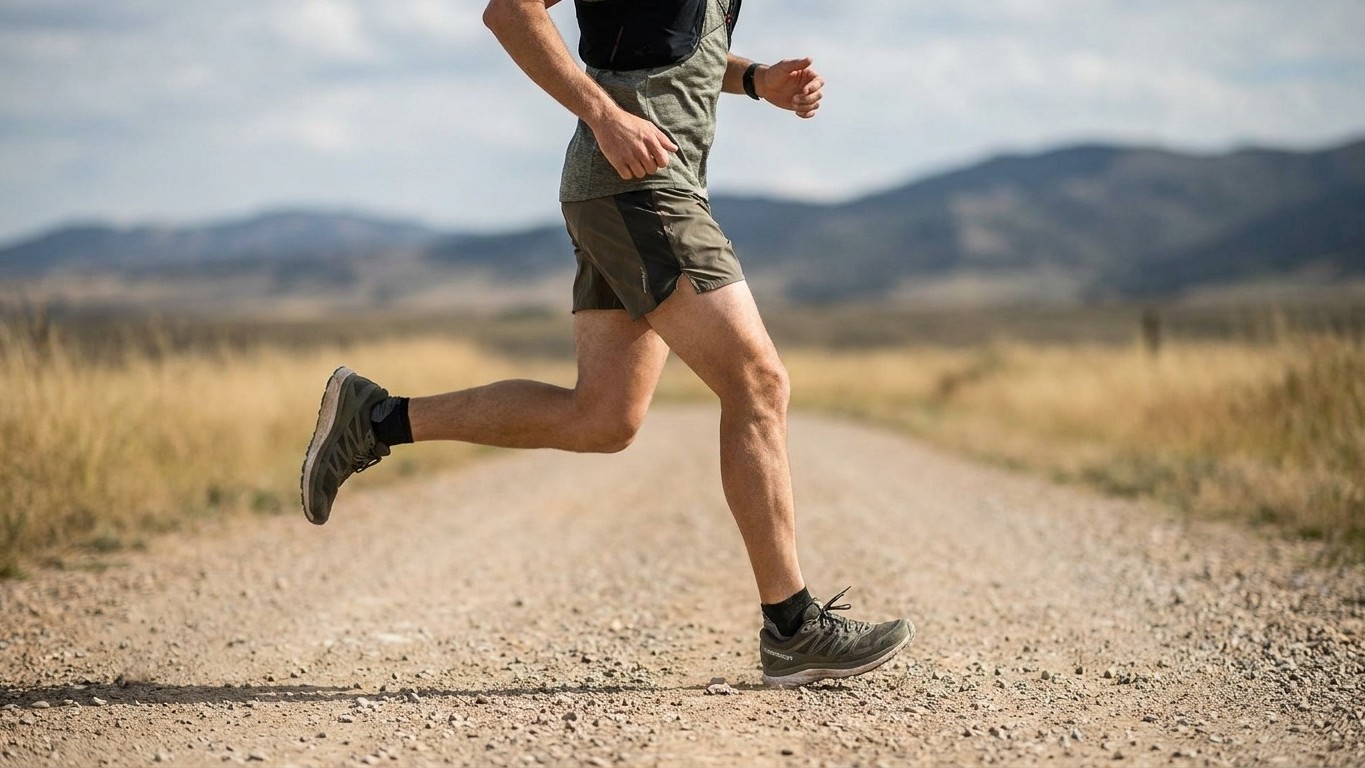
“I thought it was just a long, smooth stride”: why a heel landing ahead of the hip sends every impact straight up the shin

'I thought it was just a long, smooth stride': why a heel landing ahead of the hip sends every impact straight up the shin

That long, smooth running stride you’ve perfected? It might be an illusion masking a biomechanical disaster. When your heel lands ahead of your hip with a locked knee, every impact travels straight up your tibia—a pattern affecting up to 20% of runners and linked to shin splints, runner’s knee, and stress fractures.

I kept landing my foot way out in front of me on every run: a physio showed me I wasn’t fixing the right part of my stride at all

I kept landing my foot way out in front of me on every run: a physio showed me I wasn't fixing the right part of my stride...

You’ve been chasing the wrong fix. While overstriding looks like a foot problem, physiotherapists now know the real culprit lives higher up—in your hips and cadence. Adjusting these two factors can reduce impact forces by up to 20% without changing your shoes or forcing an unnatural stride.