
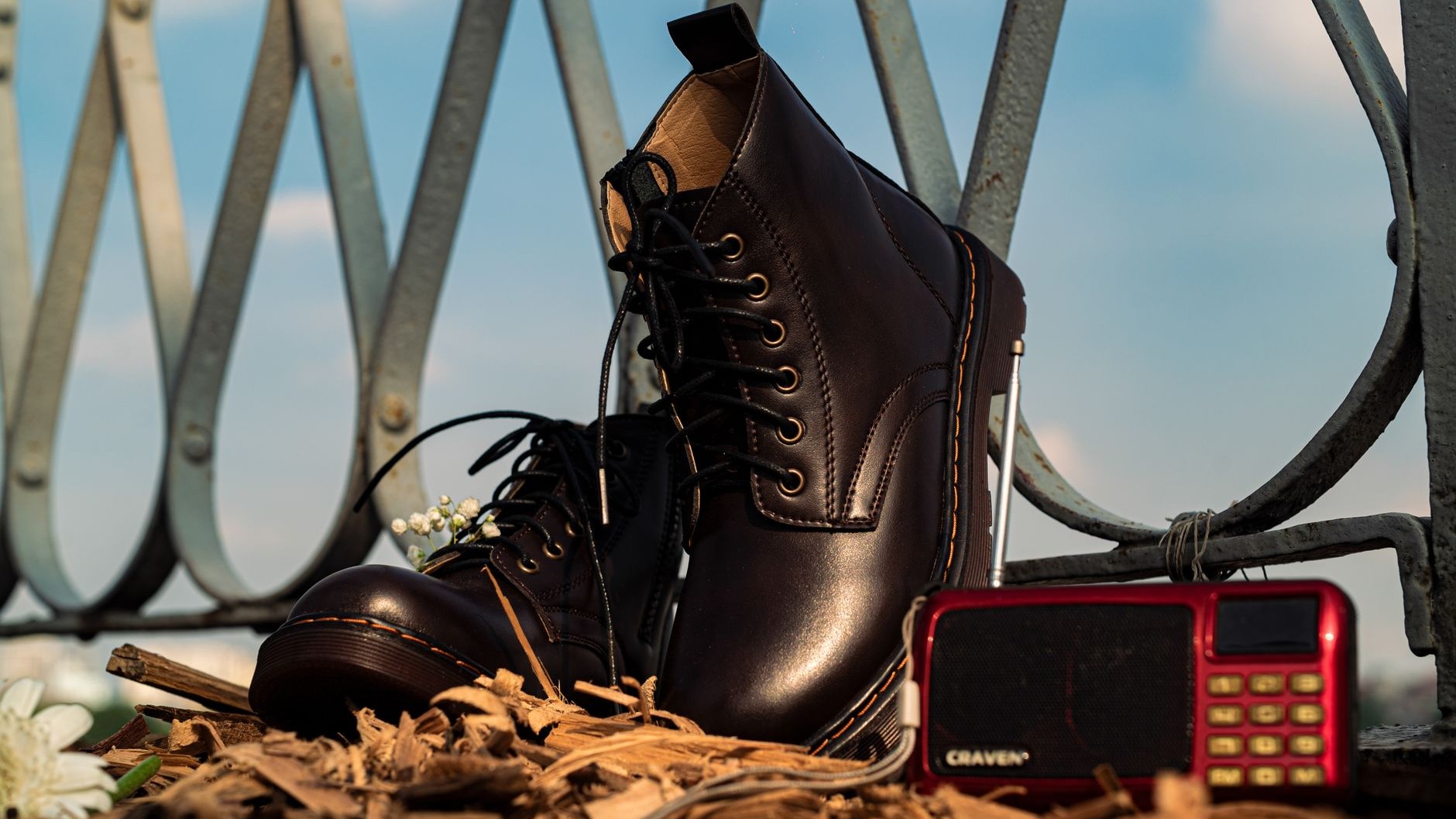
That extra hole punched into the top of your trainers or hiking boots, the one your local running shop assistant never mentions, isn’t a manufacturing afterthought. It’s a “runner’s loop”, and skipping it is quietly responsible for a huge number of the black, throbbing toenails that send people searching for answers after a long run or a big hillwalk.
Podiatrists call the injury subungual hematoma, though most people know it as runner’s toe or black toenail. A laceration of the nail bed causes bleeding into the constricted area underneath the hard nail plate, and repeatedly thrusting the toes against a shoe’s toe box can cause this bleeding, sometimes called jogger’s toe or runner’s toe. The colour isn’t dirt or bruising in the traditional sense. As one Cleveland Clinic podiatrist put it, “The black or dark color you see under your toenail may be bruising or blood.” It’s genuinely blood pooling in a space with nowhere to go, which is exactly why it hurts so much for such a small-looking mark.
Key takeaways
- Your foot slides forward inside loose shoes, jamming your toes and causing bleeding under the nail
- That top eyelet you’ve been ignoring has a specific structural purpose podiatrists swear by
- One simple lacing technique can prevent painful black toenails without adding pressure to your foot
Why the foot slides forward in the first place
The mechanism is almost always the same: your foot isn’t locked in place inside the shoe, so it travels forward every time you take a step, especially downhill. Wearing footwear which fits helps prevent runner’s toe, but if the shoe is too loose on the midfoot, the foot can slide forwards in the shoe, especially when going downhill, and this may jam the toes into the end of the toebox. One trail-running guide describes the physics rather bluntly: during downhill sections, gravity pushes your foot forward, and if your lacing doesn’t firmly lock your instep and heel, your toes will violently smash against the front of the shoe, with this repeated impact causing the nail bed to bleed.
This is where that top eyelet comes in. Most trainers and boots are laced straight from the factory in a simple criss-cross that stops one hole short of the top, leaving that final eyelet empty and unused. As one gear guide notes, that top eyelet that never seems to be laced from the factory is for your Runner’s Loop, also known as Heel Lock lacing. A Camino de Santiago walker who learned this the hard way explains the logic simply: its purpose is to lock the heel into the back of the shoe thereby preventing the foot from moving about, and the toes from banging into the front of the shoe.
I’ll admit I dismissed this eyelet for years myself, assuming it was there purely for aesthetic symmetry or to accommodate people with unusually high insteps. It isn’t decorative. It’s structural, and it’s doing a specific job that the rest of your lacing simply cannot replicate.
How the heel lock actually works, and why it isn’t about pulling harder
The technique itself is straightforward once you’ve done it once or twice. Lace up through the inside up to the second eyelet from the top, then switch direction and feed the lace back through the top eyelet on the outside of the same side of the shoe, without crisscrossing. This creates a small loop on each side of the ankle; you then thread the opposite lace through that loop before tying off, which cinches the heel snugly into the back of the shoe without adding any extra pressure across the top of your foot.
That last point matters more than people realise. A common mistake is trying to solve heel slippage by simply yanking the laces tighter all the way down the shoe, which only squeezes the instep and can cause its own problems. A common mistake, in an attempt to stabilize the shoe, is pulling the laces with excessive force right from the bottom. The heel lock works by anchoring the ankle joint specifically, rather than crushing everything below it. Research cited by running coaches backs this up directly: the heel lock reduces impact loading rates and peak heel pressure compared to standard six-eyelet cross-lacing, with no difference in perceived comfort, matching the stability of tight standard lacing without the added pressure over the top of the foot.
What else is driving your toenails black
Lacing isn’t the only culprit, and it’s worth being honest about the other factors, because fixing your laces won’t help if the underlying issue is elsewhere. Toenail length is a surprisingly common one. If your toenails are too long, they can hit the top of your running shoe, and that pressure can cause a hematoma to develop. Anyone with a longer second toe, a trait called Morton’s toe, is also more vulnerable, since people whose second toe is genetically longer than the others can have the same issues with their toes continually striking the front of the toe box.
Heat and swelling play a role too. Running in hot weather can also lead to increased shoe pressure since hot weather makes your feet swell. And crucially, this isn’t a one-off knock. Runner’s toe doesn’t occur after a single exposure to stress, but rather a repeated prolonged exposure of stress to the toenail from your shoe. That’s why marathon training blocks and long hiking trips are prime territory for it, and why it’s genuinely common: in a marathon, several percent of runners may be affected.
The good news is that runner’s toe is, in the vast majority of cases, more painful and alarming-looking than dangerous. A subungual hematoma is a collection of blood underneath a toenail or fingernail, and it can be extremely painful for an injury of its size, although otherwise it is not a serious medical condition. Left alone, the discolouration will usually grow out with the nail over the following months. If a toenail becomes very swollen, intensely painful, or shows signs of infection, or if you notice discoloration that appears without any obvious trauma, it’s worth getting it checked by your GP or a podiatrist rather than assuming it’s simply cosmetic.
One detail worth knowing before you next buy trail shoes or boots: try them on, or fit them, in the afternoon rather than first thing in the morning. Feet naturally swell throughout the day and after activity, and a shoe that feels perfectly snug at 8am can turn noticeably tighter around the toe box after a few hours on your feet, which is exactly the scenario in which that top eyelet earns its keep.
Sources : caminodesantiago.me | bvfootclinic.com