How daily coffee may affect muscle growth and strength gains
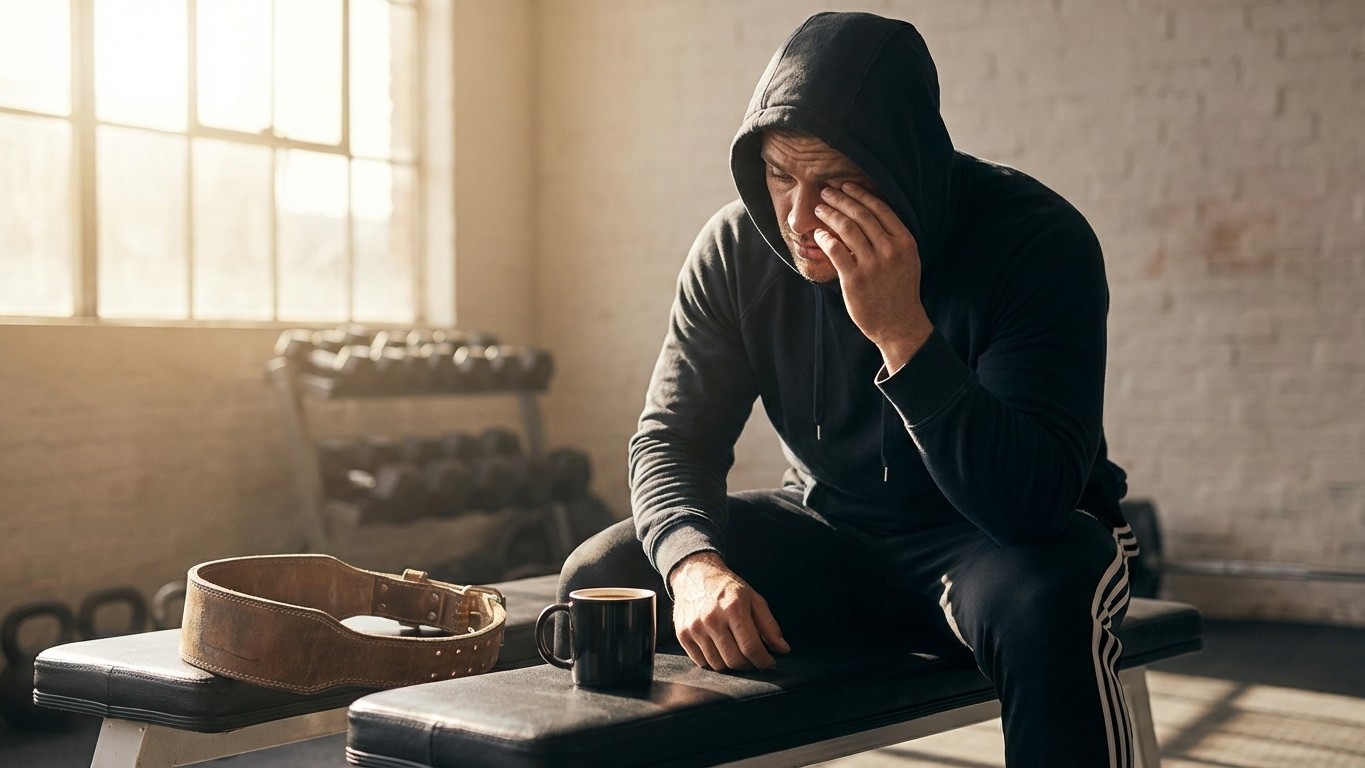
Why Your Muscles Stopped Growing: The Hidden Cost of Your Daily Coffee Habit

Your muscles grow during sleep, not in the gym. But if you’re drinking coffee throughout the day, you’re quietly sabotaging the deep, restorative sleep where growth hormone peaks. Even when your training and nutrition are locked in, chronic caffeine use keeps cortisol elevated and anabolic recovery blunted—a problem that feels too subtle to notice until months of stalled progress pile up.

Japanese breathing technique for tired legs in marathon running

The Japanese Breathing Technique That Revives Tired Legs at Mile 18

At mile 18 of a marathon, a subtle shift in breathing rhythm can restore surprising lightness to your stride. The 3:2 pattern—inhale for three footstrikes, exhale for two—draws from Japanese Zen traditions and modern exercise physiology to reduce fatigue and improve running economy when you need it most.

Transversus abdominis and lower back: why cold floors matter

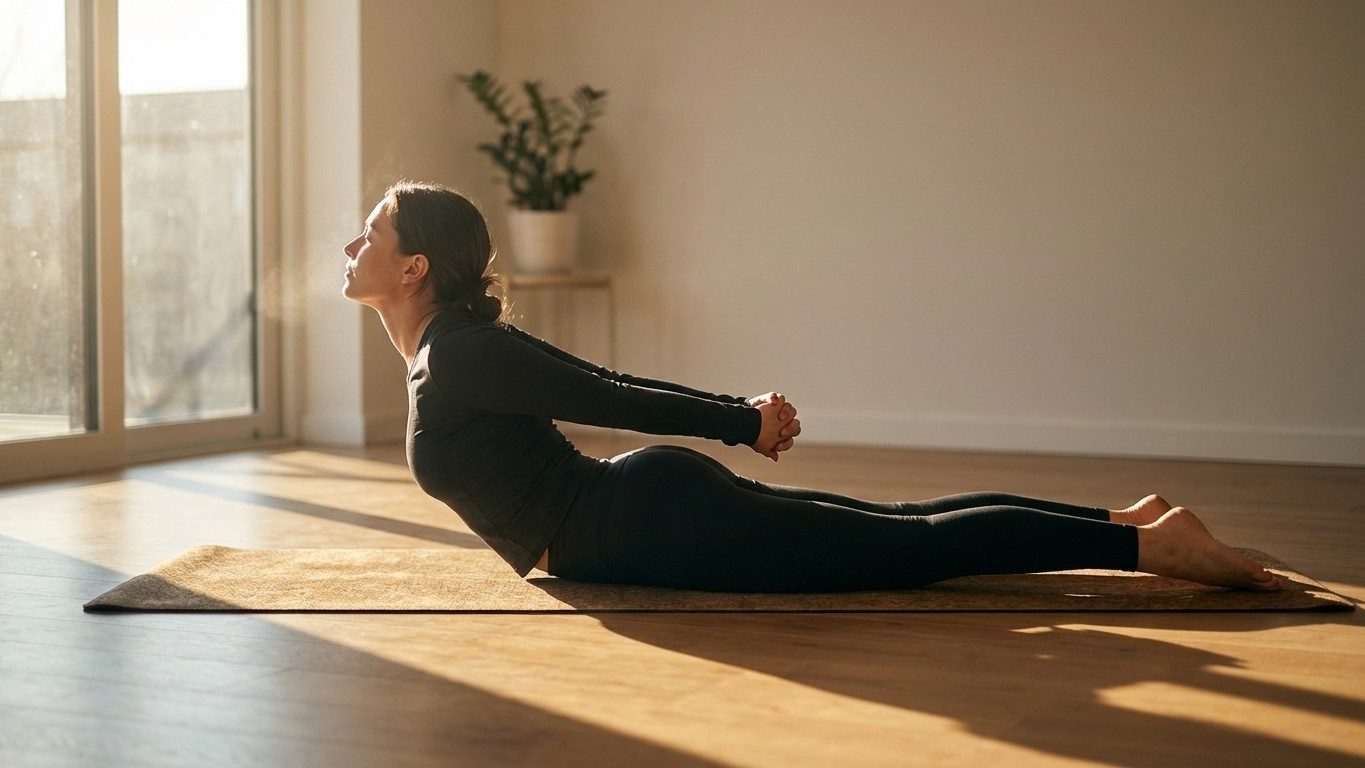
The Hidden Abs Muscle Destroying Your Back: Why Cold Floors Are Sabotaging Your Core

Your deepest abdominal muscle, the transversus abdominis, is nothing like the six-pack muscle everyone trains. Exercising on cold floors triggers a protective muscle response that keeps your spine tense for hours afterward—causing chronic low back pain that stretching can’t fix.

Flat feet on the leg press: why your lower back lifts

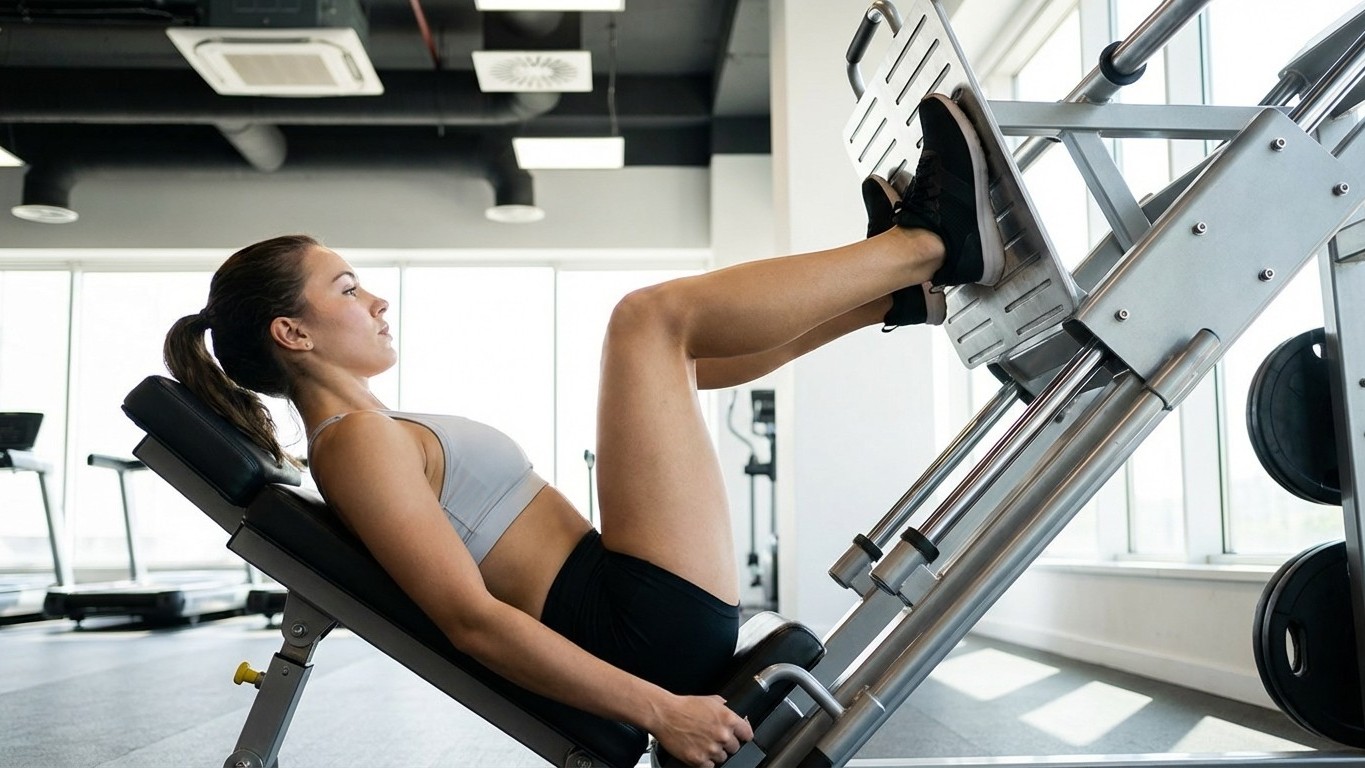
Flat Feet on the Leg Press: Why Your Lower Back Lifts and Your Discs Pay the Price

Placing your feet flat on the leg press platform triggers posterior pelvic tilt, causing your lower back to lift off the pad and exposing your lumbar discs to dangerous shear forces. A simple foot position adjustment—raising height, adjusting width, and respecting depth—can eliminate this silent injury risk.

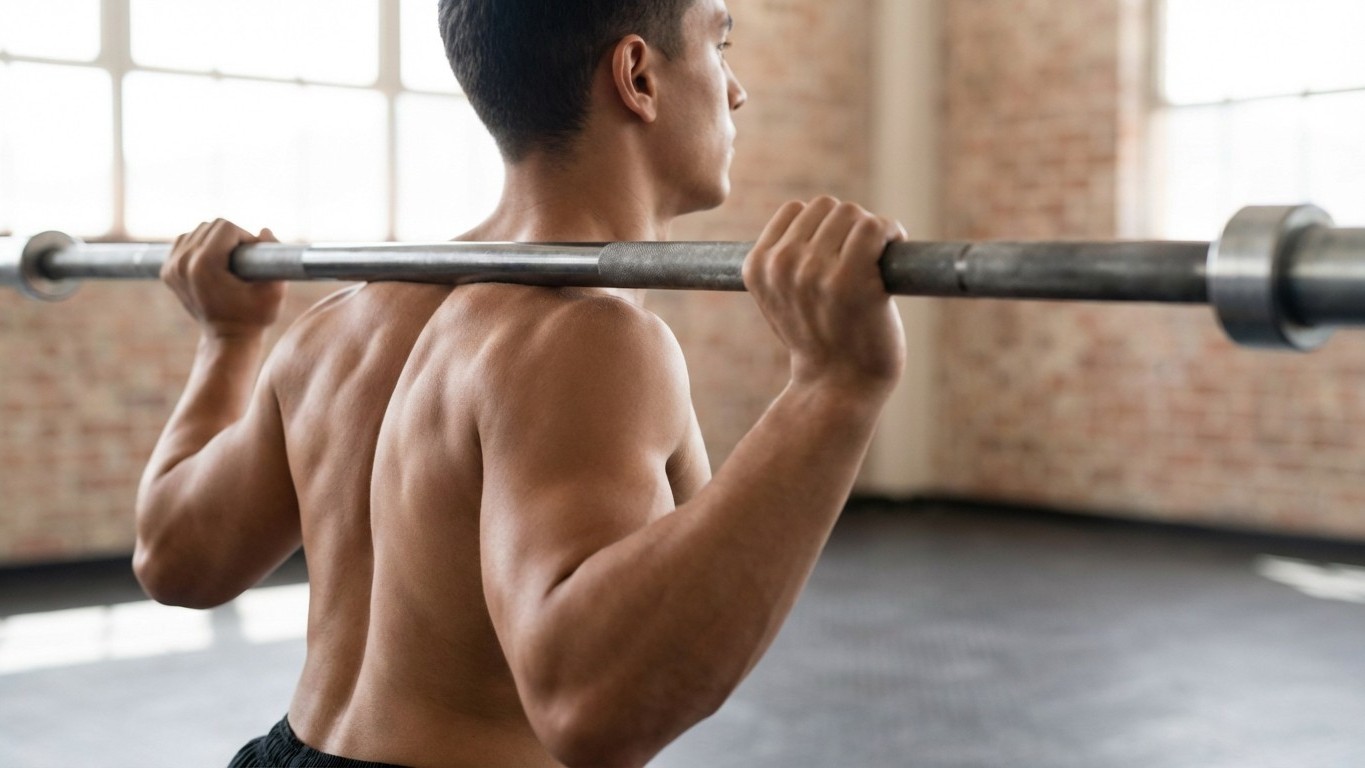
Do lifting belts weaken your core? What the research says

Your Lifting Belt Is Weakening Your Core: Here's Why and How to Fix It

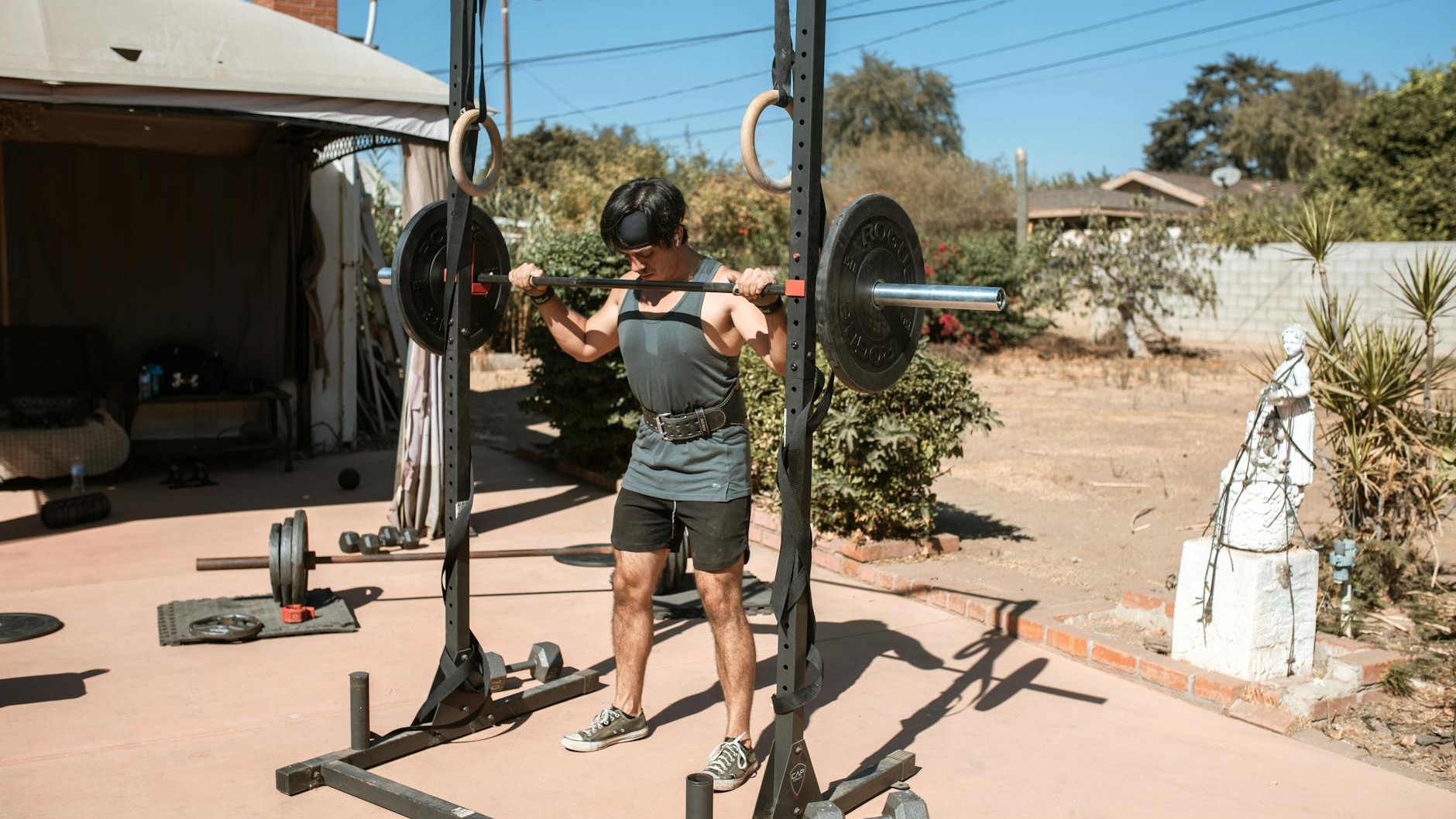
That lifting belt you wear on every set might be quietly sabotaging the deep core muscles responsible for protecting your spine during everyday life. While belts are proven tools under heavy loads, overuse can train your nervous system to rely on external support rather than developing genuine bracing capacity. Understanding when—and when not—to use one could be the difference between long-term spinal health and chronic lower back pain.

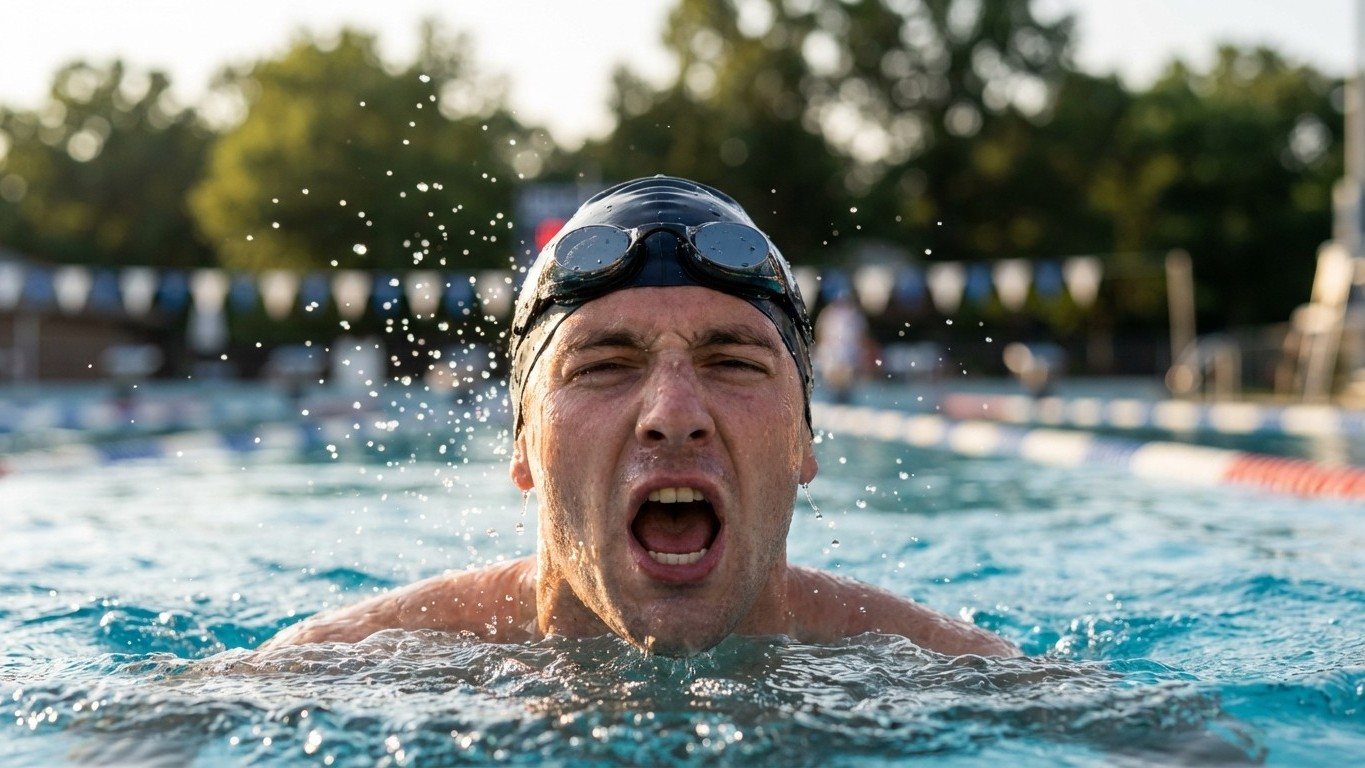
How Fish Drown and What It Means for Your Muscles During Exercise

How Fish Drown in Water and Why Your Muscles Experience the Same Crisis During Exercise

Fish can suffocate while fully submerged in oxygen-depleted water through a process called aquatic asphyxia. Your muscles experience this identical biological crisis every time you push hard during exercise, triggering the same oxygen deficit that produces that familiar burning sensation. Understanding this parallel reveals how your body adapts and grows stronger through training.

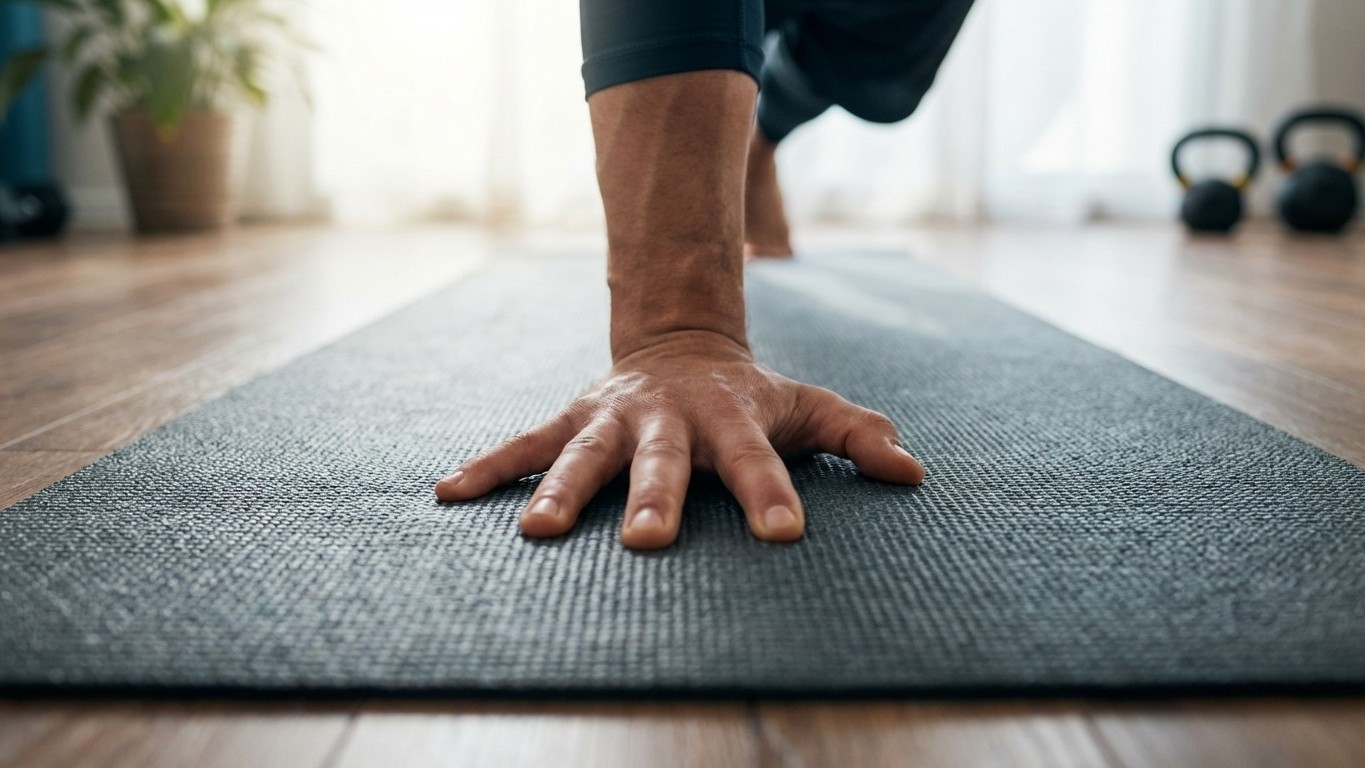
How Finger Position Affects Push-Up Wrist Pain

The Finger Trick That Eliminates Push-Up Wrist Pain in Two Weeks

Wrist pain during push-ups doesn’t require equipment or modification—just a small adjustment to how your fingers engage the floor. A physiotherapist’s simple technique that shifts load distribution can eliminate discomfort within two weeks by activating your forearms and stabilizing the joint naturally.

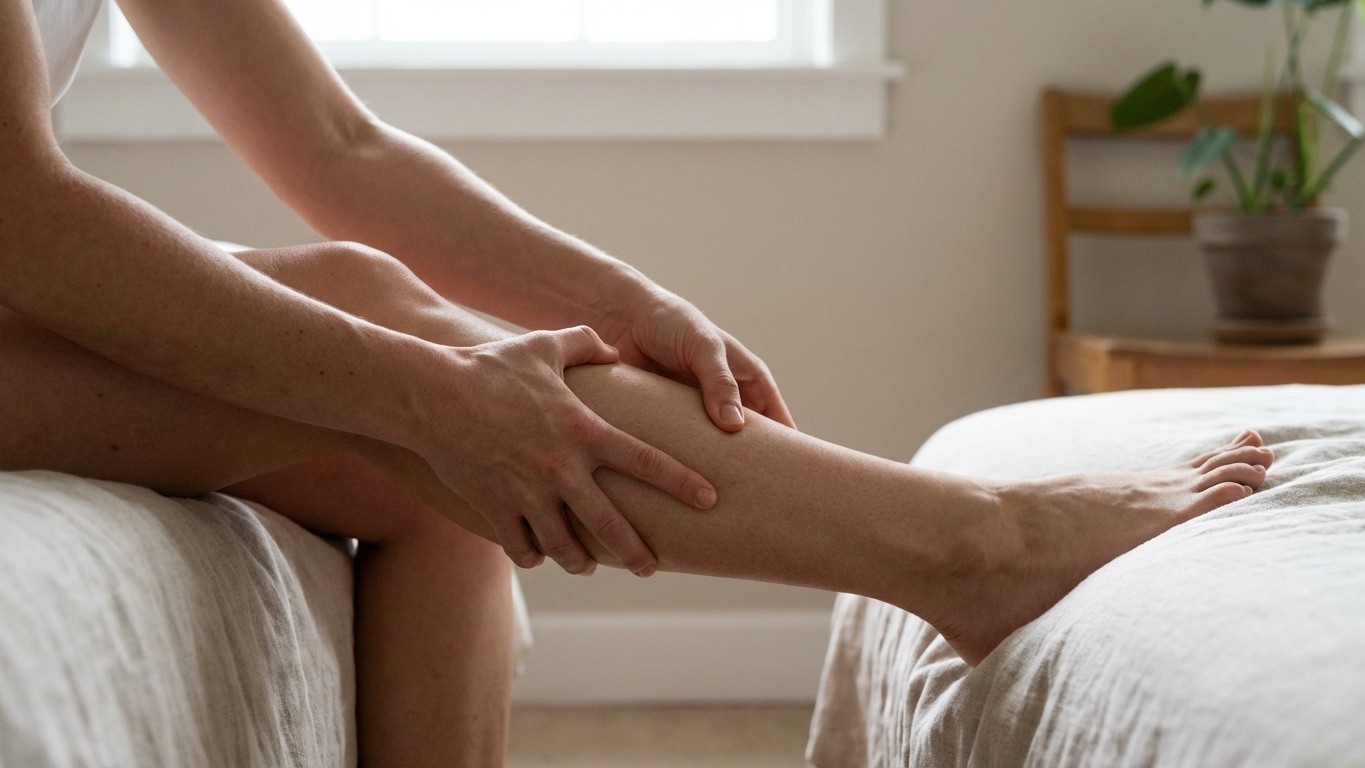
What Running Shoe Drop Means for Your Achilles and Calf

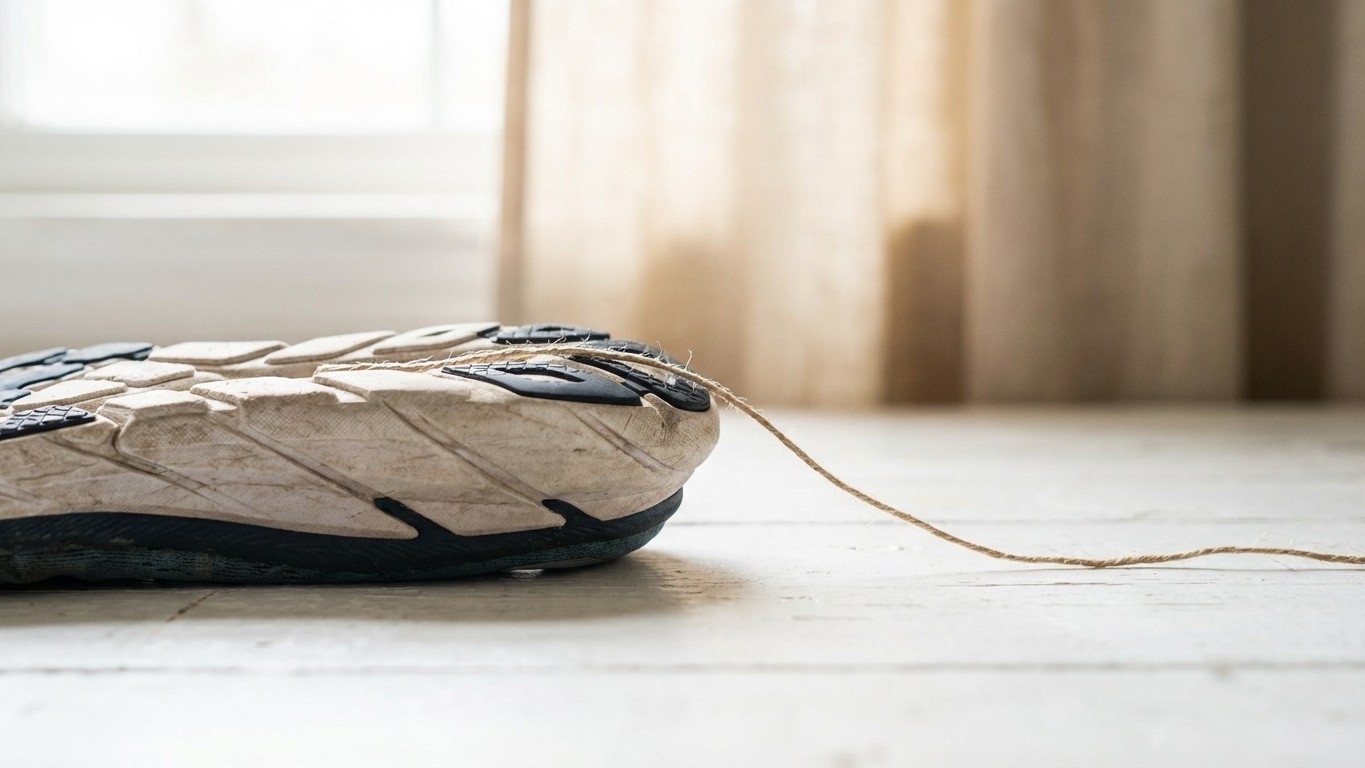
The Hidden Number Destroying Your Tendons: Why Running Shoe Drop Matters More Than You Think

That tiny drop number on your running shoe’s sole is quietly destroying your tendons. When you switch shoes without a proper transition, your Achilles and calf tendons face mechanical demands they’re not prepared for. Learn exactly why week six is the danger zone and how to change shoes safely.