
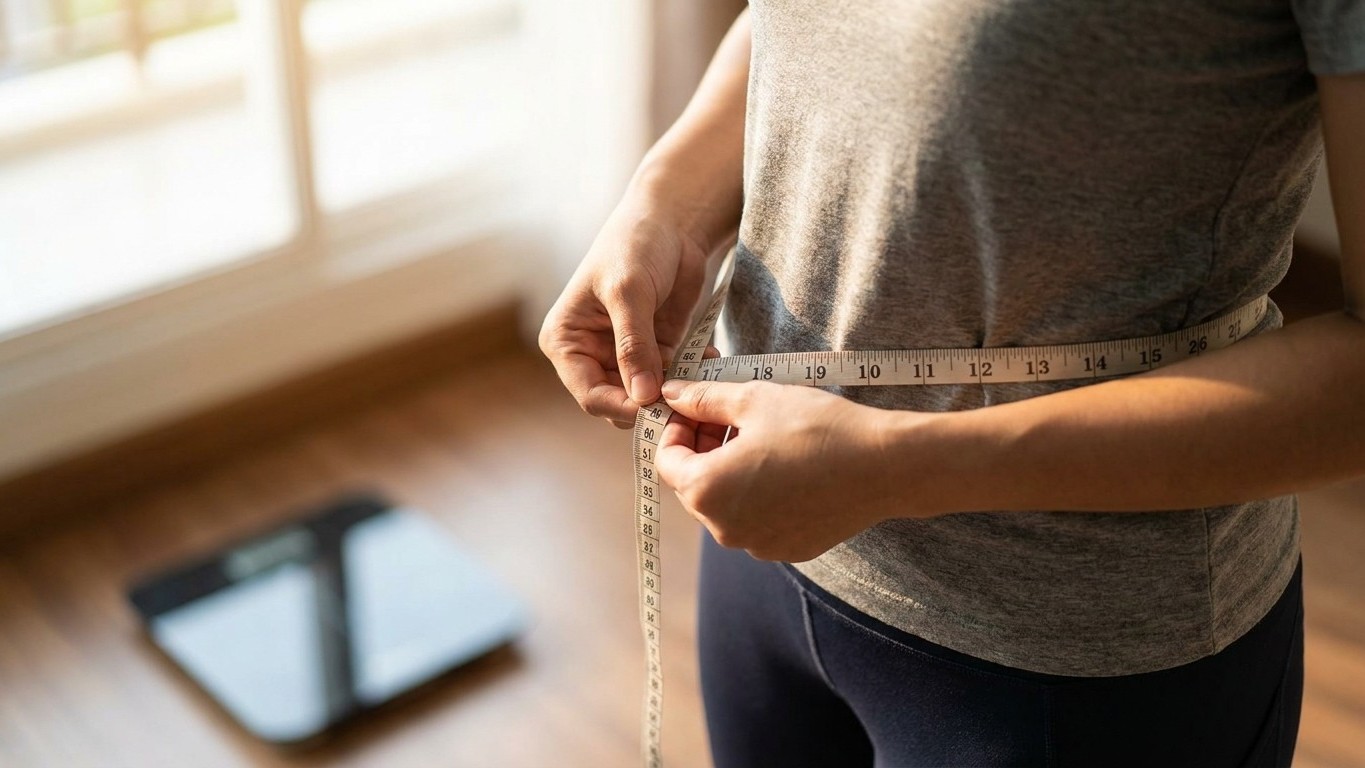
Two months of morning cycling, thirty minutes a day, no days missed. The routine was solid. And yet the bathroom scales barely moved. The real shock came not from the number on the scale, but from a tape measure wrapped around the waist, smaller, noticeably, . That moment reveals something the fitness industry underplays: cycling reshapes the body differently from how most people expect, and understanding that gap between scale weight and actual progress is where the real lesson lives.
Key takeaways
- 30 minutes of daily cycling targets visceral belly fat specifically—the kind that shrinks your waist before the scale budges
- Your body might be gaining muscle while losing fat, making the scale lie while the tape measure reveals the truth
- Sleep deprivation and stress are quietly sabotaging your efforts by raising cortisol and promoting belly fat storage
What 30 Minutes on a Bike Actually Does to Your Body
A 30-minute cycling session at a moderate pace can burn between 240 and 336 calories, depending on intensity, speed, and the rider’s weight. That’s a meaningful contribution to a weekly energy deficit, but the more interesting part is where the fat comes from. A 2024 study involving 50 adults found that 12 weeks of cycling led to an average weight loss of 5.5 pounds and a significant reduction in visceral fat, the dangerous belly fat linked to metabolic disease. Visceral fat sits deep in the abdominal cavity, wrapping around organs — and it’s precisely this fat that shrinks the waist.
Aerobic exercise has been linked to reductions in several measures of body fat, including body weight and waist circumference, according to a systematic review and meta-analysis published in JAMA Network Open. Every 30 minutes of aerobic exercise per week was associated with decreases in areas of visceral and subcutaneous adipose tissue. Eight weeks into a regular cycling programme, the evidence from a pilot study at Coimbra University mirrors this: body fat decreased by 1.8% overall, with a significant reduction in females, while aerobic capacity (VO₂max) increased by roughly 12–14% in both sexes.
There is also a structural explanation for why the waist changes faster than the scale suggests. Body weight includes bone, organs, muscles, fat, water, and glycogen stores, which means the number on the scale often overlooks changes in body composition. You may lose a pound of fat but gain a pound of muscle, leaving your weight unchanged, but the difference in body composition means you’re slimmer, firmer, and healthier. Cycling, a resistance-loaded aerobic activity, builds leg and core muscle while burning fat simultaneously. The scale sees the sum; the tape measure sees the truth.
The Hidden Reasons Progress Stalls : Even When You’re Pedalling
Here’s the frustrating reality: weight loss is influenced by far more than calories burned and food choices alone. Many people who cycle consistently and see limited scale movement are being quietly sabotaged by factors they haven’t considered.
The first culprit is compensatory eating. Research found that participants consumed larger meals after exercise compared to non-exercise days, not necessarily eating less healthily, but eating larger portions. The brain, having registered the effort, quietly gives itself permission. Subtracting exercise calories from total calories consumed gives the impression that you can eat more, but most adults do not need to eat back exercise calories from moderate activities like cycling — these do not burn enough to require a post-workout snack, particularly when weight loss is the goal.
The second silent disruptor is cortisol. Chronic stress raises cortisol levels, which promotes fat storage particularly in the form of visceral fat around the abdomen. Lack of sleep further elevates cortisol, amplifying fat storage and making it harder to lose belly fat. Lack of sleep increases the hunger hormone ghrelin and raises cortisol, which promotes belly fat storage, and getting seven to eight hours of quality sleep is one of the most important factors for weight loss. You can pedal every morning and still be working against your own hormonal environment if recovery is poor.
Exercise is a double-edged sword when it comes to cortisol: too little movement and cortisol rises, but exercise that’s too aggressive can also spike it. The goal is to aim for Zone 2, roughly 60–70% of maximum heart rate, which relies on aerobic metabolism, uses fat as fuel, and has been shown to help regulate cortisol levels and blood sugar. Thirty minutes of easy-to-moderate pedalling, where you can hold a conversation without gasping, sits precisely in this productive zone.
Why Waist Measurement Beats the Scale for Tracking Cycling Progress
Bathroom scales don’t account for whether you’re inflamed, retaining water, or hormonal, any one of these factors can cause fluctuations of up to 3–4 kg on a daily basis. A waist measurement, taken consistently each week at the same time of day, bypasses all of that noise. Waist-to-height ratio is gaining recognition as a more accurate and accessible measure of health risks associated with body composition, and studies have shown it is a superior predictor of cardiovascular risk compared to BMI, particularly when assessing central obesity.
A network meta-analysis of 84 randomised controlled trials confirmed that aerobic exercise of at least moderate intensity significantly reduces visceral fat, waist circumference, and total body fat in people with overweight and obesity. That’s the category into which 30 minutes of morning cycling falls, and it’s why the tape measure responds before the scales do. Body composition tracking, which measures fat mass versus lean muscle mass, is more insightful than simply weighing yourself, as it gives you a breakdown of what your body is actually made of.
Consistent cycling, paired with a proper diet, can effectively reduce fat mass and contribute to sustainable weight loss, but the operative word is paired. The exercise alone is the engine; nutrition and sleep are the fuel and maintenance. Reduce ultra-processed foods, stabilise blood sugar through whole-food meals, and protect sleep, and the waist measurement tells a story the scale simply cannot.
Getting More From Every Morning Ride
Thirty minutes is genuinely enough, the research supports it, but the quality of those thirty minutes matters. Riding at a consistent moderate intensity, where breathing is elevated but controlled, keeps the body in fat-burning mode without triggering excessive appetite or cortisol spikes. Zone 2 lies just below the aerobic threshold, an intensity at which the body burns large amounts of fat; beyond this point, it begins to rely more on carbohydrates and metabolic efficiency declines.
For those who want to progress after six to eight weeks of base riding, balance is the key: beginners could start with one day of higher-intensity effort per week, while more experienced riders can handle two to three harder sessions, provided these are balanced with easy rides, walking, or restorative movement like yoga. The mistake most people make is turning every ride into a race, which raises stress hormones, inflames the joints, and sends you straight to the biscuit tin by 10 a.m.
One detail worth noting: a meta-analysis in JAMA Network Open cautioned that aerobic training exceeding 150 minutes per week at moderate intensity or greater may be needed to achieve clinically significant reductions in body fat. That’s five days of 30-minute cycling, exactly the kind of routine that feels manageable in practice. The two-month journey that ends with a smaller waist is not a mystery. It’s aerobic physiology, patiently doing its work, visible to anyone wise enough to put down the scale and pick up the tape.
Always consult your GP before beginning a new exercise programme, particularly if you have existing health conditions.
Sources : onlinelibrary.wiley.com | pubmed.ncbi.nlm.nih.gov