Why Switching Your Runs to Evening Could Transform Your Performance and Sleep

Why Switching Your Runs to Evening Could Transform Your Performance and Sleep

A year of dawn runs felt virtuous—until one shift to evening sessions revealed something surprising: faster paces, deeper sleep, and genuine physical ease. The answer lies in your circadian rhythm, where peak running performance occurs in late afternoon and early evening, when your body temperature peaks and muscles are primed for action.

How 3-Second Tempo Reps Can Break a Strength Plateau

Break Your Strength Plateau: The 3-Second Tempo Trick That Changes Everything

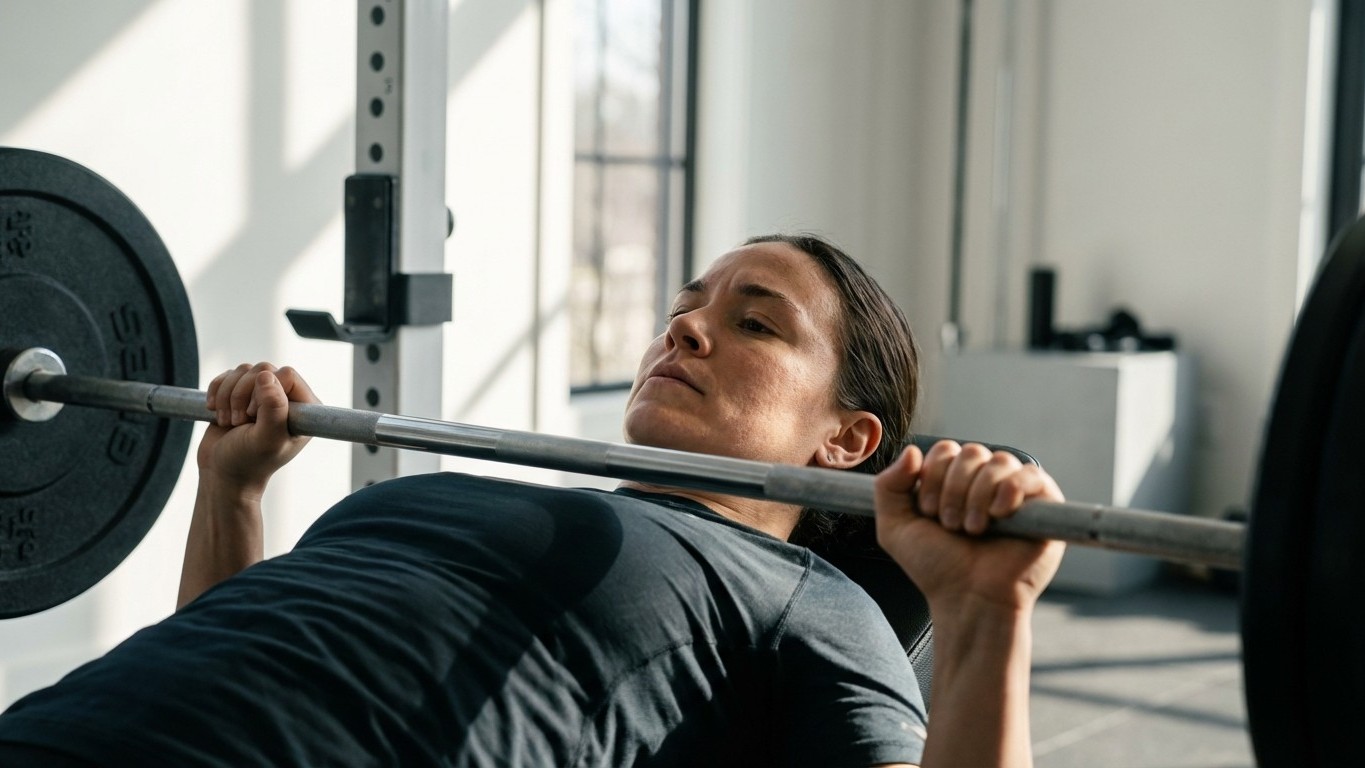
Six months of grinding with zero progress doesn’t mean you need heavier weights—it means your muscles have stopped noticing. A deceptively simple tempo adjustment, slowing your eccentric phase to three seconds, generates mechanical tension your nervous system can’t ignore and breaks plateaus that progressive overload alone cannot.

Cold Water Swimming Every Day for 30 Days: What Happens

I Swam in Freezing Water Every Morning for 30 Days—My GP's Reaction Shocked Me

One person committed to cold water swimming every morning in March and discovered unexpected physiological transformations. From cardiovascular improvements to sleep quality shifts, the scientific reality proved far more nuanced than wellness trends suggest. Even their GP noted the measurable changes.

Desk Work and Hip Stiffness: What Long Sitting Does to Hips

9 Hours a Day for 12 Years: How Desk Work Silently Damages Your Hips

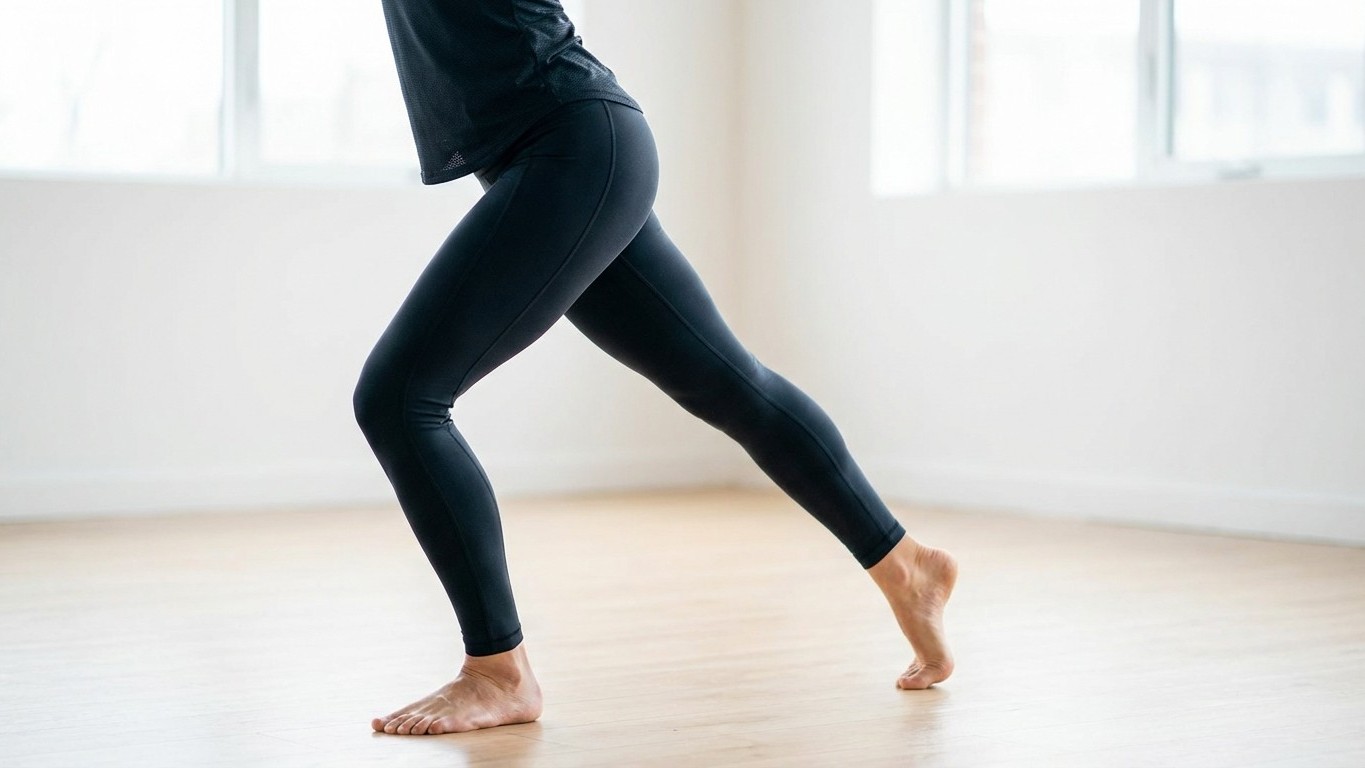
A decade of desk work can silently shorten your hip flexors and throw your entire body out of alignment—but a physiotherapist can spot it in seconds. One woman’s story reveals why desk workers develop “gluteal amnesia” and what daily stretches can actually reverse the damage.

Nasal Breathing for Running: What It Does for Endurance

How Nasal Breathing Transformed My Running Endurance: The Science Behind the Switch

For years, mouth breathing felt instinctive during runs—until a simple shift to nasal breathing revealed a striking difference in performance and recovery. This isn’t just about breathing harder; it’s about breathing smarter, and the science behind it might change how you train forever.

What Happened to Body Fat After Replacing Runs With Daily Walks

I Ditched Running for Daily Walks and My Body Fat Dropped in Ways My Trainer Didn't Expect

After six months of trading high-intensity running for daily 45-minute brisk walks, one person’s body composition shifted in surprising ways—dropping 2.1% body fat while maintaining muscle. What their trainer discovered challenges conventional fitness wisdom about intensity and fat loss.