
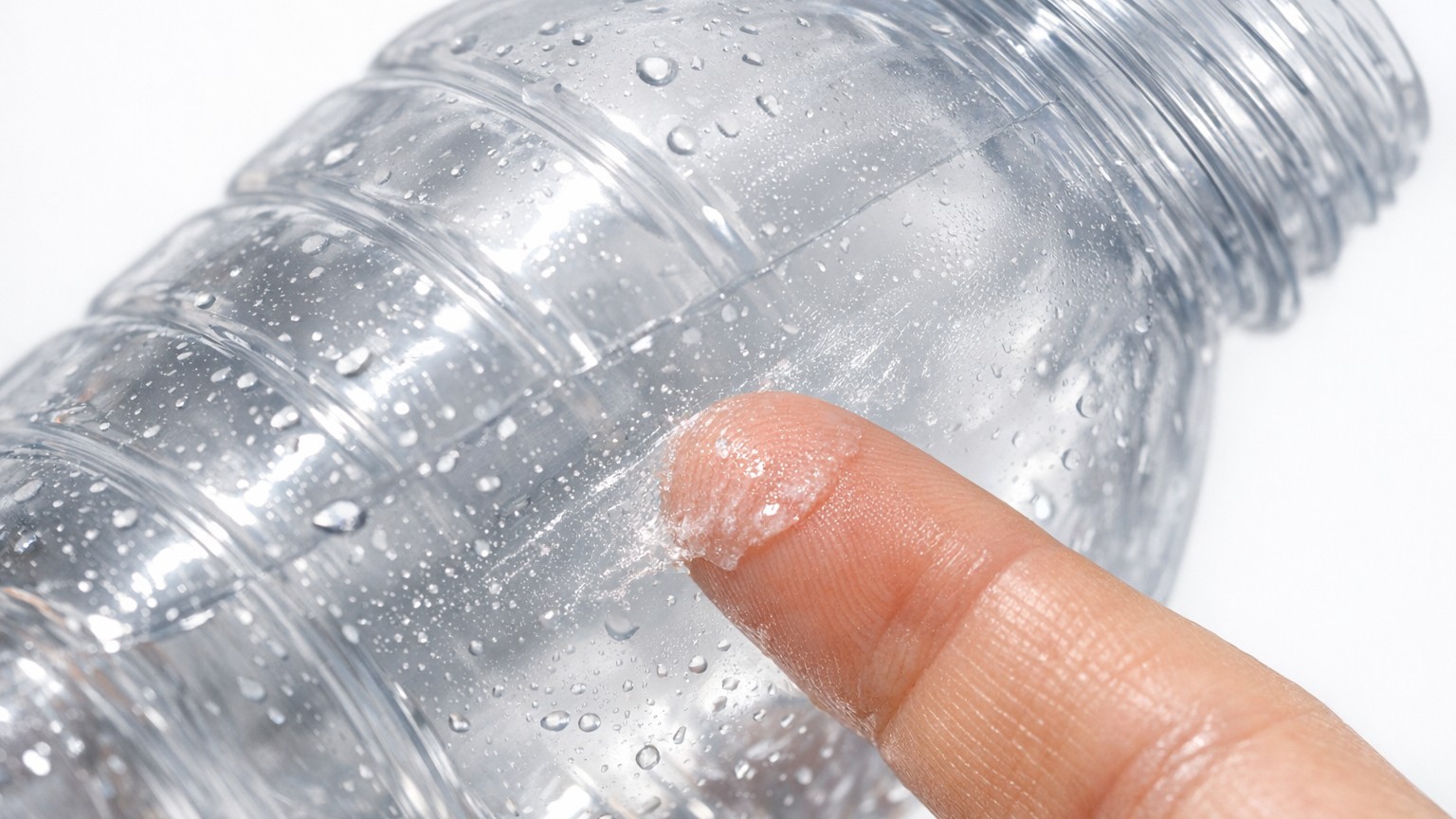
That slightly stale, vaguely plasticky taste from a gym bottle you’ve been refilling daily is not your imagination, and it’s not the water. It’s what’s living inside the bottle. Running a finger along the interior of a frequently reused water bottle, particularly around the neck or the base, often reveals a thin, slick film that shouldn’t be there. That film has a name: biofilm. And once you understand what it is, you’ll never go three weeks without washing again.
Key takeaways
- Bacteria from your mouth form a protective biofilm layer within hours, creating a ‘tiny fortress’ that produces the off-taste you’ve been noticing
- The straw-lid design and silicone gaskets on most gym bottles are nearly impossible to clean thoroughly—and they’re the prime breeding ground
- One counterintuitive discovery: scrubbing too hard with abrasive materials actually makes biofilm worse by creating micro-scratches for bacteria to embed into
What’s actually growing in your bottle
Biofilm forms when bacteria attach to a moist surface and begin secreting a protective layer of polysaccharides, essentially constructing a tiny fortress. Your mouth introduces hundreds of bacterial species every single time you take a sip. Most are harmless oral bacteria, but the warm, damp interior of a sealed bottle is an ideal environment for them to multiply. Within hours of use, the first bacterial colonies are establishing themselves. Within days, a structured biofilm community can form.
Research published in peer-reviewed microbiology literature has consistently shown that reusable bottles harbour bacterial counts that would alarm most people, particularly around lids, straws, and the interior base where water pools. The straw-style lids common on gym bottles are especially problematic: the narrow tubing is almost impossible to clean thoroughly with a standard brush, and the valve mechanism creates pockets of moisture that never fully dry out.
The off-taste many people notice is a direct consequence of this microbial activity. Bacteria release metabolic by-products as they feed and reproduce. Some of these compounds are volatile, meaning they become airborne and stimulate your sense of smell and taste. That musty, slightly sour note? That’s biochemistry, not bad tap water.
The bottle material matters more than you think
Plastic bottles, particularly older ones with visible scratches inside, provide a rough surface where bacteria embed themselves more readily. Micro-abrasions from vigorous scrubbing with a rough sponge create more surface area for biofilm adhesion, not less. This is one of those counterintuitive cleaning realities: scrubbing too hard with an abrasive material can actually worsen the problem over time.
Stainless steel insulated bottles have a smoother interior surface and are generally easier to clean thoroughly. However, the lid mechanisms on many insulated bottles are just as complex as their plastic counterparts. Glass bottles are perhaps the easiest to clean and the least prone to retaining odours, but the weight and fragility make them impractical for most gym bags.
Silicone components, which appear in many modern lids, gaskets, and straw valves, are particularly hospitable to mould in humid conditions. Black or dark green spotting around a silicone seal is a telltale sign. Many people wash the bottle body conscientiously but forget that the gasket can be removed and should be cleaned separately, every single wash.
How to actually clean a reusable bottle
The minimum effective frequency is once daily if you’re using the bottle every day. That doesn’t mean a quick rinse. Hot soapy water, a bottle brush that reaches the base, and a smaller brush or pipe cleaner for straws and lids, used properly, is the baseline. Leave the bottle open and inverted to air-dry fully between uses: bacteria thrive in moisture, and a sealed damp bottle sitting overnight is offering ideal conditions for growth.
A deeper clean is worth doing weekly. Two methods with genuine evidence behind them are a white vinegar soak (fill with equal parts water and distilled white vinegar, leave for several hours, rinse thoroughly) and a dilute bicarbonate of soda solution, which helps neutralise odours by reacting with the acidic compounds bacteria produce. Neither method replaces physical scrubbing, they complement it.
For bottles with particularly complex lid mechanisms, the dishwasher, if the manufacturer confirms it’s dishwasher-safe, can reach temperatures that hand-washing often doesn’t. Most domestic dishwashers run at 55 to 70 degrees Celsius on a standard cycle. That heat, combined with detergent, is effective at disrupting biofilm. The caveat is that repeated high-temperature cycles can degrade certain plastics over time, which is worth checking against the manufacturer’s guidance.
One genuinely useful habit: designate one day a week, perhaps Sunday evening, to completely disassemble the lid, remove any silicone gaskets, and let every component soak and air-dry before the week begins. It takes about five minutes and meaningfully extends both the cleanliness and the lifespan of the bottle.
When to stop refilling and start replacing
Persistent off-taste that doesn’t resolve after thorough cleaning is a sign that the bottle has reached the end of its useful life. Biofilm that has embedded deeply into microscopic surface damage cannot be fully removed by hand-washing. At that point, the bottle is past saving, regardless of how attached you’ve become to it.
Visible discolouration inside the bottle body, staining that won’t shift, or any visible mould growth (even in a single component) are clear indicators to replace. Mould spores can cause respiratory irritation and allergic reactions in some people, and the NHS acknowledges mould exposure as a trigger for certain health symptoms in sensitive individuals.
There’s a reasonable argument for replacing a heavily used plastic gym bottle every six to twelve months regardless, especially if the interior is visibly scratched. Many people treat a water bottle as permanent when it’s genuinely a consumable item. The environmental calculus still favours a reusable bottle over single-use plastic, but only if you’re actually maintaining it properly. A biofilm-laden bottle that makes water taste off is one you’ll eventually abandon for plastic bottles from a vending machine, and that defeats the point entirely. Cleaning it properly isn’t just about hygiene. It’s what makes the habit sustainable.
If you have concerns about recurring digestive symptoms or unexplained illness, please consult your GP rather than self-diagnosing.