
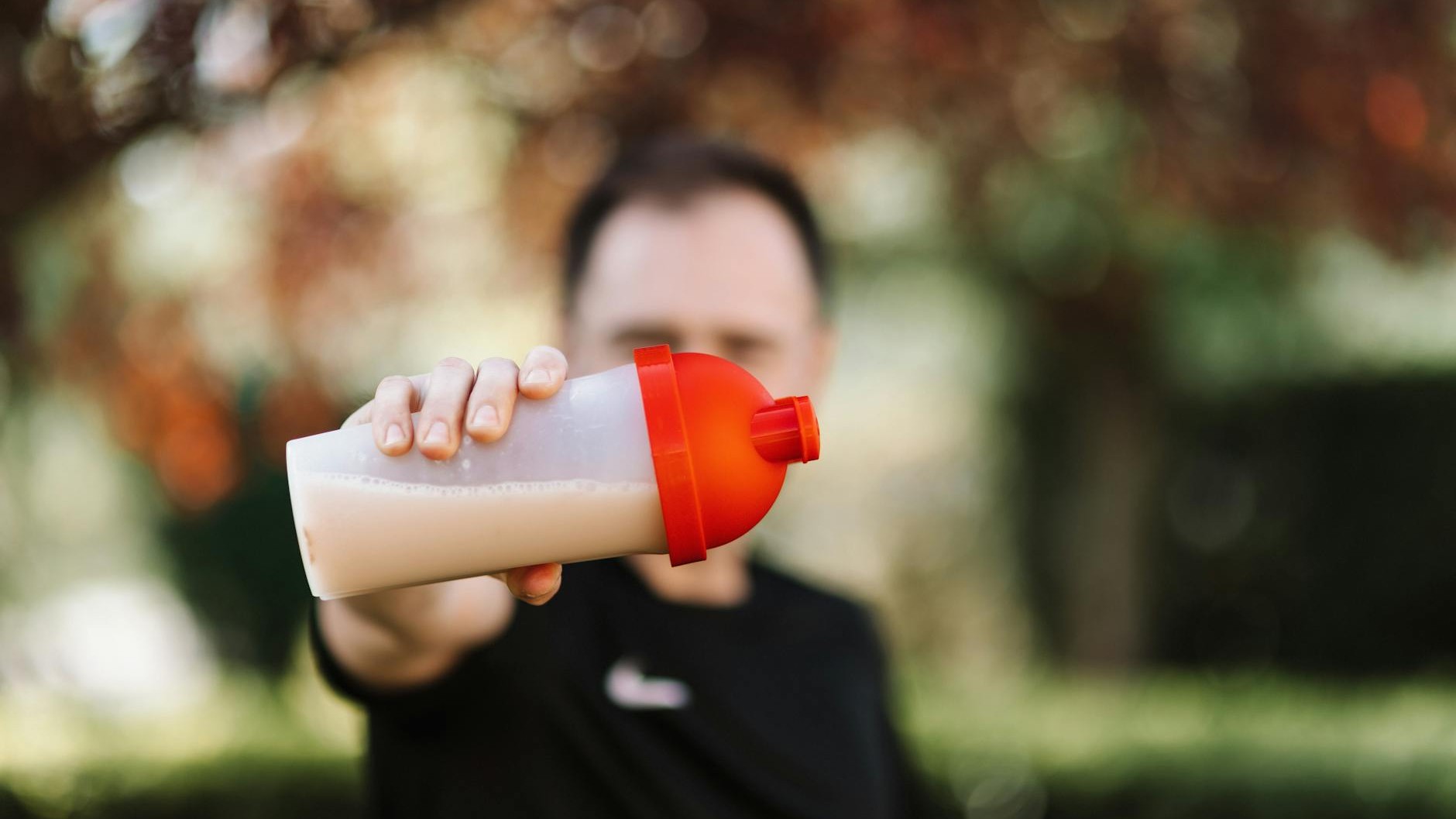
Protein shaker bottles harbour some of the most stubborn bacterial colonies in the average gym bag, and the culprit is almost never the main chamber you diligently rinse each morning. It’s the lid. More specifically, the sealing gasket, the threading, and the tiny valve mechanisms that trap a film of residual protein and moisture in conditions that are, frankly, ideal for microbial growth. A quick swab of a supposedly clean shaker lid, left on an agar plate, produces results that would make a microbiologist wince.
Key takeaways
- A single swab of a ‘clean’ shaker lid reveals bacterial colonies that would make microbiologists wince
- The gasket and threading trap protein residue and moisture in conditions designed for microbial growth—and your daily rinse can’t reach it
- One approach many don’t consider could solve the problem entirely without obsessive scrubbing
Why protein residue behaves differently from other food residue
Milk-based proteins, particularly whey and casein, denature rapidly at room temperature and begin to break down within hours of being mixed with water. That breakdown isn’t just a smell problem. The amino acids released during protein degradation become food for bacteria, and the resulting biofilm, a thin, protective matrix secreted by microbial communities, is considerably harder to shift than the original protein itself. Cold water rinsing, the go-to move after a morning shake, removes the bulk of liquid but leaves this biofilm largely intact.
The threading of most screw-top lids creates dozens of micro-grooves that a tap rinse simply cannot reach. Each groove holds a fraction of a millilitre of liquid, but across the full circumference of a lid, that accumulates. Shake that bottle tomorrow, then the day after, and each new batch of protein solution contacts yesterday’s bacterial colony before you’ve even left the kitchen. The smell, that persistent slightly sour, slightly cheesy odour, is largely the product of butyric acid and other volatile fatty acids released as bacteria metabolise the residual protein.
The gasket problem nobody talks about
Most shaker lids contain a silicone or rubber gasket seated in a groove that creates the watertight seal. Removing it is usually possible, but fiddly enough that most people never bother. This is where the real problem lives. A gasket that isn’t removed during washing can trap protein-rich moisture for days, in near-darkness, with minimal airflow. That’s not just an unpleasant scenario; it’s a textbook environment for mould growth.
Research into reusable food containers consistently shows that flexible sealing components accumulate more microbial load than rigid surfaces, precisely because their texture and creviced contact points resist mechanical cleaning. Dishwashers help, but only partially. The gasket groove itself often sits outside the direct water spray path, meaning even a hot wash cycle leaves it damp and warm, conditions that accelerate rather than inhibit bacterial growth in the immediate aftermath of the cycle.
The fix is genuinely simple, though: remove the gasket after every use, wash it separately with a small bottle brush or your fingertip and washing-up liquid, then leave it and the lid inverted to dry completely before reassembling. Completely dry. A gasket slotted back into a damp groove within minutes of washing accomplishes almost nothing.
What actually works to eliminate the smell
White vinegar and bicarbonate of soda, the classic pairing for household odours, genuinely earns its reputation here, though for chemical rather than folk-remedy reasons. Acetic acid disrupts the cell membranes of many common bacteria, and bicarbonate raises the pH of the internal surface temporarily, creating conditions that biofilm struggles to recover from. Fill the bottle and submerged lid components with a solution of roughly one part white vinegar to three parts water, leave for 30 minutes, then follow with a bicarbonate paste scrubbed into the gasket groove and threading.
Sterilising tablets designed for baby bottles or brewing equipment work on the same principle, using oxidising agents that penetrate biofilm more effectively than detergent alone. A weekly soak, rather than a daily heroic scrub, is generally more effective at keeping colonies from re-establishing. The daily wash removes surface contamination; the weekly soak addresses what’s embedded.
Activated charcoal pouches placed inside a fully dry shaker between uses genuinely help with odour maintenance, absorbing volatile compounds rather than masking them. This isn’t a substitute for cleaning, but for a bottle left in a gym bag until tomorrow morning, it makes a measurable difference.
One approach worth considering is owning two shakers and rotating them. Allowing a bottle 48 hours of completely dry air time between uses deprives the biofilm of the moisture it needs to survive long-term. A single bottle used daily and quickly rinsed never fully dries, particularly if the lid is reassembled. That constant dampness is, more than almost any other factor, what sustains the smell year after year.
When to accept the bottle is beyond saving
Silicone and plastic both absorb odour compounds over time, a process called sorption, and once the material itself has absorbed butyric acid and other volatile compounds at a molecular level, surface cleaning cannot reverse it. If a bottle smells within seconds of being opened despite thorough cleaning, the material has likely reached that point. The gasket, being the most porous component and the one with the greatest microbial exposure, usually gets there first.
Replacement gaskets are available separately for many popular shaker brands, and swapping the gasket alone, rather than replacing the entire bottle, is both more economical and considerably less wasteful. A new gasket on a properly cleaned bottle frequently resolves a persistent smell problem entirely, which suggests the main chamber was never really the issue to begin with.
There is one further consideration that rarely appears in cleaning guides. Plant-based protein powders, particularly pea and hemp protein, contain different amino acid profiles and lipid compounds that produce distinct bacterial metabolites compared to whey. Several users of plant-based proteins report faster odour development, which is consistent with the higher fat content in hemp protein creating additional substrate for microbial metabolism. The cleaning principles remain the same, but the urgency, for plant-based protein users especially, is higher.
Always consult your GP if you have concerns about hygiene-related illness or recurring gut issues.