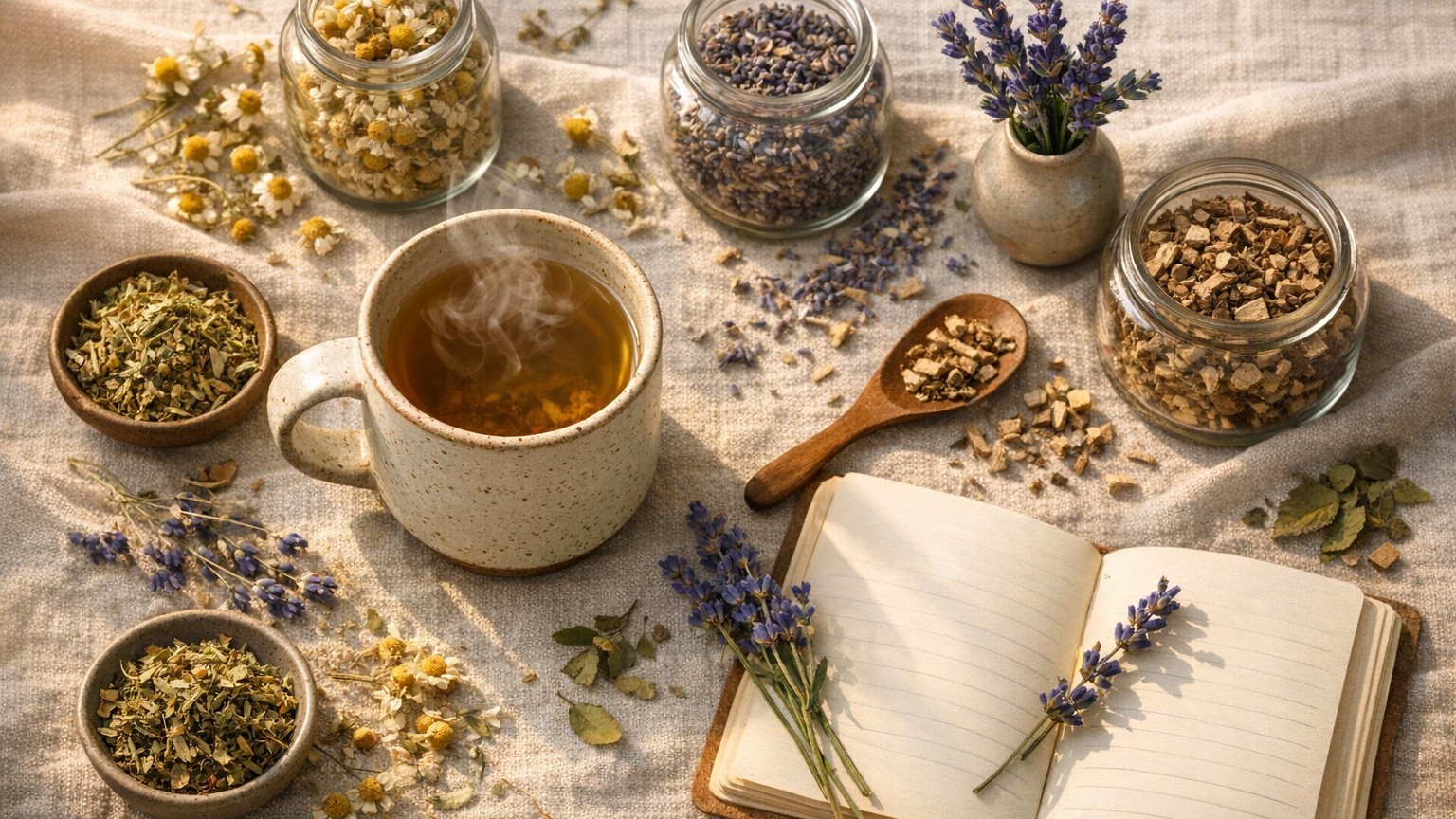
Long before sleeping pills existed, people were already brewing valerian roots, gathering chamomile flowers, and hanging lavender sachets above their beds. The relationship between herbs and sleep is ancient, cross-cultural, and increasingly supported by modern research, particularly in areas like lavender for sleep aromatherapy, exploring chamomile tea for sleep benefits, and learning about valerian root for sleep how to use. If you’ve been lying awake at night and wondering whether plant-based solutions might actually help, the short answer is: yes, for many people, they genuinely do. But the details matter enormously, from which herb suits your particular sleep problem to how you prepare it and when you take it.
This guide covers the full picture. You’ll find specific information on each major herb, how it works in the body, the best ways to prepare and use it, and honest guidance about its limits. For a comprehensive overview of the most effective options, check out our guide on the best herbal tea for sleep naturally. If you’re new to natural sleep remedies, consider this your starting point.
Why Plants for Sleep? Understanding the Basics
What herbs actually do to support sleep
The key to understanding herbal sleep aids lies in the nervous system. Most sleep-supporting plants work by modulating the same neurological pathways that pharmaceutical sedatives target, just more gently. Several herbs increase the availability or activity of GABA (gamma-aminobutyric acid), the brain’s primary inhibitory neurotransmitter. Higher GABA activity quiets nervous system arousal, which is precisely what needs to happen before you can fall asleep. Others reduce cortisol, the stress hormone that so often keeps people wired at 11pm despite genuine exhaustion.
Some herbs contain flavonoids that bind to benzodiazepine receptors (the same receptors targeted by prescription sleep medications like diazepam), but with a much weaker affinity. This partial binding appears to produce a calming effect without the dependency risk, tolerance issues, or next-morning grogginess that so frequently come with pharmaceutical options. For instance, understanding the proper passionflower for sleep dosage can help you harness these gentler effects safely and effectively. Similarly, sleep herbs lemon balm linden hops work through these same pathways to promote natural relaxation.
Plants versus sleeping pills: a realistic comparison
This isn’t about dismissing medical treatment. For people with severe or chronic insomnia, a GP appointment is the right first step, and there are circumstances where prescription medication is genuinely appropriate. But for the millions of people experiencing occasional poor sleep, stress-driven wakefulness, or difficulty winding down, herbs offer something sleeping pills don’t: a gentler entry point with a relatively low risk profile.
The limitations are real, though. Herbal remedies generally produce more modest effects than prescription sedatives. They require consistency over days or weeks rather than providing instant results. Quality varies considerably between products, and some people simply don’t respond to them. If your sleep problems are longstanding or affecting your daily functioning, that warrants professional attention. Always consult your GP before starting any herbal supplement, especially if you’re taking other medications or have an underlying health condition.
The Best Herbs for Sleep: A Detailed Overview
Valerian: the most studied herbal sleep aid
Valerian root (Valeriana officinalis) is, by some margin, the most researched of all sleep herbs. It contains valerenic acid, which inhibits the breakdown of GABA in the brain and also appears to interact with serotonin receptors. Multiple clinical trials have examined its effects on sleep latency (the time it takes to fall asleep) and sleep quality, with results that are promising, if not entirely consistent across studies.
The important caveat with valerian is timing. Unlike a sleeping pill, it doesn’t knock you out within an hour. Many studies suggest that regular use over two to four weeks produces the clearest benefits, as the active compounds appear to accumulate. For acute use, taking it 30 to 60 minutes before bed is the usual recommendation. You’ll find much more detail, including precise dosing guidance, in this article on valerian root for sleep how to use.
One practical note: valerian has a strong, earthy smell that many people find off-putting as a tea. Capsule or tincture formats are often more palatable. It should be avoided during pregnancy and isn’t recommended for children. Rarely, some people experience a paradoxical stimulating effect, particularly at higher doses.
Chamomile: gentle, versatile, and underrated
Chamomile (Matricaria chamomilla) is possibly the world’s most popular bedtime tea, and there’s more science behind it than its gentle reputation might suggest. The key compound is apigenin, a flavonoid that binds to benzodiazepine receptors in the brain, producing mild sedative effects. Chamomile also has anti-inflammatory and anxiolytic properties that may contribute to better sleep indirectly, by calming a body that’s running too hot neurologically.
A notable study published in the journal Phytomedicine found that chamomile extract reduced the time taken to fall asleep and improved daytime functioning in older adults with chronic insomnia. The effects weren’t dramatic, but they were real and consistent over several weeks. For a simple bedtime ritual, chamomile tea is hard to beat. Steep two to three grams of dried flowers in hot water (not boiling) for five minutes, about 45 minutes before sleep. The chamomile tea for sleep benefits article goes deeper on preparation methods and what the research actually says.
Lemon balm: the stress-to-sleep bridge
Lemon balm (Melissa officinalis) occupies an interesting niche. It’s not purely a sleep herb in the way valerian is; it’s more accurately described as an adaptogen for the nervous system, one that reduces anxiety and mental overactivation, which then allows sleep to come more easily. If your sleeplessness has a clear stress or rumination component (and for most people, it does), lemon balm deserves serious consideration.
The herb works partly by inhibiting an enzyme called GABA transaminase, which breaks down GABA. Less breakdown means more GABA activity, which means a calmer brain. Research suggests it’s particularly effective when combined with valerian: several trials have used this combination and found improvements in both sleep quality and mood. As a tea, lemon balm is genuinely pleasant, with a mild citrus flavour. Two grams of dried leaves, steeped for ten minutes, is a reasonable starting point.
Passionflower: anxiety, racing thoughts, and sleep
Passionflower (Passiflora incarnata) is less well-known than valerian or chamomile but has an impressive body of research behind it, particularly for anxiety-related sleep disturbance. It contains flavonoids including chrysin, which has demonstrated GABA-A receptor activity in laboratory studies. Some trials have compared passionflower to low-dose pharmaceutical anxiolytics and found comparable effects on anxiety symptoms, with fewer side effects.
For sleep specifically, passionflower seems most useful for the kind of insomnia characterised by an overactive mind at bedtime: the mental chatter that simply won’t stop. The dosing question is more nuanced, particularly if you’re considering extracts rather than tea, so it’s worth reading the dedicated guide on passionflower for sleep dosage before you start.
Linden blossom, hops, lavender, and hawthorn: worth knowing
Beyond the four major herbs, several others deserve mention. Linden blossom (tilleul in French), made from the flowers of the lime tree, is a traditional European sleep tea with mild sedative and antispasmodic properties. It’s particularly popular in France and Germany and is well-tolerated by most people, including older adults. Steep the flowers for five to ten minutes; the result is a sweet, fragrant infusion.
Hops (Humulus lupulus), the same plant used in brewing beer, contains methylbutenol, a compound with documented sedative effects. It’s often combined with valerian in commercial sleep supplements, and the two appear to work synergistically. Hawthorn (Crataegus), more commonly known for cardiovascular support, also has mild anxiolytic properties and may help with the kind of restless wakefulness associated with stress or palpitations.
Lavender deserves its own paragraph. Used aromatically rather than ingested, lavender essential oil has a meaningful body of clinical evidence behind it. Inhalation of linalool (lavender’s key active compound) has been shown to slow heart rate and reduce cortisol levels, creating physiological conditions conducive to sleep. For guidance on how to actually use it, the article on lavender for sleep aromatherapy covers diffusion methods, pillow sprays, and bath preparations in detail.
How to Prepare and Use Sleep Herbs Effectively
Choosing your herb: matching plant to problem
Not all sleep difficulties are the same, and the best herb for you depends on the nature of your problem. Someone who lies awake for an hour before finally drifting off (sleep-onset insomnia) has different needs from someone who falls asleep easily but wakes at 3am and can’t get back to sleep (sleep-maintenance insomnia). And both of those differ from the person who sleeps technically enough hours but wakes feeling exhausted.
For difficulty falling asleep with a racing mind, passionflower or lemon balm are often the most appropriate starting point. For those who wake during the night, valerian’s longer-acting GABA modulation may be more relevant. Chamomile is a gentle general option that suits people who are new to herbal sleep aids or who simply want a calming evening ritual without any strong effects. Linden blossom and lavender work well as background support in any of these scenarios.
Tisane preparation: temperatures, timings, and dosages
The way you prepare a herbal tea affects its potency considerably. Most sleep herbs are best steeped in water that’s just below boiling (around 90°C) for five to ten minutes, covered to prevent the volatile aromatic compounds from escaping with the steam. Using a lid during steeping makes a genuine difference. Standard dried herb quantities range from one to three grams per cup, depending on the herb and your sensitivity.
Timing matters too. Most practitioners recommend drinking sleep tea 30 to 60 minutes before going to bed. This gives the active compounds time to begin working before your head hits the pillow. Drinking it too close to bedtime might mean you’re still absorbing the herbs as you try to sleep, and could also mean an inconvenient trip to the toilet at 2am.
Combining herbs can be effective. A classic and well-researched combination is valerian with lemon balm. Another traditional blend pairs chamomile with linden blossom and a small amount of hops. If you’re using commercial blends, check that they contain meaningful quantities of active herbs, not just a token flavouring.
Tea, capsule, tincture, or essential oil: which format?
The ritual element of making and drinking a warm herbal tea is itself sleep-promoting. The warmth, the slowing down, the sensory experience: these things engage the parasympathetic nervous system in ways that contribute to relaxation independently of whatever herb is in the cup. For this reason, teas are often the preferred format for evening use, even if other formats might technically deliver more standardised doses of active compounds.
Capsules and standardised extracts are useful for people who dislike the taste of certain herbs (valerian especially), who need a more precise dose, or who want to take them away from home without the faff of loose-leaf teas. Tinctures (alcohol-based extracts) are fast-acting and convenient, though some people prefer to avoid alcohol before bed. Essential oils are strictly for aromatic or topical use and should never be ingested. Each format has genuine uses; the best choice depends on your practical preferences and sleep goals.
Tailoring Herbal Sleep Remedies to Your Situation
Matching herbs to your specific sleep pattern
Sleep-onset insomnia (the inability to fall asleep) tends to respond best to fast-acting, anxiolytic herbs like passionflower or lemon balm, taken 45 to 60 minutes before bed. If stress or daytime anxiety is clearly the driver, addressing that with daytime use of lemon balm or ashwagandha (an adaptogen beyond the scope of this article, but worth researching) may be more effective than simply trying to address the symptom at night.
Sleep-maintenance insomnia, those frustrating middle-of-the-night awakenings, is trickier to address with herbs alone. Valerian taken before bed has some longer-acting properties, but early morning waking in particular can signal an underlying issue, whether related to mood, cortisol rhythms, or sleep apnoea, that may need professional assessment. Don’t ignore persistent patterns.
Safety, contraindications, and when to see a GP
Most sleep herbs are safe for short-term use in healthy adults. But there are specific situations that require caution. Valerian, lemon balm, and passionflower can potentiate sedative medications, meaning the combination may be stronger than either alone. If you take antihistamines, anxiolytics, antidepressants, or any other medication affecting the central nervous system, speak to your GP or pharmacist before adding herbal supplements.
Pregnancy and breastfeeding are another important consideration. Chamomile is generally considered lower-risk, but strong teas of valerian, hops, or passionflower are not recommended during pregnancy. Children and adolescents should only use herbal sleep aids under professional guidance. Older adults, who may already take multiple medications, should have any herbal supplement reviewed by their GP.
If your sleep problems have persisted for more than three to four weeks, if they’re significantly affecting your work or daily life, or if they’re accompanied by mood changes, persistent anxiety, or physical symptoms, please make an appointment with your GP. Herbal remedies are a useful tool in a broader toolkit, but they’re not a substitute for proper assessment and, when needed, treatment.
Building Herbs into a Proper Sleep Routine
An evening chamomile tea taken while scrolling social media in a brightly-lit room will do considerably less than the same tea drunk quietly as part of a deliberate wind-down. The context in which you use sleep herbs matters enormously. Light exposure, screen use, meal timing, and mental stimulation in the hour before bed all influence how easily your nervous system can shift into sleep mode. Herbs work best when they’re supported by basic sleep hygiene.
A practical evening routine might look something like this: no screens after 9pm, dim lighting from 8pm onwards, a warm shower or bath around 8:30pm (which temporarily raises core body temperature and then drops it as you cool down, mimicking the natural temperature fall that accompanies sleep onset), followed by a sleep tea of your choice, some light reading or gentle stretching, and lights out by 10:30pm. Within that kind of framework, herbs become part of a coherent signal system that tells your body: it’s time now.
The broader landscape of plant-based and natural sleep support, covering not just herbs but nutrition, relaxation techniques, and supplement combinations, is explored in detail in our comprehensive guide to natural sleep remedies.
FAQ: Common Questions About Herbal Sleep Remedies
Can you combine multiple sleep herbs? Yes, and several combinations have research support. Valerian with lemon balm is perhaps the most studied, and many commercial sleep blends use this pairing. However, combining multiple sedating herbs also increases the risk of excessive drowsiness, so start with low doses and see how you respond before increasing.
How long before sleep herbs start working? It varies significantly by herb and individual. Chamomile and passionflower may produce noticeable effects within a few days. Valerian is often cited as needing two to four weeks of regular use for full effect. If you try an herb for two weeks without any improvement, it may not be the right fit for you.
Are herbal sleep teas safe to drink every night? For most adults, chamomile, linden blossom, and lemon balm are gentle enough for regular nightly use. Valerian, hops, and passionflower are generally recommended for short to medium-term use (up to four to six weeks), after which it’s sensible to take a break. If you feel you need a sleep aid every single night indefinitely, that’s worth discussing with your GP.
Do herbal sleep remedies interact with prescription medications? Some do. Valerian and lemon balm, in particular, can enhance the effects of sedative medications. Always check with your pharmacist or GP if you’re on any regular medication before starting herbal supplements.
The relationship between plants and sleep is one of the oldest forms of self-care in human history. Modern science is, slowly but steadily, catching up with what generations of herbalists already knew intuitively. Whether you start with a simple chamomile tea or explore the fuller range of sleep-supporting herbs, approaching it thoughtfully, matching the herb to your actual sleep pattern and circumstances, is what will make the real difference. Your sleep doesn’t have to be a puzzle you solve with willpower alone.