How Fish Drown in Water and Why Your Muscles Experience the Same Crisis During Exercise

How Fish Drown in Water and Why Your Muscles Experience the Same Crisis During Exercise
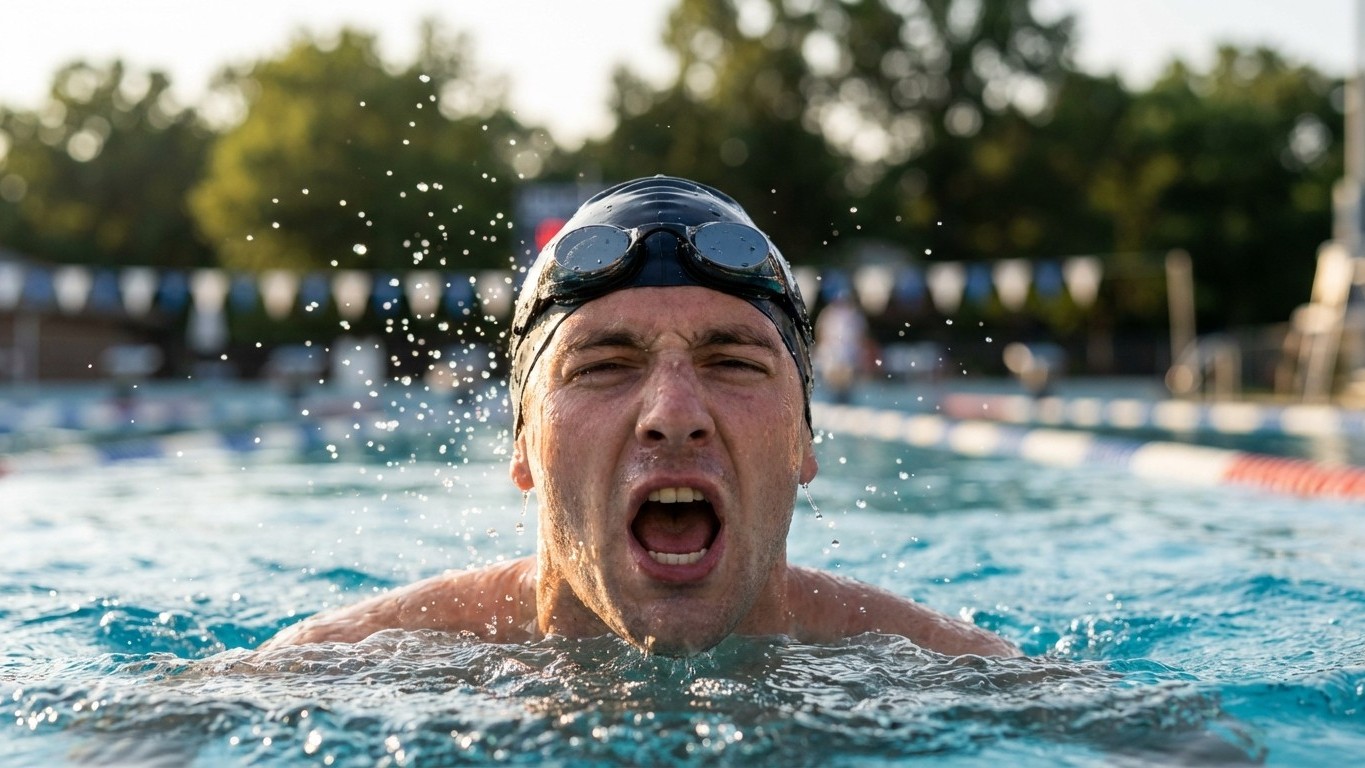
Fish can suffocate while fully submerged in oxygen-depleted water through a process called aquatic asphyxia. Your muscles experience this identical biological crisis every time you push hard during exercise, triggering the same oxygen deficit that produces that familiar burning sensation. Understanding this parallel reveals how your body adapts and grows stronger through training.


Why Mouth Breathing Between Sprints Is Sabotaging Your Recovery

Why Mouth Breathing Between Sprints Is Sabotaging Your Recovery

That desperate gulp of air between sprints feels necessary, but research reveals mouth breathing actually prolongs your recovery and compromises your next effort. Your nose is designed as a sophisticated air processor—bypass it and you’re fighting against your own physiology.

How Nasal Breathing Transformed My Running Endurance: The Science Behind the Switch

How Nasal Breathing Transformed My Running Endurance: The Science Behind the Switch

For years, mouth breathing felt instinctive during runs—until a simple shift to nasal breathing revealed a striking difference in performance and recovery. This isn’t just about breathing harder; it’s about breathing smarter, and the science behind it might change how you train forever.

I Ditched Running for Daily Walks and My Body Fat Dropped in Ways My Trainer Didn’t Expect

I Ditched Running for Daily Walks and My Body Fat Dropped in Ways My Trainer Didn't Expect

After six months of trading high-intensity running for daily 45-minute brisk walks, one person’s body composition shifted in surprising ways—dropping 2.1% body fat while maintaining muscle. What their trainer discovered challenges conventional fitness wisdom about intensity and fat loss.