
Introduction
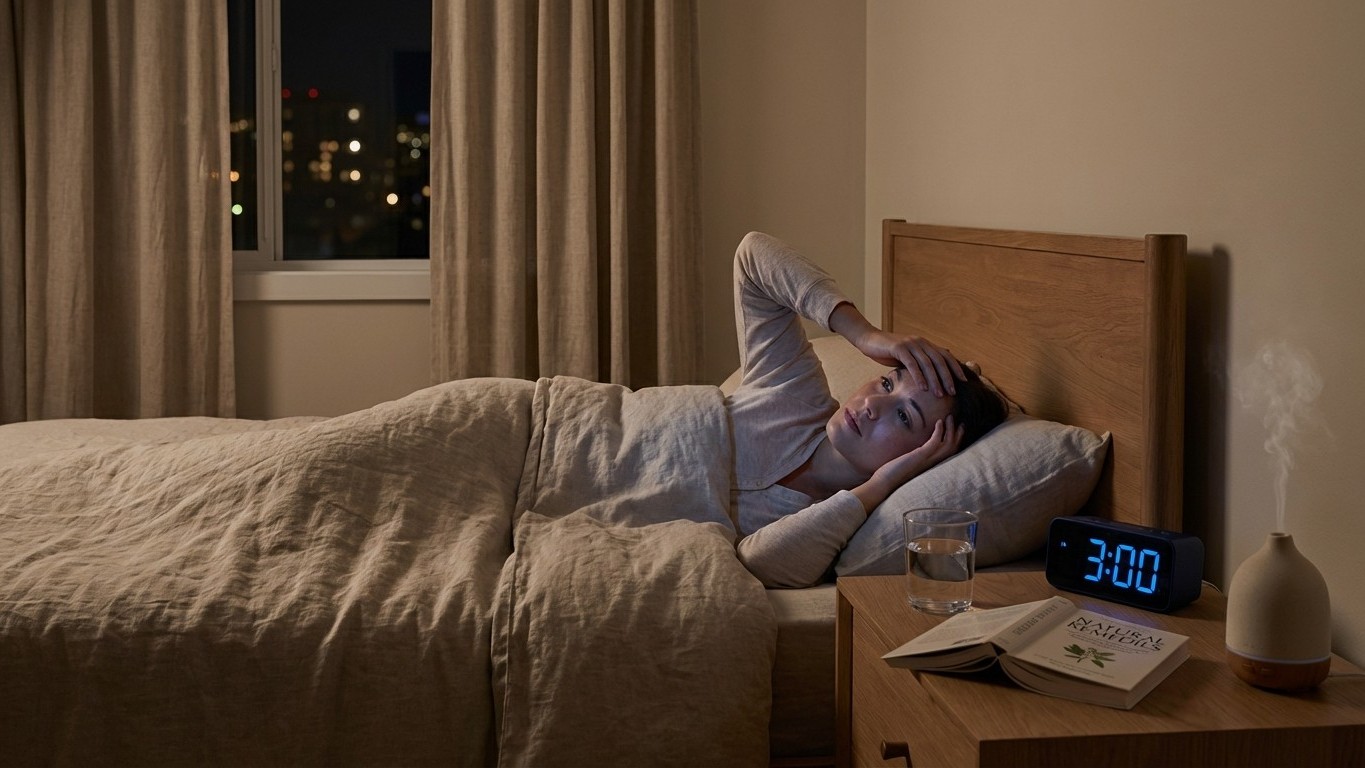
Waking up at 3 am can feel oddly specific. You glance at the clock, your heart sinks, and your mind starts scanning for reasons, work stress, hormones, that late glass of wine, the room feeling too warm. The timing is not mystical, but it is common, and it can become anxiety-provoking because repetition trains your brain to expect it. The good news is that many people can reduce these wake-ups with practical, non-medicated steps once they understand what is driving them.
This guide focuses on natural remedies for waking up at 3am, with clear explanations, a quick self-check, and actions you can take both in the moment and over the longer term. It is written for February 2026 realities, busy schedules, high screen exposure, and widespread stress, while staying grounded in what sleep Science consistently shows.
Why do we wake up at 3 am? Common causes
Physiological causes: sleep cycles and your body clock
Most adults cycle through sleep stages roughly every 90 Minutes, although the exact pattern varies. Later in the night, sleep tends to become lighter, with longer periods of REM sleep and more frequent brief awakenings. Often, you do not remember these micro-awakenings. A “3 am wake-up” is frequently just one of these normal arousals that becomes fully conscious because something else nudges you over the threshold, worry, a noise, a hot flush, or needing the loo.
Two biological systems are especially relevant:
- Circadian rhythm (your internal clock), which regulates sleepiness and alertness across 24 hours.
- Sleep pressure (homeostatic drive), which builds the longer you are awake and reduces as you sleep.
By the middle of the night, sleep pressure is lower than at bedtime. That makes it easier for stress, discomfort, light, alcohol metabolism, or a temperature change to wake you.
Emotional and psychological causes (stress, anxiety, night-time rumination)
Stress-related arousal is one of the most common reasons people become fully awake in the middle of the night. You may fall asleep quickly, then wake when your brain “checks in” and starts running through unfinished tasks. If you have experienced repeated 3 am awakenings, your brain can learn the pattern through conditioning, the bed and that time of night become linked with alertness.
Research consistently supports a role for cognitive hyperarousal in insomnia and nocturnal awakenings. Cognitive Behavioural Therapy for Insomnia (CBT-I) remains the best-supported non-drug treatment approach for Chronic insomnia, with multiple systematic reviews showing meaningful improvements in sleep onset and maintenance. CBT-I is not a “quick hack”, but it is highly practical and can be delivered in person or through structured digital programmes in the UK.
If anxiety spikes when you wake, you may find it helpful to read our focused guide on natural sleep remedies for an overview, and the more targeted page on natural remedy for middle of the night anxiety.
Environmental factors (light, noise, temperature, bedroom hygiene)
Small Changes in your environment can disproportionately affect the lighter sleep of the second half of the night. Common triggers around 3 am include:
- Street lighting, phone notifications, or early Morning-habits-secretly-draining-your-energy-start-feeling-refreshed-today/”>Morning-after-a-doctor-s-advice/”>Morning light creeping in.
- Partner movement or snoring, pets jumping on the bed.
- Central heating cycles switching, or the room becoming too warm.
- Dry air, nasal congestion, or a “stuffy” bedroom.
Even brief light exposure can suppress melatonin in some people, especially if it is bright, blue-enriched light. That is why a quick look at a phone screen can make returning to sleep harder than it seems it should.
Medical issues to keep on your radar
Many 3 am awakenings are not caused by illness. Still, it is sensible to watch for patterns that suggest you should speak with a clinician. Common medical contributors to fragmented sleep include:
- Sleep apnoea, often with loud snoring, gasping, morning headaches, and daytime sleepiness.
- Reflux (heartburn), especially after late meals or alcohol.
- Nocturia (waking to urinate), which can be influenced by fluids, caffeine, alcohol, and some conditions or medicines.
- Chronic pain or itching conditions.
- Restless legs sensations or periodic limb movements.
- Mood disorders, including depression, which can be associated with early morning awakening.
- Perimenopause and menopause (andropause-related symptoms in some men), with hot flushes and night sweats.
I cannot diagnose the cause of your awakenings here. If you suspect a medical driver, consult your GP for personalised medical advice and appropriate investigations.
Quick self-check: how to identify the cause of your night waking
A checklist of clues to track for a week
A short, structured log is often more useful than trying to remember how the night felt. For 7 to 10 nights, jot down:
- Time you went to bed and woke up, including the 3 am episode.
- How long you think you were awake (rough estimate is fine).
- Alcohol, caffeine, nicotine, and timing.
- Late exercise, heavy meal, or spicy food in the Evening.
- Bedroom conditions: temperature, noise, light, dryness, partner/pet disruptions.
- Mood before bed (calm, tense, sad, wired) and the first Thought on waking.
- Hot flushes, sweating, palpitations, reflux, pain, cough, blocked nose.
- Toilet trips and fluid intake after dinner.
- Naps and their duration.
Look for repeatable links. A pattern such as “wine with dinner equals waking hot and alert at 3 am” points you towards a clear experiment to run. If wake-ups happen regardless of lifestyle and you are exhausted in the day, that is a different signal.
When to consult a professional
Speak with your GP if any of the following apply:
- Sleep problems persist most nights for more than 3 months.
- You feel unsafe driving or functioning due to sleepiness.
- There are signs of sleep apnoea, loud snoring with choking or gasping.
- You have chest pain, fainting, severe palpitations, or breathlessness at night.
- Low mood, loss of interest, or Worsening anxiety is prominent.
- Night sweats, unexplained weight loss, or other systemic symptoms occur.
- New sleep disruption starts after a medication change.
For symptom-led options you can discuss alongside medical advice, you may also find our page on natural remedies for insomnia helpful.
Immediate natural remedies: what to do when you wake at 3 am
Breathing and relaxation to drop arousal quickly
At 3 am, your goal is not “perfect sleep”. It is lowering physiological arousal so your brain stops scanning for threats and returns to drowsiness. Pick one technique and keep it consistent for at least a week so it becomes familiar.
- Slow breathing: breathe in gently through the nose for about 4 seconds, out for about 6 seconds, for 3 to 5 minutes. The longer exhale tends to support relaxation.
- Progressive muscle relaxation: tense then relax muscle groups from feet to face, keeping the effort mild. This can reduce the “wired body” feeling.
- Body scan: move attention slowly across the body, noticing sensations without trying to change them. If thoughts intrude, label them “thinking” and return to sensation.
If you are prone to panic-like sensations on waking, keep the lights low and remind yourself that a surge of adrenaline can feel intense yet pass within minutes.
Herbal teas and gentle options (camomile, passionflower, lemon balm)
Warm, non-caffeinated drinks can be soothing, but they are not always the best choice at 3 am if you are prone to needing the toilet. If you do try a drink, keep it small and sip slowly.
- Camomile: traditionally used for relaxation, with modest evidence for sleep quality in some studies. Effects vary.
- Lemon balm (melissa): often used for mild anxiety and restlessness.
- Passionflower: sometimes used for sleep and anxiety, evidence is mixed and product quality varies.
Herbal products can interact with medicines and are not suitable for everyone, especially in pregnancy, breastfeeding, or if you take sedatives. If you are unsure, ask a pharmacist or your GP.
Managing stress and night-time anxiety in the moment
Rumination tends to intensify in the quiet hours. The trick is to avoid negotiating with your thoughts in bed. Practical strategies I like include:
- The “parking” note: keep a notepad by the bed. Write one line about the worry and one line about the next action (even if it is “review tomorrow at 10:00”). Then stop.
- Neutral mental content: choose a low-stakes topic, such as listing countries, recalling a familiar story, or imagining a calm route you know well. It should be mildly engaging but not stimulating.
- Clock avoidance: turn the clock face away. Checking the time can trigger performance anxiety about sleep.
If anxiety is a recurring driver, the dedicated guide on natural remedy for middle of the night anxiety goes deeper into tools that reduce spiralling.
Prevent 3 am wake-ups: natural solutions for the longer term
Evening routine and sleep hygiene (food, screens, temperature, wind-down)
Sleep hygiene is not a cure for every case, but it sets the conditions for sleep to be stable. Focus on a few high-impact behaviours rather than trying to “optimise” everything at once.
- Keep a consistent wake time, including weekends. This anchors circadian rhythm more effectively than a strict bedtime.
- Screen boundaries: aim to reduce bright screens in the last hour, or at least dim them and avoid emotionally loaded content. Light and mental stimulation both matter.
- Alcohol: it can shorten time to fall asleep but often fragments the second half of the night. If 3 am waking is frequent, trial 2 to 3 weeks without alcohol and reassess.
- Caffeine timing: caffeine’s half-life is often quoted around 5 hours, but sensitivity varies. Many people sleep better keeping caffeine to the morning.
- Late meals: heavy or spicy food close to bed can worsen reflux and raise body temperature. A lighter, earlier dinner helps some people.
- Bedroom temperature: many sleepers do well in a cool room. Consider breathable bedding and avoid overheating.
For strategies specifically aimed at keeping sleep consolidated, see how to stay asleep naturally.
Natural supplements: what may help, and precautions
Supplements can be useful for some people, but they are not risk-free and quality control varies. If you are pregnant, breastfeeding, have a long-term condition, or take regular medication, check with your GP or pharmacist before starting anything.
- Magnesium: may support sleep in people with low intake or deficiency, and may help muscle tension. Evidence for insomnia is mixed, and gastrointestinal side effects can occur with some forms.
- Glycine: some small studies suggest potential benefits for subjective sleep quality. Doses and long-term data are less robust than for behavioural approaches.
- L-theanine: may promote relaxation and Reduce Stress responses in some people, though evidence for sleep maintenance varies.
- Valerian: commonly used, with mixed study results and variable preparations. It can cause vivid dreams or grogginess in some.
- Melatonin: in the UK it is generally prescription-only for many uses. It can help circadian-related sleep issues for some people, but it is not a universal fix for 3 am waking.
My clinical editorial view: if you are waking at 3 am due to stress and conditioned arousal, supplements often have a smaller impact than a structured wind-down, consistent wake time, and CBT-I style techniques. They can still play a supporting role when used thoughtfully.
Night-time environment tweaks (light, noise, air quality)
Make the bedroom boring, dark, and predictable. Small investments in comfort can pay off if they remove repeated triggers.
- Light control: blackout curtains or a well-fitted sleep mask can reduce early light and street glow.
- Noise: if sudden sounds wake you, consider consistent background noise (for example, a fan) rather than silence, which makes each creak stand out.
- Air and nasal comfort: ventilate the room, consider humidity if you wake dry-mouthed, and address allergies with professional advice.
- Phone boundaries: keep the phone out of reach, with notifications off. If you need an alarm, use a simple clock.
Natural remedies by profile
For stress, anxiety, or rumination (with internal links)
If your 3 am wake-up comes with a surge of thoughts, focus on approaches that retrain the association between night waking and alertness:
- Use the notepad “parking” method consistently for two weeks, and schedule a short worry-review window in daylight.
- Practise a relaxation technique once daily when calm. It works better at 3 am if your brain already knows the pathway.
- Consider a CBT-I approach, especially if you spend long periods awake in bed.
For tailored symptom pathways across different types of insomnia, visit natural remedies for insomnia. If the emotional spike is the main feature, the guide to natural remedy for middle of the night anxiety is the most relevant. If you mainly struggle with staying asleep, how to stay asleep naturally lays out practical consolidation strategies.
Perimenopause, menopause, and hormonal changes
Hormonal shifts can increase night waking through temperature dysregulation, hot flushes, and mood changes. Practical, non-medicated steps include:
- Layer bedding so you can adjust quickly without fully waking.
- Choose breathable nightwear and consider moisture-wicking fabrics.
- Keep the bedroom cooler and reduce alcohol, which can worsen hot flushes for some.
- Build a calming pre-bed routine to reduce baseline arousal.
When symptoms are significant, discuss them with your GP. Effective medical options exist, and it is worth a proper conversation rather than suffering in silence.
Pregnancy-related wake-ups
Pregnancy can bring reflux, frequent urination, discomfort, and vivid dreams. Natural approaches centre on comfort and timing:
- Use supportive pillows to reduce strain and help side-sleeping comfort.
- Eat earlier and avoid reflux triggers where possible.
- Keep fluids sensible in the evening while staying well hydrated earlier in the day.
Because pregnancy changes what is safe, check any herbs or supplements with a midwife, pharmacist, or GP.
Children, adults, and older adults: age-adapted options
- Children: consistent bedtime routine, reassurance without long conversations at night, and avoiding scary content close to bed often help. Persistent night waking should be discussed with a healthcare professional to rule out issues like snoring or eczema discomfort.
- Adults: stress management, alcohol and caffeine timing, and CBT-I principles are often effective when sustained.
- Older adults: lighter sleep is common, and medical contributors like pain, nocturia, or medicines become more relevant. Gentle daytime activity and morning light exposure can help stabilise rhythm.
Common Mistakes and myths about waking at 3 am
What not to do when you wake
- Do not check the time repeatedly. It fuels sleep performance anxiety.
- Avoid scrolling on your phone “until you feel sleepy”. Bright light and novelty keep the brain alert.
- Skip big snacks in the night. It can teach your body to expect feeding at 3 am, and reflux risk rises.
- Try not to problem-solve in bed. If something is truly urgent, keep lights dim, write one action step, then return to relaxation.
If you are awake for a while, many CBT-I protocols suggest getting out of bed briefly and doing something quiet in low light until sleepy, then returning to bed. This can reduce the bed-wakefulness association over time. People vary, though, and safety matters if you are very groggy or at risk of falls.
Myths about fragmented sleep
- Myth: waking at 3 am always indicates a liver problem or a specific organ “time”. Traditional frameworks exist, but from a sleep science perspective, the more consistent explanation is sleep stage distribution plus triggers like stress, temperature, light, alcohol, or reflux.
- Myth: you must get 8 hours unbroken. Many healthy sleepers experience brief awakenings. The aim is feeling restored and functioning well.
- Myth: one bad night ruins your health. Poor sleep is unpleasant, but the body is resilient. What tends to matter is chronic patterns over weeks and months.
Frequently asked questions
What are the natural remedies for falling back asleep after waking at 3 am?
Start with lowering arousal: slow breathing with a longer exhale, progressive muscle relaxation, and keeping lights low. If worries are loud, write a short “parking note” and return to a neutral mental exercise. A small herbal tea can be calming, but keep fluids minimal if you wake to urinate.
Why do I wake up at the same time every night, especially at 3 am?
Sleep is lighter in the second half of the night, and many people briefly wake around similar times due to sleep cycle timing. Repetition can also become learned, if you frequently check the clock, worry, or have a consistent trigger such as alcohol metabolism, a heating cycle, reflux, or a partner’s movement.
Which supplements or plants can reduce night waking?
Some people try magnesium, glycine, L-theanine, valerian, or calming herbs such as camomile or lemon balm. Evidence quality varies, and safety depends on your health and medicines. Discuss supplement choices with a pharmacist or your GP, especially if you are pregnant, breastfeeding, or on prescription medicines.
If I wake at 3 am, should I get up or stay in bed?
If you feel calm and sleepy, staying in bed with a relaxation technique can work well. If you feel wide awake and frustrated for an extended period, getting up briefly in low light for a quiet activity can help reset the association between bed and wakefulness. Avoid bright screens either way.
Action plan: 5 steps to reduce 3 am wake-ups
- Track your pattern for 7 to 10 nights: timing, alcohol, caffeine, late meals, stress, temperature, and symptoms like reflux or hot flushes.
- Choose one in-the-moment routine for 3 am: slow breathing plus a neutral mental exercise, with the clock turned away.
- Run a two-week experiment removing one common trigger, often alcohol, late caffeine, or a too-warm bedroom.
- Anchor your circadian rhythm with a consistent wake time and morning light exposure when possible.
- If the issue persists beyond 3 months or comes with red flags, book a GP appointment and ask about CBT-I style support.
Sources and further reading
- American Academy of Sleep Medicine (AASM): patient resources on insomnia and sleep hygiene.
- NHS: guidance on insomnia, menopause symptoms, and when to seek medical help.
- Systematic reviews and clinical guidance consistently support CBT-I as a first-line non-pharmacological treatment for chronic insomnia, including difficulties maintaining sleep.
Medical disclaimer: This article is for general information and does not replace personalised medical advice. If you have persistent sleep problems, significant daytime sleepiness, or symptoms that concern you, consult your GP.
If you want a broader toolkit beyond 3 am wake-ups, explore our complete hub of natural sleep remedies and consider which single change you can commit to for the next 14 nights, will it be your wake-time anchor, your alcohol experiment, or your new low-light 3 am routine?