Trainers are quietly ditching the heated studio in 2026, and it isn’t because clients have stopped sweating. Search interest data collected for PureGym’s annual fitness report found that ‘Japanese walking’ saw a staggering 2,986 percent surge in interest, making it one of the fastest-growing fitness trends for 2026. Meanwhile the sweltering studios that defined the last decade, think infrared HIIT and 40-degree Pilates, are losing their grip as coaches quietly reprogramme their classes around something calmer, slower and, ironically, better suited to genuinely hot climates than a radiator-heated room in Manchester ever was.
The irony deserves unpacking. For years, “hot workouts” sold themselves on the promise of mimicking tropical conditions. Heated workouts, like hot yoga and hot Pilates, claim to boost flexibility, make your heart stronger and sweat out toxins. Fitness industry analysts now describe a different mood entirely. While the early aughts were defined by a more-is-more cultural obsession with sweat, as seen by the meteoric rise of hot yoga and infrared-heated HIIT classes, the 2026 landscape feels ripe for a cool down as people trade sweltering studios for climate-controlled spaces that support sustainable, year-round performance. Trainers aren’t rejecting heat as a concept. They’re rejecting the idea that more heat equals more benefit, a distinction that actual research from hot countries backs up rather convincingly.
Key takeaways
- Military researchers in 40°C heat found moderate walking outperformed intense training for adaptation
- Japanese walking searches exploded 2,986% in 2026, reshaping gym class schedules worldwide
- The 80/20 training split—mostly gentle work with brief hard efforts—mirrors what elite athletes use in extreme conditions
What science from actually hot places tells us
Real physiological data from military and endurance researchers working in genuinely scorching environments paints a very different picture from the boutique heated-class model. In one study, thirty French soldiers arriving at a base in the United Arab Emirates, where conditions sat around 40°C, followed a short, structured programme rather than pushing at full intensity. The training group performed a short, five-day, progressive, moderate aerobic training program upon arriving at their base in United Arab Emirates, around 40°C and 12% relative humidity. The result wasn’t burnout, it was faster, safer adaptation. Adding short, daily, moderate-intensity training sessions during a professional mission in a hot and dry environment accelerated several heat-acclimatization-induced changes at rest and during exercise in only 5 days.
This mirrors what heat physiologists have long used in laboratory settings. Researchers studying how runners cope with brutal heat rely on a deliberately unglamorous method. One method Kenefick uses in studies is steady, low-intensity exercise in the heat, and the protocol itself is almost absurdly simple: typically, people walk for a hundred minutes every day for 10 days. No 35°C spin class, no infrared panels blasting your quads into submission, just measured, repeatable walking. That’s the actual method born from studying people who live and work in the world’s hottest environments: pace yourself, keep intensity low, let the body’s cardiovascular system do the adapting rather than forcing it through brute sweat.
The walking method taking over gym timetables
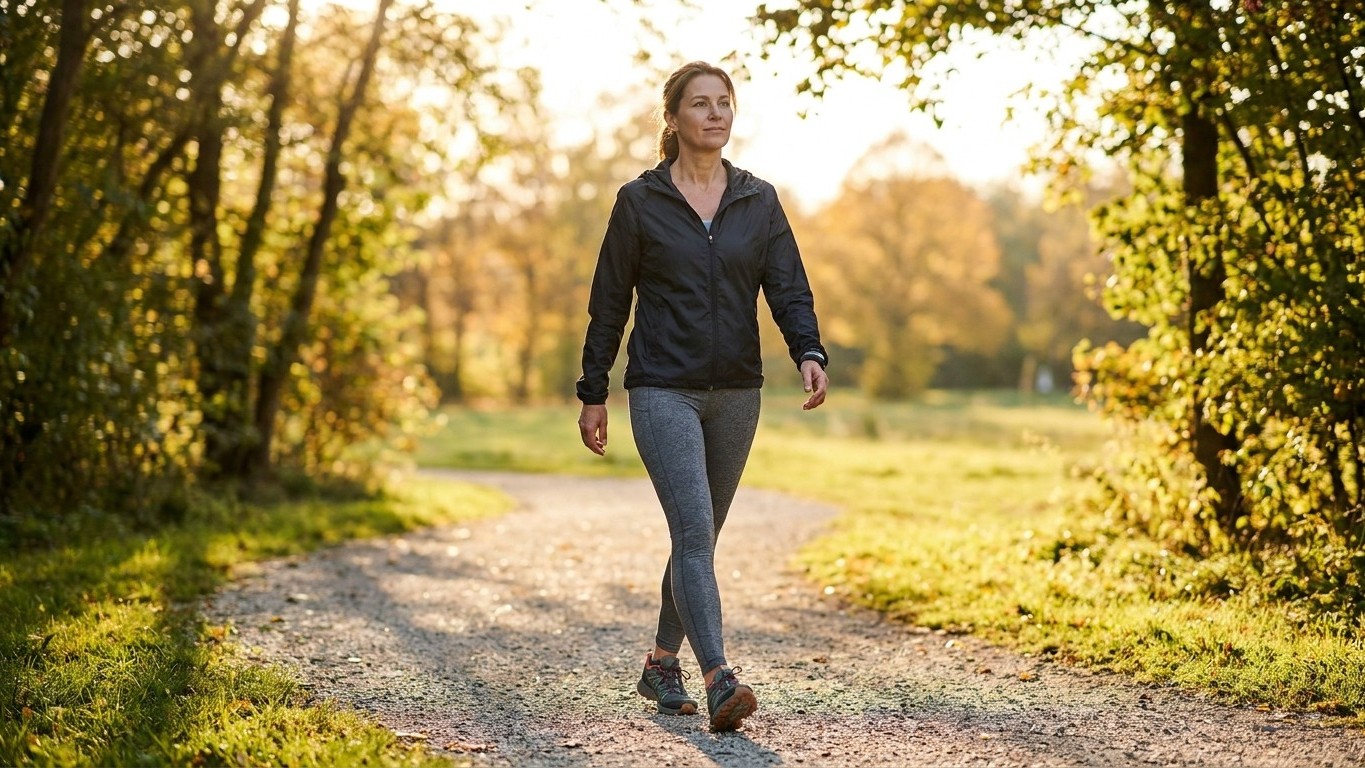
Back on the gym floor, this translates into interval walking protocols that trainers are now building entire sessions around. The approach behind the surging “Japanese walking” trend has genuine research pedigree rather than a TikTok origin story. Though TikTok may be responsible for the recent resurgence of this workout method, its origins date back to a study published in 2007 by researchers at Shinshu University in Japan, hence the zeitgeist-friendly name Japanese walking. The format alternates brisk and gentle walking in short blocks, giving cardiovascular benefits comparable to harder sessions without tipping the body into heat stress or joint strain.
What’s notable is how this fits a much broader recalibration among coaches this year. Several trend reports point to the same underlying principle: less punishment, more precision. One 2026 fitness overview describes a strict effort distribution model gaining traction among coaches, where the trend is slowing down to speed up, with the Polarised Training model dictating a strict distribution of effort: 80% Low Intensity, building the aerobic engine and capillary networks. That 80/20 split, mostly gentle work punctuated by brief harder efforts, is essentially the gym-floor translation of what heat physiologists have been prescribing for soldiers and endurance athletes for years.
Why the heated class isn’t disappearing without reason
None of this means every heated studio is doomed, but the caution flags are real and worth repeating. Sports medicine physicians have been increasingly vocal about the downside of chasing extreme heat for its own sake. As hot workouts become more popular, we’re also starting to see more people who experience negative effects from them, notes Dr Joseph Medellin, a sports medicine physician quoted by Henry Ford Health. The bigger risk isn’t discomfort, it’s genuine heat illness. It’s also possible to experience heat illness when doing hot workouts, which occurs when your core body temperature rises faster than the body is able to cure itself. Anyone with cardiovascular conditions, diabetes or difficulty regulating body temperature should have a conversation with their GP before attempting heated classes, and that’s not a throwaway caveat, it’s a genuine clinical recommendation.
Practically, adopting the low-heat, steady-effort method at home is straightforward. Try alternating three minutes of brisk walking with three minutes of easy strolling for twenty to thirty minutes, ideally outdoors in the cooler parts of the day if temperatures are climbing. Weather advisories back this timing choice specifically: the early morning and evening hours are typically the best times for exercise, offering lower air temperatures and less direct, intense sunlight, giving your body a much better chance to regulate its temperature. Add hydration before you feel thirsty, not after, and you’ve essentially recreated the same low-intensity, heat-smart principle that keeps soldiers functioning in the Gulf and marathoners surviving Middle Eastern summer races. Not a bad blueprint to borrow for a Tuesday evening walk around the park.
Worth remembering: the same UAE-based research found something counterintuitive about intensity itself. Rather than high-effort intervals producing faster adaptation in extreme heat, it was the moderate, sustained sessions that delivered measurable physiological change within days, a detail that quietly undercuts decades of “no pain, no gain” gym culture.
Sources : fitnessai.com | nasm.org