
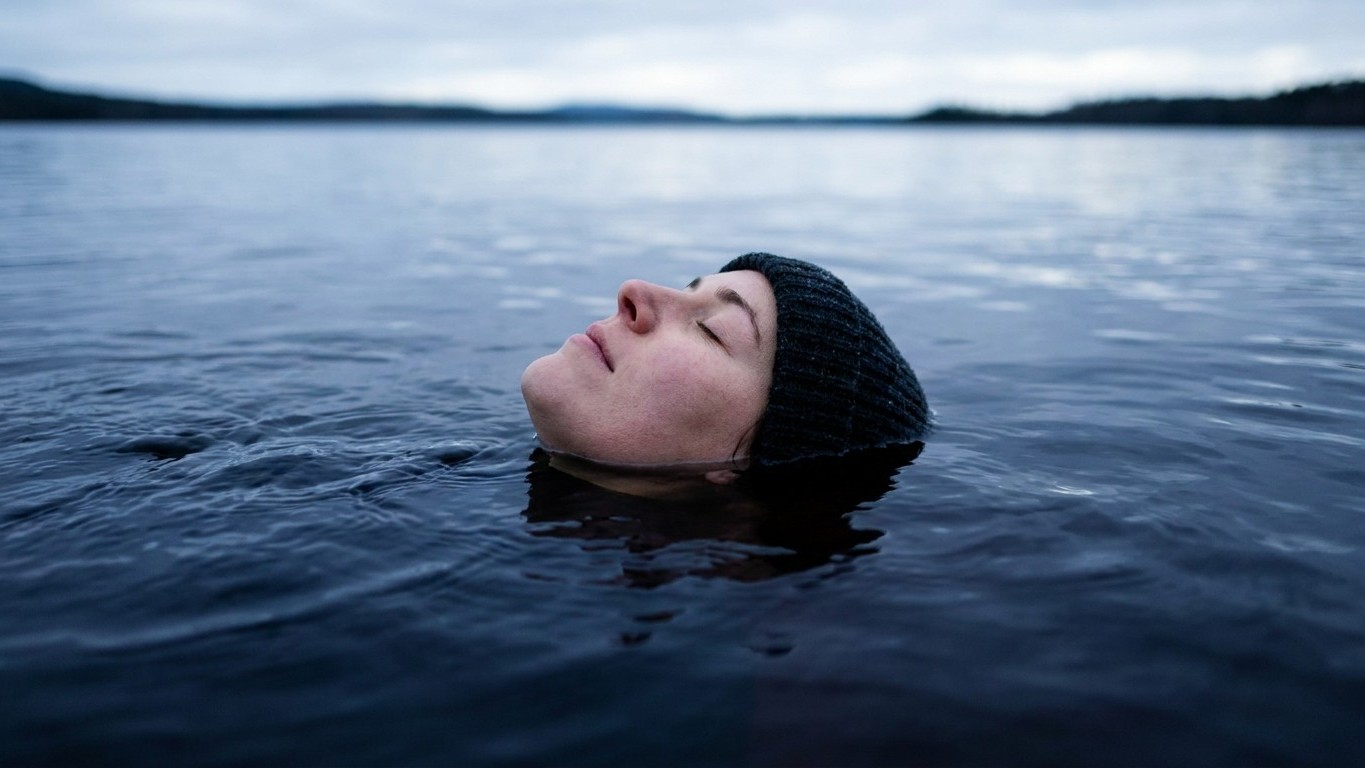
Cold water shock kills people who could otherwise swim perfectly well. Below 15°C, the instinct to strike out for the nearest bank or beach is precisely the wrong move, and RNLI lifeboat crews want the public to unlearn it. Floating after falling into the sea rather than trying to swim, is more likely to ensure your survival, a new RNLI campaign says. The advice sounds almost too simple to work. It works anyway.
The physiology explains why. Cold water shock causes the blood vessels in the skin to close, which increases the resistance of blood flow. Heart rate is also increased. As a result the heart has to work harder and your blood pressure goes up. Cold water shock can therefore cause heart attacks, even in the relatively young and healthy. On top of that cardiovascular strain, the sudden cooling of the skin by cold water also causes an involuntary gasp for breath, and breathing rates can change uncontrollably, sometimes increasing as much as tenfold, contributing to a feeling of panic that increases the chance of inhaling water directly into the lungs. It’s a genuinely alarming statistic worth repeating: it only takes half a pint of sea water to enter the lungs for a fully grown man to start drowning. None of this has anything to do with fitness or swimming ability, either. A strong swimming ability will have no impact on your body’s involuntary response to cold water shock. That’s the counterintuitive bit. An Olympic-standard swimmer and a complete novice are, in the first minute, in exactly the same amount of danger.
Key takeaways
- A simple technique practiced by rescue crews contradicts everything our instincts tell us to do
- Cold water shock affects elite athletes and non-swimmers identically in the first critical minute
- One man survived 25 minutes in the Thames using this single piece of advice
Why 15°C is the threshold that matters
The figure isn’t arbitrary. Anything below 15°C is defined as cold water and can seriously affect your breathing and movement, so the risk is significant most of the year, and the effect on the body of entering water at this temperature is often underestimated. Given that average UK and Ireland sea temperatures are just 12°C, and that the colder the water and air temperature, the quicker you cool down, so the colder it is, the less time you should spend in the water, this isn’t a niche winter-dipper’s problem. It applies to a swim off a British beach in July as readily as one in January. Research from the University of Portsmouth has pinpointed exactly where the danger peaks: Professor Tipton’s research revealed the main problem is actually cold shock, which peaks in water temperatures between 10-15°C. That’s more or less the entire operating range of UK coastal and inland waters, year-round.
The research behind the current guidance came from proper trials, not guesswork. The RNLI along with Professor Mike Tipton MBE from the University of Portsmouth conducted floating trials with over 80 people, to understand more about how people float to further inform the advice. What they found challenged the instinctive response most of us would default to. As Tipton put it, “the instinctive human reaction on immersion in cold water is a potential killer as this can cause panic and thrashing around, increasing the chances of breathing in water.” Thrashing also works against you in a second, less obvious way: it lets trapped air escape from clothing, reducing buoyancy, so the very clothes that might have kept you afloat start dragging you down instead.
What the float actually looks like
The technique the RNLI teaches is deliberately simple, designed to be recalled under panic. Tilt your head back, with your ears submerged. Relax and try to breathe normally. Move your hands and legs to help you stay afloat if you need to. That’s it. No complicated arm patterns, no need to orient yourself towards shore. By doing this, you give yourself the chance to rest and recover your breathing, and once you’ve regained control of your breathing, you can call for help or swim to safety.
Timing Matters More Than most people realise. The RNLI’s advice is to float for around 60 to 90 seconds, the time it takes for the effects of the cold water shock to pass and for you to regain control of your breathing. A minute and a half feels like a long time when you’re gasping and disoriented, which is exactly why the campaign hammers the message so relentlessly. If floating doesn’t come naturally at first, there are small adjustments that help. Clothing can provide natural buoyancy for the first few minutes, gentle movement helps you float, and practising your floating technique in a pool builds the muscle memory before it is ever needed. That last point, practising in the calm, controlled environment of a local pool, is something almost nobody does but genuinely should. Under real panic, you fall back on what your body already knows, not what you’ve read.
The scale of the problem the campaign is trying to shift is sobering. In 2024, there were 193 accidental drowning fatalities and 84% were male, with males aged 20 to 29 the highest group for accidental drowning fatalities. Crucially, most of these were never planned swims at all. The seas around our coasts are cold enough year-round to trigger cold water shock, while waves and rip currents can overpower even the most experienced water users, and many people who end up in danger at the coast every year never planned to enter the water. That’s the group this advice is really aimed at: dog walkers, anglers, people taking a shortcut along rocks, anyone who could end up in the water without ever intending to swim a stroke.
Beyond the float
Floating buys time, it doesn’t replace preparation. Acclimatise slowly, never jump straight in as this can lead to cold water shock, walk in slowly and wait until your breathing is under control before swimming; be seen by wearing a brightly coloured swim cap and consider using a tow float; stay in your depth and swim parallel to the shore; and call 999 or 112 and ask for the Coastguard if you get into difficulty. If you spot someone else struggling, resist the urge to wade in yourself. Do not enter the water yourself as you could also end up in serious difficulty; instead, remember phone, float, throw: phone 999 or 112 and ask for the Coastguard, tell the struggling person to float, and throw them something buoyant, like a life ring.
One real case shows how this plays out when it actually matters. A 24-year-old man was pulled from the River Thames with help from the crew at the RNLI Tower lifeboat station, and using the RNLI’s advice, the survivor was able to stay alive in the water for 25 minutes until he was rescued. Twenty-five minutes floating on his back, in a tidal river, having gone in expecting nothing more than a swim. That’s the gap this single piece of counterintuitive advice can fill between a near-miss and a tragedy. If you take one thing from this piece for your next trip to the coast, make it that: when you hit cold water unexpectedly, lean back before you do anything else. Consult your GP before taking up regular open water swimming if you have any underlying heart or respiratory conditions, since cold water shock carries real cardiac risk regardless of fitness level.
Sources : feeds.bbci.co.uk | rnli.org