
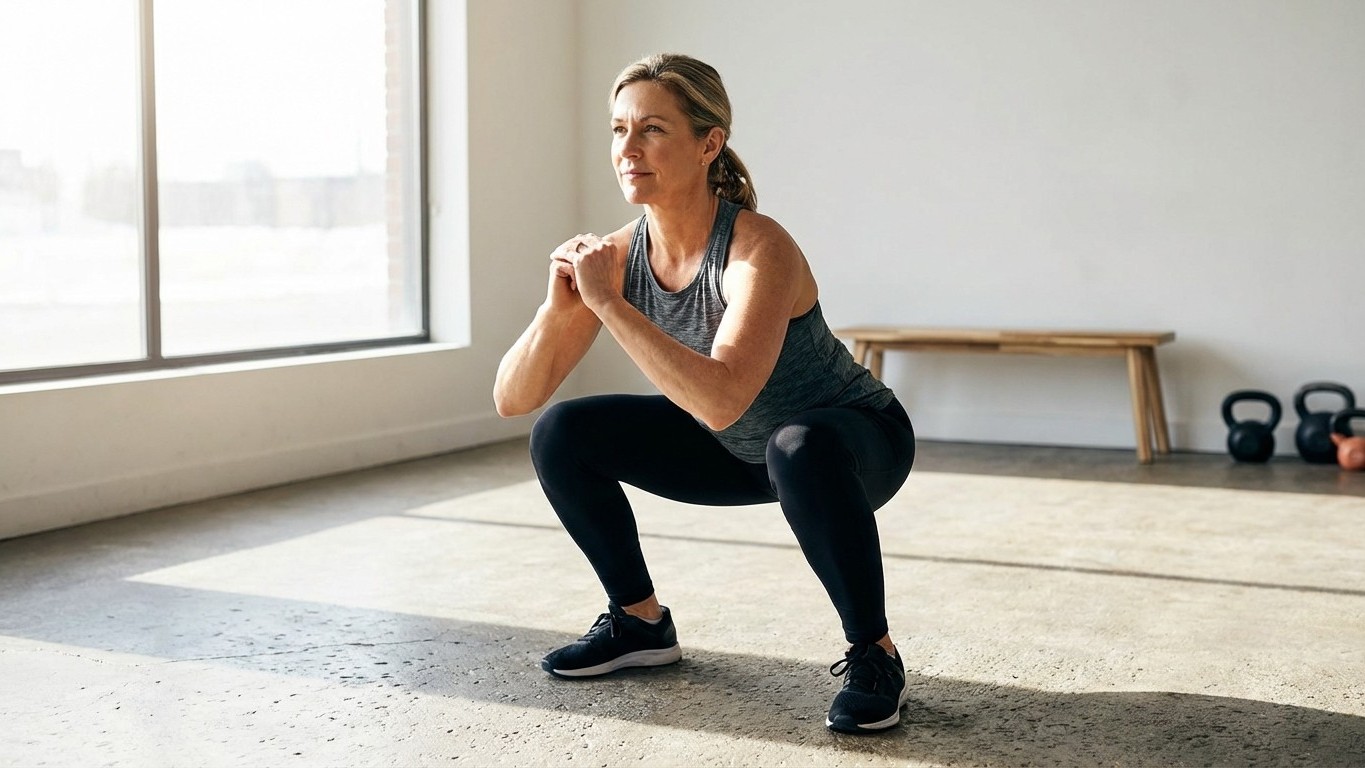
Embarking on a strength training journey after 40 can be transformative for women, offering a multitude of health benefits that extend well beyond physical appearance. This shift isn’t merely about aesthetics; it’s about fostering longevity, enhancing quality of life, and embracing a proactive approach to health.
Key takeaways
- Why strength training is crucial for women over 40’s health and longevity.
- Common myths holding women back from effective strength workouts.
- Practical tips to safely integrate strength training into your routine.
Understanding the Importance of Strength Training Post-40
As women age, they naturally experience a decline in muscle mass, a process known as sarcopenia. This loss can lead to decreased strength, balance issues, and a slower metabolism. Engaging in regular strength training can counteract these effects by preserving and even building muscle mass. lifemd.com
Moreover, strength training plays a crucial role in bone health. Post-menopausal women are at an increased risk of osteoporosis due to declining estrogen levels. Weight-bearing exercises, such as resistance training, stimulate bone formation and can increase bone density, thereby reducing the risk of fractures. lifemd.com
Getting Started: Safe and Effective Strategies
Initiating a strength training regimen after 40 requires a thoughtful approach to ensure safety and effectiveness. Here are some key strategies to consider:
1. Begin with Body Weight Exercises: Starting with exercises that use your own body weight, such as squats, lunges, and push-ups, allows you to focus on form and build a solid foundation before introducing external weights. healthline.com
2. Prioritise Proper Form: Correct technique is paramount to prevent injuries. Consider working with a certified personal trainer who can guide you through movements and ensure you’re performing exercises correctly. healthline.com
3. Gradually Increase Intensity: As your strength improves, progressively add resistance through weights or resistance bands. This gradual progression helps your muscles adapt and grow stronger over time. prescriptionchamber.com
4. Allow Adequate Recovery: Muscles need time to repair and grow after workouts. Ensure you have rest days between strength training sessions to facilitate recovery and prevent overtraining. healthline.com
5. Incorporate Balance and Core Work: Exercises that enhance balance and core stability, such as planks and stability ball exercises, are essential for overall functional fitness and injury prevention. prescriptionchamber.com
Overcoming Common Misconceptions
Many women hesitate to engage in strength training due to prevalent myths. One common concern is the fear of becoming “bulky.” In reality, women typically lack the testosterone levels necessary to develop large muscles; instead, strength training leads to a leaner, more toned physique. healthline.com
Another misconception is that strength training is unsafe for older adults. On the contrary, when performed correctly, it can improve joint health, enhance mobility, and reduce the risk of chronic diseases. lifemd.com
Integrating Strength Training into Your Routine
Incorporating strength training into your lifestyle doesn’t require hours at the gym. The NHS recommends adults engage in activities that strengthen muscles on at least two days a week. nhs.uk
For those with busy schedules, the “2-2-2 workout” offers an efficient solution: two workouts per week, two sets per session, and two days of rest between sessions. This method provides full-body strength training Without overwhelming time commitments. womanandhome.com
Remember, consistency is key. Establishing a Routine that fits your lifestyle and preferences will enhance adherence and long-term success.
Embracing the Journey
Starting strength training after 40 is not just about physical transformation; it’s about empowering yourself to lead a healthier, more vibrant life. By taking proactive steps today, you’re investing in your future well-being, ensuring that you remain strong, independent, and capable for years to come.
As with any new exercise programme, it’s advisable to consult with your GP or a healthcare professional before beginning, especially if you have existing health conditions or concerns.
Embrace this chapter with confidence and enthusiasm, your body and mind will thank you.