
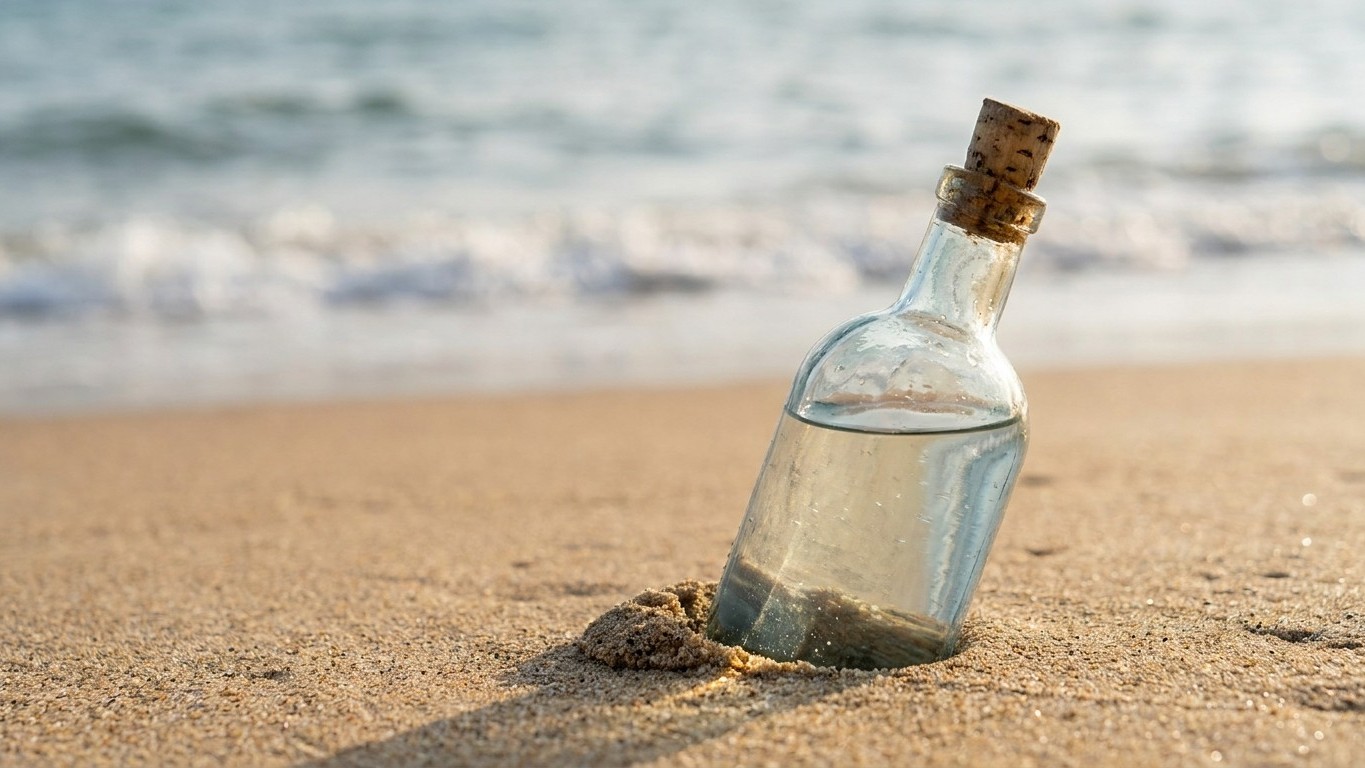
He tops it up fresh from the sea each morning, seals the cap tight, and tucks it into the front pocket of his kit bag alongside the whistle and stopwatch. The seawater isn’t for washing sand off his feet. It’s his first line of defence against jellyfish and other stinging sea creatures, because official first aid guidance in the UK is unambiguous: if someone gets stung, seawater goes on the skin, not tap water.
That single instruction, backed by the NHS, sounds almost too simple to matter. But the science behind it explains why a coach who spends his summers poolside and coastal at the same time treats a bottle of brine like part of his emergency kit.
Key takeaways
- Fresh water triggers dormant jellyfish stingers to fire and release more venom—seawater prevents this
- UK jellyfish sightings jumped 32% in recent years, with August marking peak danger season
- The correct treatment sequence involves seawater rinse, spine removal, and 30+ minutes of hot water soaking
Why fresh water turns a mild sting into a worse one
Jellyfish tentacles are covered in microscopic capsules called nematocysts, and not all of them fire on contact. Some remain dormant on the skin after the initial brush, primed and ready. Rinsing with seawater is recommended, while fresh water should never be used because it triggers any stingers still on the skin to fire, releasing more venom. The change in osmotic pressure between fresh water and the salt concentration the nematocysts are calibrated for is enough to set them off, essentially reloading and firing a weapon that had already been spent.
Laboratory testing backs this up rather neatly. Solutions including acetic acid, ammonia, and meat tenderiser caused immediate nematocyst discharge when tested against tentacle samples, while little or no discharge occurred after seawater, lidocaine, or sodium bicarbonate solutions. Seawater, is one of the few things you can pour on a sting without accidentally making it angrier. That’s a strange bit of chemistry to build a habit around, but it’s exactly why a sealed, uncontaminated bottle is worth the space in a beach bag when the nearest tap is a hundred metres up the promenade and the only other water on hand might be from a bottle that’s been sitting warm and unsealed since breakfast.
What proper first aid actually looks like
The full sequence recommended by NHS guidance is worth knowing by heart if you spend any time in open water during summer. If help is not available, you should rinse the affected area with seawater, not fresh water, remove any spines from the skin using tweezers or the edge of a bank card, and soak the area in very warm water, as hot as can be tolerated, for at least 30 minutes. Painkillers such as paracetamol or ibuprofen help with the residual ache afterwards.
A few things people still get wrong deserve a mention. Ice packs feel instinctively right for any sting or burn, yet you should not apply ice or a cold pack, and you should not touch any tentacles or spines with your bare hands. Bare fingers can trigger the very nematocysts you’re trying to avoid, which is why the coach also keeps a cheap pair of tweezers rattling around next to the bottle. And yes, the old playground wisdom about urine works about as well as you’d expect: you should not pee on a jellyfish sting. It’s harmless folklore, not medicine, and diluted urine does nothing useful once it hits the skin.
Heat is doing the real work in the second half of the treatment. Warmth denatures the proteins in the venom, which is why soaking in water as hot as can be comfortably borne, rather than lukewarm, brings faster relief than a cold compress ever will. It’s counterintuitive advice for anyone raised on the idea that swelling always calls for ice, which might explain why so many beachgoers still reach for the cool box instead of a flask of hot tea.
Why this matters more in August specifically
Timing isn’t incidental to this habit. UK waters see their heaviest jellyfish activity through the warmer months, and recent seasons have brought noticeably more of them. Jellyfish sightings in UK waters and on its beaches increased by 32% over the past year according to a survey conducted by the Marine Conservation Society, with the majority reported on the UK’s west coasts, particularly in Cornwall and Wales. Barrel jellyfish, lion’s mane, and the occasional Portuguese man o’ war have all turned up in these counts, and researchers link the surge partly to warming seas. A marine heatwave increased UK water temperatures by about 3-4C, and in August, oceans hit their highest global average temperature on record. Warmer coastal water in summer doesn’t just make for a more pleasant swim, it also happens to suit the animals most likely to sting you.
Species matters too, since not every sting responds identically to every treatment. Vinegar can be applied to stop further nematocyst firing on most jellyfish stings, but it shouldn’t be used for Portuguese man-of-war stings, as it can cause more venom to be released. That’s precisely why seawater remains the safest default across species found around British coasts. Nobody standing on a beach with a sting on their leg has time to identify which jellyfish did it, and seawater doesn’t require that guesswork.
A habit worth copying, even without the whistle round your neck
None of this requires specialist kit. A clean, sealable bottle, filled with seawater at the start of a swim session and kept out of direct sun so it doesn’t turn tepid and stagnant by afternoon, does the job. The coach swaps his out daily rather than letting it sit for a week, partly for cleanliness and partly because a jellyfish season that runs from spring into autumn means the risk never really disappears once the water warms up. If you swim regularly along an exposed coastline this summer, particularly anywhere barrel or lion’s mane jellyfish have been reported nearby, it’s a five-second habit that costs nothing and occasionally saves an afternoon. As always, if a sting causes severe pain, spreads rapidly, or comes with breathing difficulties, seawater and tweezers are no substitute for a trip to A&E or a call to 999, and your GP remains the right person to consult for anything beyond routine first aid.
Sources : mcsuk.org | feeds.bbci.co.uk