
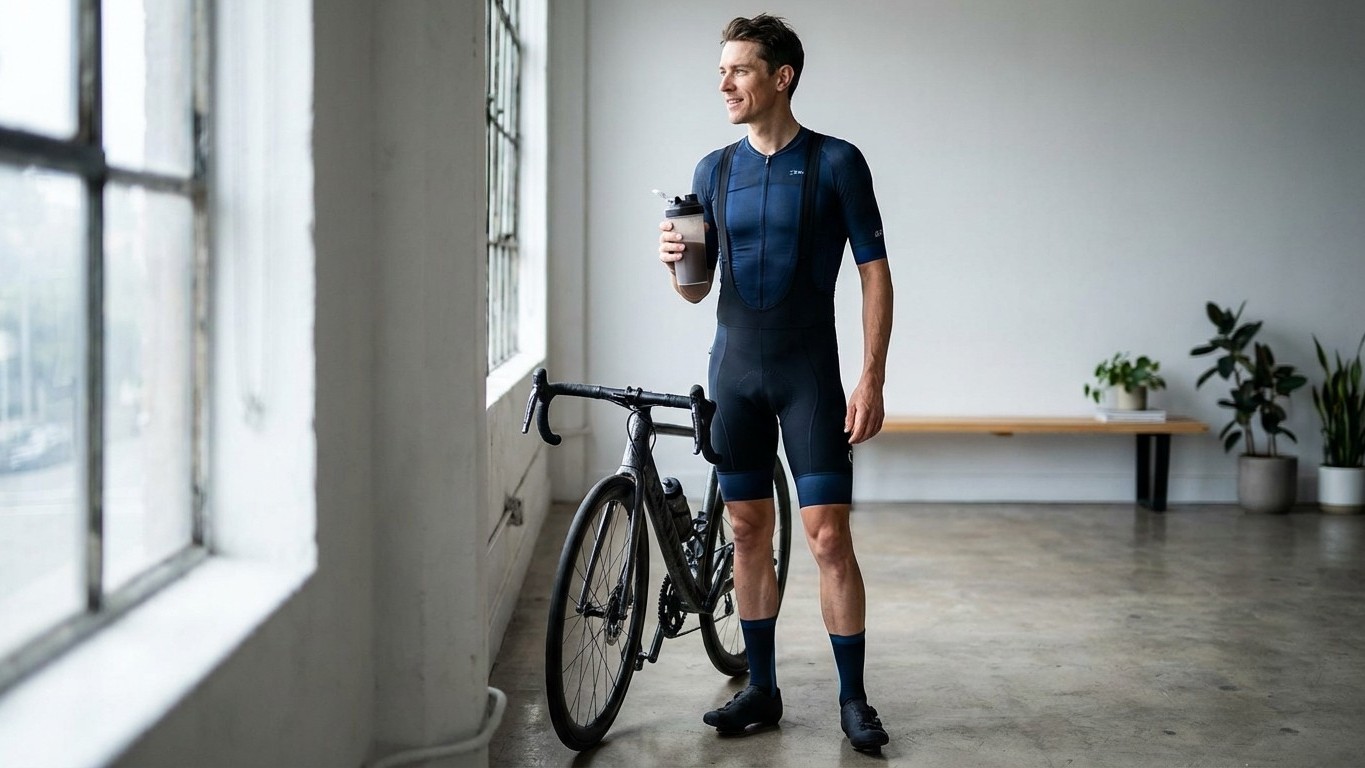
Professional cyclists endure training loads that would crush most mortals. Yet they bounce back day after day, sometimes racing for three weeks straight through mountain stages that leave recreational riders gasping for breath. Their secret isn’t just genetic superiority or sophisticated equipment, it’s a meticulous approach to recovery that treats rest as seriously as training itself.
The difference between elite athletes and weekend warriors often lies not in how hard they push, but in how intelligently they recover. While you might collapse on the sofa after a tough ride, professional cyclists follow structured protocols that optimise every aspect of their body’s repair process. These aren’t just fancy rituals for show, they’re scientifically-backed strategies that can dramatically improve your own Fitness journey.
Key takeaways
- Why the first 60 minutes after your ride might be the most critical for your entire recovery
- The unexpected reason elite athletes sleep in cold rooms—and what temperature science says about performance
- How ‘easy’ cycling sessions actually work harder than you think to flush out fatigue
The Sacred Hour: Immediate Post-Ride Protocols
Within Minutes of crossing the finish line, elite cyclists begin what sports scientists call the “golden hour” of recovery. Their bodies are primed to absorb nutrients and begin repair, but this window closes quickly. Professional teams have perfected this immediate response down to a precise choreography.
Temperature manipulation sits at the heart of their approach. Contrast therapy, alternating between hot and cold treatments, triggers a vascular response that flushes metabolic waste from tired muscles while delivering fresh, oxygenated blood. Many pros swear by ice baths followed by warm showers, a practice that might make you wince but delivers remarkable results. The cold constricts blood vessels, pushing out inflammatory compounds, while the subsequent warmth dilates them again, rushing in healing nutrients.
Nutrition timing proves equally critical. Elite cyclists consume a specific ratio of carbohydrates to protein (typically 3:1 or 4:1) within thirty minutes of finishing their ride. This isn’t about satisfying hunger, it’s about maximising muscle glycogen replenishment and kickstarting protein synthesis for muscle repair. A simple glass of chocolate milk often outperforms expensive recovery drinks, providing the perfect nutrient combination in an easily digestible form.
Sleep: The Ultimate Performance Drug
Professional cyclists treat sleep with the reverence others reserve for training sessions. They understand what research consistently demonstrates: sleep deprivation can undo weeks of careful training adaptations. Elite athletes average eight to ten hours nightly, but quantity alone doesn’t tell the complete story.
Temperature regulation transforms ordinary sleep into recovery gold. Many pros keep their bedrooms between 16-18°C, matching the conditions that promote deep sleep phases where growth hormone peaks and cellular repair accelerates. Some invest in cooling mattress toppers or use bedroom fans to maintain optimal conditions year-round.
Light management extends beyond simple darkness. Professional cyclists often wear blue-light blocking glasses in the evening and use blackout curtains or eye masks. Their morning routines typically involve bright light exposure within the first hour of waking, helping to regulate circadian rhythms that govern recovery hormones. This might seem obsessive, but the performance gains from optimised sleep patterns can rival those from months of additional training.
Active Recovery: Moving to Heal
Contrary to popular belief, complete rest rarely features in elite recovery protocols. Professional cyclists embrace active recovery, gentle movement that promotes blood flow without adding training stress. These sessions look deceptively easy but serve crucial physiological purposes.
Easy spinning on recovery days maintains what exercise physiologists call “vascular flow.” Low-intensity pedaling acts like a gentle pump, encouraging circulation through tired muscles and helping clear metabolic byproducts that accumulate after hard efforts. The key lies in restraint, these rides should feel almost too easy, staying well below the intensity where additional training stress occurs.
Mobility work occupies another cornerstone of professional recovery routines. Dynamic stretching, yoga flows, and targeted exercises address the repetitive stress patterns that cycling creates. Hip flexor stretches counteract hours spent in the cycling position, while thoracic spine mobility work opens up the chest and shoulders. These sessions aren’t just injury prevention, they maintain the range of motion necessary for efficient pedaling mechanics.
Mental Recovery: Training the Mind to Rest
Perhaps the most overlooked aspect of elite recovery involves mental restoration. Professional cyclists face enormous psychological pressure, and their recovery protocols address stress management with the same precision applied to physical recovery. Meditation, breathing exercises, and mindfulness practices aren’t new-age additions, they’re performance tools backed by solid science.
Controlled Breathing techniques help shift the nervous system from its stressed, sympathetic state toward the parasympathetic mode where recovery occurs. Simple practices like box breathing (four counts in, hold for four, out for four, hold for four) can measurably reduce cortisol levels and improve heart rate variability, key markers of recovery status.
The beauty of these elite protocols lies in their adaptability. You don’t need a professional support team or unlimited budget to implement these strategies. A cold shower after your ride, a glass of chocolate milk, consistent sleep times, and ten minutes of gentle stretching can transform your Recovery as effectively as any expensive treatment.
The real revelation isn’t that professional cyclists have access to better recovery methods, it’s that they treat recovery as an integral part of training rather than an afterthought. What aspects of your current routine could benefit from this same methodical approach?