
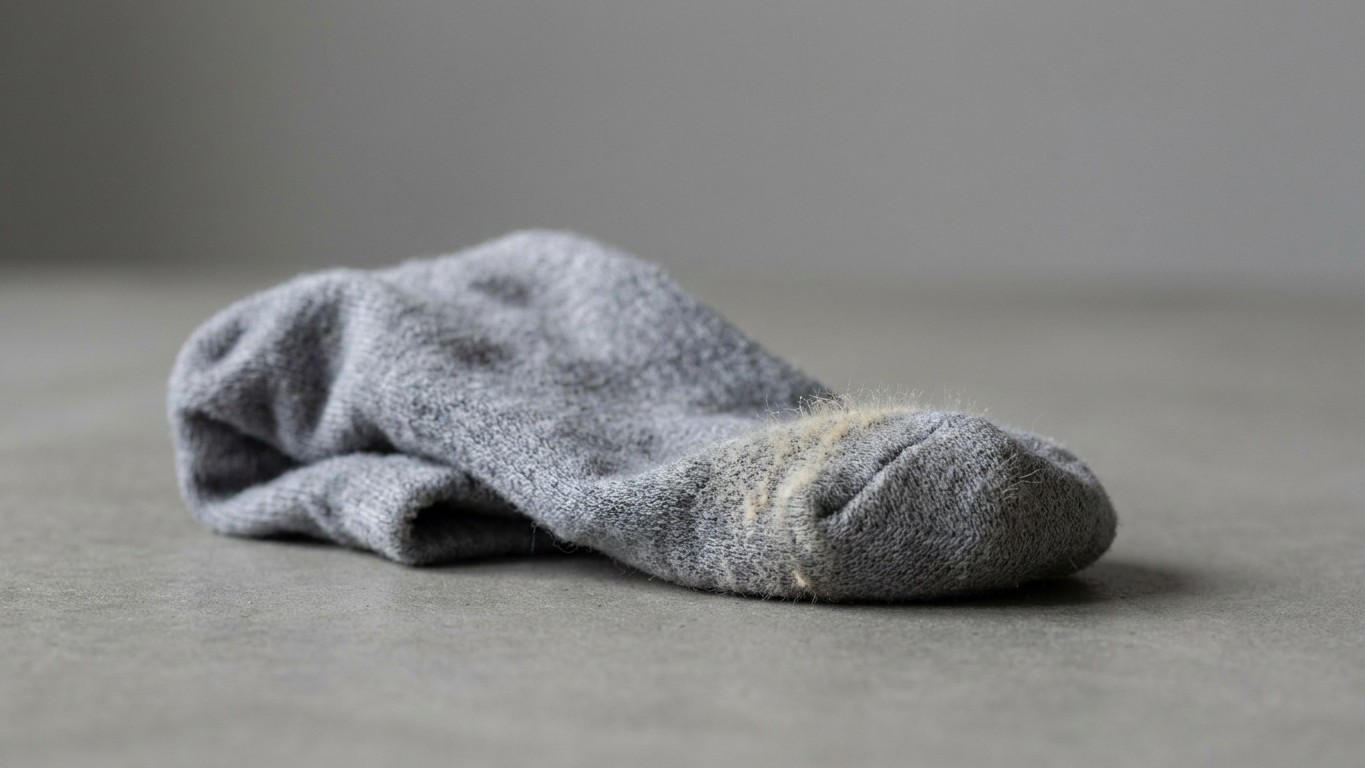
Three sessions of zipping a damp gym bag shut had, by the time I finally opened it properly, produced something that looked less like sportswear and more like a science experiment gone rogue. A greyish bloom had crept across the toe of one sock. The smell hit before the zip was even fully open. What had actually happened in there is more interesting, and more alarming, than most of us realise.
A sealed gym bag with wet kit inside is, biologically speaking, close to ideal. When you seal wet, sweaty clothes in an airtight container, you create the perfect bacterial breeding ground: warmth, moisture, darkness, and no air circulation, and the bacteria doesn’t stop growing, it accelerates. Within a matter of hours rather than days, that environment shifts from “a bit whiffy” to something genuinely colonised. Odour comes from bacteria that feeds on sweat and multiplies rapidly in warm, moist environments, and within hours, a small bacterial presence becomes a thriving colony producing volatile organic compounds, the molecules you smell as gym bag odour. That smell isn’t just unpleasant. It’s the chemical signature of an active microbial population going about its business between the fibres of your socks.
Key takeaways
- A sealed damp gym bag becomes a bacterial incubator within hours, not days
- Your shoes and bag surfaces harbour hundreds of thousands of bacteria, plus mould spores eager to bloom
- The solution isn’t air freshener—it’s the opposite of what feels convenient
What’s actually growing in there
Skin itself is never sterile. Skin is already a hodgepodge of different bacterial colonies, and the main group is staphylococcus, bacteria that grow well in acidic conditions on the skin’s surface, though it’s a very changeable environment. Exercise tips that balance. Exercise creates more moisture and a higher temperature. Also, friction between the skin and clothing, creating a breeding ground for potentially harmful bacteria like staphylococcus aureus and streptococcus pyogenes, which can cause harmful tissue infections, particularly if they manage to invade deeper regions of the skin. Once your kit goes into the bag, that microbial load doesn’t stay put. Microbes can also transfer from skin on to clothing, and popping your gym kit into the moist, warm environment of your bag can make the problem worse.
It isn’t only staph and strep. Research on gym environments has repeatedly turned up something rather less dignified. Research from the European Cleaning Journal found gym bags are frequently contaminated with coliform bacteria, typically found in faeces, and combined with damp and sweaty workout clothes, unventilated compartments and irregular cleaning, a bag becomes a perfect breeding ground for germs. Shoes deserve their own mention here, largely because they’re worse than most people expect. A study at the University of Arizona found that an average of more than 421,000 bacteria live on the outside of shoes, with more than 2,000 bacteria on the inside. Bags themselves aren’t much better, with figures cited of over ten thousand bacteria per square inch on bag surfaces.
Then there’s the fungal side, which is the part that produced my grey sock bloom. Mould spores are almost everywhere in the environment, including on the surfaces of the clothes we’re wearing, so if clothes are stored in a damp, warm environment, these spores will germinate and develop into mould. A sealed bag with damp fabric is precisely that environment, and three sessions of repeating the cycle without ever letting anything dry properly is more than enough time for spores to take hold and become visible growth.
Why athlete’s foot loves your gym bag as much as the changing room floor
Most people assume fungal foot infections come from padding around barefoot on communal tiles. That’s true, but it’s only half the story. Shoes and socks can cause fungal infections, and this is more likely if you have sweaty feet. The fungus doesn’t need a changing room to survive, it’s perfectly happy travelling home with you. Dermatophytes thrive in warm, damp places such as sweaty socks and shoes and wet towels, and they spread easily to other people because they can travel on hands, towels and other surfaces. If your damp trainers and socks then sit sealed in a bag for days, you’re essentially running an incubator between uses rather than letting the fungus die off.
Podiatrists are fairly consistent on the timeline here, and it’s longer than most people assume. If shoes aren’t changed regularly you constantly re-infect them by putting them into damp, fungally infected shoes, and it takes 24 to 48 hours for shoes to dry out properly, so it’s worth alternating your shoes daily. A bag that never gets aired simply extends that damp window indefinitely, which is exactly what happened with my socks.
What actually breaks the cycle
The instinct to zip the bag shut “to keep the smell in” is understandable, but it’s the single worst thing you can do with wet kit. Ventilation and drying time matter far more than containment. If you’re going to rewear sweaty kit again, hang it up to dry between uses to limit the growth of bacteria, since drying alone can reduce up to 90% of bacteria. That one habit change, taking everything out and hanging it up the moment you get home rather than leaving it zipped in, does more work than any spray or wash.
Washing frequency matters just as much, and UK survey data suggests most of us are falling short. Guidance shows that workout clothes should be washed after every workout if you produce sweat, yet a UK survey of 2,000 residents found significant gaps in how often people actually did this. Underwear and socks are worth particular attention, since washing undergarments and socks after each wear helps prevent faecal germs from spreading, as well as fungal infections. The bag itself needs the same treatment as the kit, not just an occasional shake-out. Air it out after every use, and give it a proper wipe-down or wash every few weeks, sooner if it’s been holding damp kit or starts to smell, since the bag does best when it’s cleaned regularly and always stored dry.
If your feet themselves are the problem, rather than just the bag, the fix is almost identical. The most important tip for preventing athlete’s foot is to ensure your feet are completely dry after washing them and before you put your shoes and socks on. Cotton or wool socks over synthetic ones, a second pair of trainers to alternate through the week, and five minutes with the bag unzipped and empty the second you’re through the front door. None of this is complicated. It’s simply the opposite of what feels convenient in the moment, which is exactly why so many of us end up with a grey bloom on a sock before we notice anything’s wrong. If symptoms like persistent itching, cracked skin or a rash that won’t shift do appear, that’s a conversation for your GP or pharmacist rather than a stronger detergent.
Sources : medium.com | eaglecreek.com