
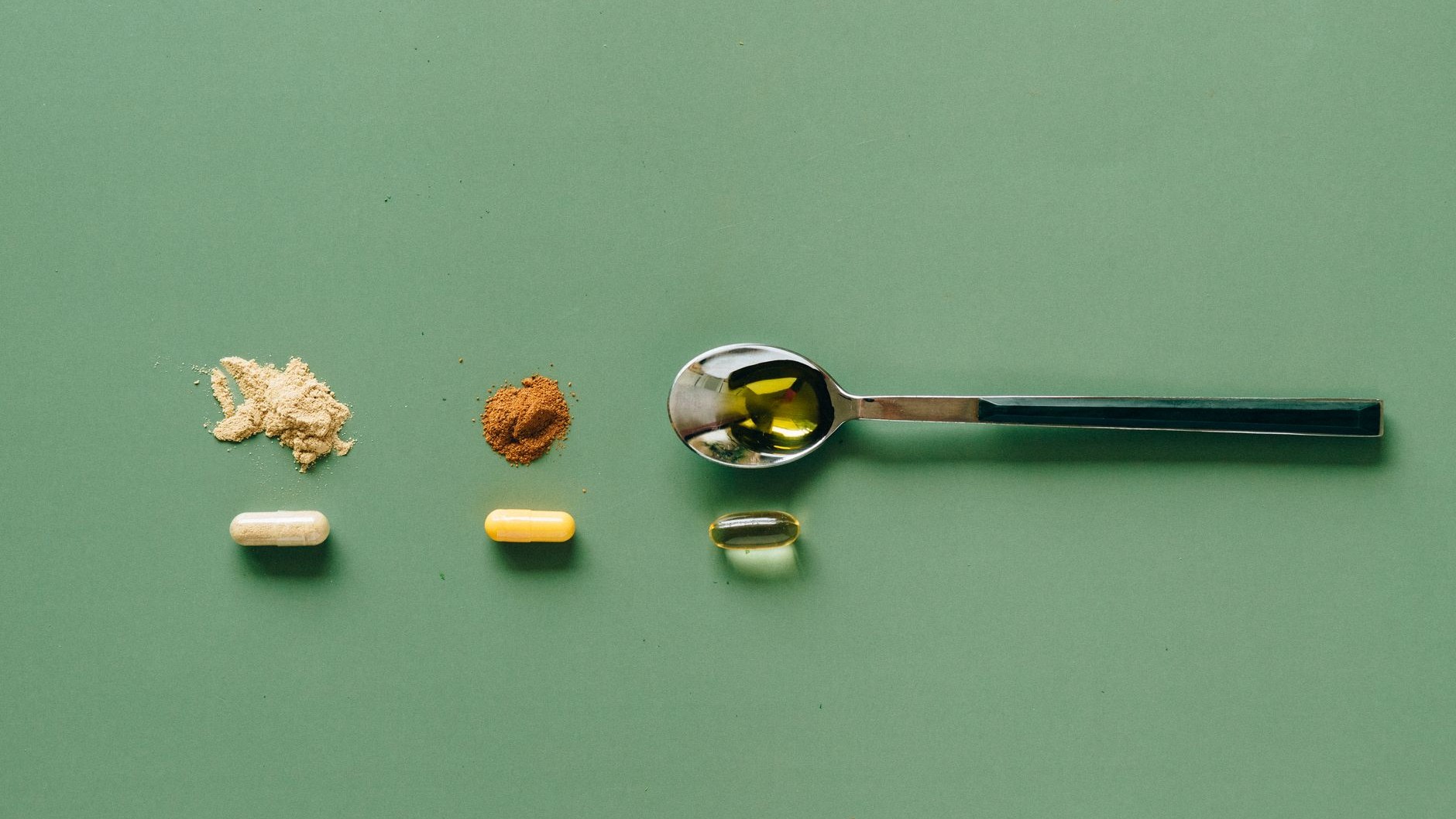
Stopping creatine every three weeks to “reset” is one of the most common mistakes people make with this supplement, and it almost certainly cost you gains you’ll never get back. The logic feels sound on the surface: take it, stop it before the water retention gets out of hand, start again. Repeat. But that cycling approach fundamentally misunderstands how creatine actually works in the body, and once you grasp the saturation model, the whole strategy falls apart.
Key takeaways
- Your muscles fill with creatine like a bathtub—and it takes 3-4 weeks to drain after you stop
- Short cycling windows leave you training below optimal creatine levels most of the time
- The initial water weight gain is intracellular and supports muscle function, not aesthetics
What saturation actually means
Your muscles store creatine up to a ceiling, roughly 150–160 mmol per kilogram of dry muscle mass in most people. Think of your muscle cells as a bathtub with a fixed capacity. When you start supplementing, you’re filling that bathtub. Once it’s full, it stays full as long as you keep topping it up with a modest daily dose. Stop supplementing and the water drains slowly, over three to four weeks, not overnight.
This is where the cycling logic collapses. When you stop creatine after a few weeks, you haven’t waited long enough for levels to meaningfully drop before you start again. You’re essentially pulling the plug on the bathtub, watching it empty for a fortnight, then refilling it from scratch, burning another one to two weeks getting back to saturation. A good chunk of your training time is spent below optimal creatine levels, which means reduced capacity for phosphocreatine resynthesis during high-intensity efforts.
The “water retention” concern behind all this is worth addressing honestly. Creatine does draw water into muscle cells. That’s not a side effect to fear; it’s part of the mechanism. Intracellular fluid supports protein synthesis and protects muscle fibres during contraction. The initial weight gain of one to two kilograms most people notice in the loading phase is real, but it stabilises quickly. You’re not getting puffy in any visible aesthetic sense. The water is inside the muscle, not sitting under the skin.
The loading phase and what most coaches actually recommend
A standard loading protocol involves taking around 20g per day in divided doses for five to seven days, then dropping to a maintenance dose of 3–5g daily. This gets you to saturation quickly. The alternative is skipping the load entirely and taking 3–5g per day from the start, reaching saturation in three to four weeks rather than one. Both approaches arrive at the same destination.
Once saturated, the daily maintenance dose simply replaces what your body naturally breaks down and excretes as creatinine. Muscle tissue degrades roughly 1–2% of its creatine stores each day regardless of whether you’re supplementing. That maintenance dose keeps the bathtub full. Stopping supplementation doesn’t cause a sudden crash; levels decline gradually, which is precisely why short cycling windows are so ineffective at “resetting” anything.
There’s an interesting wrinkle here worth knowing: natural creatine synthesis in the body (primarily in the liver and kidneys) does partially downregulate when you’re supplementing. When you stop, the body ramps that synthesis back up, but it takes a few weeks. So in the period immediately after stopping, you’re in a genuine deficit, with muscle stores falling and endogenous production not yet compensating. That’s the window where performance can noticeably dip, which is exactly the opposite of what most people cycling creatine are trying to achieve.
The evidence on long-term continuous use
The safety profile of continuous creatine monohydrate use is among the most thoroughly studied in the entire sports nutrition literature. Research periods in various trials have extended to five years of continuous supplementation without clinically significant adverse effects in healthy adults. The concern about kidney stress, a persistent myth, has been examined in controlled settings and not supported in people with normal renal function. That said, anyone with a pre-existing kidney condition should absolutely speak with their GP before supplementing.
A 2021 position paper from a European sports nutrition body reviewed the accumulated evidence and concluded that creatine monohydrate remains the most effective ergogenic nutritional supplement for increasing high-intensity exercise capacity. No cycling protocol was recommended because no research supports a performance benefit from periodic withdrawal in healthy individuals.
The myth of mandatory cycling likely grew from analogies with other supplements or compounds where receptor downregulation or hormonal feedback loops make breaks genuinely necessary. Creatine doesn’t work through receptors or hormonal pathways in the same way. The transporter protein that carries creatine into cells does show some downregulation with prolonged high-dose supplementation, which is one reason why megadosing indefinitely isn’t advisable and why 3–5g daily maintenance is the practical ceiling of usefulness rather than a conservative estimate.
Getting the practical side right
For most people training three to five times per week, the simplest and most effective approach is daily supplementation at 3–5g, taken consistently, with no planned breaks. Timing matters less than consistency; the post-workout window has some support in the literature but the effect is modest compared to simply taking it at the same time each day so you don’t forget.
Creatine monohydrate powder dissolved in water remains the best-evidenced form. Fancier variants, ethyl ester, buffered versions, hydrochloride forms, have been marketed as superior but the evidence comparing them to plain monohydrate is not convincing. The price difference is rarely justified.
One thing genuinely worth knowing: vegetarians and vegans tend to have lower baseline muscle creatine stores because dietary creatine comes almost exclusively from meat and fish. This means they often see larger Performance and strength responses to supplementation than omnivores do, because they’re starting further below their saturation ceiling. If you’ve ever wondered why the research sometimes shows inconsistent effect sizes across different trials, dietary background is one of the variables that explains a meaningful portion of that variation.
Always consult your GP before starting any new supplement, particularly if you have an existing health condition or take regular medication.