
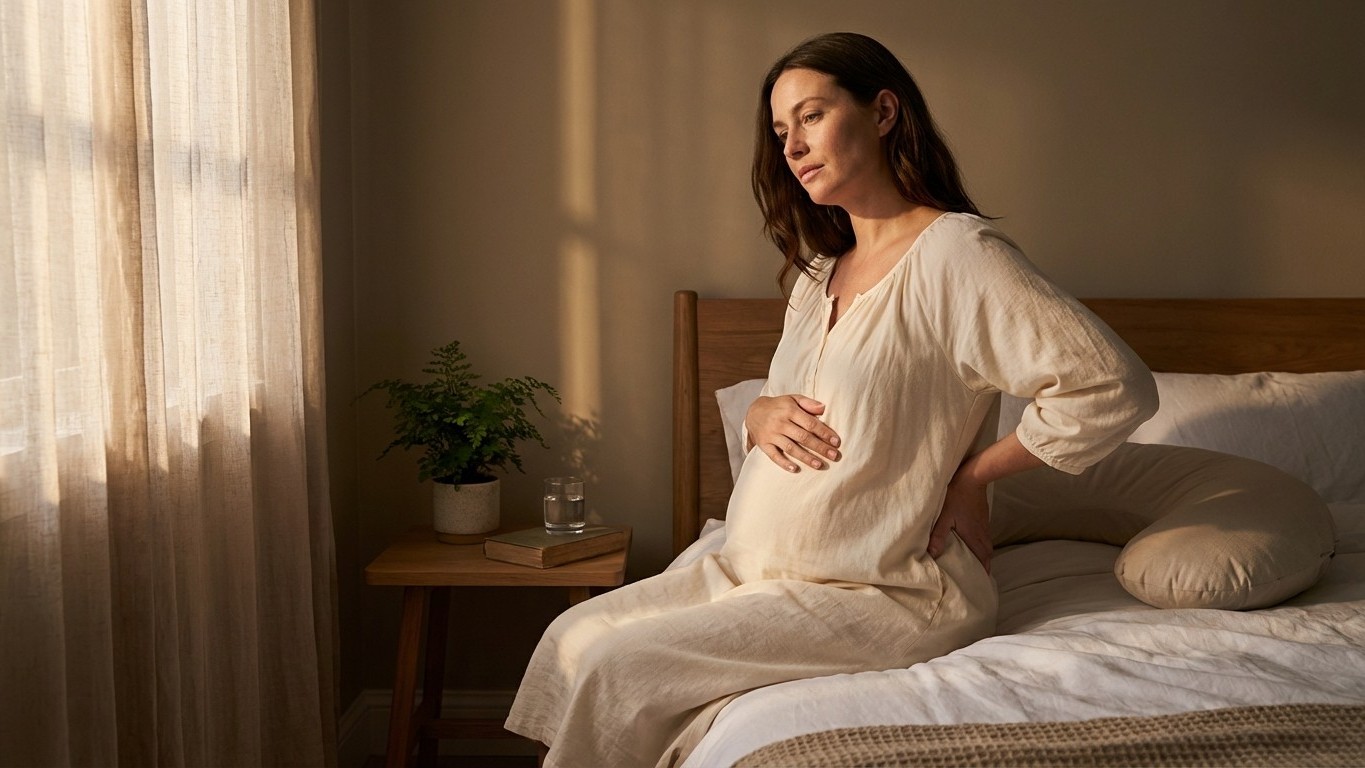
Sleep during pregnancy can feel like an impossible puzzle. You’re exhausted, your body is doing something extraordinary, and yet the moment you lie down, discomfort, anxiety, or a restless bladder conspire against you. The good news is that there are genuinely safe, evidence-informed approaches to help you rest better, but the landscape of “natural” remedies is murkier than many people realise, and some widely recommended options carry real risks during pregnancy.
This guide cuts through the noise. It covers what’s actually safe, what to avoid even if it sounds harmless, and how to build a practical evening routine that works with your changing body rather than against it.
Why Sleep Becomes So Difficult During Pregnancy
Hormonal shifts and their effects on rest
Progesterone, the dominant hormone of early pregnancy, has a sedating quality that makes many women feel drowsy during the day, yet paradoxically disrupts the quality of night-time sleep. It also relaxes smooth muscle, which contributes to acid reflux and frequent urination. As the first trimester progresses into the second and third, oestrogen levels rise sharply, affecting the regulation of sleep cycles and often reducing the proportion of deep, restorative sleep.
Then there’s cortisol, which tends to run higher in pregnancy as the body manages the physiological demands of growing a baby. Elevated cortisol in the evenings can make it genuinely harder to switch off, even when you’re bone-tired.
Physical discomfort and other common culprits
By the third trimester, the physical obstacles are substantial. A growing bump makes finding a comfortable position feel like an engineering problem. Heartburn intensifies when lying flat. Restless legs syndrome, which affects a meaningful proportion of pregnant women, causes an uncomfortable urge to move the legs precisely when you want to stay still. And foetal movements, endearing as they are, often peak in the evenings when the baby senses the relative stillness of a resting mother.
Anxiety plays a significant role too. Worries about birth, parenthood, or the health of the baby are entirely normal, but they have a habit of surfacing at 2am with particular urgency. Understanding the range of factors at play is the first step to addressing them thoughtfully.
The Problem with Conventional Sleep Aids During Pregnancy
Medications that must be avoided
Many over-the-counter sleep aids that people reach for without much thought are categorically unsuitable in pregnancy. Antihistamine-based products like diphenhydramine (found in some branded sleep preparations) have not been established as safe in pregnancy, and guidance from healthcare bodies consistently recommends avoiding them unless specifically directed by a doctor. Prescription benzodiazepines and Z-drugs carry documented risks of neonatal withdrawal and preterm birth. The general rule from obstetric medicine is clear: if you wouldn’t take it without asking your midwife or GP, don’t.
Supplements and the evidence gap
Melatonin deserves particular attention here, because it’s increasingly sold as a “natural” sleep supplement and many pregnant women assume it’s safe. The picture is more complicated. Melatonin crosses the placenta, and while some research suggests it may have protective properties in certain obstetric contexts, the data on routine supplementation for insomnia in pregnancy is not sufficient to support recommending it. The NHS advises against melatonin supplementation in pregnancy without medical supervision, and this is one area where caution is genuinely warranted.
The broader issue is that many supplements, marketed as natural and therefore implicitly safe, have simply never been studied in pregnant populations. The absence of evidence of harm is not the same as evidence of safety.
Natural Sleep Remedies During Pregnancy That Are Genuinely Safe
Sleep hygiene adapted to pregnancy
The fundamentals of good sleep hygiene apply in pregnancy, but they need adapting. Keeping a consistent sleep schedule matters, though you may need to adjust it to accommodate fatigue (a short nap of 20-30 minutes in the early afternoon is generally fine and won’t disrupt night-time sleep). Screens should be avoided for at least an hour before bed, not because of any abstract rule, but because blue light suppresses melatonin production at exactly the time you want it rising naturally.
Temperature regulation is worth considering carefully. Pregnant bodies run warmer. A slightly cooler bedroom, around 16-18°C, supports the drop in core body temperature that signals the brain it’s time to sleep. Lightweight, breathable bedding makes a genuine difference.
Herbal teas: the safe options and the right doses
This is where many people are surprised to discover how much uncertainty exists. Some herbal teas widely drunk in pregnancy are considered safe in moderate quantities. Ginger tea, for instance, is well-tolerated and widely used for nausea. Rooibos (red bush tea) is caffeine-free and generally regarded as safe. Lemon balm tea has some mild anxiolytic properties and is considered low-risk in small amounts.
Chamomile is where things get more nuanced. While chamomile is frequently recommended for relaxation, some sources raise concerns about its potential to stimulate uterine contractions in large quantities. The evidence isn’t definitive, but many midwives recommend limiting chamomile to one cup occasionally rather than making it a nightly habit, especially in the first and third trimesters. Speak to your midwife before making any herbal tea a regular part of your evening routine.
For a broader look at evidence-based natural sleep remedies beyond pregnancy, including how herbal approaches compare to other strategies, there’s a useful broader guide worth exploring.
Relaxation techniques with a strong safety record
Guided meditation, progressive muscle relaxation, and slow breathing techniques are among the most robustly supported non-pharmacological sleep aids in pregnancy, and they carry essentially no risk. Several NHS trusts now include mindfulness-based approaches in their antenatal care, and there’s good evidence that they reduce anxiety and improve sleep quality.
Sophrology, a mind-body practice that blends breathing exercises with gentle visualisation, has become popular in antenatal care in France and is gaining ground in the UK. Practitioners often offer pregnancy-specific sessions. Yoga nidra (a form of guided body scan meditation) is another option that can be done lying in bed and requires no previous experience.
Slow, diaphragmatic breathing, breathing in for four counts, holding briefly, and exhaling for six to eight counts — activates the parasympathetic nervous system and can be genuinely effective at quieting a racing mind at bedtime. It costs nothing and works at any trimester.
Evening nutrition and helpful habits
What you eat and drink in the hours before bed has more influence on sleep than many people expect. Avoiding large meals in the two to three hours before bedtime helps manage reflux, which worsens when lying down with a full stomach. If you’re hungry in the evening, a small snack combining protein and complex carbohydrate, a handful of nuts and a small slice of wholemeal bread, for instance — can help stabilise blood sugar overnight without aggravating heartburn.
Hydration is a balancing act. Dehydration can cause restless legs and muscle cramps, both of which disrupt sleep. But drinking large amounts close to bedtime means more trips to the bathroom. The practical solution most midwives suggest is to drink well throughout the day and taper off around two hours before sleep.
Bedroom environment
A pregnancy pillow is, frankly, one of the most effective sleep aids available. The full-body U-shaped or C-shaped varieties support the bump, ease hip pressure, and help maintain a side-lying position without the body rolling during sleep. They are not glamorous, they take up considerable bed space, and they are genuinely worth it.
Blackout curtains, white noise, and reducing household light pollution in the hour before bed all support the brain’s natural shift towards sleep. If your partner’s presence or movement is disturbing your rest, it is completely reasonable to discuss separate sleeping arrangements for part of the night, this is a pragmatic decision, not a romantic statement.
Natural Remedies to Avoid During Pregnancy
Herbs and supplements that carry real risk
Valerian root is one of the most commonly recommended herbal sleep aids in general circles, but it has not been studied adequately in pregnancy and several sources, including the Royal College of Obstetricians and Gynaecologists, advise avoiding it. Lavender supplements (as opposed to topical or aromatic use) should also be treated with caution. St John’s Wort, sometimes suggested for sleep difficulties related to low mood, is contraindicated in pregnancy due to interactions and potential effects on foetal development.
Hops, passionflower, kava, and skullcap are all sometimes marketed for sleep but have insufficient safety data in pregnancy. The principle is simple: when the data doesn’t exist, the answer during pregnancy is no.
Essential oils: where the limits are
Aromatherapy is popular in antenatal circles, and some essential oils used carefully in a diffuser are generally considered low-risk. Lavender, frankincense, and mandarin are among those most commonly used in pregnancy-specific aromatherapy. However, applying essential oils directly to skin without carrier oil, using them in high concentrations, or ingesting them in any form is not appropriate during pregnancy. Oils such as clary sage, rosemary, and jasmine are associated with uterotonic effects (stimulating contractions) and should be avoided entirely, particularly in the first and third trimesters. Always use a qualified aromatherapist who has specific training in pregnancy if you want to explore this area.
Practices to approach with caution
Acupuncture from a practitioner without specific training in pregnancy is not recommended. Some acupressure points are contraindicated in pregnancy as they are traditionally associated with inducing labour. This doesn’t mean acupuncture is unsafe across the board, many midwife-led units offer it, but practitioner experience matters greatly here.
Hot baths, while soothing, should be warm rather than hot during pregnancy. Core body temperature above 39°C, particularly in the first trimester, has been associated with neural tube risks. A comfortably warm bath for 10-15 minutes is fine and genuinely helpful for muscle relaxation before bed.
A Practical Evening Routine and Sleeping Positions by Trimester
A simple, adaptable evening routine
Rather than prescribing a minute-by-minute schedule (every pregnancy is different), a useful framework is to think in three phases. The first phase, starting roughly 90 minutes before your intended sleep time, involves winding down stimulation: lower lights, avoid screens, eat your last meal or snack if needed. The second phase, around 45 minutes before bed, is for your body: a warm shower or bath, gentle stretching or yoga, and any physical comfort measures (applying cream to stretched skin, using a heat pack for back pain). The third phase, the 20-30 minutes before sleep, is for the mind: breathing exercises, guided meditation, or quiet reading.
Sleep positions and why they matter
In the first trimester, position matters little physiologically, though nausea may influence what’s comfortable. From the second trimester onwards, sleeping on your side, ideally the left side, is generally recommended. This position optimises blood flow to the uterus and kidneys and avoids the weight of the uterus compressing the inferior vena cava (a major blood vessel) when lying on the back. If you wake on your back, simply roll back to your side without excessive worry; the body tends to signal discomfort before any harm occurs. A pillow between the knees and one supporting the bump significantly reduces hip and lower back pain.
When to Seek Professional Help
Sleep deprivation during pregnancy is more than an inconvenience. Chronic poor sleep is associated with increased risk of gestational hypertension, longer labours, and higher rates of postnatal depression. These are not reasons to panic, but they are reasons to take sleep seriously and to ask for help when self-management isn’t enough.
Contact your midwife or GP promptly if you are sleeping fewer than five hours most nights, if you have persistent symptoms of restless legs syndrome that are significantly disrupting sleep, if you experience symptoms of depression or severe anxiety alongside insomnia, or if you notice snoring or gasping during sleep (which can indicate gestational sleep apnoea, a condition that requires assessment). These are not situations to manage alone with chamomile tea.
Pregnancy-related sleep changes are, in many ways, a preview of the adjustment that follows birth. The women who tend to cope best are those who have already built a toolkit of non-pharmacological strategies, and who know when to ask for more support. If you’re navigating other life stages with their own sleep challenges, the approaches explored in natural sleep remedies for menopause and related hormonal transitions share some useful common ground with the pregnancy experience.
The question worth sitting with is this: how much of your sleep difficulty is physical, and how much is mental? Both are real, both deserve attention, and, reassuringly, both respond well to the right kind of care.