
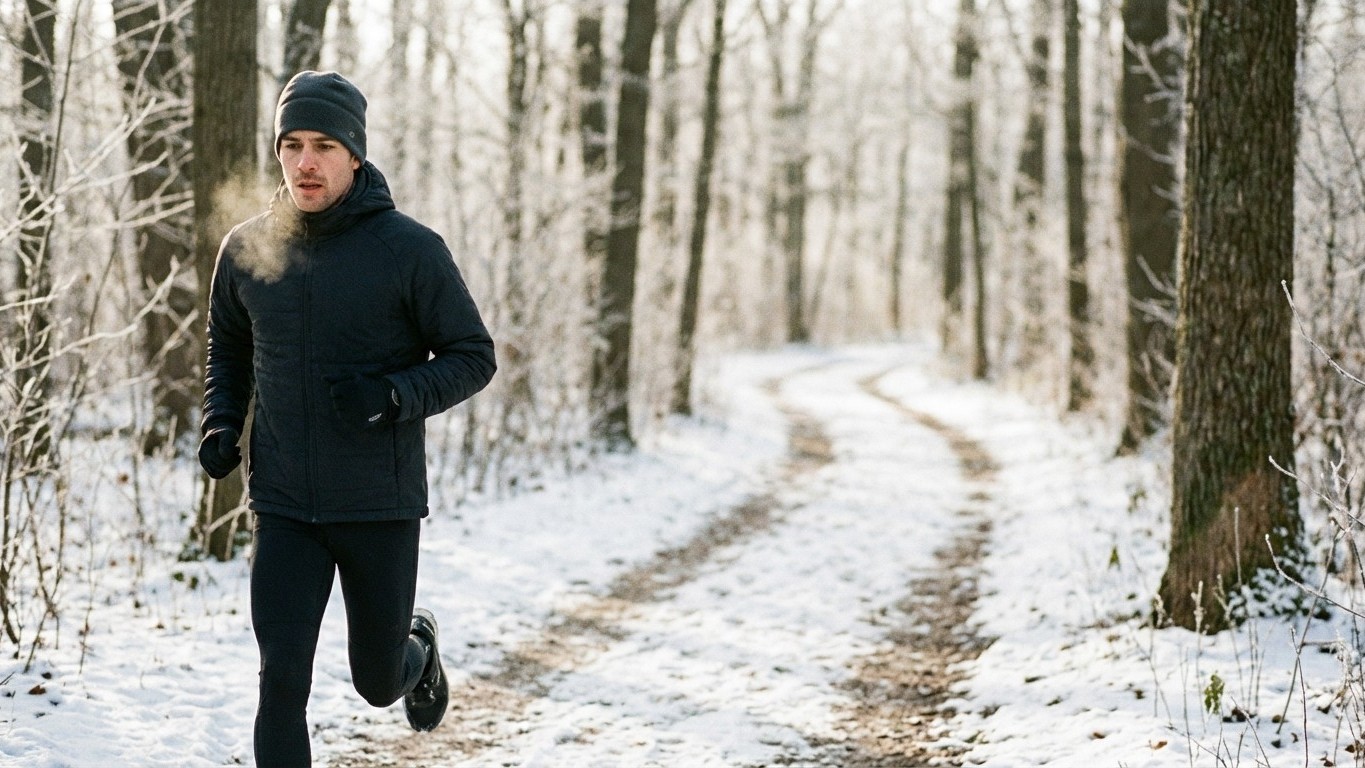
As the temperature drops and daylight hours dwindle, maintaining a consistent fitness routine can become challenging. However, winter Workouts are not only possible but can be invigorating and beneficial. The key lies in avoiding common cold-Weather Exercise pitfalls that could hinder your progress or, worse, lead to injury. Let’s explore these mistakes and how to sidestep them.
Key takeaways
- Why skipping a proper warm-up can sabotage your winter workouts
- How layering mistakes can steal your comfort and performance
- The hidden dangers of ignoring weather and hydration in cold fitness routines
Neglecting Proper Warm-Up
Jumping straight into intense activity without adequately preparing your body is a recipe for muscle strain, especially in colder conditions. Cold temperatures cause muscles to contract and tighten, increasing the risk of injury. To counter this, dedicate at least ten Minutes to a thorough warm-up. Begin with light aerobic exercises like brisk walking or gentle jogging to elevate your heart rate and increase blood flow to your muscles. Follow this with dynamic stretches that mimic the movements of your intended workout. This approach prepares your body. Also, enhances performance.
Inappropriate Layering
Wearing the wrong clothing can make outdoor exercise uncomfortable and even dangerous. Overdressing can lead to excessive sweating, which, when combined with cold air, can lower your body temperature. Conversely, underdressing exposes you to the risk of hypothermia. The solution is to dress in layers. Start with a moisture-wicking base layer to keep sweat away from your skin. Add an insulating layer, such as fleece or wool, to retain body heat. Top it off with a waterproof and windproof outer layer to protect against the elements. Don’t forget to cover extremities with a hat, gloves, and thermal socks, as significant heat loss occurs through these areas.
Ignoring Weather Conditions
Exercising in extreme cold, high winds, or icy conditions without proper precautions can be hazardous. Always check the weather forecast before heading out. If temperatures are extremely low or if there’s a risk of frostbite, consider modifying your Workout or moving it indoors. Be aware of the signs of frostbite, such as numbness or a stinging sensation, particularly in exposed areas like the nose, ears, and fingers. If you experience these symptoms, seek warmth immediately and consult a healthcare professional if necessary.
Overlooking Hydration
It’s easy to forget about hydration when it’s cold, as you might not feel as thirsty as you do in warmer weather. However, staying hydrated is just as crucial during winter workouts. Cold air is often dry, leading to increased respiratory water loss. Ensure you drink water before, during, and after exercise to maintain optimal performance and prevent dehydration.
Failing to Adjust for Reduced Daylight
Shorter days mean many workouts occur in low-light conditions, increasing the risk of accidents. If you’re exercising outdoors during dawn, dusk, or evening hours, wear reflective clothing and consider using a headlamp or carrying a flashlight. Stick to well-lit paths and be extra cautious of icy patches that are harder to spot in dim light.
By being mindful of these common mistakes and taking proactive steps to address them, you can maintain a safe and effective fitness routine throughout the winter months. Remember, the cold doesn’t have to be a barrier to your health goals; with the right approach, it can be an invigorating part of your fitness journey.