
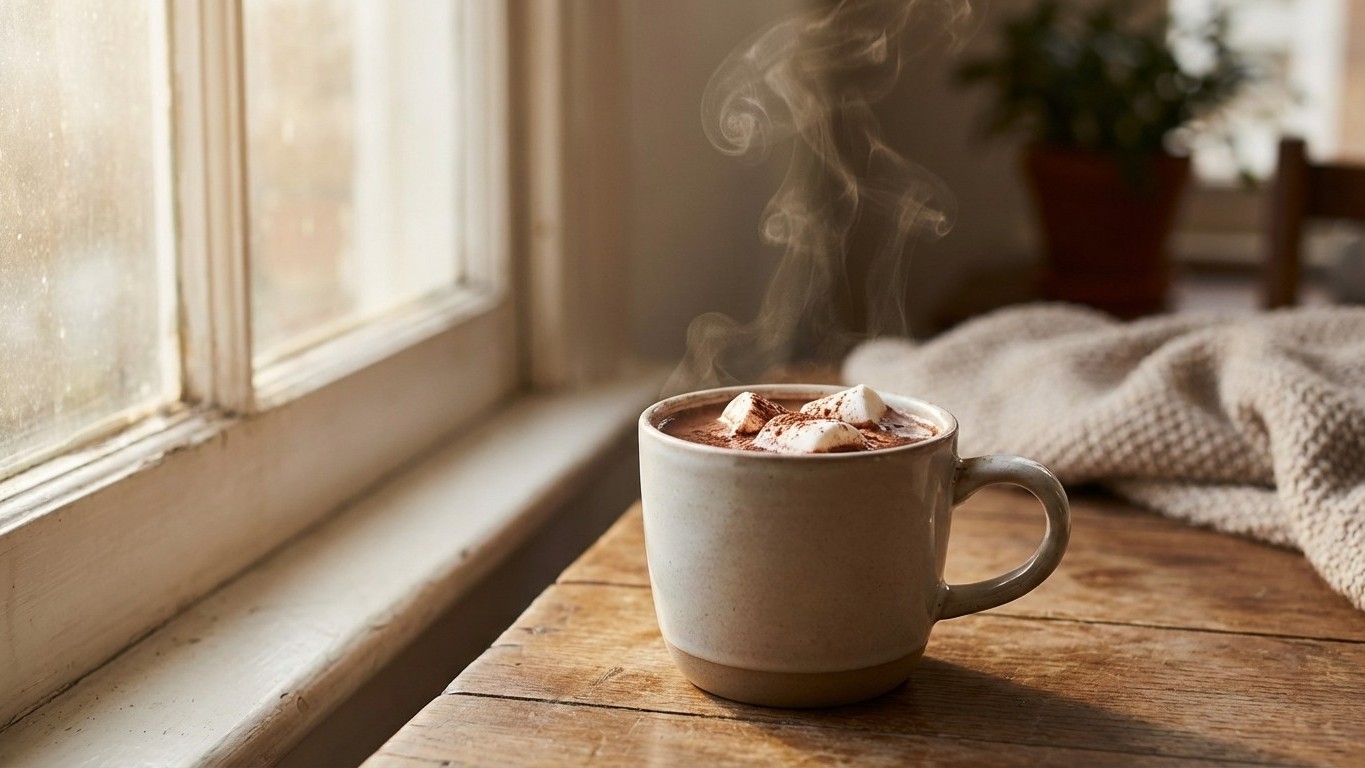
As the winter chill sets in, many of us find solace in warm, comforting beverages. From rich hot chocolates to spiced ciders, these drinks are synonymous with the season. But have you ever paused to consider how these popular industrial beverages impact your health?
Key takeaways
- Could your favorite winter drinks be secretly harming your health?
- Uncover the surprising sugar and calorie content behind festive favorites.
- Learn how drink temperature might influence mood and wellbeing.
The Sugar Content Conundrum
One of the primary concerns with many winter drinks is their high sugar content. Take, for instance, the beloved hot chocolate. While it offers warmth and nostalgia, a single serving can contain between 20 to 60 grams of sugar. To put that into perspective, that’s more than twice the sugar found in a standard chocolate bar. Excessive sugar intake is linked to various health issues, including weight gain, increased risk of type 2 diabetes, and dental problems.
Moreover, high sugar consumption can adversely affect bone health. Dietitians warn that frequent spikes in blood sugar may disrupt the normal functioning of vitamin D, making it less likely that the body will effectively absorb calcium from the foods we eat. This disruption can lead to increased calcium loss, potentially weakening bones over time.
Caloric Overload in Festive Beverages
Beyond sugar, many winter drinks are calorie-dense. Festive beverages like eggnog and specialty lattes often combine high-fat ingredients with sweeteners, resulting in a caloric overload. For example, a typical eggnog serving can pack upwards of 350 calories, primarily from fats and sugars. Regular consumption without balancing with physical activity can contribute to weight gain and associated health risks.
Temperature Matters: Hot vs. Cold
The temperature of your drink might also play a role in your health. A study led by San Diego State University found that the temperature of beverages can significantly influence mood, sleep, and gut health. Participants who consumed more hot beverages in winter reported lower levels of depression, improved sleep quality, and fewer digestive symptoms. This suggests that opting for warm drinks during colder months might offer more than just physical warmth.
Alcoholic Winter Warmers: A Double-Edged Sword
Traditional winter beverages like mulled wine and hot toddies contain alcohol, which, when consumed in moderation, can be part of festive celebrations. However, it’s essential to be mindful of the sugar and calorie content in these drinks. For instance, a standard serving of mulled wine can contain significant amounts of sugar, contributing to the daily intake. Additionally, alcohol can interfere with certain medications and may exacerbate health conditions. The Medicines and Healthcare products Regulatory Agency (MHRA) advises being cautious about food and drink interactions with medications during the festive season.
Making Healthier Choices
Enjoying winter beverages doesn’t mean you have to compromise your health. Here are some tips to make healthier choices:
- Opt for Low-Sugar Alternatives: Choose drinks with reduced sugar content or use natural sweeteners like honey in moderation.
- Be Mindful of Portion Sizes: Enjoy smaller servings to reduce calorie and sugar intake.
- Stay Hydrated: Balance your intake of festive drinks with plenty of water to support overall health.
- Read Labels: Pay attention to nutritional information to make informed choices about what you’re consuming.
Winter beverages are a cherished part of the season’s traditions. By being mindful of their ingredients and consumption, you can enjoy these comforting drinks while maintaining your health. After all, the true essence of the season lies in balance and well-being.