
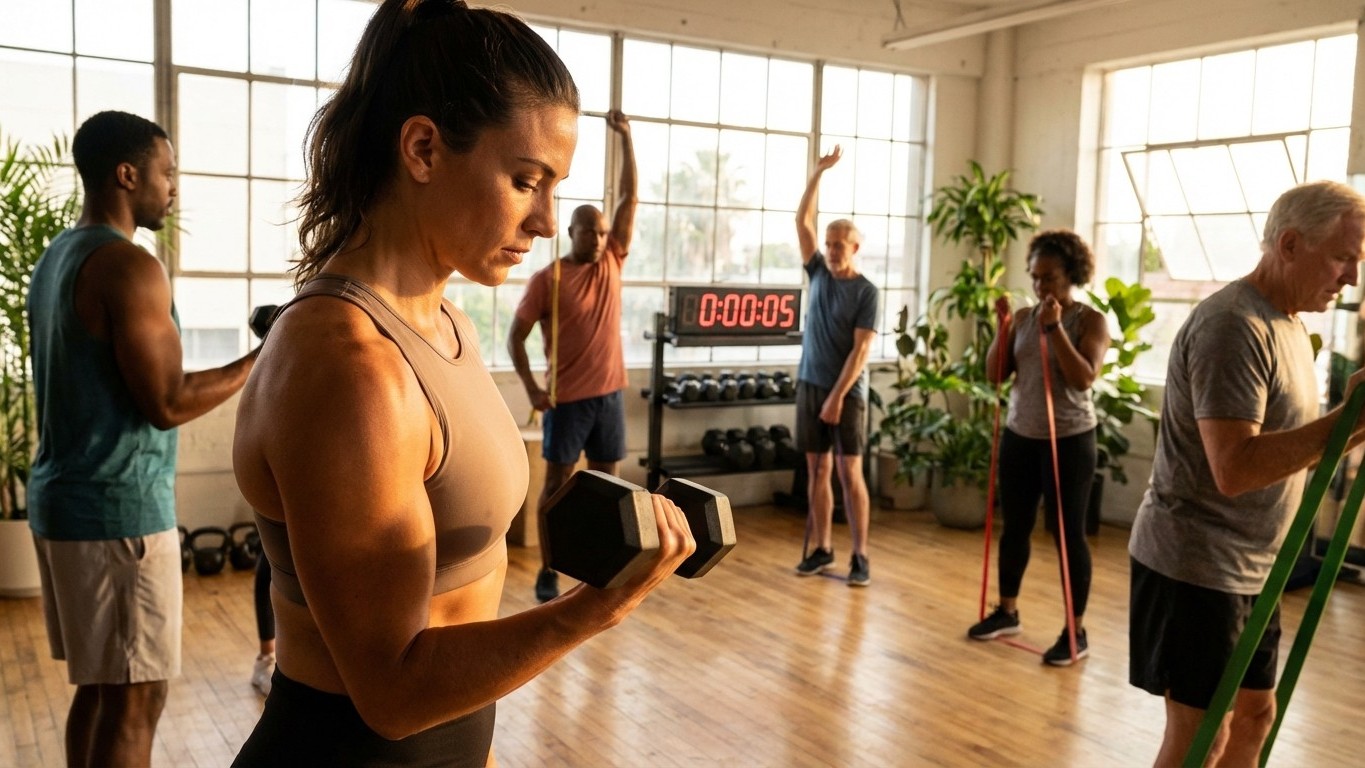
If you tend to rush through squats, cycle at lightning pace, or blast through a HIIT session barely noticing your breath, you might be missing out on a surprising edge. Emerging wisdom from seasoned coaches suggests that intentionally slowing your workouts isn’t just for yoga devotees or those recovering from injury. In fact, moving with purpose and deliberation might be the fitness hack your body’s been waiting for.
Key takeaways
- What if moving slower could trigger greater muscle growth?
- Could pacing workouts reduce injuries and sharpen technique?
- How does deliberate tempo build mental grit and lasting progress?
The Power of Moving Mindfully
Pushing harder may feel like the fastest way to get fitter. Yet study after study points in another direction. When you lift a weight more slowly, or extend the time under tension during a movement, you dramatically increase muscular engagement and, some evidence shows, can trigger greater muscle growth. One small 2022 study published in the Journal of Strength and Conditioning Research found that participants who performed slow eccentric movements (lowering the weight over several seconds) experienced greater muscle hypertrophy than those who whizzed through reps. In a gym packed with grunting and clattering, that can feel counterintuitive, but the science is quietly persuasive.
It’s not just about weight lifting. Runners who sprinkle in slower, controlled runs often report fewer injuries over time, with some research suggesting that a mix of slow and fast paces helps hone stamina and recovery. Approaching exercise at a measured pace allows you to focus on technique, alignment, and breathing. These details, often neglected in frenetic workouts, add up to fewer mishaps, and more consistent progress.
Pacing: The Secret Ingredient in Lasting Progress
What makes slow training so effective? It comes down to muscle recruitment and neural engagement. When you slow down, your body recruits more muscle fibres to complete each repetition. There’s a focus on form that’s impossible to fake. Ever tried a push-up with a five-second count on the way down? Even advanced athletes are surprised by how much harder that feels. Suddenly, there’s nowhere to hide dodgy technique or sloppy range of motion.
The old gym bromide of “time under tension” gets at this. Muscles respond to stress, and the longer they’re working, the more adaptation takes place. Slower movements mean extended periods where the muscle is both working and resisting, setting the stage for strength and endurance gains. Pilates instructors have championed this idea for years, drawing attention to “burn zones” when a movement is held or decelerated.
Slowing down also makes room for mind-muscle connection. That’s not just fitness folklore. A 2018 meta-analysis in the journal Sports Medicine concluded that focusing mental attention on working muscles during exercise, for instance, deliberately contracting the glutes during a bridge—can amplify gains in both strength and definition. Rushing, by contrast, tends to decouple effort from awareness. You end up just moving, instead of training. There’s a real difference.
Why Rest Intervals Matter : And How Slowing Down Can Help
Pauses between sets, once seen as idle or lazy, are now rightly considered part of the training puzzle. By slowing your workout tempo, you make these rest phases more deliberate and meaningful. Heart rate falls, cortisol eases off, and your muscles can replenish energy stores more effectively. Piling intensity on top of fatigue often heightens injury risk. Fast, non-stop circuits may look tough, but if form suffers, you’re borrowing fitness from tomorrow. Slower sessions, more controlled tempo, purposeful rests, let you push nearer to your true potential with less risk of overuse strains.
This idea extends to cardiovascular training too. Coaches frequently see amateur runners going “too hard” on easy days, leading to burnout or injury. By slowing certain sessions, athletes can build a stronger aerobic foundation, recover efficiently, and hit higher peaks in their key performance sessions. It’s a paradox: sometimes stepping back lets you leap forward.
An Unexpected Twist: Mental Resilience
There’s an often-overlooked benefit to slowing down: psychological grit. Holding a plank for a measured 45 seconds can feel like a small eternity. Drawing out the descent of a squat demands focus and patience, tugging at boredom and discomfort. Persisting through that, repetition after repetition, quietly forges a resilient mindset. Perhaps that explains why certain yoga and martial arts lineages place such emphasis on deliberate pace. Fitness, after all, isn’t just brute force. It’s presence and tenacity, too.
How to Apply Slow Training in Your Own Routine
Transforming your results rarely means upending everything. Instead, experiment with tempo in whatever modality you favour. Try lowering weights over three to five seconds before pushing back up. Swap one weekly HIIT session for focused, technique-driven resistance training. For runners, devote part of your schedule to truly easy, conversational-pace outings, saving firepower for faster intervals. In group classes, resist the urge to chase the person next to you; focus on executing each move with precision and full-body awareness.
If you’re new to slowing down, expect workouts to feel more humbling, and rewarding, than you might anticipate. You’ll quickly spot faulty movement patterns or imbalances, but notice improved muscle tone and a refreshing absence of the familiar aches that come from flailing around with abandon. Pilates and yoga sequences, often taught at gentle tempos, offer a rich playground for exploring these ideas without the need for equipment.
Above all, listen to your body. Some days might call for intensity, others require a dialled-back approach. Slowing workouts isn’t about going soft; it’s about choosing quality over speed, savouring movement, and laying a foundation for both long-term health and steady progress.
Imagine fitness less as a frantic race and more as a well-composed symphony, moments of effort, layers of rest, and a tempo that lets your strongest notes ring out. What kind of athlete might you become if you traded haste for harmony?
This article is for information only and is not a substitute for medical advice. Always consult your GP before starting a new exercise routine or making changes to your training strategy.