
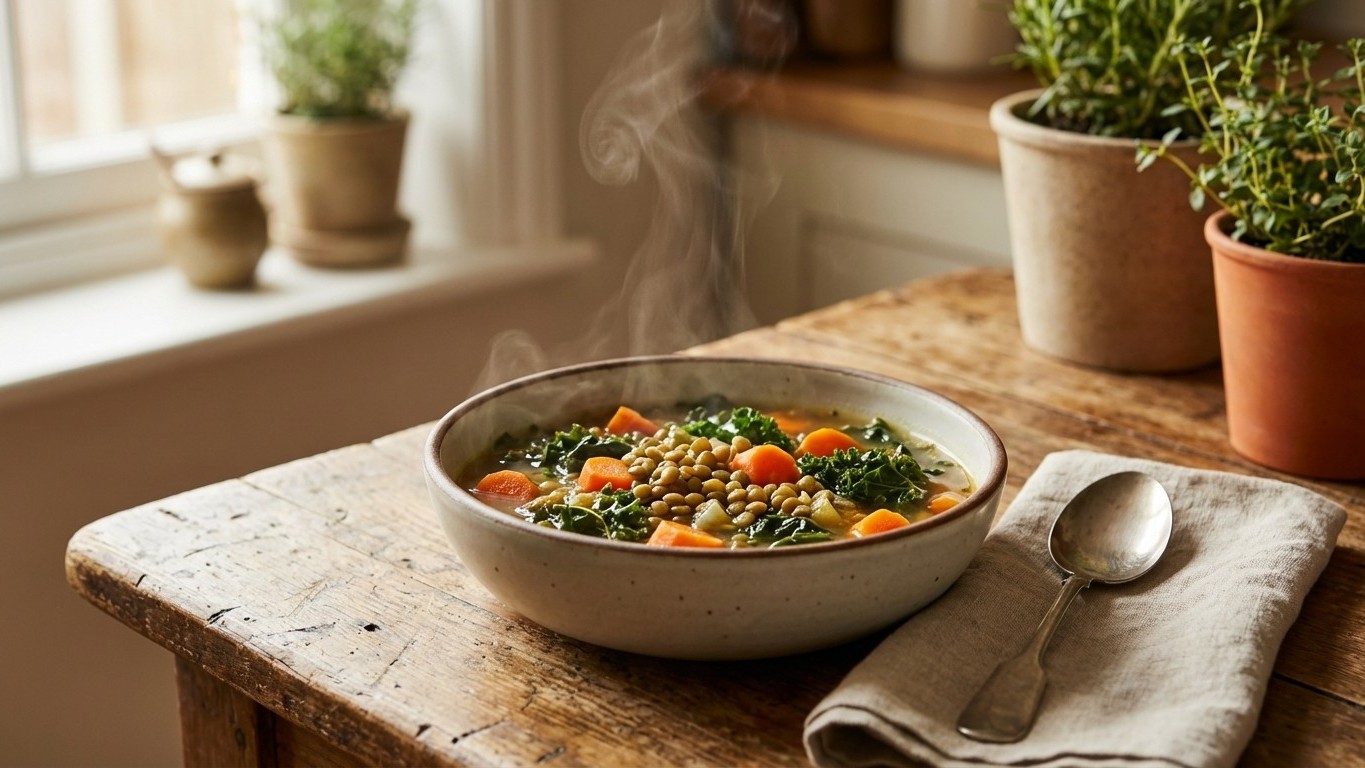
As the winter months envelop us in their chilly embrace, there’s a comforting dish that nutritionists often champion for its health benefits: homemade vegetable soup. This humble meal warms the body. Also, offers a plethora of nutrients that can boost vitality and assist in weight management.
Key takeaways
- Uncover the unexpected winter dish that fuels your body’s defenses.
- Explore how simple ingredients can support weight management and heart health.
- Learn expert tips to craft nutritious, immune-boosting soups at home.
The Nutritional Powerhouse of Homemade Soup
Homemade vegetable soups are a treasure trove of essential vitamins and minerals. By incorporating a variety of seasonal vegetables, such as carrots, parsnips, and sweet potatoes, you infuse your meal with beta-carotene, which the body converts into vitamin A, a vital nutrient for immune function. Adding pulses like lentils or chickpeas introduces plant-based proteins and fibre, promoting satiety and aiding digestion. The liquid base of the soup hydrates. Also, facilitates the absorption of these nutrients, making it a holistic meal choice during colder months. topsante.co.uk
Weight Management and Satiety
One of the standout benefits of consuming vegetable-based soups is their role in weight management. The high fibre content from vegetables and legumes helps regulate appetite by promoting a feeling of fullness, which can prevent overeating. Additionally, soups are generally low in calories yet nutrient-dense, making them an excellent choice for those aiming to maintain or reduce weight without compromising on nutrition. timesofindia.indiatimes.com
Immune Support and Inflammation Reduction
Winter often brings with it an increase in colds and flu. Incorporating ingredients like garlic, onions, and ginger into your soup can bolster the immune system. These components are rich in antioxidants and have anti-inflammatory properties, aiding the body in fighting off infections. Moreover, the warmth of the soup can soothe sore throats and alleviate congestion, providing both comfort and therapeutic benefits. khaberni.com
Heart Health and Blood Pressure Regulation
Regular consumption of homemade vegetable soups can contribute to heart health. The inclusion of legumes and whole grains provides soluble fibre, which helps lower cholesterol levels. Furthermore, by preparing soup at home, you have control over the amount of salt added, reducing the risk of high blood pressure associated with excessive sodium intake. The British Heart Foundation highlights the importance of a diet rich in vegetables and legumes for maintaining cardiovascular health. bhf.org.uk
Practical Tips for Crafting Nutritious Soups
– **Choose Seasonal Vegetables**: Opt for winter produce like root vegetables and leafy greens to maximise nutrient intake.
– **Incorporate Legumes**: Add lentils, beans, or chickpeas for protein and fibre.
– **Use Low-Sodium Stock**: Control salt levels by selecting reduced-sodium broths or making your own stock.
– **Spice It Up**: Enhance flavour and health benefits by adding herbs and spices like turmeric, cumin, or ginger.
– **Batch Cooking**: Prepare large quantities and freeze portions for convenient, healthy meals throughout the week.
Embracing homemade vegetable soups during winter is more than just a culinary choice; it’s a step towards enhanced health and well-being. By thoughtfully selecting ingredients and preparing soups at home, you can enjoy a meal that’s both comforting and nutritionally robust.