
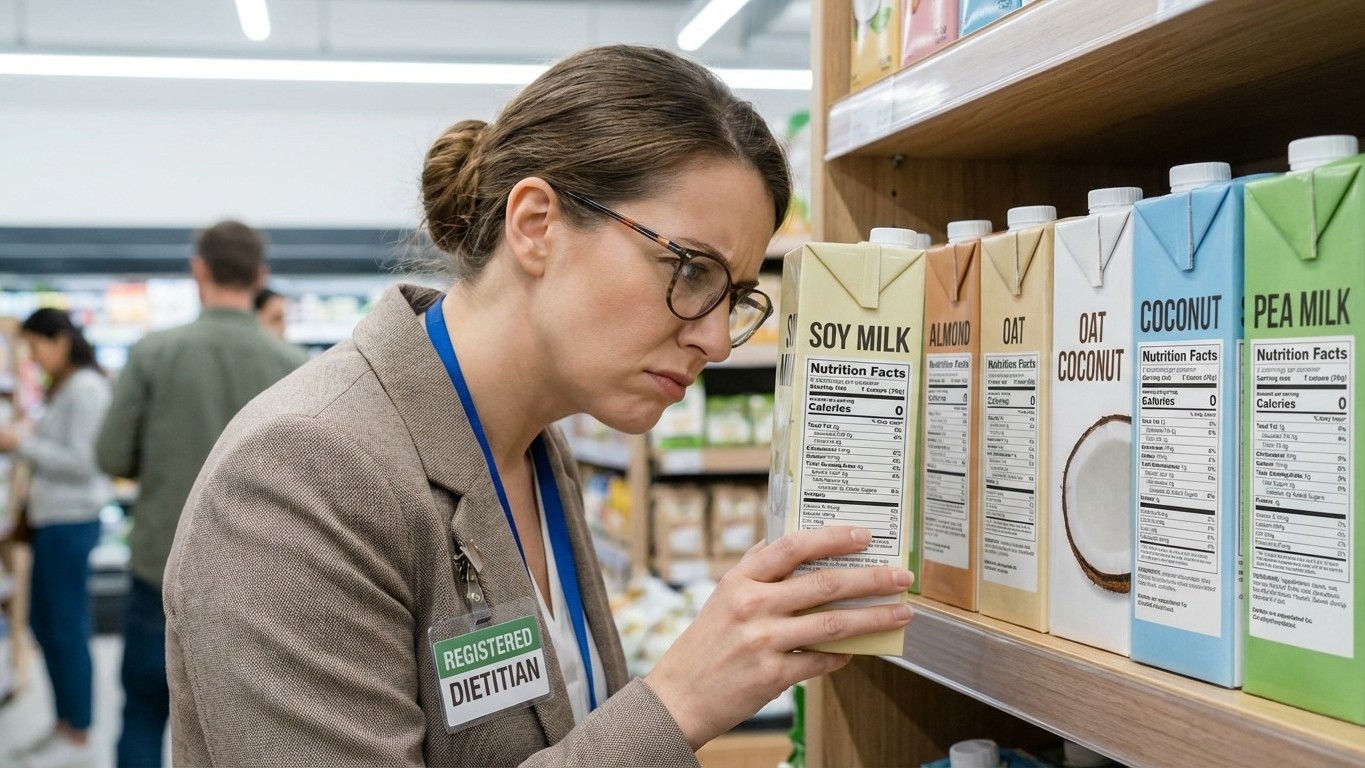
If you wander the aisles of any British supermarket lately, you’ll see ever-expanding stretches of cartons boasting almonds, oats, soybeans and even peas. Plant-based milks have become more than a trend, many now consider them a staple, marketing them as healthier and more sustainable than dairy. But, ask a room of people which is “healthiest” and expect as many answers as there are brands on the shelf. Nutritionists, however, often shake their heads at the most common picks, challenging popular assumptions about what truly defines a healthy plant milk.
Key takeaways
- Why the ‘healthiest’ plant milk label might be misleading.
- The surprising nutrient gaps in popular plant milk brands.
- How fortification and protein content change the game.
Decoding the Plant Milk Craze
The explosive growth of plant-based milks in the UK isn’t hard to explain. Many people turn to these alternatives for lactose intolerance, ethical beliefs or the pursuit of lighter, lower-calorie choices. Oat milk dominates the coffee scene, almond milk appears everywhere from breakfast cereals to smoothies, and coconut milk claims a place in trendy recipes. “Dairy free” has practically become synonymous with “healthier” in everyday conversation. Yet, the story is much more nuanced.
It might seem intuitive: almond milk sounds lighter, coconut feels exotic, oats evoke childhood comfort. Yet, none of those plant milks naturally contain the same protein or micronutrient profile as cow’s milk, a fact stubbornly ignored by flashy branding and many enthusiasts. Shop-bought plant milks, unless specifically fortified, can be surprisingly sparse in the nutrients many believe they’re providing.
Spotlight on Nutritional Comparison
The real question isn’t which plant base appeals most, but which delivers a nutritional punch. Unsweetened soy milk, according to multiple peer-reviewed studies, most closely matches dairy for protein content and the type of protein, an edge neither almond nor oat can claim. Almond milk, for all its popularity, often contains as little as 2% actual almond and delivers just a fraction of the protein found in dairy or even oat milk. Oat milks tend to be higher in carbohydrate (thanks to their origin), but are generally lower in protein than soy, with a thicker, “barista style” mouthfeel prized for coffee but irrelevant for calcium or vitamin B12 content.
Brands frequently add calcium, vitamin D and vitamin B12 to plant-based milks. The trouble? Not every product is fortified, and organic versions seldom are. That means comparing a “natural” almond milk with an unfortified label to a fortified soy or oat milk is less apples and oranges, more apples and cardboard. Unfortified plant milks are closer nutritionally to flavoured water than they are to either dairy or fortified versions.
Anecdotes abound. One mother I spoke to was shocked when her GP explained why her toddler, fed solely on organic almond milk, was low on key nutrients. She’d assumed the “clean” branding meant complete nourishment, only to learn otherwise after blood tests and some hard conversations.
The Protein and Calcium Puzzle
If there’s one mistake nearly everyone makes, it’s assuming all plant milks are interchangeable. Dairy milk carries around 3.4g of protein per 100ml, roughly 8g in a typical glass. Almond and coconut milks often contain less than 0.5g of protein per 100ml, sometimes less. Oat milks fare a bit better but rarely deliver more than 1g. Soy stands out at about 3g, nearly matching dairy.
Calcium tells a similar story. Cow’s milk is a reliable source, which matters for everyone but especially young children, teenagers, pregnant women and those over 50. Plant milks fortified with tricalcium phosphate or calcium carbonate can deliver as much calcium as cow’s milk, but again, not every version does. And research (including a 2023 study in the European Journal of Nutrition) confirms many consumers simply don’t check labels, relying instead on perceptions shaped by advertising or appealing narratives about sustainability and wellness.
A word on sugar: flavoured varieties, even “lightly sweetened”, can pack an unexpected sugar hit. Always check the ingredients, as a dreamy vanilla almond milk may contain more sugar than a glass of cola. Unsweetened is usually the default choice for nutritionists concerned about blood sugar and tooth health.
What Should You Actually Buy?
With so many options, the “healthiest” plant milk for most people, according to registered dietitians and supported by British Dietetic Association guidelines—remains unsweetened, calcium-fortified soy milk. Its protein content aligns closely with dairy, and, if fortified, offers the same benefits for calcium and often B12, crucial for those avoiding animal products. Allergy to soy? Fortified pea protein milks are a newer contender, delivering similar nutrition, though they’re less common and, frankly, less popular for their distinctive taste.
Oat milk enjoys a robust following, thanks to its creamy texture and mild flavour, and it’s a reasonable option if fortified, but understand you’ll be getting less protein. Almond and coconut milks still have a place, especially for those seeking a low-calorie or nutty alternative. Yet, if children or those at risk of deficiency rely on these, protein and calcium must be sought elsewhere in the diet or selected products must be carefully fortified.
Beyond the cartons and labels lies a broader question: does our definition of “healthiest” focus too much on ideals and trends rather than hard numbers? One wonders if the next nutritional shift will see consumers holding up a carton and weighing grams of protein or milligrams of calcium, rather than simply trading dairy for any plant-based equivalent. Perhaps soon, the “default” plant milk in your fridge won’t be decided by coffee froth alone.
This article does not offer medical advice. Always consult your GP or a registered dietitian before making significant changes to your diet, especially for young children, pregnant women or those with chronic health conditions.